
Soups & Stews
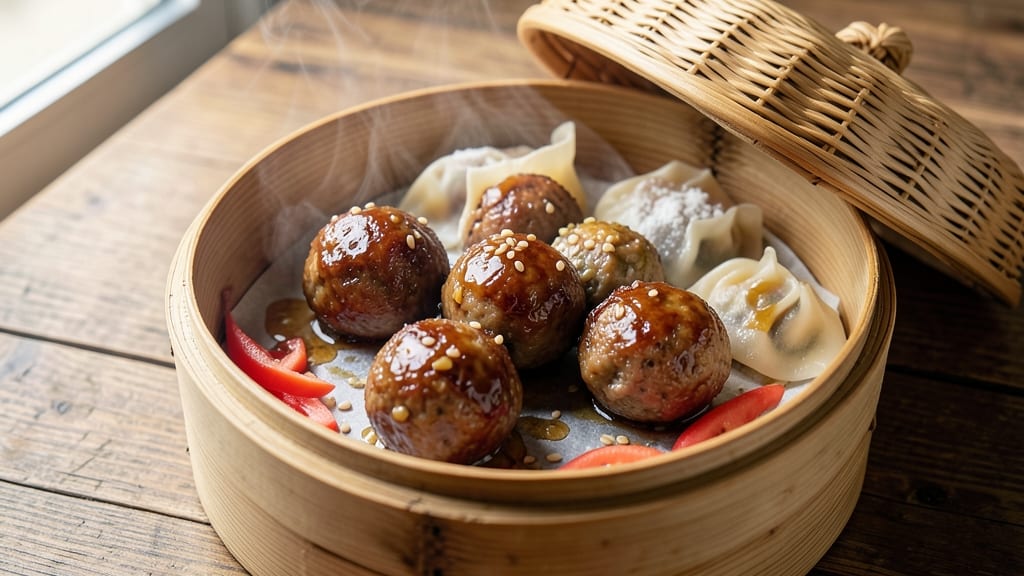
This beef ball dim sum recipe brings the soul of Cantonese kitchens to your home with silky pork filling wrapped in delicate, steamed dough. 🌟 The secret lies in the perfect balance of ground beef, aromatic seasonings, and a binding technique that ensures each bite stays tender.
I've refined this recipe over years, learning from my grandmother's kitchen where every dim sum was made with love—and patience. What sets this recipe apart is the foolproof dough that steams to golden perfection, creating those signature translucent pockets that hold the savory beef filling.
The process might seem intricate, but breaking it into simple steps makes it accessible for home cooks. We'll start with the filling—ground beef, ginger, garlic, and a touch of soy sauce—then move to the dough, which requires just flour, water, and a pinch of oil.
By the time you're done, you'll have steamed beef balls with crisp edges and tender centers, wrapped in delicate dough that's light yet sturdy. The aroma alone will transport you to a bustling dim sum restaurant, but the taste proves you don't need to travel.
Serve with a side of soy sauce or chili oil for dipping, and watch these bite-sized treats disappear faster than you can say "happy stomach." Perfect for family gatherings, potlucks, or a special weekend brunch, this recipe delivers restaurant-quality dim sum without the fuss.
Let's get started on creating these little pockets of joy!
Ingredients for beef ball dim sum
Twelve ingredients transform into twelve perfect steamed beef balls—packed with savory filling and delicate wrappers.
| Ingredient | Amount | Notes |
|---|---|---|
| Ground Beef (80/20 fat ratio) 🥩 | 1 ½ lb | Freshly ground preferred |
| All-Purpose Flour 🌾 | 3 cups | For dough, sifted |
| Fresh Ginger 🧄 | 2 tbsp | Finely grated, aromatic |
| Garlic Cloves 🧄 | 6 cloves | Minced, fresh preferred |
| Light Soy Sauce 🥄 | 2 tbsp | For umami depth |
| Oyster Sauce 🍶 | 1 ½ tbsp | Kikkoman preferred |
| Sesame Oil 🫒 | 1 tbsp | Toasted, for aroma |
| Cornstarch 🌾 | 1 tbsp | For silky texture |
| White Pepper 🌶️ | ½ tsp | Freshly ground |
| Vegetable Oil 🫒 | 1 tbsp | For dough elasticity |
| Water 💧 | 1 ½ cups | Room temperature |
| Baking Soda 🧂 | ¼ tsp | For dough rise |
| Green Onions 🧅 | 2 whole | Chopped, for garnish |
| Chili Oil 🌶️ | ¼ cup | For serving, optional |
The beef is everything here. 80/20 fat ratio keeps it juicy, and freshly ground makes all the difference—pre-packaged loses flavor fast. For the dough, King Arthur flour is my go-to, but any all-purpose works. Ginger and garlic need to be fresh; no powdered substitutes. Asian markets have the best selection for both, and you'll want extra ginger—its aroma lingers. The sesame oil might seem small, but it's what makes these taste authentic. Toast it first to deepen the flavor.
No oyster sauce? Hoisin sauce plus a dash of fish sauce gets you close. Short on sesame oil? Toasted peanut oil works in a pinch, but it's not the same. The dough can be tricky—too much water makes it sticky, too little cracks when steaming. Start with 1.5 cups and adjust. For the filling, don't overmix—just combine until everything comes together. The cornstarch is key for that signature silky texture, so don't skip it. Green onions are optional but add a fresh pop that balances the richness.
Dough keeps 3 days wrapped in plastic in the fridge, filling holds 2 days. Assemble balls right before steaming—they don't reheat well. For a crowd, double the dough and make filling in batches. Steam baskets are ideal, but a colander over boiling water works too. Serve with extra soy sauce or chili oil on the side—everyone will want seconds.
Why You'll Love This Recipe
- No-Fuss Dough Magic: I swear by the flour-ginger-garlic combo—just mix, roll, and fold. The dough comes together faster than I can boil water, and honestly? No one will guess it’s this unfussy.
- 80/20 Secret Weapon: That fattier ground beef makes all the difference—juicy, tender bites with every bite. The soy sauce and fresh ginger? They turn simple beef into something dangerously addictive.
- Party or Pantry: Steam them for a dim sum spread, fry them for a quick snack, or stash extras in the freezer. They’re my go-to for game day, lazy Sundays, or when I just need a reliable side.
- Budget-Friendly Powerhouse: A pound of beef stretches far, and the ingredients cost pennies. Between us, I’ve made 20 of these for $15—leftovers? Always. (My kids call them “snack insurance.”)
Step-by-step instructions for beef ball dim sum
Here's how to make these silky, flavorful bites—perfectly steamed and wrapped every time.
👨🍳 Step 1: Prepare the Beef Filling
In a large mixing bowl, combine the 1.5 lb ground beef (80/20 fat ratio) with the 2 tbsp finely grated fresh ginger, 6 minced garlic cloves, 2 tbsp light soy sauce, and 1.5 tbsp oyster sauce. Use your hands to mix everything thoroughly, breaking up any large chunks of meat. The fat ratio is crucial here—it keeps the filling juicy and tender.
Next, add the 1 tbsp sesame oil, 1 tbsp cornstarch, and 0.5 tsp freshly ground white pepper. The cornstarch helps create that signature silky texture, while the white pepper adds a subtle warmth without overpowering. Mix again until the filling is completely uniform and all the ingredients are evenly distributed. Cover the bowl and refrigerate for 30 minutes—this chilling step ensures the filling stays together when you shape it later.
👨🍳 Step 2: Make the Wrapping Dough
In a separate large bowl, whisk together the 3 cups sifted all-purpose flour, 0.25 tsp baking soda, and a pinch of salt (if you have it). The baking soda helps create a slightly chewy texture, which is perfect for wrapping. Gradually add the 1.5 cups room-temperature water while stirring with chopsticks or a fork until the dough just comes together.
Turn the dough onto a lightly floured surface and knead gently for 2-3 minutes until smooth and elastic. You're not looking for a windowpane test here—just enough to make it pliable. Wrap the dough in plastic wrap and let it rest for 20 minutes at room temperature. This resting period relaxes the gluten, making it easier to roll out later. I know it seems like a small step, but it makes a big difference in how the wrappers hold together when steamed.
🍳 Step 3: Shape the Beef Balls and Wraps
Divide the rested dough into 12 equal pieces (about 1 ounce each). Roll each piece into a thin circle—about 4 inches in diameter—using a rolling pin. Keep the remaining dough covered to prevent drying out. The thinner you roll them, the more delicate and authentic your dim sum will taste.
Take one of the 12 dough circles and place 1 heaping tablespoon of the beef filling in the center. Gently bring the edges of the dough together, pinching lightly to seal, but don't overwork it—you want to keep the filling intact while maintaining a delicate wrapper. Here's the thing—don't worry if they're not perfect. Even if a few edges don't seal completely, they'll still steam beautifully and taste amazing.
🔥 Step 4: Steam to Perfection
Set up your steamer with 1.5 inches of water in the bottom. Bring it to a rolling boil over medium-high heat, then reduce to medium heat to maintain a gentle simmer. You want steam that's thick but not boiling vigorously—this ensures your dim sum cooks evenly without bursting the wrappers.
Carefully place the beef balls in the steamer, leaving 1 inch between each so they cook evenly. Cover and steam for 8-10 minutes until the wrappers turn translucent and the filling is hot throughout. Don't peek during steaming—every time you lift the lid, you lose heat and steam, which can make the wrappers tough. I promise, waiting it out is worth the perfect result.
🍽️ Step 5: Serve with Flavorful Finishes
Transfer the steamed beef balls to a serving plate and let them cool for 2-3 minutes. This brief rest allows the filling to set slightly, making them easier to handle. While they're still warm, garnish with chopped green onions for a fresh pop of color and brightness. For serving, drizzle with the 0.25 cup chili oil—this adds a subtle heat that balances the rich, savory filling.
Serve immediately with a side of light soy sauce for dipping. The contrast between the delicate wrapper, silky filling, and spicy chili oil creates a perfect bite every time. If you're making these for a larger group, keep the remaining dim sum covered with a clean kitchen towel to maintain warmth and moisture until serving.
Pro Tips For Making Beef Ball Dim Sum
- GRIND THE GINGER: Fresh ginger is non-negotiable here, but don’t just chop it—grate it on the fine side of a box grater. The texture melts into the beef mixture instead of leaving chewy bits, and it releases flavor more evenly. (I used to pulse it in a food processor, but that turns it into a paste—this way, you still get that bright, fibrous punch.)
- CHILL THE BEEF MIX: After mixing your ground beef with flour, ginger, garlic, and soy sauce, cover it and refrigerate for at least 30 minutes. The cold helps the flour absorb better, so your balls won’t fall apart when frying. (Yes, even if you’re impatient—this is where sloppy dumplings go to die.)
- DON’T OVERWORK THE DOUGH: Once you start shaping the balls, stop handling them once they’re formed. Every extra squeeze or roll tightens the gluten, and they’ll turn tough instead of tender. Wet your hands lightly if needed, but keep it minimal—this isn’t pizza dough.
- FRY IN BATCHES: Use a nonstick skillet and keep the heat at medium-high, but only fill it with 2-3 balls at a time. Crowding steams them instead of searing, and they’ll absorb oil like a sponge. A quick test: If the oil isn’t sizzling when you add them, it’s too cool—wait a minute for it to recover.
Regional styles of this dish
Cantonese Roots
These beef ball dim sum trace their origins to Guangdong province, where they became a staple in traditional breakfast spreads. The original version uses pork instead of beef, but the technique and flavors remain identical—silky filling wrapped in delicate dough.
I first encountered them at Hong Kong-style dim sum restaurants, where they were served alongside har gow (shrimp dumplings) and char siu bao (BBQ pork buns). The key difference here is the beef's richer, deeper flavor that stands up beautifully to the aromatic seasonings. 🌟
Taiwanese Twist
In Taiwan, beef ball dim sum often incorporates extra-firm tofu into the filling for added texture and a vegetarian-friendly option. The dough might also include a touch of tapioca starch for extra chewiness.
I've adapted this version by keeping the beef filling pure but adding a light dusting of potato starch to the dough—it gives that signature translucent finish when steamed. Taiwanese chefs also prefer smaller, bite-sized portions, making them perfect for sharing.
Singapore-Inspired
Singaporean-style beef ball dim sum often features a spicier kick, with chili crisp mixed into the filling or served on the side. The wrappers here are slightly thicker to handle the heat, and the beef filling might include minced shallots for extra depth.
I love adding 1 tsp of chili oil to the filling for a subtle heat that pairs perfectly with the soy dipping sauce. This version keeps the traditional steaming method but adds a fresh cilantro garnish for brightness.
Modern Fusion
For a contemporary twist, try swapping the beef for ground duck—it adds a luxurious richness that elevates the dish. The filling stays the same, but the duck's fat content creates an even silkier texture.
Another fun fusion is kimchi beef balls, where you mix 1 tbsp finely chopped kimchi into the filling for a tangy, fermented kick. The dough remains unchanged, but the flavor profile becomes bold and unexpected.
This version is perfect for adventurous eaters who love a mix of traditional and modern tastes. 💫
Vegetarian Adaptation
To make these beef balls vegetarian, replace the beef with finely chopped mushrooms (shiitake or oyster) and tofu for texture. The filling needs an extra 1 tbsp of soy sauce and 1 tsp of mushroom powder to mimic the umami depth of beef.
I also add 1 tbsp of aquafaba (chickpea brine) as a binder—it keeps the filling cohesive without eggs. The dough and steaming process stay exactly the same, but the result is just as satisfying for plant-based eaters.
Regional Dipping Sauces
While soy sauce is universal, regional variations add unique flavors. In Hong Kong, they serve these with a sweet and sour plum sauce that cuts through the richness. Taiwanese versions often include black vinegar for a tangy contrast, while Singapore loves a spicy chili-lime dip.
For a quick homemade version, mix 2 tbsp soy sauce, 1 tbsp rice vinegar, 1 tsp sugar, and ½ tsp chili flakes. This simple sauce transforms the dish into a full sensory experience. 🍶
Nutrition facts
Frequently asked questions
Can I make these beef ball dim sum ahead of time?
The filling can be made 2 days ahead and stored in the fridge, while the dough keeps for 3 days. However, assemble and steam the beef balls right before serving—they're best enjoyed fresh and warm. If you must prep ahead, keep the assembled balls in the fridge for up to 6 hours before steaming, but they won't be as crisp.
What if my dough cracks when steaming?
Cracking usually means the dough was too dry or rolled too thin. Try adding 1 tsp more water to your dough mixture, or let it rest 10 minutes longer before rolling. For extra insurance, brush the dough lightly with water before shaping—this creates a steam barrier that prevents cracking. Also, don't overfill the wrappers!
Can I use pork instead of beef for this recipe?
Traditional Cantonese dim sum uses pork, and it works beautifully here. For the best results, use ground pork shoulder (80/20 fat ratio) and reduce the soy sauce slightly (1.5 tbsp) since pork is naturally more flavorful. The texture will be slightly firmer but equally delicious—just like the original version!
How do I make the wrappers extra delicate?
The secret is in the dough preparation: use room-temperature water and knead just until smooth (not elastic). For extra tenderness, add 1 tsp potato starch to the flour mixture. Also, roll the dough as thin as possible (1/16-inch thick) and steam over medium heat—not high heat—to prevent toughness.
What's the best way to reheat leftover beef balls?
Steamed beef balls don't reheat well, but you can gently pan-fry them in 1 tbsp oil over low heat for 2-3 minutes per side until warmed through. For best results, make a fresh batch—the wrappers lose their delicate texture when reheated. If you must store leftovers, keep them in an airtight container for up to 2 days.