
Soups & Stews
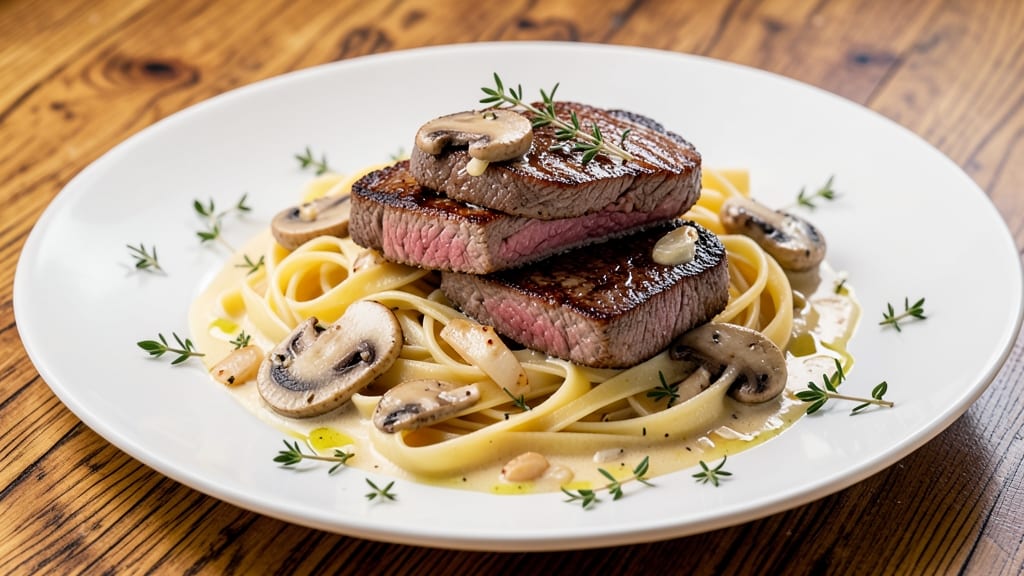
This beef and mushroom pasta recipe delivers restaurant-quality depth with every forkful—rich, savory, and perfectly balanced. The secret lies in searing beef strips until deeply caramelized, then deglazing the pan to capture every umami-rich drop.
Sautéed mushrooms add earthy complexity, while a simple garlic-infused white wine sauce ties everything together into a velvety, clinging finish.
What sets this dish apart is the technique: browning the beef creates a flavor foundation that transforms ordinary ingredients into something extraordinary. We're talking tender beef strips, melt-in-your-mouth mushrooms, and al dente pasta coated in a sauce so flavorful it disappears before your eyes.
The result? A complete meal that feels indulgent but comes together in under 45 minutes—no shortcuts, just smart cooking.
This recipe builds flavor through proper searing and reduction, ensuring each bite delivers that satisfying combination of textures and tastes. The beef stays tender while developing a caramelized crust, the mushrooms release their earthy oils, and the pasta absorbs the rich sauce perfectly.
It's the kind of dish that makes weeknight dinners feel special without requiring fancy ingredients.
Perfect for feeding a family or impressing guests, this pasta handles well when doubled. The sauce clings beautifully to the noodles while maintaining its velvety consistency, and the beef remains juicy even after resting.
Garnish with fresh parsley and a sprinkle of parmesan for that final touch of elegance. Let's get cooking!
Ingredients for beef and mushroom pasta
Restaurant-quality depth starts with these 15 ingredients—each playing its part in umami-rich harmony.
| Ingredient | Amount | Notes |
|---|---|---|
| Top Sirloin Steak 🥩 | 1 lb | Cut into 1/2-inch strips, trimmed of fat |
| Creamini Mushrooms 🍄 | 16 oz | Sliced into 1/4-inch pieces, stems removed |
| Fettuccine Pasta 🍝 | 12 oz | Dried, al dente preferred |
| Extra-Virgin Olive Oil 🫒 | ½ cup | For searing and deglazing |
| Garlic Cloves 🧄 | 4 cloves | Minced, for aromatic base |
| Shallots 🧅 | 2 whole | Finely diced, 1/4 cup total |
| Dry White Wine 🍷 | ½ cup | Sauvignon Blanc preferred |
| Heavy Cream 🥛 | ½ cup | Full-fat for richness |
| Beef Stock 💧 | 1 cup | Homemade or high-quality brand |
| Diamond Crystal Kosher Salt 🧂 | 1 ½ tsp | Divided for seasoning |
| Freshly Ground Black Pepper 🌶️ | ½ tsp | Cracked peppercorns preferred |
| Fresh Parsley 🌿 | ¼ cup | Chopped, for garnish |
| Parmesan Cheese 🧀 | ½ cup | Freshly grated, from block |
| Unsalted Butter 🧈 | 2 tbsp | For finishing sauce |
| Thyme Leaves 🌿 | ½ tsp | Fresh, or 1/4 tsp dried |
The beef selection matters—top sirloin delivers the perfect balance of tenderness and flavor when cut into strips. Ask your butcher to slice it against the grain for maximum tenderness, or do it yourself with a sharp knife. For mushrooms, creamini release their earthy oils beautifully, but shiitake or oyster work equally well. Trader Joe's or Whole Foods carry excellent pre-sliced options, saving prep time. The fettuccine should be dried for proper texture—fresh pasta works but requires different cooking times. When selecting wine, Sauvignon Blanc cuts through the richness, but any crisp, dry white will suffice. For the Parmesan, Parmigiano-Reggiano is non-negotiable—pre-grated versions contain anti-caking agents that ruin the sauce's velvety finish.
No white wine? Chicken stock with a splash of lemon juice mimics the acidity perfectly. Substituting mushrooms? Hearts of palm or portobello slices add meaty texture without the earthiness. Short on fresh thyme? Dried at one-third the amount works in a pinch, though fresh is ideal. The beef stock can be vegetable stock for a vegetarian adaptation, though the umami depth will differ. For the cream, half-and-half reduces richness slightly but maintains body. When mincing garlic, peel first—it's easier to chop without the skins. The butter at the end? Use European-style if available—it has higher fat content for a silkier sauce.
This dish reheats beautifully—sauce first, then pasta in a skillet with a splash of water to loosen. Keeps 3-4 days in the fridge, though the sauce thickens upon standing; thin with warm water or stock as needed. For freezing, portion sauce separately—it lasts 2 months while maintaining texture. The beef should be cooked day-of to prevent drying. Garnish with toasted breadcrumbs for a restaurant-worthy finish. Double the recipe? The sauce scales perfectly—just increase the wine and stock proportionally. Leftovers transform into mushroom-beef stuffed shells the next day.
Why You'll Love This Recipe
- I swear by this trick: slice the sirloin thin against the grain before cooking—no fancy knife skills needed. The mushrooms just need a quick wipe and chop, and the garlic? One clove per pan, crushed with the flat side of a knife. Honestly, the hardest part is waiting for the pasta to boil.
- Minimal Chopping Required: I swear by this trick: slice the sirloin thin against the grain before cooking—no fancy knife skills needed. The mushrooms just need a quick wipe and chop, and the garlic? One clove per pan, crushed with the flat side of a knife. Honestly, the hardest part is waiting for the pasta to boil.
- Umami Bomb Combo: That first sear of sirloin in olive oil releases flavors so rich, it’s like the pan’s whispering secrets. Add the mushrooms? They soak up all the beefy goodness and turn meaty—no dry, bland mushrooms here. The garlic hits last, but it’s the cherry on top of a flavor explosion.
- Weeknight to Dinner Party: Same ingredients, different vibes: toss in a handful of spinach for a quick weeknight meal, or add a splash of red wine and fresh thyme to impress guests. Between us, I’ve served this at both my "I’m too tired to cook" nights and my "let’s pretend we’re in Italy" dinners. It doesn’t judge.
Step-by-step instructions for beef and mushroom pasta
Here's the precise method for crafting a restaurant-quality beef and mushroom pasta with deep umami flavor and perfectly al dente noodles.
🍳 Step 1: Sear the Beef to Develop Deep Flavor
Heat a large skillet over medium-high heat until hot. Add 2 tablespoons unsalted butter and 2 tablespoons extra-virgin olive oil (from the 0.5 cup total). Working in batches to avoid crowding, add the 1 lb top sirloin steak cut into ½-inch strips and sear for 3-4 minutes until deep brown on all sides. The high heat creates a flavorful crust while keeping the beef tender.
Remove the beef from the pan and set aside on a plate. Leave the browned bits in the pan—they're packed with flavor that will form the sauce base. If needed, wipe out the pan with a paper towel to remove excess fat while keeping those precious fond bits.
🍳 Step 2: Build the Umami-Packed Sauce Base
In the same skillet, reduce heat to medium and add 2 tablespoons extra-virgin olive oil. Add the 2 whole shallots (finely diced to ¼ cup total) and cook for 3 minutes until softened but not browned. Stir in the 4 cloves garlic (minced) and 0.5 teaspoon thyme leaves, cooking for 30 seconds until fragrant—don't let the garlic burn.
Add the 16 oz creamini mushrooms (sliced into ¼-inch pieces) and cook for 5-6 minutes until they release their moisture and begin to brown. This step develops the earthy, umami depth that makes this dish exceptional. Season lightly with ½ teaspoon diamond crystal kosher salt and ¼ teaspoon freshly ground black pepper at this stage.
🍳 Step 3: Deglaze and Reduce the Wine
Pour in the 0.5 cup dry white wine and scrape up all those browned bits from the bottom of the pan with a wooden spoon. This deglazing step captures all the meaty flavor that would otherwise go down the drain. Let the wine simmer for 3-4 minutes until reduced by half, until you notice a rich, concentrated aroma developing.
Add the 1 cup beef stock and bring to a gentle simmer. Let it reduce by ⅓ (about 4-5 minutes) until the sauce thickens slightly. This reduction process intensifies the flavor profile. If the sauce becomes too thick before the stock reduces sufficiently, add 1-2 tablespoons water to maintain proper consistency.
🍳 Step 4: Finish the Sauce and Cook the Pasta
Return the seared beef to the pan and stir to combine with the sauce. Add the 0.5 cup heavy cream and 0.5 cup parmesan cheese, stirring until the cheese melts completely and the sauce becomes velvety smooth. The sauce should coat the back of a spoon—if it's too thin, simmer for another 1-2 minutes to thicken.
In a separate pot, cook the 12 oz fettuccine pasta in salted boiling water (using 1 teaspoon diamond crystal kosher salt) until al dente (about 1 minute less than package instructions). Reserve ½ cup pasta water before draining, then add the drained pasta directly to the beef and mushroom sauce. Toss gently to coat, adding reserved pasta water as needed to achieve the perfect silky consistency.
🍽️ Step 5: Plate and Garnish Professionally
Transfer the pasta to serving plates, dividing evenly among 4 servings. Garnish each portion with 1 tablespoon chopped fresh parsley and an additional sprinkle of freshly ground black pepper. The parsley adds freshness that cuts through the richness of the beef and mushrooms, while the pepper enhances the overall flavor profile.
Serve immediately while the pasta is hot and the sauce maintains its velvety texture. The dish should deliver a perfect balance of tender beef, earthy mushrooms, and creamy sauce with each bite. The al dente pasta provides the ideal texture contrast to complete this umami-rich masterpiece.
Pro Tips For Making Beef And Mushroom Pasta
- Slice Steak Thin: Top sirloin fights back when you cut against the grain, so grab your sharpest knife and angle those slices at a 45-degree cut—about ¼-inch thick. Thinner strips cook faster, stay tender, and disappear into the sauce without leaving you with chewy surprises.
- Sear Mushrooms Twice: I used to rush this step, but mushrooms need patience. First sear in olive oil until golden, then push them aside, add another splash of oil, and sear them again. That second hit deepens their flavor and keeps them from turning soggy when the beef joins the party.
- Salt the Pasta Water Hard: Taste that pasta water—if it doesn’t taste like the ocean, add more salt. A full teaspoon per quart guarantees the fettuccine absorbs flavor, not just starch. Trust me, your fork will notice the difference when the sauce clings instead of sliding off.
- Rest the Beef Before Tossing: After slicing, let the seared steak sit for 5 minutes under foil—yes, even if you’re starving. This locks in juices so they don’t turn your rich sauce into a watery mess when you toss everything together. (Your future self will curse you if you skip this.)
Make-ahead tips for beef and mushroom pasta
Prep Ahead Sauce
Make the sauce 2 days ahead for maximum flavor development. After Step 3 (reducing the wine and stock), let it cool completely, then store in an airtight container in the fridge.
The flavors meld beautifully overnight, and you can reheat it gently on the stovetop with a splash of water or stock to restore its velvety texture. This is my go-to strategy for busy weeknights—just toss in the cooked pasta when ready to serve. 💫
Cook Pasta Fresh
Never make pasta ahead—it turns mushy when reheated. Cook it al dente just before serving, then toss with the pre-made sauce. For extra convenience, cook the pasta 1 minute less than package instructions and finish it in the sauce pan for perfect texture.
The starchy pasta water helps emulsify the sauce beautifully, creating that signature cling you crave. ✨
Beef Prep Shortcut
Save time by searing the beef 1 day ahead. After browning, store it in the fridge in a single layer on a plate (not stacked) to prevent steaming. Reheat in the sauce pan over medium heat for 3-4 minutes until warmed through.
This keeps the beef tender while letting you focus on other prep when serving. Trust me, this small step makes a world of difference for stress-free cooking. 💡
Freezer-Friendly Components
Freeze the sauce separately for up to 3 months in a quart-sized freezer bag. Thaw overnight in the fridge, then reheat gently on the stove. For the beef, freeze it raw in a single layer on a tray before transferring to a bag—this prevents clumping.
Cook from frozen in the sauce pan with a splash of water to maintain moisture. The mushrooms lose texture when frozen, so always cook them fresh. ❄️
Double the Batch
This recipe scales perfectly for 8 servings—just double all components except the pasta (which should be cooked fresh). Use a large Dutch oven to handle the increased volume, and adjust the wine and stock to maintain proper sauce consistency.
Store extras in airtight containers for up to 4 days in the fridge. The leftovers make fantastic stuffed shells or pasta bakes the next day. 🍽️
Garnish Last Minute
Keep the parsley and parmesan separate until serving. Freshly chopped parsley loses its vibrancy when stored, and pre-grated parmesan contains anti-caking agents that ruin the sauce's texture. Instead, store these components separately in the fridge and add them just before plating.
A final sprinkle of freshly cracked black pepper elevates the dish every time. 🌿
Nutrition facts
Frequently asked questions
Can I substitute ground beef for sliced steak?
Yes, but the texture will differ. Ground beef works in a pinch, but slicing steak creates better texture contrast with the creamy sauce. For a similar effect, use 8 oz lean ground beef (90% lean) and brown it thoroughly. The sauce will still cling beautifully, though the dish will be slightly less elegant.
What if I don't have white wine?
No problem! Use ½ cup chicken stock plus 1 tablespoon lemon juice for acidity. Alternatively, ½ cup beef stock with 1 teaspoon soy sauce mimics the umami depth. The dish will still taste rich and satisfying—just slightly less refined.
How do I prevent the sauce from breaking when adding cream?
Always reduce the wine and stock first until thickened (it should coat the back of a spoon). Then add the cream slowly while stirring constantly. If the sauce separates, whisk in 1 tablespoon cold water to re-emulsify. The key is patience—rushing causes curdling.
Can I make this vegetarian?
Replace the beef with 12 oz portobello mushrooms (sliced) or 1 lb extra-firm tofu (pressed and cubed). Use vegetable stock instead of beef stock, and add 1 teaspoon soy sauce to the sauce for depth. The earthy mushrooms will shine even more without the beef.
Why does my pasta turn mushy when reheating?
Pasta absorbs moisture when reheated—always cook it al dente (1 minute less than package time) and finish in the sauce pan. For leftovers, reheat in the sauce with 2 tablespoons water per serving, covered, over low heat for 3-4 minutes**. Never microwave pasta—it makes it gummy.