
Soups & Stews
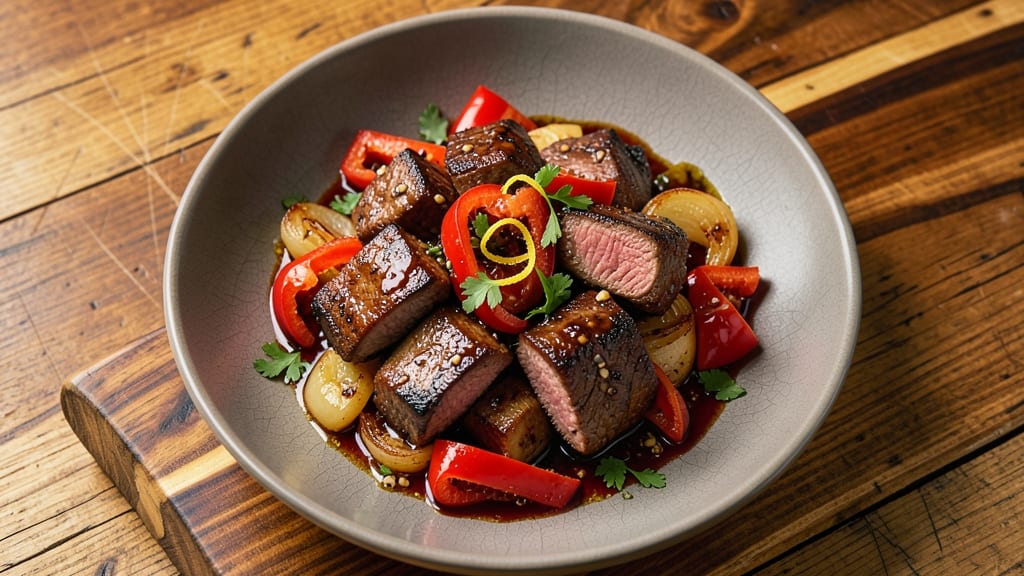
This beef and red pepper recipe transforms tough cuts into melt-in-your-mouth tenderness with deep wine-braised richness and caramelized peppers that add sweet, smoky depth.
The secret lies in slow cooking—where red wine reduces into a velvety sauce that clings to every bite, while the peppers develop a perfect balance of sweetness and char.
This isn't just a stew; it's a restaurant-quality dish that builds flavor layer by layer, starting with a proper sear and ending with a sauce so rich it feels like a hug in a bowl.
The process begins with tenderizing beef cuts—like chuck or short ribs—through a simple marinade of garlic, olive oil, and herbs, then searing them until deeply browned for maximum flavor extraction.
As the beef braises in red wine, tomatoes, and aromatics, the red peppers caramelize in the same pot, their natural sweetness intensifying into a jammy texture that contrasts beautifully with the savory beef.
What makes this recipe stand out is how the wine's acidity tenderizes the meat while its alcohol content enhances the sauce's depth, creating a harmony that's both comforting and sophisticated.
By the time you serve it, you'll have a dish that's hearty enough for a winter dinner but elegant enough for company—thick, tender beef falling apart with each forkful, surrounded by glossy red peppers and a sauce that's rich yet balanced.
The aroma alone will have everyone gathering at the table, and the first bite delivers on that promise of deep, layered flavor. This is the kind of recipe that turns a simple weeknight into a memorable meal, where every spoonful feels like a celebration.
Pair it with crusty bread to soak up the sauce or serve over buttery mashed potatoes to round out the meal. The beauty of this dish is its versatility—it reheats beautifully for leftovers, making it perfect for meal prep, and the flavors only deepen over time.
Let's get started on creating this showstopper that's as impressive as it is delicious.
Ingredients for beef and red pepper
Pantry staples meet restaurant-quality beef and peppers for a dish that tastes like celebration.
| Ingredient | Amount | Notes |
|---|---|---|
| Beef Chuck Roast 🥩 | 2 lb | Cut into 1.5-inch cubes |
| Red Bell Peppers 🌶️ | 2 whole | Seeds removed, sliced into strips |
| Red Wine 🍷 | 1 ½ cups | Bold, dry variety like Cabernet |
| Tomato Paste 🍅 | 2 tbsp | Smooth, not chunky |
| Garlic Cloves 🧄 | 4 cloves | Peeled and smashed |
| Yellow Onion 🧅 | 1 whole | Diced, medium size |
| Carrots 🥕 | 2 whole | Peeled, cut into chunks |
| Beef Broth 💧 | 2 cups | Low-sodium preferred |
| Olive Oil 🫒 | 2 tbsp | Extra-virgin for richness |
| Fresh Thyme 🌿 | 2 sprigs | Or 1 tsp dried thyme |
| Fresh Rosemary 🌿 | 1 sprig | Woody stems removed |
| Salt 🧂 | 1 ½ tsp | Kosher or sea salt |
| Black Peppercorns 🌶️ | 1 tsp | Freshly cracked |
| Bay Leaves 🌿 | 2 whole | Dried, standard size |
| All-Purpose Flour 🌾 | 1 tbsp | For coating beef |
The beef makes or breaks this. Chuck roast is ideal—it's tough enough to benefit from slow cooking but breaks down beautifully. Most grocery stores carry it pre-cut, but if you're buying a whole roast, ask the butcher to cube it for you. Costco or Whole Foods usually have it ready to go. Look for good marbling—those little white fat streaks mean more flavor. Red bell peppers? Bell peppers in the produce section (not the pre-cut ones) stay fresher longer. I grab the big, plump ones—they caramelize better and have more natural sweetness. If you can't find fresh thyme, dried works at one-third the amount, but fresh is worth it here.
No red wine? Beef broth with a splash of balsamic vinegar works in a pinch, though the depth won't be quite the same. The tomato paste can be the squeeze-tube kind from Trader Joe's—it's perfect for this recipe and lasts forever. Fresh garlic and onions are non-negotiable, but if you're short on time, jarred minced garlic (the kind in the can) is fine. The carrots can be baby carrots if that's what's in your fridge, but regular carrots add more texture. For the flour, King Arthur or Gold Medal brands are reliable, but honestly, any all-purpose will do. If you're making this ahead, prep the beef and peppers the day before—they'll soak up flavors better.
This dish tastes even better the next day, so make extra. Store leftovers in the fridge for up to 5 days or freeze for 3 months. I like to portion it into containers with the sauce—just reheat and serve. The sauce thickens as it cools, so add a splash of broth or water when reheating if it's too stiff. If you're serving it to company, pull it out of the fridge an hour before serving so everyone can appreciate that rich, velvety sauce. The aromatics—thyme, rosemary, bay leaves—can be removed before serving, but I usually leave them in until the last minute for extra flavor infusion.
Why You'll Love This Recipe
- Here’s what sold me: this reheats like a dream. Pack the leftovers for work, and your coworkers will think you slaved over it. (Spoiler: you didn’t.) The beef stays juicy, the peppers hold their crunch, and the sauce? Still bold enough to wake up a midday slump.
- One-Pot Magic: Between us, this dish is chef’s kiss for lazy nights—just sear the chuck roast, toss in sliced peppers and garlic, then let the red wine and tomato paste do their thing. No extra pans, no stress, and honestly? That first bite of tender beef with caramelized peppers feels like a reward.
- Wine-Infused Depth: The red wine isn’t just for show—it melts into the sauce, giving it a rich, velvety edge that’s not too heavy. Add the tomato paste, and suddenly you’ve got a balance of sweet, tangy, and savory that makes every forkful feel fancy (even if you’re wearing pajamas).
- Lunchbox Hero: Here’s what sold me: this reheats like a dream. Pack the leftovers for work, and your coworkers will think you slaved over it. (Spoiler: you didn’t.) The beef stays juicy, the peppers hold their crunch, and the sauce? Still bold enough to wake up a midday slump.
Step-by-step instructions for deep-wine braised beef and red peppers
Here's how to create a rich, caramelized masterpiece that balances tender beef and sweet peppers in a deep wine sauce.
Prep and Sear the Beef
Start by cutting the 2 lb Beef Chuck Roast into 1.5-inch cubes—this size ensures even cooking and maximum tenderness. Pat the cubes dry with paper towels, then place them in a bowl and toss with 1 tbsp All-Purpose Flour, 1.5 tsp Salt, and 1 tsp freshly cracked Black Peppercorns. Let them sit for 5 minutes while you prepare the rest.
Heat 2 tbsp Olive Oil in a large Dutch oven over medium-high heat. Working in batches, add the flour-coated beef and sear for 2-3 minutes per side until deeply browned. This step is crucial—it builds flavor through the Maillard reaction. Remove the beef and set it aside on a plate.
Build the Flavor Base
In the same Dutch oven, add the 1 whole Yellow Onion (diced) and 2 whole Carrots (cut into chunks). Cook for 5 minutes until softened. Add the 4 cloves Garlic Cloves (smashed) and cook for another 30 seconds until fragrant.
Stir in the 2 tbsp Tomato Paste and cook for 1 minute to deepen its flavor. Pour in the 1.5 cups Red Wine and scrape up any browned bits from the bottom of the pot—this releases all the caramelized goodness. Let the wine simmer for 3-4 minutes until reduced by half.
Add Vegetables and Herbs
Add the 2 whole Red Bell Peppers (seeds removed, sliced into strips) to the pot. They'll soften as they cook, releasing their natural sweetness. Stir in the 2 sprigs Fresh Thyme, 1 sprig Fresh Rosemary, 2 whole Bay Leaves, and the 2 cups Beef Broth. Bring the mixture to a gentle simmer.
Here's the thing—you want the liquid to just barely bubble, not boil vigorously. This gentle simmer prevents the peppers from turning mushy and ensures the beef absorbs all the rich flavors. Return the seared beef to the pot, spooning the sauce over it to coat evenly.
Braise Until Tender
Cover the Dutch oven with a lid and transfer it to a 325°F oven. Braise for 2.5-3 hours, until the beef is fork-tender and easily pulls apart. You'll know it's done when the meat reaches an internal temperature of 203°F—this is higher than usual because the beef will continue cooking slightly as it rests.
About 30 minutes before the beef is done, check the sauce consistency. If it's too thick, add ¼ cup water or beef broth to loosen it. The sauce should coat the back of a spoon but still be rich and velvety. This is where the magic happens—the wine reduces into a deep, flavorful sauce that clings to every bite.
Rest and Serve
Remove the Dutch oven from the oven and let the beef rest in the sauce for 10 minutes. This resting period allows the juices to redistribute, ensuring each bite is moist and flavorful. Discard the bay leaves and herb sprigs before serving.
Ladle the beef and peppers into bowls, spooning the rich sauce over the top. Serve with crusty bread or over mashed potatoes to soak up every last drop of that deep-wine goodness. The contrast of tender beef, sweet caramelized peppers, and the bold wine sauce makes this dish unforgettable.
Pro Tips For Making Beef And Red Pepper
- SEAR THE ROAST FIRST: I learned this the hard way—skipping the sear means bland, gray beef. Pat the chuck roast very dry, then hit it with high heat in a heavy pot or Dutch oven for 3-4 minutes per side until deep brown. That crust locks in flavor when it braises later.
- DEGLAZE WITH RED WINE IMMEDIATELY: As soon as you remove the beef, pour in that red wine right away—don’t let the fond stick. Scrape up every brown bit with a wooden spoon; those bits hold the depth of flavor. Let it simmer 2 minutes before adding anything else.
- CHAR THE PEPPERS IN BATCHES: Red bell peppers blister unevenly, and overcrowding steams them instead of charring. Cut into 1-inch strips, then work in two batches over medium-high heat for 4-5 minutes per side until blackened in spots. Tossing them in a bowl halfway helps, but don’t skip the second round.
- THICKEN WITH TOMATO PASTE LAST: Add the tomato paste when the wine’s mostly reduced—about halfway through cooking. Stir it in with a splash of broth or water to smooth it out, then let the sauce bubble uncovered for 5-7 minutes. This prevents a gluey mess and deepens the color. (Yes, even if you’re impatient like me.)
Perfect pairings for this beef and red pepper
Crusty Bread Pairings
Nothing beats this rich beef stew with a warm, crusty loaf to soak up every last drop of sauce. I love using a sourdough baguette from Bread Ahead—its open crumb structure traps the sauce beautifully.
For a heartier option, try a ciabatta roll with its airy pockets. Toast the bread lightly before serving to add extra crunch and prevent it from turning soggy too quickly. 🥖
If you want to elevate it further, brush the bread with garlic-infused olive oil and sprinkle with flaky sea salt before serving. The garlic complements the wine in the stew while the salt cuts through the richness.
For a fun twist, try a rosemary focaccia—the herby notes mirror the rosemary in the dish and add another layer of aroma.
Creamy Potato Sides
Mashed potatoes are a classic pairing that balances the richness of the beef and wine sauce. Use Yukon Gold potatoes for their buttery texture and creaminess—boil them until tender, then mash with ½ cup unsalted butter, ¼ cup warm milk, and a pinch of nutmeg.
The subtle warmth of nutmeg pairs beautifully with the wine's acidity. 🥔
For a rustic touch, try garlic scalloped potatoes—layer thinly sliced potatoes with a béchamel sauce made from 2 tbsp butter, 2 tbsp flour, and 1 cup warm milk, then bake until golden.
The crispy top contrasts perfectly with the tender beef. If you prefer something lighter, roasted fingerling potatoes with rosemary and olive oil add a bright, earthy note.
Fresh Green Salads
A crisp, bright salad cuts through the richness of the beef and wine sauce. I love a mixed greens salad with arugula, spinach, and frisée tossed in a lemon vinaigrette—the peppery arugula balances the sweetness of the peppers.
Add thinly sliced radishes and shaved fennel for extra crunch and freshness. 🥗
For a more substantial option, try a shaved Brussels sprouts salad with apple slices, walnuts, and a Dijon mustard dressing. The bitterness of the Brussels sprouts and the sweetness of the apples complement the caramelized peppers beautifully.
If you want to keep it simple, a cucumber and tomato salad with a sprinkle of fresh dill and a drizzle of olive oil works wonderfully.
Wine and Beer Pairings
The deep, rich flavors of this dish call for a bold wine pairing. A Cabernet Sauvignon from Napa Valley or Tuscany is perfect—its dark fruit notes and tannins stand up to the beef and wine sauce.
For something lighter, a Syrah from the Northern Rhône adds spice and peppery notes that echo the red peppers. 🍷
If you prefer beer, a dark ale like Guinness or a Belgian dubbel works surprisingly well. The malty sweetness of the beer complements the caramelized peppers, while the hoppy bitterness cuts through the richness of the beef.
For a non-alcoholic option, a sparkling cranberry juice with a splash of ginger beer adds a refreshing contrast to the hearty stew.
Nutrition facts
Frequently asked questions
Can I use a different cut of beef instead of chuck roast?
While chuck roast is ideal for its tenderness, short ribs or brisket work beautifully too. These cuts have more fat, which keeps the beef moist during braising. If using brisket, cut it into 1-inch cubes and braise for 3-4 hours instead of 2.5-3 hours. Avoid lean cuts like sirloin—they won't become tender enough.
How do I prevent the red peppers from turning mushy?
Cook the peppers gently to preserve their texture. Add them to the pot after the beef has seared and the onions/carrots have softened. Keep the liquid at a gentle simmer (small bubbles) rather than a boil, and reduce oven temperature to 300°F if needed. For extra firmness, blanch pepper strips in boiling water for 1 minute before adding them to the braise.
What's the best way to reheat leftovers?
Reheat leftovers in the same Dutch oven over low heat on the stovetop for 10-15 minutes, stirring occasionally. Add 2-3 tbsp beef broth if the sauce thickens too much. For microwave reheating, cover with a damp paper towel and heat in 1-minute intervals until warmed through. Never reheat to a full boil—this can make the beef tough.
Can I make this dish in a slow cooker?
Yes! Sear the beef first, then transfer everything (including wine and broth) to a 6-quart slow cooker. Cook on low for 8 hours or high for 5 hours. The slow cooker's gentle heat will tenderize the beef perfectly. Add peppers 1 hour before serving to prevent overcooking. The sauce may be thinner—reduce it on the stovetop if needed.
Why does my sauce taste too acidic?
Acidity comes from the wine and tomatoes. Balance it by adding 1 tsp sugar or ½ tsp baking soda (carefully!) to neutralize the acid. For extra depth, stir in 1 tbsp tomato paste or a splash of heavy cream at the end. Simmer for 2-3 minutes to let flavors meld. If using cheap wine, opt for a dry red like Cabernet next time—it has less residual sweetness.