
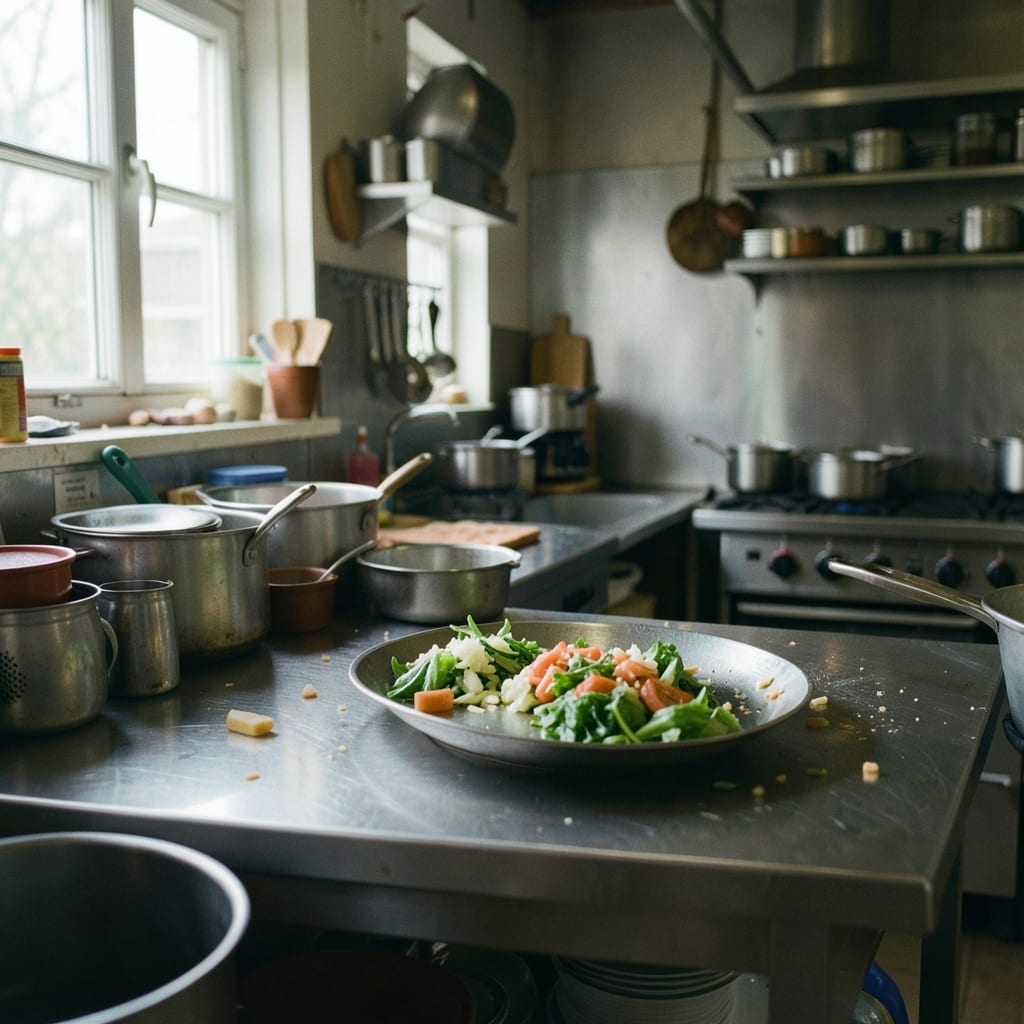
It started with one sear that kept failing
The first time I tried reverse searing a ribeye, the crust came off in flakes instead of a deep, crackling brown. The meat was still raw inside, the edges greasy but not crisp, and the smoke from the grill filled the backyard like a mistake.
It was August, the air thick with humidity, and the steak sat on the grill for twenty minutes—too long, too uneven, the thermometer buried too deep in the meat.
I adjusted the heat, moved the coals closer, but the next attempt just made it worse: the outside burned black before the inside hit 115°F. The smoke alarm went off, and my neighbor knocked on the door to ask if everything was okay.
I’d watched videos where the sear looked like glass, heard chefs talk about ‘caramelizing the sugars’—but mine just looked like a failed experiment.
The problem wasn’t the recipe. It was the fire. The grill, the wind, the way the coals shifted when I opened the lid—none of it behaved like it was supposed to. I’d read that searing was about timing and temperature, but in my backyard, it was about luck.
And luck wasn’t enough.
Nine tries before it worked
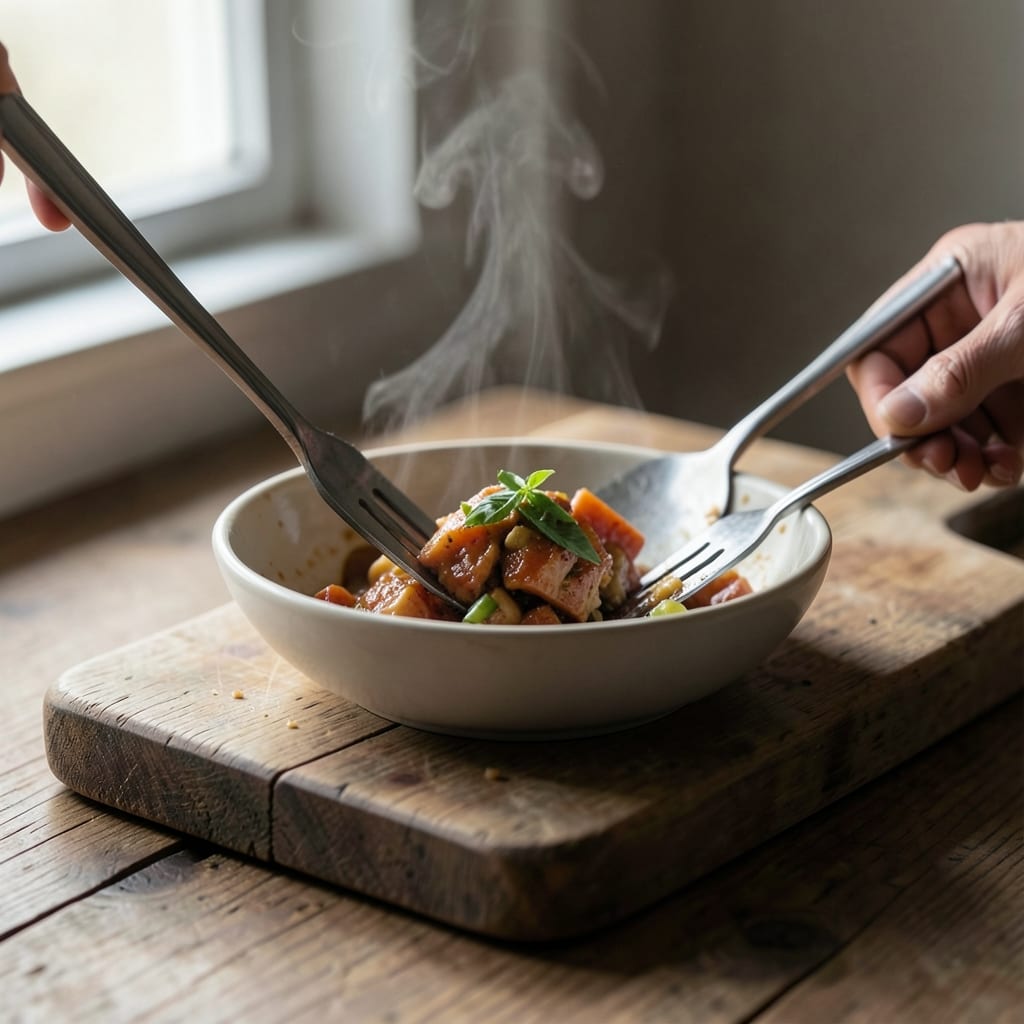
The second time, I used a cast-iron skillet indoors first, then finished it on the grill. The crust was better, but the meat was dry by the time it hit the plate.
The third try, I let the steak rest too long before searing—it lost all its heat and ended up gray. The fourth attempt, I overcompensated and seared it twice, turning it into a charred brick.
By the fifth try, I’d bought a meat thermometer with an instant-read probe and a digital timer. I seared for exactly two minutes per side, then moved it to indirect heat. The crust was still patchy, but the inside was perfect.
The sixth try, I preheated the grill for an hour before cooking. The seventh, I brined the steak overnight. The eighth, I used a torch to finish the crust—it worked, but it tasted like a restaurant, not a backyard.
The ninth time, I did all of it right: the skillet for the initial sear, the grill for the slow cook, the rest in a warm towel, and no peeking. The crust held, the smoke cleared, and the meat fell apart when I cut into it.
It wasn’t perfect—there was still a little unevenness—but it was *mine*. And that’s when I realized: fire doesn’t follow rules. It follows what you make it do.
The mind behind these pages

That’s me—Priya Marchetti, the one who stood on a stool at five years old watching my grandpa flip pancakes like it was nothing. Now I’m the one flipping steaks, adjusting coals, and writing down every mistake so someone else doesn’t have to make them. My role here?
To turn fire into flavor, one sear at a time.
I’m the kind of person who tries something nine times before admitting it’s not working. My grandpa used to say I had ‘a stubborn streak thinner than a knife blade’—which is why I’m still here, long after most people would’ve given up.
The habit cost me a few grills, a smoke alarm, and more burnt dinner invitations than I can count, but it also taught me that the best meals aren’t just recipes. They’re lessons.
When I’m not in the kitchen, I’m probably in a library, reading old cookbooks or botany texts—there’s something about how plants grow that reminds me of how meat cooks.
Give me a garden and a grill, and I’ll happily spend a weekend debating the perfect soil mix for tomatoes while also perfecting a dry rub.
That first failed sear? It’s still the reason I’m here. Because the only way to learn fire is to let it teach you—even when it burns.
Everything here is written the way that sear was
Every recipe on this site starts as a charred mess, a greasy overcook, or a crust that falls apart. We don’t edit out the failures—we write them down first.
The notes from those nine tries become the ‘why’ behind the steps, the ‘watch for this’ warnings, and the ‘if it goes wrong’ fixes.
Months later, when a recipe gets updated, we go back to the original mistakes. Was the rest time too short? Did the grill temperature fluctuate? The answers get rewritten, but the failures stay in the margins—because that’s where the truth lives. A perfect sear is just the last step.
The real work was in the burns before it.
That’s why every page has two timelines: the one you read, and the one we lived. The published version is the ninth try. The rest? That’s the fire talking.
What that means for you
You’ll find no ‘foolproof’ recipes here—only ones that have survived their own failures. Every step is written for the moment when things go wrong, because that’s when you’ll need it. And if a recipe doesn’t work for you? Send us the details. We’ll add your fix to the next version.
What you won’t find are vague instructions, pretty photos that lie, or steps that assume you already know what to do. Fire doesn’t care about assumptions. Neither do we.
If a recipe here didn’t work for you—or if you made it work in a way that surprised even us—tell us how. The best fixes come from the people who try, fail, and try again. What happened? What did you change?
The recipes are grouped by category: Appetizers, Beverages, Breakfast & Brunch, Desserts, Main Courses and Salads.