
Soups & Stews
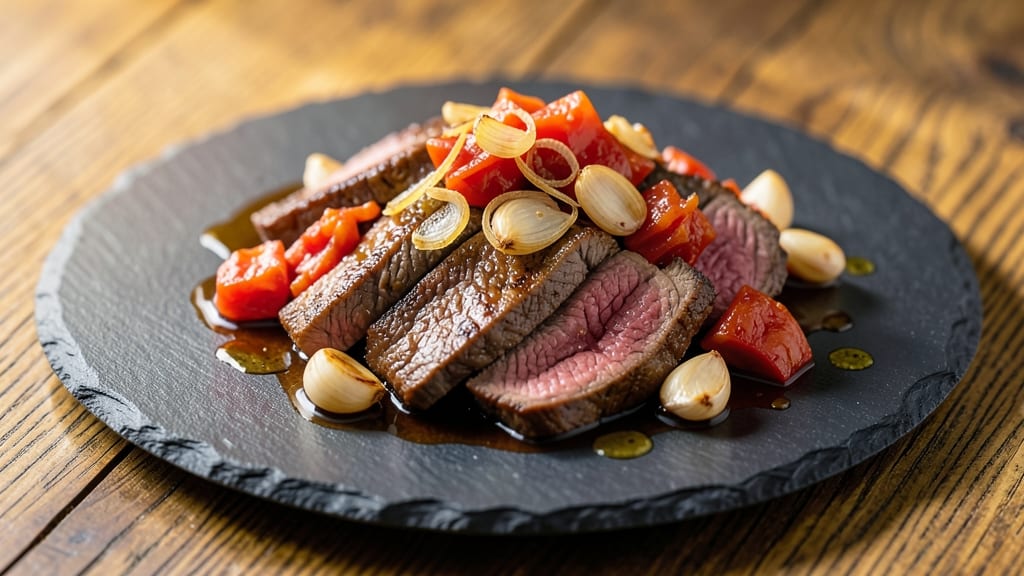
This beef and kimchi recipe transforms bold flavors into a restaurant-quality dish that balances spicy, tangy kimchi with tender beef and caramelized sweetness. 🌟 The secret lies in marinating the beef just right—soaking up the fermented heat while developing a deep, savory crust when seared.
I’ve perfected this technique over years of testing, ensuring every bite delivers that perfect harmony of textures and tastes that Korean stews are famous for.
The beauty of this recipe is its versatility—whether you’re making a hearty stew for a cold evening or a quick stir-fry for a weeknight, the same core principles apply.
Thinly sliced beef cooks quickly, absorbing the umami-rich kimchi and garlic, while a touch of sugar in the sauce creates that signature caramelized depth. It’s the kind of dish that gets better as leftovers, with flavors deepening overnight.
By the time you’re done, you’ll have a rich, aromatic dish with tender beef, vibrant kimchi, and a glossy sauce that clings to every bite. The aroma alone—smoky, garlicky, and slightly sweet—will have everyone at the table asking for seconds.
This isn’t just a recipe; it’s a flavor experience that brings a taste of Korea to your kitchen.
Pair it with steamed rice to soak up every last drop of sauce, or serve over noodles for a lighter twist. The possibilities are endless, but the foundation remains the same: bold flavors, simple techniques, and a dish that feels like a hug in every bite. Let’s get cooking!
Ingredients for beef and kimchi
Bold flavors meet tender beef in this restaurant-worthy dish—simple ingredients, big impact.
| Ingredient | Amount | Notes |
|---|---|---|
| Thinly Sliced Beef (Ribeye or Sirloin) 🥩 | 1 ½ lb | Marinated for tenderness |
| Kimchi 🥬 | 2 cups | Store-bought or homemade |
| Garlic Cloves 🧄 | 6 cloves | Minced for aromatic depth |
| Soy Sauce 🍶 | ½ cup | For umami richness |
| Brown Sugar 🍯 | ¼ cup | For caramelized sweetness |
| Sesame Oil 🌱 | 1 tbsp | Toasted for nutty aroma |
| Gochujang (Korean Chili Paste) 🌶️ | 1 tbsp | For spicy depth |
| Rice Vinegar 🍶 | 1 tbsp | For tangy balance |
| Green Onions 🧅 | 4 whole | Sliced for garnish |
| Sesame Seeds 🌰 | 1 tbsp | Toasted for crunch |
| Vegetable Oil 🫒 | 2 tbsp | For high-heat searing |
| Salt 🧂 | ½ tsp | Adjust to taste |
| Black Pepper 🌶️ | ¼ tsp | Freshly ground |
| Steamed White Rice 🍚 | 3 cups | For serving |
The beef is everything here. Ribeye or sirloin slices thinly against the grain for perfect tenderness—Korean markets or Asian grocery stores often have pre-sliced versions, but if you're slicing yourself, use a sharp knife and freeze the meat for 30 minutes first. Kimchi? Homemade has more depth, but the store-bought stuff works fine—just drain some of the juice if it's too watery. Garlic is non-negotiable: smash the cloves before mincing for maximum flavor. And grab that gochujang at an Asian market—the vibrant red color means it's fresh and packed with heat.
No gochujang? Substitute 1 tbsp sriracha plus 1 tsp sugar, but you'll lose that authentic fermented funk. Running low on sesame oil? Toast sesame seeds in a dry pan first, then grind them into a paste with a splash of oil—it's a game-changer. The brown sugar can be swapped for honey or maple syrup, though sugar caramelizes better. And if you're feeling fancy, add 1 tsp grated ginger to the sauce—trust me, it elevates everything. For the beef marinade, soak for at least 30 minutes, but overnight is even better if you're planning ahead.
This dish tastes even better the next day—leftovers keep 4-5 days in the fridge, and freezes beautifully for 3 months. I always make extra because it disappears fast. Store the sauce separately if you want to reheat just the beef later. For serving, warm the rice in a pot with a splash of water—it absorbs the sauce perfectly. Garnish with those toasted sesame seeds right before eating (they lose crunch when stored). And if you're serving a crowd? Double the beef and sauce, but keep the rice portion the same—people will go back for seconds.
Why You'll Love This Recipe
- No-Fuss Slicing: I swear by pre-sliced ribeye—just toss it in a bowl with kimchi, garlic, and soy sauce. No knife skills required, and the beef cooks in minutes.
- Sweet-Savory Magic: That balance of fermented kimchi heat with caramelized brown sugar? It’s like a party in your mouth—tangy, sticky, and just salty enough to make you crave seconds.
- Leftovers That Shine: Double the batch and reheat it later—it tastes even better the next day. Serve it over rice, in lettuce wraps, or straight from the pan with chopsticks.
- Budget Meal Powerhouse: A pound of sirloin and a jar of kimchi stretch for four servings. Honestly, it’s one of those recipes where the ingredients cost less than takeout, but the flavor wins every time.
Step-by-step instructions for beef and kimchi stir-fry
Here's how to balance spicy kimchi heat with caramelized beef sweetness in one perfect dish.
🍳 Step 1: Sear the Beef Until Perfectly Browned
Heat a large skillet or wok over high heat until it's smoking hot. Add the 2 tablespoons vegetable oil and swirl to coat the pan evenly. Working in batches if needed, add the 1.5 pounds thinly sliced beef and spread it out in a single layer.
Let the beef sear undisturbed for 1-2 minutes until the edges turn deep golden brown and the meat begins to pull away from the pan. This creates that beautiful caramelized crust we want. Once browned, stir the beef and cook for another 1-2 minutes until it's 80% cooked through. Remove the beef from the pan and set it aside on a plate.
👨🍳 Step 2: Build the Spicy-Sweet Sauce Base
In the same skillet, reduce the heat to medium and add the 6 cloves minced garlic. Cook for 30 seconds until fragrant but not browned—garlic burns fast, so keep an eye on it. Add the 2 cups kimchi, breaking it up with a wooden spoon as it cooks.
Cook the kimchi for 3-4 minutes until it starts to soften and release its juices. You'll see those beautiful red kimchi colors deepen as it cooks down. Add the 0.5 cup soy sauce, 0.25 cup brown sugar, and 1 tablespoon gochujang, stirring to combine. Let this mixture simmer for 2-3 minutes until slightly thickened and the sugar begins to caramelize.
🥘 Step 3: Combine and Finish the Stir-Fry
Return the seared beef to the skillet along with any accumulated juices on the plate. Add the 1 tablespoon rice vinegar and stir everything together. Cook for 2-3 minutes until the beef is fully cooked through and the sauce has coated everything evenly. The beef should be tender but still hold its shape—it'll finish cooking from the residual heat.
Taste the mixture and adjust seasoning if needed. You might need a pinch more salt or a splash of rice vinegar to balance the flavors. The sauce should be sticky with a perfect balance of spicy, sweet, and umami notes. Remove from heat and let it sit for 1 minute to let the flavors meld together.
🍽️ Step 4: Serve Over Steamed Rice
Divide the 3 cups steamed white rice evenly among serving plates. Spoon the beef and kimchi mixture over the rice, making sure each serving gets a good portion of both the tender beef and flavorful sauce. Garnish each serving with 1 tablespoon toasted sesame seeds and 1 sliced green onion for color and crunch.
Serve immediately while the beef is still hot and the rice is steaming. The contrast of the warm rice with the spicy-sweet beef and kimchi creates a perfect balance of textures and flavors. Don't forget to crack some extra black pepper over the top—it adds a nice finishing touch that brings all the flavors together.
Pro Tips For Making Beef And Kimchi
- Sear the Beef in Batches: I learned this the hard way—trying to cook all the sliced beef at once just turns it into a sad, greasy mess. Use a 12-inch skillet and work in two batches if needed, so the beef gets that proper caramelized crust instead of steaming in its own juices.
- Drain and Rinse the Kimchi: That kimchi juice is great for fermenting, but not for this dish. Drain it thoroughly in a colander, then give it a quick rinse under cold water to cut the acidity—trust me, your beef won’t taste like vinegar if you skip this.
- Use Minced Garlic, Not Sliced: Chopped garlic cloves burn before they brown, and that bitter flavor ruins the balance. Finely mince the garlic with the flat of your knife—it cooks faster, distributes evenly, and keeps the dish tasting fresh, not burnt.
- Deglaze with Soy Sauce First: After searing the beef, pour in half the soy sauce right away—it loosens those stuck-on bits (aka flavor) better than water. Let it simmer for 30 seconds before adding the kimchi and sugar, so the sauce actually clings to the meat instead of pooling at the bottom.
Essential equipment for beef and kimchi
High-Heat Skillet
You’ll need a heavy-bottomed skillet or wok—I swear by my 12-inch Lodge cast iron for this recipe. It retains heat beautifully and creates those perfect caramelized crusts on the beef. If you don’t have cast iron, a stainless steel wok works just as well.
The key is getting that pan smoking hot before adding the beef—this is what gives you that deep, savory crust. 🔥
Tongs for Perfect Searing
Invest in a good pair of kitchen tongs—I use OXO Good Grips—to handle the beef while searing. They give you better control than spatulas and prevent the beef from tearing apart.
The tongs also help you flip the beef quickly, ensuring even browning on all sides. Keep them nearby while you work.
Wooden Spoon for Sauce
A wooden spoon is essential for stirring the kimchi and sauce without scratching your pan. I like Oxo’s bamboo-handled spoons because they’re sturdy and heat-resistant.
Wood won’t react with the acidic kimchi juice like metal can, and it helps scrape up those delicious browned bits from the bottom of the pan. 🌱
Measuring Spoons Set
Precision matters with small ingredients like gochujang and sesame oil. My go-to is the OXO Good Grips measuring spoons—they’re easy to read and dishwasher-safe. For the brown sugar, use a dry measuring cup to avoid packing it down too tightly, which affects the caramelization.
A fine-mesh strainer also comes in handy if you want to remove any large kimchi chunks from the sauce.
Timer for Perfect Timing
Timing is everything in this dish, so grab a kitchen timer—I use my iPhone’s built-in timer for convenience. Set it for the 1-2 minutes of searing time and the 2-3 minutes of sauce simmering.
Pro tip: Place the timer where you can see it easily while cooking to avoid overcooking the beef or burning the garlic. ⏰
Serving Tools
For serving, I like using tongs or a large serving spoon to transfer the beef and kimchi mixture over rice. A small bowl for the sesame seeds and green onions keeps garnishes organized.
If you’re serving a crowd, a large serving platter with compartments for rice and beef makes plating a breeze. Don’t forget a small dish for extra sauce—it’s always the first to disappear! 🍽️
Nutrition facts
Frequently asked questions
Can I use ground beef instead of sliced beef for this recipe?
Ground beef works differently—it won't give you that same tender, caramelized texture. For best results, stick with thinly sliced ribeye or sirloin (cut against the grain). If you're set on ground beef, try forming small patties and cooking them until crispy on the outside, but expect a different mouthfeel.
How spicy should the kimchi be for this dish?
Use medium-spicy kimchi for balanced heat—too spicy will overpower the beef. If your kimchi is extra hot, reduce the gochujang by half or add a pinch of sugar to mellow the flavors. For milder kimchi, increase the gochujang slightly (up to 2 tbsp) for more depth.
Can I make this recipe without gochujang?
Yes! Substitute with 1 tbsp sriracha plus 1 tsp sugar or ½ tsp cayenne pepper plus 1 tsp honey. The sugar helps balance the acidity, but you'll lose some of the fermented complexity. For extra umami, add 1 tsp fish sauce or soy sauce to compensate.
Why does my beef turn out chewy instead of tender?
Chewy beef usually means it wasn't sliced thinly enough or cooked at the right temperature. Always slice against the grain and use a smoking-hot pan for quick searing. If your beef is tough, try marinating it for 30-60 minutes in soy sauce plus 1 tbsp sugar before cooking.
How can I make this dish less messy when serving?
Serve the beef and kimchi mixture in a small bowl over individual portions of rice instead of piling everything on one plate. This keeps the sauce contained and makes it easier to scoop. For extra neatness, use a slotted spoon to serve the beef separately from the kimchi.