
Soups & Stews
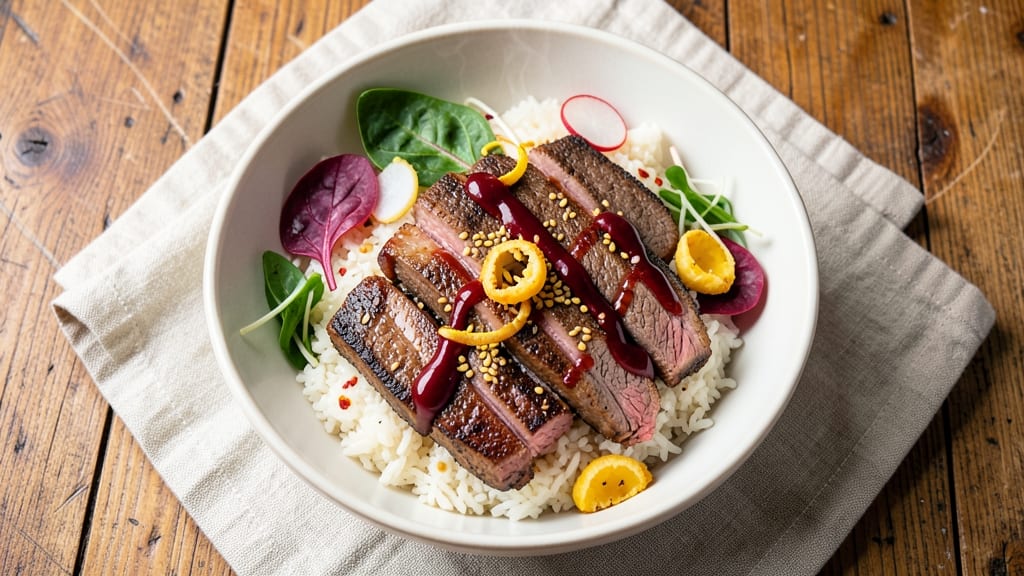
This beef bibimbap bowl recipe transforms a traditional Korean dish into a protein-packed powerhouse that balances heat, texture, and bold flavors. The foundation lies in perfectly seasoned rice, tender beef strips, and vibrant sautéed vegetables arranged in a visually stunning bowl.
I've refined this recipe over years of testing, ensuring each component delivers maximum flavor while keeping the assembly process simple enough for weeknight dinners.
The magic begins with the beef—thinly sliced ribeye or sirloin marinated in a blend of soy sauce, sesame oil, and gochujang for a perfect balance of sweet, spicy, and umami.
While the beef cooks, you'll prepare the rice with a touch of sesame oil and salt, then assemble the bowl with crisp-tender spinach, caramelized mushrooms, and julienned zucchini. The vegetables are sautéed separately to maintain their individual textures, creating a satisfying contrast with every bite.
What sets this bibimbap apart is the layered experience: the warm, slightly chewy rice serves as a canvas for the spicy-sweet beef, the crisp vegetables add freshness, and the optional fried egg on top ties everything together.
The traditional gochujang sauce brings it all together with its signature tangy-spicy kick, while a sprinkle of sesame seeds adds nutty depth. This isn't just a bowl—it's a complete meal with protein, vegetables, and complex flavors in every bite.
Perfect for meal prep or an impressive dinner, this recipe scales easily for one or four. The components can be prepared ahead and assembled quickly, making it ideal for busy schedules.
Whether you're introducing Korean flavors to your table or perfecting a favorite dish, this beef bibimbap delivers restaurant-quality results at home.
Ingredients for beef bibimbap bowl
These vibrant ingredients transform simple rice and beef into a restaurant-worthy bibimbap experience.
| Ingredient | Amount | Notes |
|---|---|---|
| Short-Grain White Rice 🍚 | 1 ½ cups | Uncooked, jasmine or sushi rice preferred |
| Ribeye Steak 🥩 | 1 lb | Thinly sliced against grain, ribeye or sirloin |
| Gochujang 🌶️ | 2 tbsp | Korean fermented chili paste |
| Sesame Oil 🫒 | 2 tbsp | Toasted sesame oil for flavor |
| Soy Sauce 🥫 | 3 tbsp | Low-sodium preferred |
| Spinach 🌿 | 4 cups | Baby spinach, loosely packed |
| Shiitake Mushrooms 🍄 | 8 whole | Fresh, stems removed |
| Zucchini 🥒 | 1 medium | Julienned into thin strips |
| Garlic Cloves 🧄 | 4 cloves | Minced for marinade |
| Sesame Seeds 🌰 | 1 tbsp | Toasted for garnish |
| Large Eggs 🥚 | 4 whole | Optional fried egg topping |
| Vegetable Oil 🫒 | ¼ cup | For stir-frying vegetables |
| Salt 🧂 | 1 ½ tsp | Kosher or sea salt |
| Black Pepper 🌶️ | ½ tsp | Freshly ground |
The beef is everything here—ribeye or sirloin sliced paper-thin against the grain for perfect tenderness. Grab pre-sliced beef at Korean grocery stores if you're short on time, but slicing yourself makes all the difference. For the rice, jasmine or sushi rice gives that signature chewy texture. If you can't find either, short-grain white rice works in a pinch. The gochujang? Maesil Gochujang from the Korean section is the gold standard—it's sweeter and less bitter than the generic brands.
No sesame oil? Toasted peanut oil at half the amount works in a bind, though it won't have that nutty aroma. Skip the spinach? Substitute bok choy or Swiss chard—just blanch it first to soften. The zucchini needs to stay crisp, so julienne it right before assembling—no soggy veggies here. For the mushrooms, shiitake stems are edible, but if you're using cremini, save the stems for broth. The optional fried eggs? Runny yolks are non-negotiable—use cold eggs straight from the fridge for that perfect center.
Rice keeps 3-4 days in the fridge, so make extra—it's the base for everything. The beef and veggies? 2 days max before flavors fade. Store components separately in airtight containers. For meal prep, assemble bowls day-of to keep everything crisp. The gochujang sauce? Freezes beautifully for 3 months—just thaw in the fridge before using.
Why You'll Love This Recipe
- No Rice Burner: I swear by this method—just cook the short-grain rice the night before and reheat it. That crispy, slightly sticky texture? Chef’s kiss. No more waiting for perfect grains while everything else burns.
- Umami Bomb: The ribeye’s juicy, caramelized edge with gochujang’s smoky kick? It’s like a flavor party in your mouth. Drizzle that sesame oil at the end—trust me, you’ll want to lick the bowl.
- Lunchbox Hero: Between us, this is my go-to for meal prep. Assemble the bowls fresh, but the rice and steak keep for days. Cold rice? Still perfect. Leftover steak? Even better reheated with a splash of soy sauce.
- Budget Flex: Ribeye might sound fancy, but you’re using a small cut—no waste. Gochujang and sesame oil stretch far, and rice fills everyone up. Honestly, it’s my $15 feed-four solution that feels like a restaurant meal.
Step-by-step instructions for beef bibimbap bowl
Here's how to assemble this vibrant, flavor-packed dish with restaurant-quality results.
Prepare the Spicy Gochujang Rice
Rinse the 1.5 cups short-grain white rice thoroughly under cold water until the water runs clear, then drain. Cook the rice according to package instructions, but use 1.5 cups water instead of the recommended amount—this creates a slightly firmer texture perfect for bibimbap. Once cooked, transfer the rice to a large bowl and let it cool slightly.
In a small bowl, mix together 2 tablespoons gochujang, 2 tablespoons toasted sesame oil, and 1.5 teaspoons salt. Gently fold this mixture into the warm rice until evenly distributed. The rice should take on a vibrant red hue and develop a subtle spicy aroma. Let the rice sit at room temperature while you prepare the remaining components—this makes it easier to assemble later.
Marinate and Cook the Ribeye Steak
Slice the 1 lb ribeye steak thinly against the grain into ¼-inch thick strips. In a small bowl, whisk together 3 tablespoons low-sodium soy sauce, 1 tablespoon toasted sesame oil, 4 cloves minced garlic, 0.5 teaspoon black pepper, and 1 teaspoon salt. Add the steak strips to this marinade and toss to coat evenly. Let the steak marinate for at least 15 minutes at room temperature.
Heat 0.25 cup vegetable oil in a large skillet over medium-high heat until shimmering. Working in batches, add the marinated steak and cook for 2-3 minutes per side until deep golden brown and cooked to your preferred doneness. The steak should be tender but still slightly firm to the touch. Transfer the cooked steak to a plate and tent loosely with foil to keep warm.
Stir-Fry the Vegetables
In the same skillet (no need to clean it—the fond adds flavor), heat 1 tablespoon vegetable oil over medium-high heat. Add the 8 whole shiitake mushrooms (stems removed) and cook for 3-4 minutes until the edges are deep golden brown and slightly caramelized. Remove the mushrooms and set aside.
Add 1 tablespoon vegetable oil to the skillet and stir-fry the 1 medium zucchini (julienned) for 2 minutes until just tender-crisp. Add the 4 cups baby spinach and cook for 1-2 minutes until wilted but still vibrant green. Return the mushrooms to the skillet and toss everything together. Season lightly with 0.5 teaspoon salt and 0.25 teaspoon black pepper—the vegetables should retain their bright colors and crisp-tender texture.
Fry the Eggs and Assemble the Bowls
Heat 1 tablespoon vegetable oil in a separate skillet over medium heat. Crack the 4 whole large eggs into the skillet and fry until the whites are set but still slightly runny in the center—about 2-3 minutes per side. Transfer the eggs to a plate and keep warm.
To assemble each bowl, place a generous portion of the spicy gochujang rice in the center of a serving plate. Arrange the cooked steak strips, stir-fried vegetables, and fried egg artfully around the rice. Drizzle with an additional ½ teaspoon toasted sesame oil per bowl and sprinkle with ¼ teaspoon sesame seeds for garnish. Serve immediately with a small side of extra gochujang for those who crave more heat.
Pro Tips For Making Beef Bibimbap Bowl
- CRANK THE HEAT FOR STEAK: High heat is non-negotiable for ribeye in bibimbap—crank your pan to screaming hot and walk away for 30 seconds after adding oil. I used to rush this, and the steak would steam instead of sear, turning out greasy instead of caramelized. Let that pan get so hot the oil shimmers like it’s about to catch fire.
- SALT THE RIBEYE BEFORE SEARING: Pat the steak dry, then hit both sides with kosher salt before hitting the pan. The salt draws out moisture, ensuring a better crust—no more sticking or sad, under-seasoned edges. (Yes, even if you’re impatient like me, wait 5 minutes for the salt to work its magic.)
- DON’T OVERMIX THE GOCHUJANG SAUCE: Stir the gochujang with soy sauce and sesame oil just until combined—lumps are fine, but a smooth paste is crucial for that silky, clingy sauce. I learned this the hard way when I puréed it into oblivion; now I leave it slightly textured for that authentic bite.
- USE COLD RICE FOR ASSEMBLY: Let your freshly cooked rice cool to room temperature before building the bowl—warm rice turns mushy when mixed with the gochujang and other toppings. I skip the fridge and just let it sit in the pot for 10 minutes; it’s the only way to keep the grains intact when you fold everything together.
Dietary considerations for these flavors
Gluten-Free Adaptations
Bibimbap is naturally gluten-free, but watch for hidden gluten in sauces and seasonings. Use tamari instead of soy sauce to avoid gluten—it has the same umami depth without the wheat. For the gochujang rice, ensure your gochujang is certified gluten-free (brands like Maesil or Cup Noodles Gochujang are safe).
Double-check sesame oil and sesame seeds for cross-contamination warnings if you have severe gluten sensitivities. 🌱
Low-Carb Options
Swap the short-grain rice for cauliflower rice to cut carbs dramatically. Toast it first in 1 teaspoon sesame oil for 3 minutes to enhance flavor, then mix with 1 tablespoon gochujang and ½ teaspoon salt.
The beef and veggies remain the same, but you’ll save 40-50g carbs per bowl. For extra heartiness, add ¼ cup chopped peanuts on top—they add crunch and healthy fats.
Dairy-Free Adjustments
Skip the fried egg if you’re avoiding dairy, or use flax eggs (1 tablespoon ground flaxseed + 3 tablespoons water per egg). For extra protein, top with avocado slices or crispy tofu cubes sautéed in sesame oil.
The gochujang rice and veggies are already dairy-free, but check your sesame oil for shared facility warnings if you have severe allergies. 🥑
Protein Swaps
Need a non-beef option? Try grilled chicken thighs marinated in the same sauce, or extra-firm tofu pressed and pan-fried until crispy. For seafood lovers, shrimp sautéed with garlic and sesame oil works beautifully—just cook for 2-3 minutes per side to avoid overcooking. Keep the veggie prep identical for consistent texture.
Kid-Friendly Version
Reduce the spice by cutting gochujang in half (use 1 tablespoon instead of 2) and replace spinach with steamed broccoli florets for a milder flavor. Serve the beef and veggies on the side so kids can build their own bowls.
Add a drizzle of honey (just ½ teaspoon per bowl) to balance the savory notes—it’s a sneaky way to add sweetness without overpowering the dish. 👶
Nutrition facts
Frequently asked questions
Can I make beef bibimbap ahead of time?
Prep all components separately and store them in airtight containers. The rice keeps for 3-4 days in the fridge, while the beef and veggies stay fresh for 2 days. Assemble bowls just before serving to maintain crisp textures. The gochujang sauce freezes beautifully for 3 months—thaw overnight in the fridge.
What if I don't have gochujang?
Mix 1 tablespoon sriracha with 1 tablespoon honey and ½ teaspoon smoked paprika for a quick substitute. For deeper flavor, blend 1 tablespoon tomato paste, ½ teaspoon garlic powder, and ¼ teaspoon cayenne with 1 tablespoon water. The texture won't be identical, but it'll add the right spicy-sweet kick!
How do I slice beef for bibimbap?
Freeze the beef for 20-30 minutes first—it firms up for easier slicing. Cut against the grain into ¼-inch thick strips. Use a sharp knife and slice at a 45-degree angle for uniform thickness. For extra tenderness, slice while still slightly frozen, then let it thaw in the marinade for 15 minutes before cooking.
Can I make this recipe without a wok?
Yes! Use a large skillet or frying pan. For best results, choose one with a flat bottom and high sides. Work in batches if needed—don't overcrowd the pan. The key is maintaining medium-high heat to get those crispy edges on the beef and veggies. A cast-iron skillet works beautifully for retaining heat.
Why is my rice mushy?
Mushy rice usually means too much water or insufficient draining. Rinse the rice thoroughly until the water runs clear, then use 1.5 cups water for 1.5 cups uncooked rice. Let it sit covered for 10 minutes after cooking before opening the lid. For extra firmness, spread the rice on a tray to cool slightly before mixing with gochujang.