
Main Courses
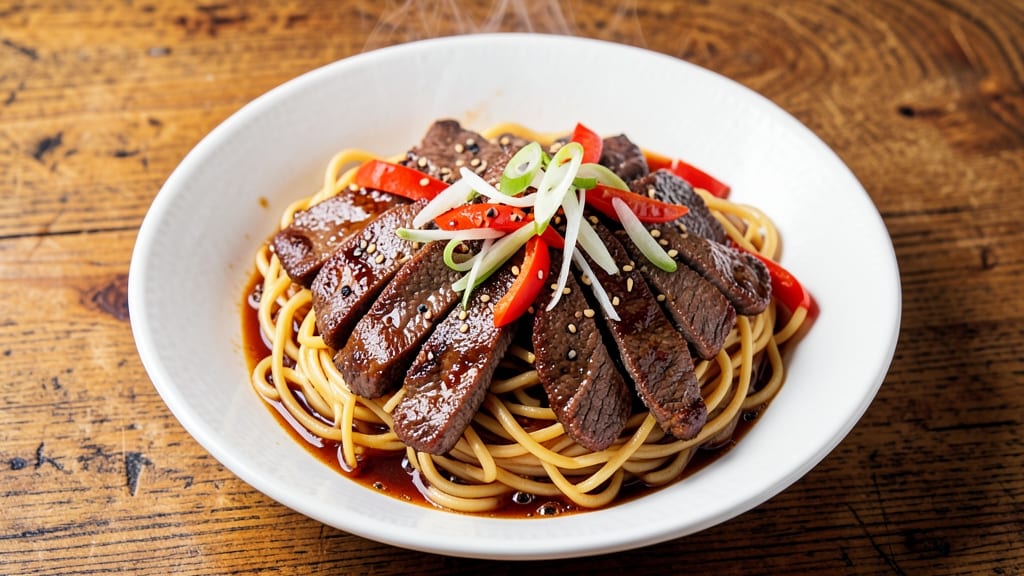
This Asian beef stir fry recipe with noodles delivers restaurant-quality flavor in under 30 minutes—no takeout required. I perfected this wok-tossed dish after years of testing, balancing tender beef, silky noodles, and that signature umami crunch of stir-fried aromatics. The secret lies in high-heat searing and proper noodle preparation, which transforms simple ingredients into a dish that tastes like you've been cooking for hours.
What sets this recipe apart is the marination: a blend of soy sauce, garlic, ginger, and a touch of brown sugar that tenderizes the beef while building deep flavor.
The noodles get a quick pre-cook in boiling water, then a final toss in the wok with the beef and vegetables—this two-step method ensures they stay silky rather than mushy. I've included a simple sauce that's tangy, slightly sweet, and packed with umami from sesame oil and fish sauce.
When you're done, you'll have perfectly seared beef strips with a caramelized crust, vibrant vegetables that stay crisp-tender, and noodles that are just al dente—coated in a glossy sauce that ties everything together.
The aroma alone will have everyone gathering at the table. This dish scales beautifully for crowds, reheats well, and even tastes better the next day.
Serve it over steamed rice for extra heartiness or as-is for a satisfying bowl. The technique is straightforward, but the results are anything but basic—this is the kind of weeknight dinner that feels special without requiring a fancy recipe. Ready to make it?
Ingredients for asian beef stir fry recipe with noodles
Restaurant-quality Asian beef stir fry starts with these 15 ingredients—simple but transformative when combined.
| Ingredient | Amount | Notes |
|---|---|---|
| Flank Steak 🥩 | 1 lb | Thinly sliced against grain |
| Egg Noodles 🍜 | 8 oz | Fresh or dried, any width |
| Low-Sodium Soy Sauce 🍶 | ⅓ cup | For marination and sauce |
| Sesame Oil 🫒 | 1 tbsp | Toasted, for aroma |
| Fish Sauce 🍶 | 1 tbsp | For umami depth |
| Brown Sugar 🍚 | 1 tbsp | Light or dark |
| Garlic Cloves 🧄 | 6 cloves | Minced, fresh preferred |
| Fresh Ginger 🌿 | 1 ½ tbsp | Grated, peeled |
| Bell Peppers 🧅 | 2 whole | Any color, sliced thin |
| Carrots 🥕 | 2 whole | Julienned or matchstick |
| Green Onions 🧅 | 3 whole | White and green parts |
| Vegetable Oil 🫒 | 2 tbsp | High smoke point |
| Cornstarch 🌾 | 1 tbsp | For tenderizing beef |
| White Wine Vinegar 🍶 | 1 tbsp | For tangy balance |
| Sesame Seeds 🌱 | 1 tbsp | Toasted, for garnish |
The flank steak is non-negotiable here—its lean texture sears beautifully while staying tender. Look for well-marbled cuts at your butcher or the meat department, and ask for it sliced against the grain for that signature silky bite. I prefer Costco or Whole Foods for consistent quality, but any reputable grocery store will have it. Fresh ginger and garlic should smell vibrant, not musty—a quick sniff test saves you from bland flavors. For the noodles, fresh egg noodles hold up best to the wok's high heat, but dried works in a pinch if you're short on time. The low-sodium soy sauce is key—it gives you control over salt levels later.
No flank steak? Sirloin or ribeye sliced thin will work, though they'll be slightly less tender. Substitute coconut aminos for soy sauce if you're avoiding gluten. The vegetable oil can be swapped for peanut or avocado oil, but avoid olive oil—it burns too easily. For extra umami without fish sauce, mushroom powder or a dash of MSG does the trick. The cornstarch isn't just for thickening—it tenderizes the beef when massaged in. If you're prepping ahead, marinate the beef for up to 4 hours (no longer, or it'll get mushy), and keep the sauce ingredients separate until ready to combine. The bell peppers can be swapped for broccoli or snap peas—whatever's in season at your local Asian market or grocery store.
This dish reheats like a dream—even better the next day as flavors meld. Store leftovers in an airtight container for 4-5 days, or freeze for up to 3 months by portioning into single servings. The noodles dry out fast when reheated, so add a splash of water or broth when warming. For meal prep, cook the beef and sauce separately, then toss with freshly cooked noodles. The sesame seeds should be toasted in a dry pan for 30 seconds before garnishing—that extra minute makes all the difference in aroma and crunch. Serve over steamed rice if you're feeding a crowd, or as-is for hearty bowls.
Why You'll Love This Recipe
- Foolproof Protein Prep: The flank steak slices itself like butter after a quick 10-minute marinade in soy and fish sauce—no fancy knife skills needed. I swear, even my roommate who burns toast can handle this part.
- Umami Bomb Combo: That sesame oil hit? It’s the secret weapon. A single teaspoon at the end transforms the dish from "good" to "I’d drive 20 minutes for this again." The fish sauce ties everything together—salty, funky, and impossible to resist.
- Lunchbox Hero: Between us, this is my go-to for meal prep. Toss leftover stir fry into containers with a sprinkle of green onions, and boom—five lunches ready. My kids (yes, even the picky one) beg for it by Wednesday.
- Budget Powerhouse: Flank steak stretches across three meals, and egg noodles cost pennies. Honestly, I make this when my grocery budget’s tight, and no one complains. The soy sauce and fish sauce do all the flavor work—no expensive sauces needed.
Step-by-step instructions for wok-tossed Asian beef stir fry
Master this technique and you'll achieve restaurant-quality texture—crispy beef, silky noodles, and vibrant vegetables.
Prep and Marinate the Flank Steak
Slice the 1 lb flank steak thinly against the grain into ¼-inch thick strips. Place the sliced steak in a bowl and sprinkle with the 1 tbsp cornstarch, tossing to coat evenly. This creates a tenderizing crust that prevents toughness during cooking.
In a small bowl, whisk together the 0.33 cup low-sodium soy sauce, 1 tbsp fish sauce, 1 tbsp brown sugar, 1 tbsp white wine vinegar, and 1 tbsp sesame oil. Pour this marinade over the cornstarch-coated beef and toss gently to combine. Let it marinate for at least 15 minutes (up to 30 minutes if possible) at room temperature. The acidity in the vinegar and fish sauce will begin breaking down the meat fibers, ensuring fork-tender results.
Cook the Beef and Prepare Vegetables
Heat a large wok or skillet over high heat until it's screaming hot. Add the 2 tbsp vegetable oil and swirl to coat. Working in batches if needed, add the marinated beef and cook undisturbed for 1-2 minutes until the edges begin to brown and crisp. Stir-fry for another 1-2 minutes until the beef is 80% cooked but still slightly pink in the center. Remove from the wok and set aside.
While the beef cooks, prepare the vegetables. Thinly slice the 2 whole bell peppers and julienne the 2 whole carrots. Separate the 3 whole green onions into white and green parts. Minced the 6 cloves garlic and grate the 1.5 tbsp fresh ginger. Keep all vegetables separate until ready to cook.
Stir-Fry the Vegetables
Return the wok to high heat and add the white parts of the 3 green onions. Stir-fry for 30 seconds until fragrant. Add the minced garlic and ginger, cooking for another 30 seconds until the raw smell disappears. Add the carrots and bell peppers, stir-frying for 3-4 minutes until the vegetables begin to soften but still retain a slight crunch.
Here's the thing—don't overcrowd the pan. Cook the vegetables in batches if needed, setting aside cooked portions as you go. You want everything to cook quickly over high heat to maintain that signature stir-fry texture. The vegetables should be bright and vibrant, not mushy.
Combine and Finish the Stir Fry
Return the cooked beef to the wok along with any accumulated juices. Add the 8 oz egg noodles and toss everything together vigorously for 1-2 minutes until the noodles are heated through and begin to soften. If the mixture seems too dry, add 1-2 tablespoons of water to create steam and help cook the noodles.
Lower the heat to medium and drizzle in the remaining 1 tbsp sesame oil. Taste and adjust seasoning if needed—you may want to add a splash more soy sauce or a pinch of sugar to balance the flavors. The stir-fry should have a perfect balance of salty, sweet, and umami with a hint of tang.
Serve Immediately with Garnish
Transfer the stir-fry to serving plates and garnish with the green parts of the 3 green onions and the 1 tbsp toasted sesame seeds. Serve immediately while everything is hot and vibrant. The beef should be tender with a slight chew, the noodles silky, and the vegetables crisp-tender with a satisfying crunch.
Don't skip the garnish—those sesame seeds add a beautiful finish and a subtle nutty flavor that complements the entire dish. The dish tastes best immediately, so gather everyone around the table for this one!
Pro Tips For Making Asian Beef Stir Fry Recipe With Noodles
- Slice Thin, Then Rest: Flank steak is stubborn—cut it against the grain into ¼-inch strips, then let it sit uncovered on a plate for 10 minutes. This prevents soggy meat later (yes, even if you’re impatient like me).
- Boil Noodles Al Dente: Cook egg noodles one minute less than package instructions, then shock them in ice water. They’ll finish cooking in the wok and stay chewy—not mushy. Trust me, you’ll taste the difference.
- Skip the Overcrowding: Cook the beef in batches if needed—don’t dump everything in at once. A crowded pan steams instead of sears, and you’ll end up with bland, gray meat. Start with half, then add the rest when the first batch is browned.
- Use Sesame Oil Last: A splash of sesame oil at the very end (just before serving) adds aroma without burning. If you toss it in early, it’ll turn bitter and ruin the dish. Save it for that final drizzle—it’s the thing that makes the whole stir-fry smell like a restaurant.
Regional styles of this recipe
Japanese Yakisoba
This Japanese-inspired version swaps beef for pork belly or chicken thigh, but the technique stays the same. Use yakisoba noodles (flat, wheat-based) and a sauce made with tonkatsu sauce (found in Asian markets) mixed with a splash of dashi broth for depth.
I like to add shredded cabbage and shiitake mushrooms for texture. The key is cooking the noodles just until al dente, then tossing them in the wok with the protein and veggies. Garnish with katsuobushi (bonito flakes) and pickled ginger for that authentic touch. 🍜
Thai Beef Larb
For a Thai twist, transform your stir fry into larb-style beef by finely mincing the beef (almost like ground meat) and tossing it with fish sauce, lime juice, toasted rice powder, and fresh herbs like cilantro, mint, and Thai basil.
Swap the noodles for rice noodles or serve over a bed of lettuce cups. The marinade should include chili flakes and minced lemongrass for that signature Thai heat. Serve with lime wedges and crushed peanuts for crunch. 🌶️
Chinese Dan Dan Noodles
This Sichuan-inspired version turns your stir fry into a spicy, nutty bowl of comfort. Use wheat noodles and a sauce made with chili oil, sesame paste, and fermented black beans. Toss in ground pork or beef (or even tofu for a vegetarian option) and bok choy.
The magic happens with Sichuan peppercorns—toast them in a dry pan until fragrant, then grind into a powder. Sprinkle over the dish for that signature tingling, numbing heat. Top with scallions and sesame seeds. ⚡
Korean Bulgogi Stir Fry
Swap the marinade for a bulgogi-style blend of soy sauce, brown sugar, pear puree, and sesame oil. Use ribeye or sirloin sliced thinly, and add kimchi for tangy crunch. Serve over rice instead of noodles, but keep the wok-tossed technique.
Garnish with sesame seeds and thinly sliced green onions. The pear puree (or just apple juice) keeps the beef tender and adds natural sweetness. 🍶
Vietnamese Bún Bò Huế
This Vietnamese adaptation turns your stir fry into a spicy, aromatic bowl with beef broth as the base. Use rice vermicelli noodles and a marinade of fish sauce, shrimp paste, and lemongrass. Add thinly sliced beef, bean sprouts, and herbs like cilantro and Thai basil.
Top with pickled carrots and daikon for tangy contrast. Serve with lime wedges and chili oil on the side. The broth can be simmered separately or added at the end for a lighter touch. 🌿
Singaporean Chili Crab Stir Fry
For a Singaporean-inspired twist, toss your beef with chili crab sauce (or a mix of tomato ketchup, chili sauce, and soy sauce). Add crab sticks or real crab meat for extra richness. Serve over rice noodles or steamed rice with fried shallots and lime wedges.
The sauce should be spicy, sweet, and slightly tangy—balance it with a splash of coconut milk if needed. Garnish with cilantro and crushed peanuts for texture. 🍤
Nutrition facts
Frequently asked questions
Can I use dried noodles instead of fresh egg noodles?
Dried noodles work perfectly—just cook them 1 minute less than package instructions (they'll finish cooking in the wok). For extra flavor, rinse them under cold water after cooking to remove excess starch, then toss them with a tiny bit of oil to prevent sticking. The key is keeping them silky, not mushy.
What's the best way to slice flank steak for stir fry?
Slice it against the grain into ¼-inch thick strips—this ensures tender, bite-sized pieces. Use a sharp knife and lay the steak flat, then cut perpendicular to the muscle fibers. If you're unsure which direction is against the grain, ask your butcher or look for the grain pattern on the meat.
Can I make this stir fry ahead of time?
Yes! Cook the beef and sauce separately, then refrigerate in airtight containers for 4-5 days. When ready to serve, reheat the beef gently and toss with freshly cooked noodles. For best texture, avoid reheating the noodles directly—add them to the wok just before serving. The flavors actually improve overnight!
What if I don't have a wok?
No problem! A large, heavy skillet or even a cast-iron pan works perfectly. The key is using high heat and keeping the ingredients moving. If your pan isn't wide enough, cook in batches—just don't overcrowd, or the beef will steam instead of sear. A nonstick pan can help too, but watch it closely to avoid sticking.
How can I make this spicier?
Add 1-2 teaspoons of chili flakes or ½ teaspoon of red pepper flakes to the marinade, or stir in 1 tablespoon of sriracha with the sauce. For heat with depth, mash 1-2 fresh chili peppers (like Thai or jalapeño) into the sauce. Always taste as you go—you can adjust, but you can't take heat out!