
Main Courses
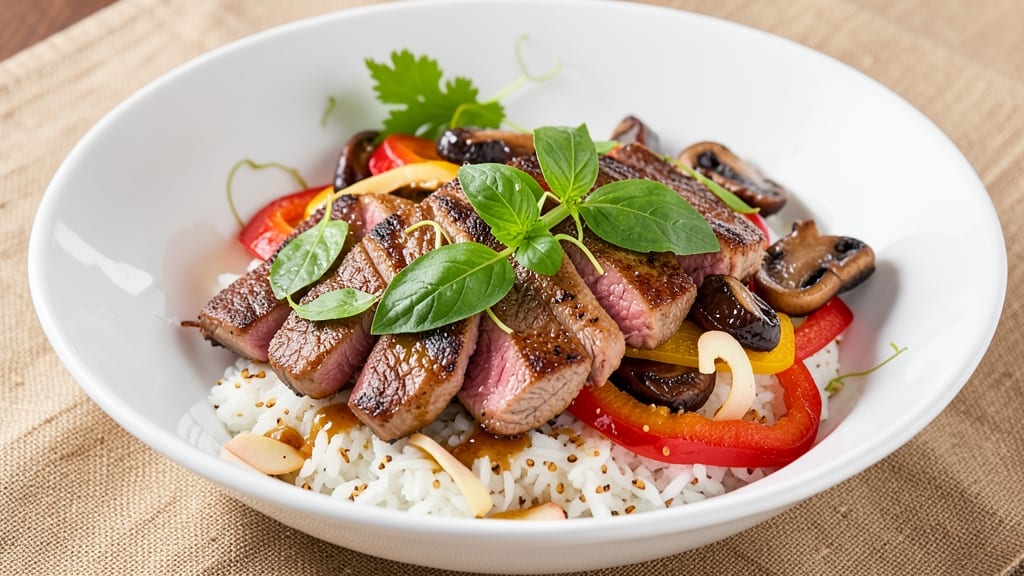
This basil beef stir fry recipe delivers the perfect balance of savory umami and fresh herb brightness in every bite—just like your favorite takeout, but better. 🌟 The secret lies in a quick soy-ginger marinade that tenderizes the beef while building deep flavor, then a fast wok toss that creates that signature "wok hei" smokiness.
I developed this version after years of experimenting with restaurant-style techniques at home, and it never fails to impress.
The beauty of this stir fry is its adaptability—whether you're recreating a classic Hong Kong-style dish or adding modern twists like coconut milk or peanut sauce. We'll start with thinly sliced beef that cooks in minutes, then incorporate fragrant garlic, ginger, and basil that adds a bright, aromatic finish.
The dish comes together in under 30 minutes, making it ideal for weeknight dinners or meal prep.
By the time you're done, you'll have a plate of tender beef strips glistening with a glossy sauce, surrounded by vibrant basil leaves and crisp vegetables. The combination of sweet, salty, and herby flavors creates a dish that's satisfying yet light—perfect for serving over steamed rice or noodles.
This isn't just another stir fry; it's a restaurant-quality meal you can make at home.
We'll also cover pro tips for achieving that perfect wok hei flavor, how to adjust the heat level to your preference, and creative ways to customize the dish with fusion ingredients. Let's get cooking!
Ingredients for basil beef stir fry
Quick marinade, bold flavors, and that signature wok-tossed brightness—this stir fry delivers restaurant-quality results at home.
| Ingredient | Amount | Notes |
|---|---|---|
| Flank Steak 🥩 | 1 ½ lb | Thinly sliced against grain |
| Fresh Basil Leaves 🌿 | 1 cup | Packed, stems removed |
| Garlic Cloves 🧄 | 6 cloves | Minced finely |
| Fresh Ginger 🌿 | 1 tbsp | Grated finely |
| Low-Sodium Soy Sauce 🥄 | ½ cup | Kikkoman preferred |
| Oyster Sauce 🍜 | 2 tbsp | For umami depth |
| Sesame Oil 🫒 | 1 tbsp | Toasted for aroma |
| Brown Sugar 🍚 | 1 tbsp | Lightly packed |
| Vegetable Oil 🫒 | 2 tbsp | High smoke point |
| Red Bell Pepper 🌶️ | 1 whole | Thinly sliced |
| Carrot 🥕 | 1 whole | Julienned strips |
| Green Onion 🧅 | 3 whole | Sliced thinly |
| White Rice 🍚 | 1 ½ cups | Uncooked, long grain |
| Salt 🧂 | ½ tsp | Kosher preferred |
| Black Pepper 🌶️ | ¼ tsp | Freshly cracked |
The beef is everything here. Flank steak is my go-to—it's lean but tender when sliced thin against the grain. Grab it from the butcher counter if possible, or ask for pre-sliced beef for stir fry at Costco or Whole Foods. Look for bright red meat with good marbling—none of that grayish stuff. Fresh basil? Farmers markets have the best, but grocery store containers work if the leaves are bright green and not wilted. Pro tip: Tear half the basil by hand for that perfect restaurant-style garnish.
No soy sauce? Coconut aminos work in a pinch, though the flavor won't be identical. Running low on oyster sauce? Mushroom sauce or extra soy sauce adds depth, but you'll lose that umami punch. The ginger and garlic are non-negotiable though—fresh is a must. If you can't find fresh ginger, ginger powder at half the amount works, but it's not the same. The bell pepper and carrot can be swapped for whatever veggies you have on hand—snap peas or broccoli add great texture. And if you're feeling fancy, toss in some shredded napa cabbage for extra crunch.
This dish reheats beautifully—better the next day, honestly. Store leftovers in an airtight container for up to 4 days in the fridge. For freezing, portion into single servings with sauce and freeze for 3 months. I always make extra rice too—it's perfect for lunch the next day. The basil wilts fast when reheated, so add it fresh right before serving. And if you're prepping ahead, marinate the beef for up to 8 hours in the fridge for maximum flavor.
Why You'll Love This Recipe
- I swear by this method: thinly sliced flank steak cooks in minutes—no tenderizing needed. Just toss in the garlic and ginger while the pan heats, and the meat practically falls apart on its own.
- Foolproof Slice-and-Stir: I swear by this method: thinly sliced flank steak cooks in minutes—no tenderizing needed. Just toss in the garlic and ginger while the pan heats, and the meat practically falls apart on its own.
- Herb-Packed Punch: That bright basil and low-sodium soy sauce combo? It’s the secret weapon. The aroma alone makes my kitchen smell like a Thai street cart, and the first bite is where it gets dangerous—savory, fresh, and just a little addictive.
- Lunchbox Hero: Between us, this is my go-to for meal prep. The flavors hold up for days, and I pack it cold or reheated—both ways taste solid. Honestly, my kids beg for it more than their favorite takeout.
Step-by-step instructions for wok-tossed basil beef stir fry
Here's how to create a restaurant-quality stir fry with perfectly tender beef and aromatic herbs.
🍳 Step 1: Marinate and Prep the Flank Steak
Slice the 1.5 lb flank steak thinly against the grain into ¼-inch strips—this ensures tender bites. In a bowl, combine the 0.5 cup low-sodium soy sauce, 2 tbsp oyster sauce, 1 tbsp toasted sesame oil, 1 tbsp brown sugar, 0.5 tsp salt, and 0.25 tsp black pepper. Add the sliced steak and toss to coat evenly. Let it marinate for at least 20 minutes (up to 2 hours for deeper flavor). The acidity from the soy sauce will tenderize the meat while infusing it with umami.
While the steak marinates, prep the vegetables: thinly slice the 1 whole red bell pepper into strips, julienne the 1 whole carrot into matchsticks, and slice the 3 whole green onions thinly. Remove stems from the 1 cup fresh basil leaves and tear them into rough pieces—you want to preserve their bright flavor without chopping them too finely. Here's the thing—fresh basil wilts quickly, so keep it separate until the very end when it's added to the hot wok.
🔥 Step 2: Cook the Rice to Perfection
Rinse the 1.5 cups white rice thoroughly under cold water until the water runs clear—this removes excess starch and prevents gummy rice. Combine with 3 cups water in a pot, bring to a boil, then reduce heat to low, cover, and simmer for 15 minutes. Turn off the heat and let it steam, covered, for another 10 minutes. The rice should be fluffy and each grain distinct—no mushy centers here. If you peek too early, you'll steam-dry the rice, so resist the urge to check before the full time.
While the rice cooks, heat a large wok or skillet over high heat until it's smoking hot. Add the 2 tbsp vegetable oil and swirl to coat the bottom evenly. This high heat is crucial—it creates that signature wok hei (breath of the wok) flavor. Watch for the oil to shimmer but not smoke excessively—if it starts smoking too much, reduce the heat slightly. The oil should be hot enough to sizzle when the beef hits the pan.
🍳 Step 3: Stir-Fry the Beef and Vegetables
Remove the beef from the marinade (don't drain it—those flavorful juices are gold) and add it to the hot wok in a single layer. Let it sear undisturbed for 1-2 minutes until it develops a deep brown crust on one side. Here's where it gets fun—toss the beef with tongs and cook for another 2-3 minutes until it's 80% cooked but still slightly pink in the center. Overcooking will turn it tough, so timing is everything.
Push the beef to one side of the wok and add the minced 6 cloves garlic and 1 tbsp finely grated fresh ginger. Stir for 30 seconds until fragrant—you'll smell that aromatic punch of garlic and ginger. Add the red bell pepper strips, carrot julienne, and green onions, then toss everything together for 2-3 minutes until the vegetables are crisp-tender but still vibrant in color. The vegetables should retain their texture—mushy veggies mean you overcooked them. If they soften too quickly, reduce the heat slightly.
🥘 Step 4: Finish with Sauce and Fresh Basil
Pour the reserved beef marinade into the wok and stir vigorously for 1-2 minutes until the sauce thickens slightly and coats the beef and vegetables. The heat will reduce the sauce just enough to create a glossy, sticky glaze. Taste and adjust seasoning—you might need a splash more low-sodium soy sauce if it's too mild, or a pinch of salt if it's bland. The sauce should be savory, slightly sweet, and perfectly balanced.
Here's the moment that matters: reduce the heat to medium-low and add the 1 cup fresh basil leaves. Stir gently just to wilt the basil slightly—you want to preserve its bright green color and fresh aroma. The basil should be just warm enough to release its fragrance but not cooked down completely. Remove from heat immediately and transfer to a serving platter. The basil will continue to infuse the dish with its freshness as it sits.
🍽️ Step 5: Serve Immediately Over Steamed Rice
Fluff the steamed white rice with a fork and divide it among four plates. Top each serving with the basil beef stir fry, arranging it attractively with the green onions and basil leaves peeking through. The contrast of the bright green basil against the deep red bell peppers and carrot julienne makes this dish visually stunning. Serve immediately while the beef is still juicy and the vegetables retain their crisp texture.
Each bite should deliver tender beef with a perfect sear, crisp-tender vegetables, and that bright basil aroma cutting through the rich umami flavors. Real talk: this dish tastes even better the next day as the flavors meld, but the texture won't be as perfect. If you have leftovers, store them in an airtight container and reheat gently in the wok with a splash of water to keep everything moist.
Pro Tips For Making Basil Beef Stir Fry
- Slice Steak Thinly: Flank steak fights back when you cut it thick—it won’t tenderize in stir-fry time. Use a sharp knife and slice against the grain at a 45-degree angle for ¼-inch strips. If you’re lazy (like me), freeze it for 20 minutes first—it gets easier to slice without tearing.
- Salt the Steak First: Tossing raw flank steak with salt and a little soy sauce 15 minutes before cooking breaks down the fibers. I learned this the hard way—dry, chewy beef is no one’s idea of a good time. Skip the oil in the marinade; it’ll just make the pan smoke.
- Wilt Basil at the End: Fresh basil wilts like a sad houseplant in hot oil. Toss it in last—just 30 seconds—so it stays bright green and fragrant. If you’re using big leaves, tear them roughly first; whole leaves look pretty but turn to mush.
- Ginger-Garlic Paste Saves Time: Mince garlic and ginger together into a paste with 1 tsp water—it blends into the sauce like magic. No food processor? Smash them with the flat side of your knife. This isn’t just lazy; it distributes flavor evenly without burning the garlic.
Serving suggestions for this recipe
Rice Pairings
Steamed jasmine rice is my go-to base for this dish—its delicate floral notes complement the beef's umami without overpowering. Cook 1.5 cups uncooked rice with 3 cups water for fluffy grains that soak up the stir-fry's sauce perfectly.
For a heartier option, try brown rice (cook 1:2 rice-to-water ratio for 45 minutes), which adds nutty texture and fiber. 🍚
Need a quicker option? Microwaveable rice (like Lundberg Family Farms) cuts prep time in half—just add 1 cup rice + 1.5 cups water and microwave for 10 minutes. For a fusion twist, serve over forbidden black rice to add earthy depth and vibrant color contrast.
Noodle Alternatives
Swap rice for egg noodles or rice noodles to make this a noodle stir-fry. Cook 8 oz noodles according to package, then toss with the stir-fry. I love lo mein noodles for their chewy texture, or vermicelli for a lighter option.
For extra richness, add 1 tbsp sesame oil to the noodles before mixing. 🍜
Garnish Ideas
Fresh green onions and basil are non-negotiable for that restaurant-quality finish, but don't stop there. Sprinkle toasted sesame seeds (1 tsp) for crunch, or add crushed peanuts (2 tbsp) for a Thai-inspired twist.
A drizzle of chili oil (1 tsp) adds heat, while lime wedges brighten each bite. 🌿
Dipping Sauces
Serve with a simple soy-ginger dipping sauce—mix 2 tbsp soy sauce, 1 tsp honey, and ½ tsp grated ginger. For a creamy option, blend ¼ cup Greek yogurt with 1 tsp lime juice and a pinch of salt.
A sriracha mayo (mix 2 tbsp mayo with 1 tsp sriracha) adds a spicy kick for those who love heat. 🍶
Make-Ahead Serving
Prep the stir-fry ahead and store in an airtight container for up to 3 days. Reheat gently in a wok or skillet with 1 tbsp water to maintain moisture. Keep the basil and green onions separate until serving—add them fresh to preserve their vibrant color and aroma.
For a cold meal, serve over chilled rice with pickled vegetables for a refreshing twist. ✨
Nutrition facts
Frequently asked questions
Can I use a different cut of beef for this stir fry?
While flank steak is ideal, sirloin or ribeye work well too. Just slice them thinly against the grain for tenderness. For extra-lean options, try top round, but marinate it for at least 1 hour to prevent dryness. Avoid tough cuts like chuck—this dish needs quick cooking.
How do I get that smoky wok hei flavor at home?
Start with a smoking-hot wok or cast-iron skillet—this creates the signature aroma. Use high heat and work quickly to prevent steam from dulling the flavor. Add a splash of sesame oil at the end for extra depth, or finish with a pinch of smoked salt. A gas stove works best, but electric burners can achieve it with patience.
What if I don't have fresh basil?
Use dried basil at ⅓ the amount (⅓ cup instead of 1 cup), but it won't have the same bright flavor. For a closer match, try cilantro or thai basil—both add aromatic freshness. If you're desperate, a pinch of basil extract (⅛ tsp) can help, but it's not ideal. The dish will still taste great without it!
Can I make this stir fry spicier?
Yes! Add 1 tsp chili flakes or ½ tsp cayenne to the marinade, or stir in 1 tbsp sriracha with the sauce. For heat lovers, finish with a drizzle of chili oil or sliced jalapeños. Balance it with a squeeze of lime to keep the flavors harmonious.
Why does my beef turn out tough?
Overcooking is the #1 culprit! Remove beef when it's 80% done (slightly pink inside) and let residual heat finish cooking. Always slice against the grain, and marinate for at least 20 minutes to tenderize. For extra tenderness, pound the steak lightly before slicing. Never skip the high heat—it's what seals in juices!