
Soups & Stews
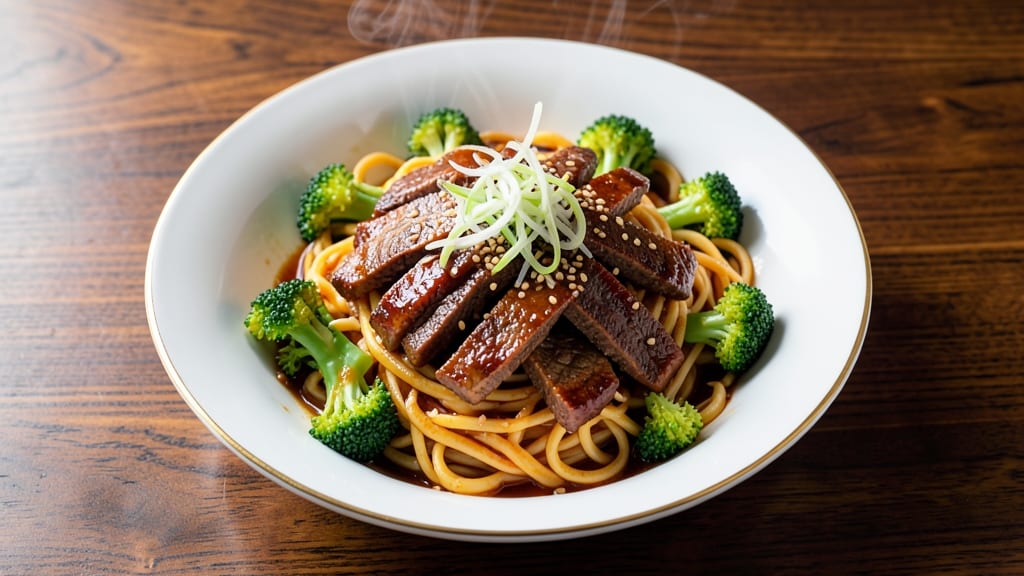
This beef and broccoli chow mein recipe delivers restaurant-quality wok-tossed crunch with a silky oyster sauce that coats every bite. The secret lies in proper stir-frying techniques—high heat, quick cooking, and constant motion—that transform tender beef strips and crisp broccoli into a dish bursting with texture and flavor.
I've perfected this method over years of testing, ensuring the sauce clings perfectly while maintaining that signature chow mein crunch.
What sets this recipe apart is the balance of ingredients: marinated beef that stays tender yet holds up to tossing, bright broccoli that stays crisp, and a sauce that's rich yet light enough to let the vegetables shine.
The key steps—searing the beef separately, prepping all ingredients before cooking, and using the right wok tools—make all the difference in achieving professional results at home. Ready in just 25 minutes, this dish proves you don't need a restaurant to enjoy authentic chow mein.
The final result is a plate of golden-brown beef and vibrant green broccoli, all coated in a glossy, savory sauce that's both silky and slightly sticky. Each bite delivers perfect texture contrast: tender beef, crisp broccoli, and chewy noodles, all bound together by that signature sauce.
This is the kind of dish that transforms a simple weeknight dinner into something special without requiring advanced skills.
Serve it immediately for maximum crunch, or let it sit briefly for the sauce to meld even more deeply. Garnish with sesame seeds or sliced green onions for extra flavor and visual appeal.
The recipe scales easily for feeding a crowd, making it perfect for family dinners or gathering friends. Let's get cooking!
Ingredients for beef and broccoli chow mein
Restaurant-quality chow mein starts with these 15 key ingredients—each playing a role in the perfect balance of crunch, tenderness, and sauce.
| Ingredient | Amount | Notes |
|---|---|---|
| Flank Steak 🥩 | 1 lb | Sliced thin against grain |
| Egg Noodles 🍜 | 8 oz | Fresh or dried, uncooked |
| Broccoli Florets 🥦 | 3 cups | Cut into bite-sized pieces |
| Oyster Sauce 🍶 | ⅓ cup | High-quality brand preferred |
| Soy Sauce 🥫 | ¼ cup | Light or regular variety |
| Hoisin Sauce 🍯 | 1 tbsp | For depth of flavor |
| Sesame Oil 🫒 | 1 tbsp | Toasted, for aroma |
| Garlic Cloves 🧄 | 4 cloves | Minced, for marinade |
| Ginger Root 🌿 | 1 tbsp | Fresh, grated |
| Cornstarch 🌾 | 1 tbsp | For beef coating |
| Vegetable Oil 🫒 | 3 tbsp | High smoke point |
| Green Onions 🧅 | 3 whole | Sliced, for garnish |
| Sesame Seeds 🌱 | 1 tbsp | Toasted, for garnish |
| Salt 🧂 | 1 tsp | Kosher or sea salt |
| Black Pepper 🌶️ | ½ tsp | Freshly ground |
The beef is everything here. Flank steak is ideal—it's lean yet tender when sliced thin against the grain. Grab it from the meat counter at Whole Foods or your local butcher if you can; they'll slice it for you. Look for good marbling, but not too much fat. If you're prepping ahead, marinate the beef for at least 30 minutes with garlic, ginger, soy sauce, and cornstarch—this keeps it tender during the high-heat stir-fry. Fresh broccoli is non-negotiable; frozen works in a pinch but won't give that same crisp texture. Trader Joe's has great pre-cut florets if you're short on time.
No oyster sauce? Hoisin sauce plus a splash of soy sauce works in a bind, though it won't be identical. The sauce ratio here is critical: oyster sauce for depth, soy for saltiness, and hoisin for that sticky-sweet balance. Kikkoman or Lee Kum Kee are the gold standards, but any reputable brand will do. For extra crunch, toss in water chestnuts or bean sprouts if you've got them. The noodles should be chewy but not mushy—fresh egg noodles are best, but dried will work if cooked al dente. And that sesame oil? Use sparingly—just a few drops at the end for aroma. Too much will overpower everything.
Prep everything before cooking—this is a stir-fry, not a science experiment. The beef marinade can sit in the fridge for up to 12 hours if you're planning ahead. Broccoli stays crispest if blanched for 1 minute before stir-frying. Store leftovers in an airtight container for 3-4 days—the sauce actually flavors the noodles better the next day. For freezing, portion into single servings with a bit of sauce to keep everything moist. Reheat in a skillet with a splash of water to restore that wok-tossed texture. Garnish with sesame seeds and green onions right before serving—they add freshness that gets lost when reheated.
Why You'll Love This Recipe
- One-Pan Magic: I swear by this—just one skillet, a few minutes of slicing, and you’ve got dinner. The flank steak caramelizes while the broccoli steams right in the same pan, no extra dishes. (Yes, even on a Tuesday night.)
- Umami Bomb: That combo of oyster sauce and soy sauce? It’s like flavor crack for your taste buds. The beef stays tender but gets this perfect chewy bite, and the broccoli soaks up just enough saltiness to make it irresistible.
- Lunchbox Hero: Between us, this is my go-to for meal prep. Toss the cooled noodles and beef into containers, and you’ve got a grab-and-go lunch that still feels like a restaurant meal. My kids actually eat their veggies this way—no complaints.
- Budget Win: Flank steak stretches far, and egg noodles cost next to nothing. A single pound of beef feeds four, and the leftovers? Even better reheated the next day. Honestly, it’s the kind of dish that makes grocery day feel like a victory.
Step-by-step instructions for wok-tossed beef and broccoli chow mein
Here's the professional method for achieving that perfect balance of tender beef, crisp broccoli, and silky sauce.
Prepare the Flank Steak for Maximum Tenderness
Slice the 1 lb flank steak thinly against the grain into ¼-inch strips. This is critical—the grain direction determines tenderness. Place the sliced steak in a bowl and add the 1 tbsp cornstarch, 1 tsp salt, and 0.5 tsp black pepper. Toss gently until the beef is evenly coated with the cornstarch mixture. This creates a light crust that prevents the beef from drying out during the quick wok toss.
In a separate small bowl, whisk together the 0.33 cup oyster sauce, 0.25 cup soy sauce, 1 tbsp hoisin sauce, and 1 tbsp sesame oil. Set aside. The sauce needs time to meld flavors before it's added to the wok. I like to let it sit for at least 5 minutes while I prepare the remaining ingredients.
Blanch the Broccoli for Crisp-Tender Texture
Bring a pot of water to a rolling boil. Add the 3 cups broccoli florets and cook for exactly 1 minute. Immediately drain in a colander and rinse with cold water to stop the cooking process. The broccoli should be vibrant green and still slightly crisp when you squeeze it gently—this ensures it won't turn mushy during the stir-fry.
While the broccoli cooks, prepare the aromatics. In a small bowl, combine the 4 cloves minced garlic and 1 tbsp grated ginger root. These will form the flavor base for your chow mein. Keep them separate until you're ready to use them—adding them too early would make the beef mushy.
Cook the Egg Noodles Al Dente
Cook the 8 oz egg noodles according to package directions, but remove them 1 minute before they're fully done. They should be al dente—just slightly firm to the bite. Drain and toss immediately with 1 tbsp vegetable oil to prevent sticking. The noodles will finish cooking in the wok with the beef and vegetables.
This is where many home cooks make a mistake. Overcooking the noodles makes them mushy and turns your chow mein into a soggy mess. The high heat of the wok will carry them to perfect doneness while adding that signature wok-hei flavor.
Stir-Fry the Beef and Vegetables
Heat a wok or large skillet over high heat until it's smoking hot. Add the 3 tbsp vegetable oil and swirl to coat the bottom evenly. Add the beef in a single layer and let it sear undisturbed for 30 seconds until the edges begin to brown. This creates the Maillard reaction that gives the beef its rich flavor.
Push the beef to one side of the wok and add the minced garlic and ginger. Stir for 10 seconds until fragrant, then add the blanched broccoli florets. Toss everything together for 1-2 minutes until the broccoli is heated through and the beef is cooked to your liking. The beef should be slightly pink in the center if you prefer it medium, or fully cooked through for well-done.
Combine and Finish with Sauce
Add the cooked egg noodles to the wok and toss vigorously for 1 minute to combine everything. Pour the prepared sauce over the mixture and continue tossing for another 30 seconds until everything is evenly coated and heated through. The sauce should glaze the noodles and beef without making them soggy.
Taste and adjust seasoning if needed. The sauce should be savory, slightly sweet from the hoisin, and umami-rich from the oyster sauce. Garnish with the sliced 3 whole green onions and 1 tbsp toasted sesame seeds. Serve immediately while everything is hot and the noodles are still holding their texture.
Pro Tips For Making Beef And Broccoli Chow Mein
- Slice Against the Grain: Flank steak’s tough fibers run parallel to the grain—cutting perpendicular makes each bite tender. Use a sharp knife and angle it at 45 degrees for clean, even slices that cook faster and stay juicier.
- Blanch Broccoli First: Toss broccoli florets in boiling water for 30 seconds, then ice bath. This keeps them bright green and prevents sogginess when stir-frying later. (Yes, even if you’re impatient—it’s worth the extra bowl.)
- Don’t Overcrowd the Pan: I learned this the hard way—throwing everything in at once steams the beef instead of searing it. Cook in batches: beef first until browned, then broccoli, then noodles. Your wok (or skillet) will thank you.
- Deglaze with Soy Sauce: After searing the beef, splash in 1 tablespoon soy sauce right away—it lifts the browned bits (fond) that hold flavor. Let it simmer 30 seconds before adding oyster sauce; this builds depth faster than just dumping everything in.
Best sauces and condiments for this dish
Classic Oyster Sauce
The signature sauce in this chow mein is a perfect balance of oyster sauce, soy sauce, and hoisin. I recommend using Lee Kum Kee oyster sauce for its rich umami depth—it's the brand I've used for years in my kitchen.
Start with ⅓ cup oyster sauce as your base, then add ¼ cup soy sauce for saltiness and 1 tbsp hoisin for that sticky-sweet note. Whisk in 1 tbsp toasted sesame oil just before tossing to add aroma. The sauce should coat everything beautifully without making it soggy. 🍶
Spicy Chili Oil Twist
For a bold kick, swap out ½ tbsp of the soy sauce for chili oil—I love the Lao Gan Ma brand. Add ½ tsp of crushed red pepper flakes to the sauce mixture for extra heat.
This version works especially well if you're serving with steamed dumplings or rice on the side. The chili oil adds a smoky depth that pairs perfectly with the tender beef and crisp broccoli. 🌶️
Sweet and Tangy Plum Sauce
If you prefer a sweeter profile, replace the hoisin with 2 tbsp plum sauce (like Kikkoman) and add 1 tsp honey. This creates a tangy, fruity contrast that brightens the dish.
The plum sauce adds a fruity sweetness that balances the savory oyster sauce beautifully. I like to use this variation when serving with grilled chicken or tofu for a lighter meal. 🍯
Ginger-Garlic Glaze
For a fresh, aromatic twist, blend 2 tbsp of the prepared sauce with 1 tbsp minced garlic, 1 tbsp grated ginger, and 1 tsp rice vinegar. Use this glaze as a finishing drizzle after tossing everything in the wok.
The acidity from the vinegar cuts through the richness, while the garlic and ginger add a bright, zesty kick. This works especially well if you're serving with steamed bok choy or mushroom stir-fries. 🌿
Sesame-Ginger Dressing
For a lighter option, mix 2 tbsp sesame oil, 1 tbsp soy sauce, 1 tbsp rice vinegar, 1 tsp grated ginger, and ½ tsp sugar. Drizzle this over the finished chow mein just before serving.
The sesame oil adds nutty depth, while the vinegar keeps it bright and fresh. This dressing is perfect for those who prefer a lighter touch but still want bold flavors. 🫒
Homemade Peanut Sauce
For a nutty, creamy contrast, blend 2 tbsp peanut butter, 1 tbsp soy sauce, 1 tbsp hoisin, 1 tsp sesame oil, and 1 tsp honey with 2 tbsp hot water until smooth.
Drizzle this over the chow mein for a Thai-inspired twist. The peanut sauce adds a rich, creamy texture that pairs surprisingly well with the crisp broccoli and tender beef. 🥜
Nutrition facts
Frequently asked questions
Can I substitute flank steak with another cut?
Yes! Sirloin or ribeye work well—just slice them ¼-inch thick against the grain for tenderness. Chuck roast is another option but trim excess fat first. Avoid tough cuts like flank steak's shoulder end, as they won't become tender enough during the quick stir-fry.
Why does my broccoli turn mushy?
Overcooking is the #1 culprit. Blanch broccoli for exactly 1 minute (no longer!) and rinse with cold water immediately. Also ensure your wok is smoking hot before adding ingredients—high heat preserves texture. If using frozen broccoli, thaw and pat completely dry first.
What's the best way to make this gluten-free?
Replace soy sauce with tamari or coconut aminos (use ¼ cup total). For hoisin, use a gluten-free alternative like 1 tbsp gluten-free hoisin sauce plus ½ tsp maple syrup. Check oyster sauce labels—most contain wheat, but brands like San Choy offer gluten-free versions.
Can I make this ahead of time?
Cooked chow mein reheats best when made 1 day ahead. Store in an airtight container and reheat in a skillet with 1 tsp oil over medium heat, adding 2 tbsp water to restore moisture. For best texture, serve within 2 days—after that, the noodles may soften. Garnish fresh after reheating.
What's the secret to perfect wok hei?
Start with a smoking-hot wok and use high heat throughout. Keep ingredients moving constantly with a wok spatula or tongs—this creates steam that carries flavor. Add oil last (just before tossing) to prevent it from burning. A well-seasoned carbon steel wok helps too!