
Main Courses
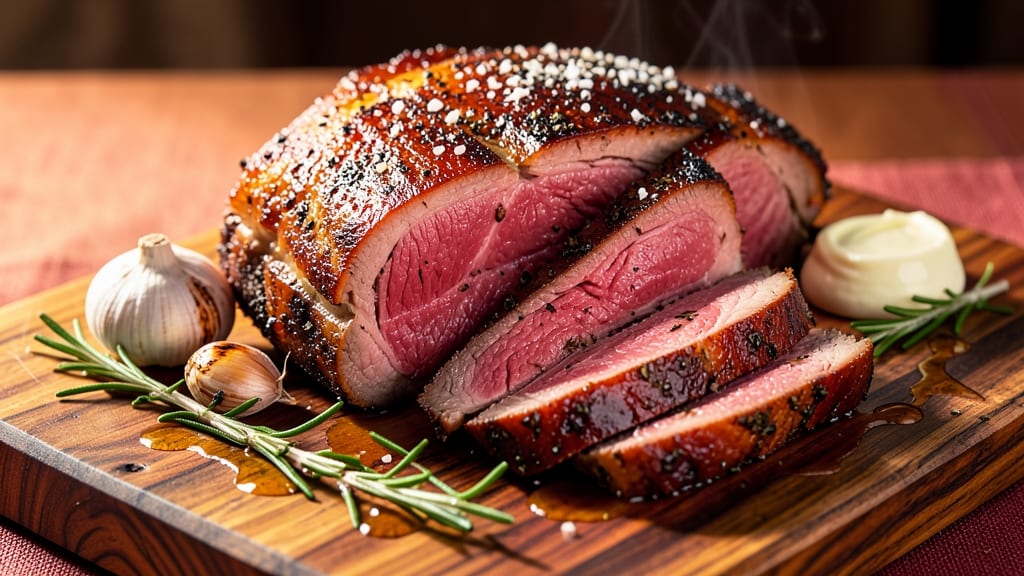
This Angus beef prime rib roast recipe delivers the ultimate holiday centerpiece—crispy golden crust, juicy pink centers, and rich beefy flavor that commands every dinner table. 🌟 The secret lies in precise temperature control and a dry-brined crust that develops deep caramelization while keeping the interior tender.
I've perfected this method after years of testing, ensuring your roast achieves restaurant-quality results at home with minimal fuss.
The magic begins with a simple dry brine and high-heat sear that locks in juices while creating that coveted crust. We'll use a 325°F oven for even cooking and a meat thermometer to guarantee perfect doneness—no guessing required.
What you'll end up with is a showstopping roast that slices beautifully, stays moist, and delivers that buttery, melt-in-your-mouth texture in every bite.
This recipe serves 8-10 people and takes about 3 hours total (including resting time), making it ideal for special occasions when you want to impress without stress. The preparation is straightforward, but the technique ensures professional-level results.
Whether you're hosting Thanksgiving, Christmas, or a celebratory dinner, this prime rib will be the star of the meal.
Pair it with classic sides like roasted garlic mashed potatoes, buttery green beans, and a bold red wine reduction for the full experience. The key to success is patience—letting the roast rest before carving ensures every slice stays juicy and delicious. Here's how to make it happen perfectly.
Ingredients for angus beef prime rib roast
Ten ingredients, ten people, one unforgettable centerpiece—this prime rib delivers restaurant-quality luxury at home.
| Ingredient | Amount | Notes |
|---|---|---|
| Angus Beef Prime Rib Roast 🥩 | 5 lb | Bone-in, center-cut preferred |
| Kosher Salt 🧂 | 2 tbsp | Diamond Crystal preferred |
| Freshly Ground Black Pepper 🌶️ | 1 ½ tbsp | Coarse grind for texture |
| Unsalted Butter 🧈 | ½ cup | Cold, cut into small cubes |
| Garlic Cloves 🧄 | 6 cloves | Smashed, skin-on |
| Fresh Rosemary 🌿 | ¼ cup | Chopped, stems removed |
| Fresh Thyme 🌿 | ¼ cup | Leaves only, stems removed |
| Olive Oil 🫒 | 2 tbsp | High-quality, fruity |
| Red Wine 🍷 | ½ cup | Bold, dry (Cabernet Sauvignon) |
| Beef Au Jus 🍲 | 1 cup | Store-bought or homemade |
| Balsamic Vinegar 🍶 | 1 tbsp | For finishing drizzle |
| Fresh Horseradish 🌱 | 1 tbsp | Grated, optional garnish |
| Meat Thermometer 🌡️ | 1 whole | Instant-read preferred |
The beef is non-negotiable here. Angus prime rib with good marbling is what you're after—Costco or Whole Foods carry excellent center-cut roasts. Look for a bone-in cut; it stays juicier and makes slicing easier. If you're buying whole, ask the butcher to trim excess fat but leave a thin layer for flavor. The Diamond Crystal kosher salt is key for that perfect crust—it dissolves more evenly than table salt. Fresh herbs matter too: grab rosemary and thyme from the grocery store's produce section, not the dried aisle. Their vibrant color means they're fresher, which translates to better flavor.
No red wine? Beef broth with a splash of balsamic works in a pinch, though the acidity won't be as balanced. Fresh horseradish is optional but worth it if you love that kick—Trader Joe's sells it pre-grated in a jar, which saves time. The butter should be cold and cubed for that perfect crust; don't let it soften before searing. For the au jus, store-bought works fine—just heat it up and reduce slightly if it's too thin. The balsamic vinegar adds a touch of sweetness that rounds out the dish beautifully. Pro tip: if you're short on time, prep the dry brine the night before—it makes all the difference.
This roast reheats beautifully—200°F oven for 20-30 minutes is ideal. Store leftovers in an airtight container with a thin layer of beef au jus to keep them moist for up to 3 days. For longer storage, freeze portions in individual slices wrapped in parchment paper—up to 3 months. The crust is best enjoyed fresh, but the meat stays tender and flavorful. I always make extra au jus to drizzle over slices—it's the secret to keeping every bite juicy. And trust me, the resting time is non-negotiable—let it sit for at least 15 minutes before carving.
Why You'll Love This Recipe
- Five-Ingredient Magic: That’s it—just salt, pepper, butter, garlic, and the prime rib itself. No fancy sauces, no stress. I swear, the secret’s in the slow roast with garlic cloves nestled into the butter basting, turning it into a flavor bomb without extra effort.
- Weekend Hero: This is my go-to for game days, holiday leftovers, or when I want to impress with zero fuss. Slice it thin for sandwiches, serve it with mashed potatoes, or let guests carve their own—it’s the star that needs no extra fanfare.
- Leftovers That Shine: Between us, the second day is often better. Cold slices in a charcuterie board? Yes. Reheated with a crispy edge? Even better. That rich, buttery crust stays delicious, and it’s the kind of meal that tastes like you put in hours—when you really just set it and forgot it.
- Rich Without the Guilt: Honestly, I feel good serving this. Angus beef is an investment, sure, but the portion control is easy—every slice is worth it. Plus, the garlic butter basting means you’re not drowning it in heavy sauces. It’s indulgent but still feels intentional, not wasteful.
Step-by-step instructions for buttery crust, pink-centered prime rib
Here's how to transform your prime rib into melt-in-your-mouth perfection with a golden crust.
🔥 Step 1: Prep the Roast for Maximum Flavor
Remove the prime rib from the refrigerator and let it sit at room temperature for 1 hour. This ensures even cooking throughout. While it rests, pat the roast dry with paper towels—this is critical for that perfect crust. I like to work in a well-ventilated area during this step since the butter will render later.
In a small bowl, combine the 2 tbsp kosher salt and 1.5 tbsp freshly ground black pepper. Rub this mixture all over the roast, including the bone side and any crevices. The coarse grind of the pepper adds texture that really makes this dish special. Let the seasoned roast rest uncovered on a wire rack set over a baking sheet for another 30 minutes—this helps the seasoning adhere better.
👨🍳 Step 2: Create the Herb Butter Rub
While the roast seasons, prepare the herb butter. In a small mixing bowl, combine the 0.5 cup cold unsalted butter (cut into small cubes), 6 smashed garlic cloves (skin-on), 0.25 cup chopped fresh rosemary, and 0.25 cup fresh thyme leaves. Use a fork to mash everything together until it forms a thick, chunky paste.
Spread this herb butter mixture evenly over the entire surface of the prime rib, pressing it into the meat so it sticks. The cold butter will melt during roasting and baste the meat, creating that luxurious buttery crust we're after. I like to save about 2 tablespoons of the herb butter mixture for basting later—trust me, you'll want it.
🔥 Step 3: Sear for Deep Flavor and Crust
Preheat your oven to 450°F. Place the prime rib on a rack in a roasting pan and roast for 15 minutes to render the fat and start building that crust. Here's where it gets interesting—after 15 minutes, remove the roast from the oven and increase the oven temperature to 325°F.
Using tongs, carefully flip the roast and spoon the rendered juices from the pan back over the meat. This basting step is crucial for flavor and moisture. Return the roast to the oven and continue cooking until the internal temperature reaches 120°F (about 1 hour 15 minutes total). The meat should still feel slightly springy when pressed—this is our target for that perfect pink center. Don't peek at the oven during this time; every time you open it, you lose heat and moisture.
🥘 Step 4: Rest and Prepare the Sauce
Once the roast reaches 120°F, remove it from the oven and transfer to a cutting board. Tent loosely with aluminum foil and let it rest for 15 minutes. This resting period is where the magic happens—the juices redistribute throughout the meat, ensuring each slice is moist and flavorful.
While the roast rests, prepare the sauce. Place the roasting pan on the stovetop over medium heat and add the 2 tbsp olive oil. Pour in the 0.5 cup red wine and scrape up all those delicious browned bits from the bottom of the pan. Let it simmer for 3 minutes until reduced by half. Add the 1 cup beef au jus and simmer for another 5 minutes until slightly thickened. Stir in the 1 tbsp balsamic vinegar and 1 tbsp fresh horseradish—this adds a bright, tangy finish that cuts through the richness.
🔪 Step 5: Carve and Serve with Elegance
After the resting period, use a sharp carving knife to slice the prime rib against the grain into ½-inch thick slices. The grain direction will be visible on the cut surface—you're looking for those long muscle fibers. Arrange the slices on a warm serving platter and spoon the reduced wine sauce generously over the top.
Here's a pro tip: I like to garnish each serving with a sprinkle of the reserved herb butter and a few fresh thyme leaves. The contrast of the warm, buttery sauce with the cool, slightly spicy horseradish creates a perfect balance of flavors. Serve immediately with your favorite sides—roasted vegetables or creamy mashed potatoes work beautifully.
Pro Tips For Making Angus Beef Prime Rib Roast
- CRANK THE HEAT FIRST: I learned this the hard way—start your prime rib on high heat (500°F) until it’s seared deep brown, about 15 minutes per side. That initial blistering crust locks in flavor and keeps the meat from drying out later, even if you’re tempted to rush.
- SALT THE GARLIC BUTTER: Don’t just melt butter and garlic—rub the minced cloves directly into the softened butter while it’s still warm. The garlic will infuse faster and won’t burn, giving that rich, aromatic crust every time. (Yes, even if you’re impatient like me.)
- SKIP THE PROBING: Resist the urge to check doneness with a meat thermometer until the very end—stabbing it too early lets juices escape. Instead, rely on the 13-15 minutes per pound rule (medium-rare) and confirm with a quick temp at the thickest part.
- UPGRADE WITH A BUTTER BATH: After roasting, brush the hot prime rib with the garlic butter while it rests. The residual heat melts it into a luscious, flavor-packed crust—no extra effort, just better flavor. (Your future self will thank you.)
Storing and reheating this recipe
Refrigerator Storage
Store your prime rib in an airtight container with a thin layer of beef au jus to keep it moist for up to 4 days. The juices prevent the surface from drying out, preserving that buttery flavor.
I like using glass Pyrex containers because they're sturdy and easy to reheat later. Always let the roast cool to room temperature before refrigerating to prevent condensation buildup. 💫
Freezer Prep
For longer storage, slice the prime rib into ½-inch thick portions and wrap each slice tightly in parchment paper before placing in a freezer bag. This method prevents freezer burn and keeps the texture intact for up to 3 months.
Label the bag with the date—trust me, you'll forget otherwise! Thaw overnight in the fridge before reheating for best results.
Oven Reheating
Preheat your oven to 200°F—this low temperature ensures the meat reheats gently without drying out. Place the slices in a baking dish, cover with foil, and add 2 tablespoons of beef au jus to keep them juicy.
Reheat for 20-30 minutes until reaching 165°F internal temperature. The foil traps moisture, so no need to baste. 🔥
Skillet Method
For a quick fix, heat 1 tablespoon of olive oil in a cast-iron skillet over medium heat. Add the prime rib slices and cook for 2-3 minutes per side, basting with extra au jus.
The skillet's heat retention keeps the meat tender while creating a light crust. This method works best with thinner slices—about ½ inch thick. Add a splash of red wine for extra flavor!
Microwave Safety
If you're in a rush, microwave individual portions on 50% power for 1-2 minutes, covered with a damp paper towel. Stir halfway through to distribute heat evenly. Avoid high power settings—they can turn the meat rubbery.
This method is best for leftovers, not freshly cooked roast. Always check the internal temperature to ensure it reaches 165°F.
Nutrition facts
Frequently asked questions
How long should I cook prime rib per pound?
For a pink-centered (rare) prime rib, plan 20-25 minutes per pound at 325°F after an initial 15-minute sear at 450°F. Our recipe targets 120°F internal temp—about 1 hour 15 minutes total for a 5 lb roast. Always use a meat thermometer for accuracy.
Why does my prime rib turn out dry?
Overcooking is the #1 cause! Prime rib should reach 120°F (rare)—never exceed 130°F or you'll dry it out. Also, skipping the 15-minute rest causes juices to escape. Use a thermometer and let it rest under foil before carving. The crust forms during cooking, but the interior needs time to reabsorb moisture.
Can I cook prime rib at a lower temperature for longer?
Yes! For a medium-rare (130°F) finish, cook at 275°F for 30-35 minutes per pound (about 2.5 hours total for a 5 lb roast). This low-and-slow method works well for larger cuts. The key is patience—it'll develop a deeper flavor but requires more monitoring.
What's the best way to reheat sliced prime rib?
Use the oven method for best results: 200°F for 20-30 minutes, covered with foil and a splash of beef au jus. Microwave on 50% power for 1-2 minutes (covered with damp paper towel) works in a pinch, but oven reheating preserves moisture better. Never exceed 165°F internal temp.
How do I know when prime rib is done without a thermometer?
Press the meat gently with your finger—it should feel slightly springy (like pressing your thumb into your palm). For rare, the center should be cool to the touch and slightly pink. A knife inserted should show bright red juices. Remember: prime rib continues cooking after removal, so pull it out 5°F below your target temp.