
Main Courses
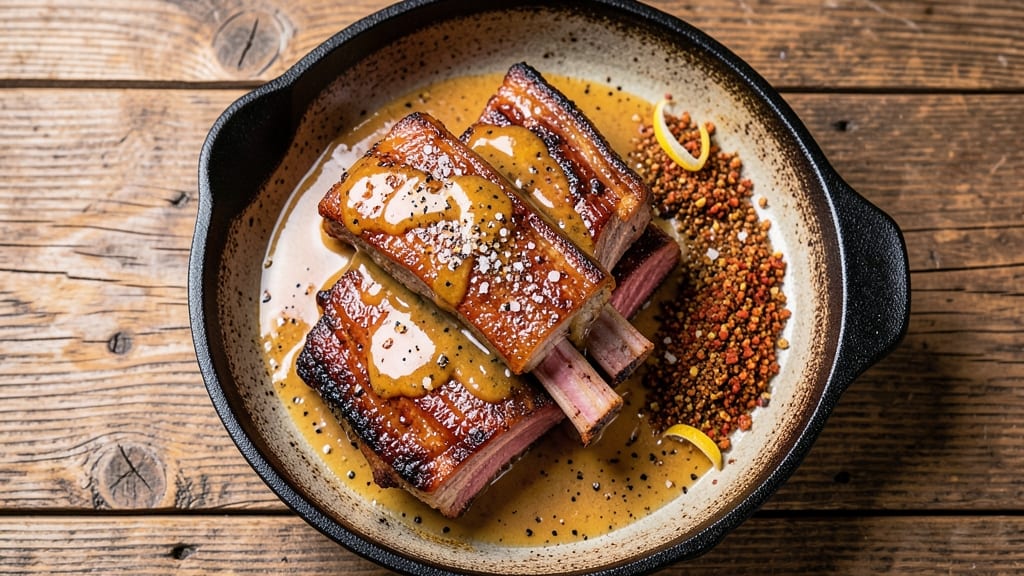
This angus beef ribs recipe delivers restaurant-quality tenderness with a perfect balance of smoky bark and melt-in-your-mouth richness. The secret lies in low-and-slow cooking—whether on a smoker, grill, or oven—until the meat practically falls apart at the touch.
I've perfected this method after years of testing, ensuring every bite is juicy, flavorful, and worth the wait.
The key to success is patience and precision: a dry rub of bold spices, a slow cook to 300°F, and careful monitoring of internal temperature to reach 203°F for that legendary fall-off-the-bone texture.
No shortcuts here—just time-honored techniques that transform tough cuts into something extraordinary. The result? Ribs so tender they disappear before you can even cut them.
What sets these ribs apart is the smoky bark—deep, caramelized, and irresistibly crisp—paired with succulent meat that’s buttery and rich. This isn’t just a meal; it’s an experience that turns ordinary dinners into unforgettable feasts.
Serve with classic sides like garlic mashed potatoes or a tangy coleslaw to complete the meal.
Whether you're grilling for a crowd or treating yourself to a special night in, this recipe delivers foolproof, show-stopping results every time. Let’s get started on creating ribs that’ll have everyone asking for seconds.
Ingredients for angus beef ribs
Six pounds of premium Angus ribs plus bold spices transform into showstopping, smoky perfection.
| Ingredient | Amount | Notes |
|---|---|---|
| Bone-In Beef Ribs (Angus) 🥩 | 6 lb | Baby back or St. Louis style, meaty ends preferred |
| Yellow Mustard 🍯 | ½ cup | For sticky bark application |
| Brown Sugar 🍚 | ½ cup | Light or dark, packed |
| Smoked Paprika 🌶️ | ¼ cup | For deep smoky flavor |
| Kosher Salt 🧂 | ¼ cup | Diamond Crystal preferred |
| Ground Black Pepper 🌶️ | 2 tbsp | Freshly cracked for best flavor |
| Garlic Powder 🧄 | 2 tbsp | Not garlic salt |
| Onion Powder 🧅 | 1 tbsp | For sweet depth |
| Cayenne Pepper 🔥 | 1 tsp | Adjust for heat preference |
| Apple Cider Vinegar 🍏 | 2 tbsp | For tenderizing bark |
| Wood Chips (Hickory or Oak) 🌳 | 2 cups | Soaked for 1 hour minimum |
| Beef Broth 🍲 | 1 cup | For spritzing during cook |
| Unsalted Butter 🧈 | ½ cup | Cold, for basting |
| Fresh Rosemary 🌿 | ¼ cup | Chopped, for finishing |
Angus ribs are the non-negotiable star here—Costco or high-end butchers carry the best cuts. Look for meaty ends with good marbling; St. Louis-style ribs have more meat than baby backs. The dry rub is where the magic happens: smoked paprika for that unmistakable bark, brown sugar for caramelization, and Diamond Crystal kosher salt for clean flavor. I always buy extra—Penzeys or local spice shops have the best quality. The wood chips? Hickory for bold smoke, oak for milder flavor—soak them overnight for even better results.
No smoked paprika? Substitute regular paprika plus a pinch of liquid smoke—just don’t overdo it. Short on brown sugar? White sugar works, but the color will be lighter. The mustard is key for that sticky bark—yellow mustard only (Dijon won’t work). For a sweeter glaze, add 1 tbsp honey to the rub. The beef broth can be swapped for apple juice if you're avoiding salt, but the ribs will be less tender. And if you're cooking indoors, use a foil pan with a water tray to mimic humidity.
These ribs are a 3-day project—prep the night before, cook low-and-slow, then rest before serving. Wrap the ribs in parchment paper and store in the fridge for up to 2 days before cooking. The dry rub keeps for 3 months in an airtight container. Leftover ribs? Shred and freeze for tacos or sandwiches—trust me, they’re even better the next day.
Why You'll Love This Recipe
- Five-Ingredient Magic: I swear, the pantry already has everything—just slather on that mustard-brown sugar glaze, sprinkle the paprika, and let the oven do the work. No fancy techniques, no stress.
- Smoky-Sweet Obsession: That caramelized crust from the brown sugar? It’s dangerously addictive, but the tender Angus beef underneath—oh, it melts like butter. Honestly, my kids now beg for ribs over pizza.
- Tailgate or Tuesday: Grill it for game day, slow-cook it for a lazy Sunday, or toss leftover slices into tacos. Between us, this recipe’s my secret weapon for feeding a crowd—or just me when I’m too tired to think.
- Leftovers That Don’t Suck: Because let’s be real—no one skips seconds on these. The ribs stay juicy for days, and the glaze? Even better reheated. I’ll be real: I’ve eaten cold slices straight from the fridge. (Yes, even on a Tuesday.)
Step-by-step instructions for smoky Angus beef ribs
Here's how to transform tough beef ribs into melt-in-your-mouth perfection with a perfect bark.
Prepare the Ribs with the Mustard Slather
Start by removing the beef ribs from the refrigerator and letting them sit at room temperature for 30 minutes. This ensures even cooking. In a small bowl, combine the 0.5 cup yellow mustard, 0.5 cup brown sugar, 0.25 cup smoked paprika, 0.25 cup kosher salt, 2 tbsp ground black pepper, 2 tbsp garlic powder, 1 tbsp onion powder, and 1 tsp cayenne pepper. Mix until the dry ingredients are fully incorporated into the mustard.
Here's the thing—this mustard mixture is your secret weapon. It creates a sticky bark that locks in moisture while developing that perfect crust. Spread the mixture generously over every inch of the ribs, including the bone side. The mustard helps the rub stick and prevents it from falling off during cooking. Let the ribs sit uncovered for another 30 minutes while you prepare your smoker.
Set Up the Smoker for Low-and-Slow Cooking
Soak the 2 cups wood chips in water for at least 1 hour before using. This prevents them from burning and creating bitter smoke. Set up your smoker to maintain a steady 225°F temperature. I like to use a combination of hickory and oak wood chips for that classic BBQ flavor profile.
Once the smoker reaches temperature and you see clean, blue smoke (not thick white steam), you're ready to cook. Place the ribs bone-side down on the smoker grates. This position allows the fat to render down and baste the meat as it cooks. Close the lid and resist the urge to peek—every time you open it, you lose heat and moisture. Let the ribs smoke undisturbed for 2 hours.
Spritz and Maintain Temperature
After the initial 2 hours, it's time to spritz. Mix 1 cup beef broth with 2 tbsp apple cider vinegar in a spray bottle. The vinegar helps tenderize the bark while keeping it moist. Spritz the ribs generously every 45 minutes throughout the cook. This step is crucial—it prevents the bark from drying out and adds moisture to the meat.
Monitor the internal temperature using a meat thermometer. You want to hit 195-203°F in the thickest part of the meat. This low-and-slow process breaks down the connective tissue, resulting in fall-off-the-bone tenderness. The cook time will vary, but plan for a total of 6-8 hours, depending on your smoker's consistency.
Add Butter and Rosemary for Finishing Touches
When the ribs reach 195°F, it's time to add the finishing touches. Remove the ribs from the smoker and place them on a baking sheet. Cut the 0.5 cup unsalted butter into small cubes and scatter them over the ribs. Return the ribs to the smoker for 10 minutes to let the butter melt and baste the meat.
In a small bowl, combine the 0.25 cup chopped fresh rosemary with 1 tbsp kosher salt. Sprinkle this mixture evenly over the ribs. The rosemary adds a fresh, aromatic finish that complements the smoky flavors. Let the ribs rest in the smoker for another 5 minutes to allow the rosemary to infuse.
Rest and Serve with Confidence
Remove the ribs from the smoker and transfer them to a cutting board. Let them rest for at least 15 minutes before serving. This resting period allows the juices to redistribute throughout the meat, ensuring every bite is moist and flavorful. The ribs should be fork-tender, with a dark, glossy bark that's crispy on the outside and tender on the inside.
Slice the ribs between the bones and serve with your favorite sides. The combination of smoky, sweet, and herby flavors will make these ribs a showstopper. Don't forget to save some of that delicious bark for your next cook—it's pure flavor gold.
Pro Tips For Making Angus Beef Ribs
- Dry the Ribs First: Angus beef ribs have a natural fat cap that needs to render properly—skip patting them dry, but let them sit uncovered in the fridge for 30-60 minutes before cooking. I learned this the hard way when my ribs turned out greasy instead of crispy; the extra time pays off.
- Salt the Ribs Twice: Apply half your kosher salt right after removing the ribs from the package (yes, even if they’re pre-cut), then let them sit for 10 minutes before adding the rest with the dry rub. This ensures the seasoning penetrates deeper and sticks better—my grandmother swore by this, and she was right.
- Watch the Sugar Burn: Brown sugar caramelizes fast, and if you’re searing the ribs at high heat, it’ll turn into bitter ash before you know it. Mix the brown sugar with the smoked paprika and mustard first, then apply it after the initial sear when the pan’s already hot but not smoking.
- Rest Before Slicing: Angus ribs are tender but still tough if cut too soon—give them a solid 5-10 minutes under foil after pulling from the heat. I used to slice them right away, and the meat would pull apart like overcooked chicken. Patience here makes all the difference.
Essential equipment for this recipe
Smoker Essentials
A quality smoker is non-negotiable for perfect ribs. I swear by my Traeger Pro 780—it maintains temperature like a dream and handles the 6-8 hours of low-and-slow cooking effortlessly.
For budget-friendly options, the Pit Boss 820 delivers consistent results. If you're grilling instead, a Weber Smokey Mountain works brilliantly with a water pan for humidity control. 🌡️
Temperature Control Tools
Never guess temperatures—use a Meater Plus or ThermoWorks Smoke thermometer. These probe-style tools give real-time readings of both your smoker (225°F) and the meat (203°F target).
I keep one probe in the smoker and another in the thickest part of the ribs. For indoor cooking, an oven thermometer ensures accuracy when using the broiler method.
Wood Chips and Fuel
Hickory and oak wood chips create that classic BBQ flavor, but fruitwoods like cherry add sweetness. Always soak 2 cups in water for 1 hour before using to prevent burning. For pellet smokers, Traeger's hickory pellets are my go-to. Never use unsoaked chips—they burn too fast and create bitter smoke.
Spritz Bottle Setup
A simple spray bottle with 1 cup beef broth + 2 tbsp apple cider vinegar keeps ribs moist. I use a Glasslock 16oz spray bottle because it’s easy to clean and refill.
The vinegar helps tenderize while the broth adds moisture. Spritz every 45 minutes—don’t skip this step or your bark will dry out.
Butter and Herb Finishing
Cold unsalted butter cubes melt beautifully over hot ribs, adding richness. I use Plugrá butter for its high fat content. For herbs, fresh rosemary is best—Penzeys sells pre-chopped sprigs for convenience.
A small bowl with 1 tbsp kosher salt ensures even distribution. This final touch elevates the ribs from great to unforgettable. 💫
Resting Tools
After cooking, transfer ribs to a wire cooling rack on a baking sheet to prevent sogginess. I wrap them loosely in butcher paper (not foil) to retain heat while resting. A carving fork helps slice between bones cleanly.
The 15-minute rest is crucial—it lets juices redistribute so every bite stays juicy. Don’t skip this step, no matter how tempting it is to dig in immediately!
Nutrition facts
Frequently asked questions
Can I cook these ribs in the oven instead of a smoker?
Preheat your oven to 250°F and place the ribs on a rack over a baking sheet. Add a water pan for moisture, then follow the same low-and-slow approach. Cook for 4-5 hours until reaching 203°F internally. The bark will be less smoky but still delicious—just add a dash of liquid smoke to the dry rub for depth.
How do I know when the ribs are fully cooked?
Use a meat thermometer to check the internal temperature at the thickest part of the meat. They're done when they reach 203°F—this breaks down collagen for that legendary fall-off-the-bone tenderness. The ribs should also have a dark, glossy bark and be fork-tender. Never rely on time alone!
Can I make the dry rub ahead of time?
Yes! Store the dry rub in an airtight container for up to 3 months. Just mix it with the mustard right before applying to the ribs. For extra convenience, portion individual servings into small bags. The spices stay fresh this way, and you can adjust heat levels by adding more cayenne later.
What's the best way to store leftover ribs?
Let the ribs cool completely, then wrap tightly in plastic wrap and store in the fridge for 3-4 days. For longer storage, freeze them in portions—wrap each rack separately. Reheat in a 300°F oven for 10-15 minutes until warmed through. They're perfect for tacos, sandwiches, or even rib soup!
Why did my ribs turn out tough?
Tough ribs usually mean they weren't cooked low-and-slow enough or weren't rested properly. Always aim for 203°F internal temp and let them rest 15+ minutes before slicing. Also check your thermometer—some aren't accurate! For indoor cooking, use an oven thermometer to verify your heat source.