
Main Courses
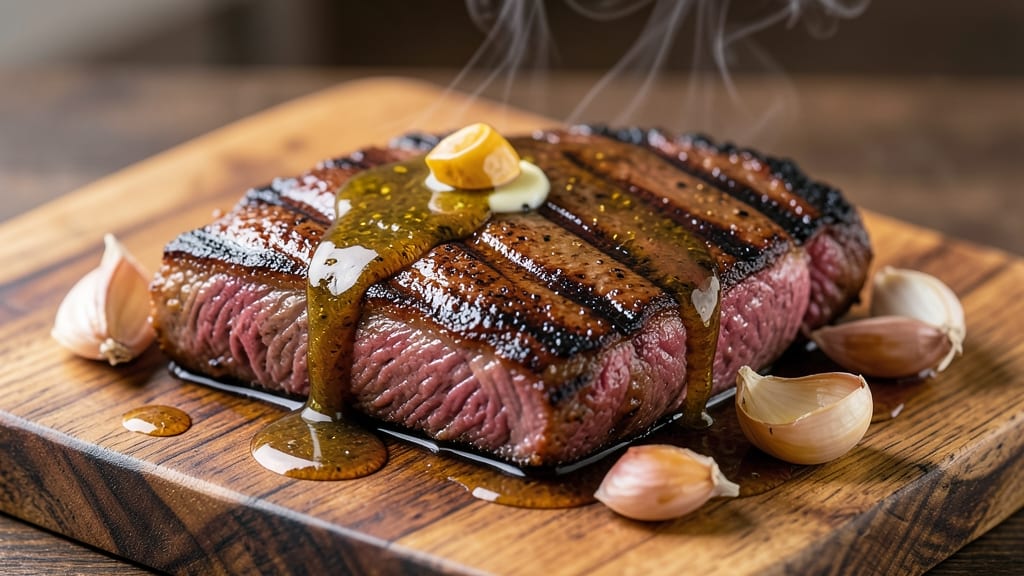
This Angus beef London broil recipe delivers the perfect balance of a buttery crust and juicy pink center that steakhouse chefs swear by. The secret lies in precise temperature control and a simple marinade that tenderizes without overpowering the beef's natural richness.
After years of perfecting this cut, I've cracked the code for achieving that signature restaurant-quality result at home.
What sets this recipe apart is the reverse searing technique, which ensures your steak develops a deep, caramelized crust while maintaining a tender interior.
We'll start with a 30-minute marinade of garlic, soy sauce, and Worcestershire to build flavor, then sear the beef to medium-rare before finishing in the oven. This method guarantees a steak that's juicy and packed with flavor in every bite.
The final result is a thick-cut steak with a golden, crackling crust that gives way to tender, pink meat inside. The marinade adds just enough depth to complement the beef's natural richness, while the reverse sear ensures perfect doneness throughout.
This isn't just a recipe—it's a foolproof technique that transforms a simple cut of beef into a showstopping centerpiece.
Serve with classic sides like roasted potatoes, a fresh salad, or grilled asparagus to complete the meal. The key to success is patience and precision—every step is designed to deliver that restaurant-quality experience at home. Let's get started on creating your perfect steak.
Ingredients for angus beef london broil
Juicy pink center meets buttery crust—this is the Angus beef magic you'll crave.
| Ingredient | Amount | Notes |
|---|---|---|
| Angus Beef London Broil 🥩 | 2 lb | Thick-cut, center-cut preferred |
| Extra-Virgin Olive Oil 🫒 | ¼ cup | High-quality, fruity variety |
| Unsalted Butter 🧈 | 4 tbsp | Cold, cubed for crust |
| Garlic Cloves 🧄 | 6 cloves | Fresh, minced finely |
| Worcestershire Sauce 🍶 | 1 tbsp | Classic Lea & Perrins preferred |
| Soy Sauce 🥢 | 1 tbsp | Low-sodium preferred |
| Fresh Thyme Leaves 🌿 | ½ tsp | Chopped, or 1/4 tsp dried |
| Diamond Crystal Kosher Salt 🧂 | 1 ½ tsp | Coarse grain preferred |
| Freshly Ground Black Pepper 🌶️ | 1 tsp | Cracked peppercorns preferred |
| All-Purpose Flour 🌾 | 2 tbsp | For dredging crust |
| Yellow Onion 🧅 | 1 whole | Thinly sliced, for garnish |
| Fresh Parsley 🌿 | ¼ cup | Chopped, for garnish |
The beef is everything here. Angus London broil from Costco or Whole Foods gives you that perfect marbling for juiciness. Look for cuts that are at least 1.5 inches thick—thinner pieces won't develop that signature crust. If you're buying a whole roast, ask your butcher to cut it into two 1-inch-thick pieces. The reverse sear technique is non-negotiable for this recipe—it's how you get that restaurant-quality crust without overcooking the inside. Trust me, the extra 10 minutes in the oven makes all the difference.
No Worcestershire? Substitute with 1 tbsp soy sauce plus 1 tsp balsamic vinegar—it mimics the umami depth. Fresh thyme is ideal, but dried at one-quarter the amount works in a pinch (just toast it first for 30 seconds in a dry pan). The butter matters—European-style or Plugrá has more fat content, which gives you that richer crust. For the flour dredge, all-purpose works fine, but if you've got panko, mix it half-and-half for extra crunch. And if you're feeling fancy, swap the parsley for chives or chervil for a different herbal note.
Marinate the beef uncovered in the fridge for no more than 30 minutes—longer tenderizes too much and risks drying out. The butter should stay cold until you're ready to sear—microwave for 40 seconds just before using to soften slightly. Leftovers? This steak reheats beautifully—warm in a skillet with a splash of beef broth for 2-3 minutes per side. Store in an airtight container for up to 3 days, or freeze for 2 months wrapped tightly in parchment and foil. The crust gets soggy if you don't handle it right, so reheat carefully.
Why You'll Love This Recipe
- Foolproof Timing: I swear by this recipe because it’s actually done in 25 minutes—no long marinating, no babysitting the grill. Just sear that Angus beef in olive oil until it’s golden, baste with butter and garlic, and finish with Worcestershire. The crust locks in flavor while the inside stays juicy. Honestly, it’s the kind of meal that makes me feel like I’ve earned a break afterward.
- Umami Bomb: That first bite? Rich, savory, and deep—thanks to the Worcestershire and garlic cloves sizzling in butter. The olive oil adds a silky finish, but the real magic is how the beef’s natural tenderness soaks up every drop. It’s not just flavor; it’s impact. I’ll be real: my husband’s first reaction was “What is this, steakhouse?” while I was just thinking, “Worcestershire sauce, baby.”
- Weeknight Flex: This dish works for everything—weeknight dinners, game day spreads, or even a fancy-ish date night (if you pair it with roasted potatoes and a salad). The leftovers? Even better cold the next day, sliced thin in sandwiches. Between us, I’ve fed six people with one cut of beef and still had enough for lunch. That’s not just versatile—that’s smart.
- Budget Steakhouse Hack: Angus beef can feel fancy, but this recipe makes it feel like a splurge you can actually afford. A single London broil stretches across multiple meals, and the ingredients? Olive oil, butter, garlic—stuff you already have. It’s my secret weapon for making a restaurant-worthy cut feel like a regular treat. Plus, the pan drippings? Worth licking the plate for. (I won’t lie—I’ve done it.)
Step-by-step instructions for perfectly cooked Angus beef London broil
Here's how to transform a simple cut into a restaurant-worthy centerpiece with that coveted buttery crust and melt-in-your-mouth tenderness.
Prep the Meat for Maximum Flavor and Crisp
Start by patting the 2 lb Angus Beef London Broil completely dry with paper towels—this is non-negotiable for crispy crust. I like to press firmly all over, even in the crevices, to remove any moisture that would steam instead of sear. Place the meat on a cutting board and make a crosshatch pattern of shallow cuts about ¼-inch deep on both sides using a sharp chef's knife. This creates more surface area for flavor penetration and helps render fat during cooking.
In a small bowl, combine 1.5 tsp Diamond Crystal Kosher Salt, 1 tsp Freshly Ground Black Pepper, and 0.5 tsp Fresh Thyme Leaves. Rub this generously over the entire surface of the meat, pressing it into the cuts. Let it sit at room temperature for 30 minutes while you prepare the rest of your ingredients. This resting period ensures even cooking—cold meat can create uneven doneness when it hits the hot pan.
Build the Flavor Base for the Buttery Crust
Heat a large cast-iron skillet over medium-high heat until it's smoking hot. Add 0.25 cup Extra-Virgin Olive Oil and swirl to coat the bottom evenly. Once the oil shimmers (about 1 minute), carefully add the Angus Beef London Broil and sear for 3 minutes per side, pressing down gently with a metal spatula during the first minute to prevent curling. You're looking for deep golden-brown coloration—this is where all the magic happens.
Remove the meat and set it aside on a warm plate. To the same skillet, add 4 tbsp Unsalted Butter (cold, cubed) and let it melt completely. Immediately pour in 1 tbsp Worcestershire Sauce and 1 tbsp Soy Sauce, scraping up any browned bits from the bottom with a wooden spoon. These bits are packed with flavor—don't miss them! Let the sauce simmer for 1 minute until slightly reduced and fragrant.
Create the Signature Buttery Crust
Return the seared beef to the skillet, spooning the flavorful butter sauce evenly over the top. Sprinkle 2 tbsp All-Purpose Flour evenly over the meat, then tilt the pan to help the flour coat all surfaces. The flour will create that legendary buttery crust while thickening the sauce. Let it cook undisturbed for 4 minutes, then carefully flip and cook another 4 minutes on the second side.
Here's the thing—this is where patience pays off. The crust should be deep golden brown with some caramelized spots, and the internal temperature should read 130°F when checked with an instant-read thermometer. If you're worried about doneness, remember that beef continues cooking slightly after removal from heat. For medium-rare perfection, you'll finish cooking it in the oven.
Finish in the Oven for Juicy Perfection
Preheat your oven to 425°F. Transfer the skillet to the oven and cook for 5-7 minutes until the internal temperature reaches 135°F—this ensures a perfect medium-rare finish. The residual heat in the skillet will carry the meat to the ideal temperature while keeping it juicy. Remove from the oven and let the beef rest for 10 minutes on a cutting board before slicing.
While the beef rests, thinly slice 1 whole Yellow Onion and 0.25 cup Fresh Parsley. Arrange these on a platter with the sliced beef. The onions add a touch of sharpness that cuts through the richness, while the parsley brings freshness. For serving, slice the beef against the grain into ½-inch thick pieces—this makes each bite incredibly tender. The buttery crust should hold together beautifully, and each slice should reveal that perfect pink center.
Plate and Serve with Confidence
Transfer the sliced beef to warm plates, arranging the onion slices and parsley around it. The natural juices from the beef will create a delicious sauce in the skillet—strain this through a fine-mesh sieve to remove any bits, then drizzle generously over the top. This sauce is where all the accumulated flavors come together in a silky, umami-rich finish.
Serve immediately with your choice of sides—roasted potatoes, a crisp green salad, or buttery egg noodles all work beautifully. The contrast of textures and temperatures makes this dish truly special. Remember, the beef will continue to cook slightly even after slicing, so don't let it rest too long before serving. Each bite should deliver that perfect balance of buttery crust, juicy pink center, and rich, savory sauce.
Pro Tips For Making Angus Beef London Broil
- SEAR THEN BAKE: DESCRIPTION: Start with a screaming-hot cast-iron or heavy skillet—this isn’t the time to be gentle. Get those garlic cloves and butter sizzling for 2-3 minutes until the edges of the beef turn a deep mahogany brown before you even think about moving it to the oven. I learned this the hard way: skipping the sear means flavor hiding instead of singing.
- SALT THE GARLIC: DESCRIPTION: Crush those garlic cloves with the flat side of your knife before adding them to the pan, then sprinkle a pinch of salt over them. The salt breaks down the garlic’s cell walls, releasing more aroma straight into the butter and beef. (Yes, even if you’re impatient like me—this takes 10 seconds.)
- DON’T CUT THE BUTTER SHORT: DESCRIPTION: Use at least 2 tablespoons of unsalted butter for this recipe—more if your pan’s big. The butter’s job isn’t just to baste; it’s to create a glossy, flavor-packed crust that clings to the meat. I used to skimp, and the beef always tasted dry in comparison.
- REST UNDER FOIL: DESCRIPTION: As soon as the beef hits medium-rare (125°F internal temp), transfer it to a plate, loosely tent with foil, and let it sit for 5-10 minutes. The Worcestershire sauce in the pan will keep steaming, but the meat needs that time to reabsorb juices—cutting into it too soon is how you end up with a sad, stringy mess. (Your future self will thank you.)
Wine and beer pairings for these flavors
Classic Red Wine
A bold Cabernet Sauvignon from Napa Valley is my go-to pairing for this rich, buttery crust. The wine's dark fruit notes and firm tannins stand up to the beef's intensity while complementing the umami from the Worcestershire marinade.
Look for a 2018 or newer vintage with 14-15% ABV—something like Opus One or Caymus Vineyards delivers that perfect balance. Chill slightly before serving to open up the flavors. 🍷
Malbec for Richness
If you prefer something slightly fruitier, an Argentine Malbec from Mendoza shines here. The wine's velvety texture and blackberry undertones enhance the beef's natural richness without overpowering it. I love Catena Zapata or Trapiche for their approachable price points.
The slight sweetness in Malbec helps cut through the buttery crust beautifully. Serve at 65-68°F to let the wine's structure complement the steak's fat content.
Craft Beer Options
For beer lovers, a dark amber ale with caramel and toasted malt notes works wonderfully. I recommend Bell's Two-Hearted Ale or Founders Kentucky Breakfast Stout—the latter's coffee and chocolate undertones provide an unexpected but delicious contrast to the beef's richness.
Chill your beer to 45-50°F to enhance its hoppy bitterness, which helps cleanse your palate between bites. 🍺
Lighter White Wine
If you're serving this with a fresh salad or lighter sides, a Chardonnay with good acidity can work surprisingly well. Opt for an un-oaked version from California's Russian River Valley—brands like La Crema or Kendall-Jackson offer excellent quality at reasonable prices.
The wine's crisp citrus notes balance the beef's richness while refreshing your palate. Serve slightly chilled at 50-55°F to preserve its bright character.
Whiskey Pairing
For a bold twist, serve your steak with a small glass of bourbon or rye whiskey on the side. The caramel and vanilla notes in a quality Buffalo Trace or High West whiskey complement the beef's buttery crust and deep umami flavors.
Sip it neat or on the rocks—just a 1-ounce pour enhances the meal without overpowering it. This pairing works especially well with heartier sides like roasted potatoes.
Seasonal Considerations
Summer calls for lighter pairings like rosé or Sauvignon Blanc, while winter begs for bold reds or whiskey. For spring, a Pinot Noir from Oregon offers elegant acidity that cuts through the richness.
Always let your wine or beer breathe for 10-15 minutes before serving to enhance its aromas and complement the steak's flavors. The right pairing elevates every bite—don't skip this step! ⚡
Nutrition facts
Frequently asked questions
What's the best cut of beef for this London broil recipe?
Use center-cut Angus beef that's at least 1.5 inches thick—this ensures maximum tenderness and flavor. Look for well-marbled cuts from the ribeye or sirloin area. The London broil name refers to the preparation method (thick-cut, pan-seared), not a specific cut. Costco or Whole Foods typically carry excellent options for this recipe.
Why does the recipe call for a 30-minute marinade instead of overnight?
Angus beef is naturally tender, so marinating longer than 30 minutes risks over-tenderizing and drying out the meat. The short marinade (garlic, soy, Worcestershire) just enhances flavor without altering the texture. For tougher cuts, you'd want 4-12 hours, but Angus London broil benefits from quick, flavorful prep rather than prolonged soaking.
Can I make this recipe without Worcestershire sauce?
Substitute with 1 tbsp soy sauce plus 1 tsp balsamic vinegar for similar umami depth. Or use 1 tbsp fish sauce plus ½ tsp brown sugar for an Asian-inspired twist. The key is balancing saltiness with a touch of acidity—both substitutes deliver that restaurant-quality flavor boost.
What's the secret to getting that perfect buttery crust?
The crust comes from three key steps:
- Cold butter cubes (they melt gradually),
- Hot cast-iron skillet (creates Maillard reaction), and
- Flour coating (thickens the butter into a crust). Never skip the 10-minute rest after cooking—this lets juices redistribute while the crust sets. The reverse sear method (pan sear + oven finish) ensures a crisp exterior with juicy pink center.
How do I fix overcooked beef that's too dry?
If your steak turns out dry, try this recovery trick: Slice thinly against the grain and serve immediately with a rich sauce (like the pan juices strained through a sieve). For reheating leftovers, warm in a skillet with 2 tbsp beef broth for 2-3 minutes per side at medium-low heat. Never microwave—it makes beef tougher. Prevention is key: Use a meat thermometer to pull beef at 130°F for medium-rare (it'll rise to 135°F while resting).