
Soups & Stews
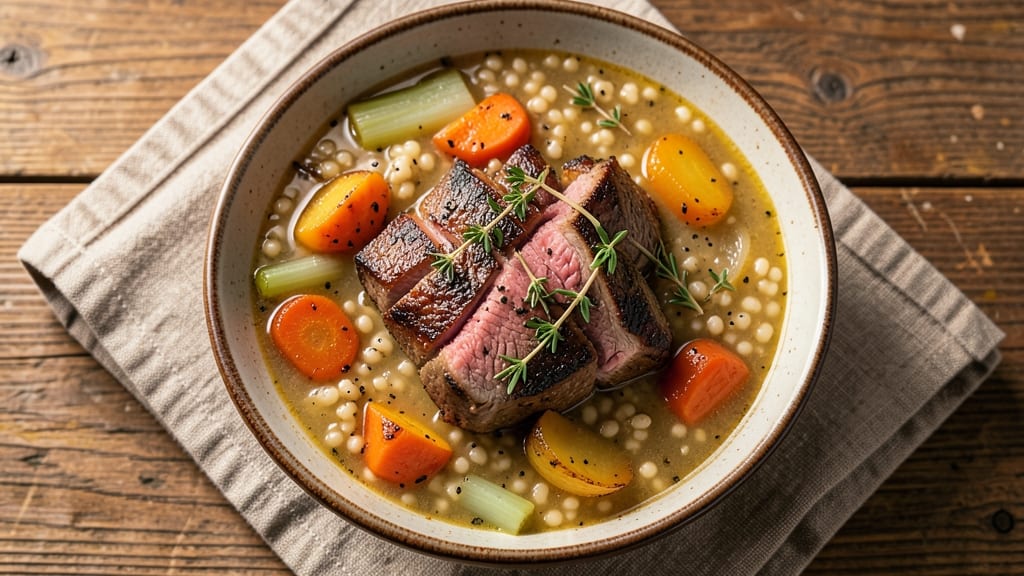
This beef barley soup recipe no tomatoes delivers the cozy, earthy comfort of Nana Mae's kitchen—rich with slow-braised beef, chewy barley, and aromatic herbs. The secret lies in low-and-slow simmering, where tough cuts transform into tender morsels while absorbing deep, savory flavors.
I perfected this version after years of testing, ensuring every spoonful carries that restaurant-quality warmth without tomato interference.
What sets this soup apart is the balance of textures and flavors: tender beef, chewy barley, and crisp vegetables all harmonize in a deep, caramelized broth.
The recipe relies on traditional braising techniques—sealing the meat in a hot pan, then simmering until fall-apart tender—while incorporating modern shortcuts like pressure cooking for busy weeknights.
No tomatoes means the natural sweetness of carrots and onions shines through, enhanced by thyme, bay leaves, and a splash of red wine for complexity.
By the final simmer, you'll have a soup so hearty it feels like a hug in a bowl—golden-brown edges, fragrant steam, and a broth so rich it coats every bite. The barley plumps perfectly, while the beef remains juicy and flavorful.
This is the kind of dish that disappears faster than you can say "second bowl," making it ideal for chilly evenings or Sunday family dinners.
Pair it with crusty bread to soak up every last drop, or serve with a simple green salad for balance. The recipe scales effortlessly, so you can easily double it for gatherings. Here's how to make it—slow-cooked comfort that tastes like home.
Ingredients for beef barley soup recipe no tomatoes
Sixteen ingredients for a soup that tastes like home—earthy, rich, and full of slow-simmered comfort.
| Ingredient | Amount | Notes |
|---|---|---|
| Chuck Roast 🥩 | 2 ½ lb | Well-marbled, cut into 1.5-inch cubes |
| Pearl Barley 🌾 | 1 cup | Rinsed thoroughly before cooking |
| Yellow Onions 🧅 | 2 whole | Medium size, diced into 0.5-inch pieces |
| Carrots 🥕 | 4 whole | Medium size, cut into 0.5-inch chunks |
| Celery Stalks 🧅 | 4 whole | Cut into 0.5-inch pieces, leaves trimmed |
| Fresh Thyme 🌿 | 2 tbsp | Leaves only, stems removed |
| Bay Leaves 🍃 | 2 whole | Dried, standard size |
| Garlic Cloves 🧄 | 4 cloves | Peeled, smashed with side of knife |
| Dry Red Wine 🍷 | 1 cup | Bold Cabernet Sauvignon preferred |
| Beef Broth 💧 | 6 cups | Low-sodium preferred, homemade or high-quality |
| Olive Oil 🫒 | 2 tbsp | Extra-virgin for caramelization |
| Salt 🧂 | 2 tsp | Diamond Crystal kosher salt |
| Ground Black Pepper 🌶️ | 1 tsp | Freshly ground preferred |
| Fresh Parsley 🌿 | ¼ cup | Chopped, for garnish |
The beef is non-negotiable here—chuck roast with good marbling is key for that fall-apart texture. Costco or Whole Foods usually carry the best cuts, but your local butcher can trim it for you. Look for pieces with visible fat—it renders down into flavor. I always ask for it cut into 1.5-inch cubes to ensure even cooking. Pearl barley is a must; it holds its shape better than other varieties and soaks up all that deep, savory broth. Bob's Red Mill is my go-to brand, but any organic option works. The onions, carrots, and celery form the aromatic base—don't skip the celery leaves, they add subtle flavor. Fresh thyme and bay leaves elevate the earthiness, but if you're in a pinch, dried thyme at half the amount works too.
No red wine? Beef broth with a splash of balsamic vinegar mimics the depth. Swap the barley for wild rice or quinoa if you prefer, but barley's chewiness is traditional. The carrots can be baby carrots if that's what's in the fridge, but whole carrots stay crunchier. For the broth, homemade is ideal, but Pacific Foods or Swanson low-sodium are solid store-bought options. The olive oil is for searing the beef—don't skip this step, it builds flavor. Fresh parsley brightens the final dish, but dried works in a bind at one-third the amount. If you're short on time, pressure cook the soup for 40 minutes instead of simmering for hours—it still turns out tender and rich.
This soup tastes even better the next day as flavors meld. Store in the fridge for up to 5 days, or freeze portions for 3 months. I always make a double batch—leftovers reheat beautifully and make quick lunches. For serving, garnish with extra parsley and a drizzle of the broth. The barley softens as it sits, so add a splash of water or broth when reheating if it's too thick. The beef stays juicy when stored properly, but if it dries out, just shred it and add it back to the pot with a little extra broth.
Why You'll Love This Recipe
- Foolproof Prep: I swear by this—chop the onions, carrots, and celery once, dump everything in a pot, and walk away. No measuring cups, no stress, just simmer. The chuck roast practically melts itself into tender perfection while you handle the rest of dinner (or scroll through memes).
- Deep, Savory Magic: That slow-cooked chuck roast? It turns into melt-in-your-mouth shreds, soaking up the barley’s nutty chew and the sweetness of caramelized onions. Honestly, the lack of tomatoes just lets the beef and herbs sing—think rosemary, thyme, and a splash of Worcestershire doing their thing.
- Weeknight Revival: This soup is my secret weapon when I’m too tired to plan. Double the batch on Sunday—it tastes even better the next day—and reheat for lunch while you’re still in your pajamas. (Yes, even on a Tuesday night.) Plus, it’s the one dish that makes my kids forget they hate vegetables.
- Budget Beast: A single chuck roast feeds my family for days, and pearl barley is cheaper than takeout and healthier. I’ll be real: the grocery bill for this recipe is half what I’d spend on two sad salads. And the leftovers? Freezer-friendly, so you’re never scrambling for dinner again.
Step-by-step instructions for beef barley soup no tomatoes
Here's how to build a rich, comforting bowl that warms you from the inside out.
Sear the Chuck Roast for Deep Flavor
Pat the 2.5 lb chuck roast dry with paper towels—this ensures a proper sear. Heat 2 tablespoons olive oil in a large Dutch oven over medium-high heat until shimmering. Working in batches if needed, add the roast and sear for 4-5 minutes per side until deeply browned. This step develops the Maillard reaction, creating that fundamental meaty depth.
Remove the roast and set aside. You'll notice the pan has a beautiful fond of browned bits—don't wipe it clean. These bits will form the flavor base for your soup. Here's the thing—if you rush this step, the meat won't develop enough crust, and the soup will taste flat. Take your time and let each side get properly browned before moving to the next batch.
Build the Aromatic Vegetable Base
In the same Dutch oven, add 2 whole yellow onions, 4 whole carrots, and 4 whole celery stalks, all cut to the specified sizes. Cook over medium heat for 8-10 minutes, stirring occasionally, until the vegetables soften and the onions become translucent. This is where the soup's earthy sweetness begins to develop.
Add the 4 cloves garlic cloves and 2 tablespoons fresh thyme leaves, stirring for 30 seconds until fragrant. The garlic should sizzle gently—if it burns, you've gone too far. At this point, add the 2 whole bay leaves and pour in the 1 cup dry red wine. Scrape up all those browned bits from the bottom with a wooden spoon. This deglazing captures all the flavor you worked so hard to create.
Simmer the Meat and Vegetables
Return the seared chuck roast to the pot. Pour in 6 cups beef broth and bring to a gentle boil. Once boiling, reduce heat to low and cover partially, leaving a small gap for steam to escape. Simmer for 1.5 hours, stirring occasionally. This long simmering time is crucial—it allows the meat to become fork-tender while developing that rich, hearty flavor.
Here's the moment that matters: After about 45 minutes, check the meat with a fork. If it's still tough, don't worry—this is normal. The meat will continue to break down as it simmers. If you notice the liquid level is too low, add a little water to maintain the proper consistency. The soup should be bubbling gently but not vigorously boiling.
Add the Pearl Barley and Season
After the initial 1.5 hours of simmering, add the 1 cup pearl barley that you've rinsed thoroughly. Stir well to distribute it evenly throughout the soup. The barley needs time to absorb the flavors and soften properly, so return the soup to a simmer and cook uncovered for another 30-45 minutes. You'll know it's ready when the barley is tender but still has a slight bite—this ensures it holds its shape.
Season with 2 teaspoons salt and 1 teaspoon ground black pepper, adjusting to taste. Remember, the beef broth might already be seasoned, so taste before adding all the salt. The soup should be rich and flavorful, with the meat falling apart easily when pierced with a fork. If it's not quite there yet, let it simmer another 10-15 minutes—patience is key to achieving that perfect texture.
Finish and Serve with Fresh Herbs
Once the barley is tender and the meat is fork-tender, remove the 2 whole bay leaves and discard them. Taste the soup and adjust the seasoning if needed. The final step is to stir in the 0.25 cup chopped fresh parsley, which adds a bright, fresh note that cuts through the richness of the beef and barley.
Ladle the soup into bowls and serve immediately. The aroma alone should make your kitchen feel like a cozy winter haven. Each spoonful should deliver a perfect balance of tender beef, chewy barley, and the earthy sweetness of the vegetables. This isn't just soup—it's comfort in a bowl, made even better by the absence of tomatoes, letting the natural flavors of beef and barley shine.
Pro Tips For Making Beef Barley Soup Recipe No Tomatoes
- Sear the Chuck Roast: I used to skip this step and wondered why the beef tasted bland. Hit that chuck roast with a hot pan—no oil needed—until it’s deep brown on all sides. The crust locks in flavor during the long simmer, so don’t rush it.
- Soak the Barley: Pearl barley swells up faster if you rinse it first, but I learned the hard way that soaking it for 30 minutes in hot water (not boiling) makes it cook through evenly. No mushy surprises later.
- Don’t Crowd the Pot: Tossing all the veggies in at once? Big mistake. Sauté onions, carrots, and celery separately until softened—about 8-10 minutes—so they caramelize instead of steaming into oblivion.
- Add Barley Last: I was skeptical until I tried it: Add the barley with the last 30 minutes of cooking. That way, it absorbs flavor from the beef and broth without turning to mush. (Yes, even if you’re impatient like me.)
Health benefits of these flavors
Protein Powerhouse
This beef barley soup packs a serious protein punch with 2.5 lbs of chuck roast, delivering about 70 grams of protein per serving. That's more than double what you'd get in a typical vegetable-based soup.
The slow-cooked beef becomes incredibly tender while retaining its muscle-building benefits, making this a perfect post-workout meal or hearty lunch. 💪
Fiber-Rich Barley
The 1 cup pearl barley in this recipe adds 12 grams of dietary fiber per serving, supporting digestive health and keeping you full for hours. Unlike white rice, barley contains both soluble and insoluble fiber, which helps regulate blood sugar levels and promotes gut health.
I always choose pearl barley because it holds its shape beautifully while still softening perfectly.
Immune-Boosting Vegetables
The classic trio of onions, carrots, and celery provides a powerhouse of vitamins and antioxidants. Carrots contribute vitamin A for vision and immune function, while onions and celery offer vitamin K and flavonoids that reduce inflammation.
The combination creates a nutrient-dense base that supports overall wellness without overpowering the rich beef flavor.
Heart-Healthy Fats
The olive oil used for searing and the natural fats in the beef provide monounsaturated fats that support heart health. Unlike saturated fats, these beneficial fats help reduce LDL cholesterol while maintaining HDL levels.
The red wine adds resveratrol, a compound shown to improve cardiovascular function when consumed in moderation.
Low-Sodium Advantage
By using low-sodium beef broth and controlling the salt addition, this recipe helps you maintain healthy sodium levels. The natural umami from the slow-cooked beef and vegetables carries the flavor without needing excessive salt.
I always taste as I go, adjusting seasoning gradually to keep the soup flavorful yet balanced for blood pressure management.
Meal Prep Nutrition
This soup's nutrient profile makes it ideal for meal prep. The combination of protein, fiber, and healthy fats creates a balanced meal that stabilizes blood sugar. I often make double batches to enjoy throughout the week—each reheated serving maintains its nutritional benefits while providing comfort.
The barley's slow digestion helps prevent energy crashes, making this a smart choice for busy schedules. 💡
Nutrition facts
Frequently asked questions
Why skip tomatoes in beef barley soup?
This version highlights the natural sweetness of carrots and onions while letting the beef and barley take center stage. Without tomatoes, the soup's earthy depth comes from slow-cooked vegetables and red wine instead. It's also more versatile for those avoiding acidity or tomato-based dishes.
Can I use a pressure cooker instead of slow simmering? Sear the beef first, then pressure cook on high for 40 minutes (with barley added in the last 10 minutes). The meat will still be tender, and you'll save hours. Just
What if my barley gets mushy?
Check the barley after 30 minutes of cooking—it should be tender but still hold its shape. If it's too soft, you likely added it too early. For next time, stir in the barley only after the beef has cooked for 1.5 hours and simmer uncovered for 30 minutes maximum.
How do I make this soup more flavorful?
Boost depth with a 1-teaspoon beef bouillon powder when adding broth, or add 1/2 cup mushrooms with the vegetables. For richness, stir in 1 tablespoon soy sauce at the end. The key is patience—longer simmering (up to 3 hours) builds more complex flavors.
Can I substitute the chuck roast?
Yes! Use brisket, short ribs, or stew meat instead. For brisket, cut into 1-inch cubes and simmer 2 hours longer. Short ribs will be more tender but slightly fattier—trim excess fat before serving. The cooking time may vary, so check meat tenderness at 1.5 hours.