
Soups & Stews
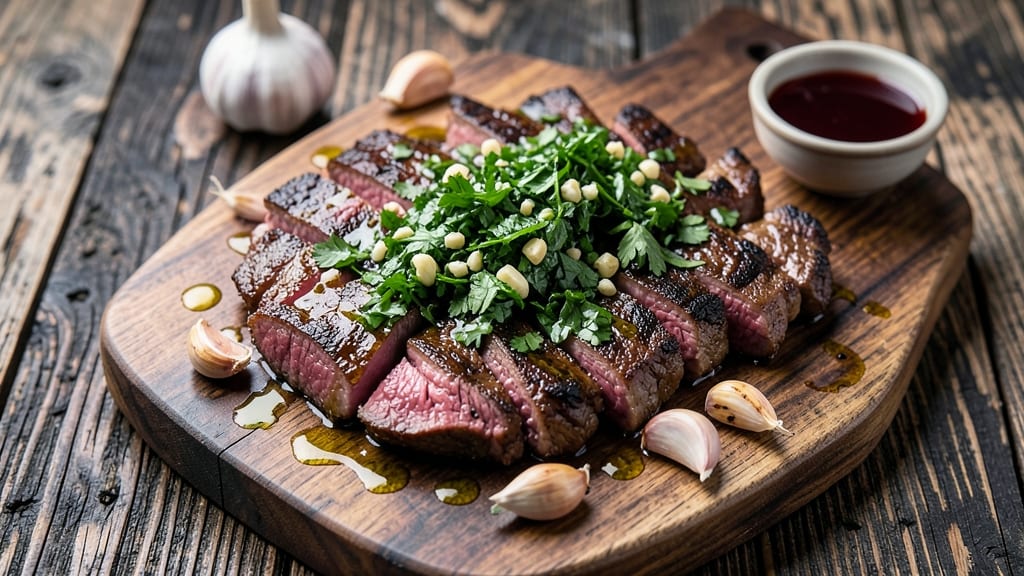
This Argentinian beef asado recipe transforms your grill into the heart of a Buenos Aires parrilla, where smoky wood fire and chimichurri sauce create magic. 🔥 The secret lies in mastering indirect heat and wood fire techniques that tenderize tough cuts like skirt steak or flank steak, turning them into melt-in-your-mouth perfection.
This isn't just a meal—it's an experience that brings the vibrant social tradition of asado to your backyard or patio.
The key to authentic flavor begins with the chimichurri sauce, a bright green herb blend of parsley, garlic, vinegar, and olive oil that cuts through the richness of the beef.
While the meat rests, you'll prepare accompaniments like grilled vegetables and crusty bread to soak up every last drop of that smoky, herby goodness. The combination of wood fire's aromatic depth and the fresh acidity of chimichurri creates a balance that's impossible to resist.
What makes this recipe truly special is how it captures the essence of an Argentine asado—the way friends gather around the grill, the sizzle of meat hitting hot coals, and the shared plates of perfectly cooked cuts.
The beef develops a beautiful crust while staying juicy inside, and the chimichurri adds a zesty contrast that makes every bite unforgettable. This is restaurant-quality dining with a backyard feel.
Whether you're hosting a gathering or treating yourself to a special meal, this beef asado recipe delivers the full experience. The wood fire adds that authentic smoky flavor, while the chimichurri sauce brings freshness to every bite.
Let's bring the soul of Argentina to your grill—here's how to create this masterpiece.
Ingredients for beef asado argentina
Six ingredients transform your grill into Argentina's heart with smoky wood fire magic.
| Ingredient | Amount | Notes |
|---|---|---|
| Skirt Steak 🥩 | 3 lb | Thinly sliced against grain |
| Flank Steak 🥩 | 2 lb | Thinly sliced against grain |
| Fresh Flat-Leaf Parsley 🌿 | 2 cups | Stems removed, tightly packed |
| Garlic Cloves 🧄 | 8 cloves | Peeled, slightly crushed |
| Red Wine Vinegar 🍷 | ½ cup | Not balsamic |
| Extra-Virgin Olive Oil 🫒 | 1 cup | Light, fruity variety |
| Kosher Salt 🧂 | 1 ½ tbsp | Diamond Crystal preferred |
| Ground Black Pepper 🌶️ | 1 tbsp | Freshly cracked |
| Red Bell Pepper 🌶️ | 1 whole | Grilled, sliced |
| Red Onion 🧅 | 1 whole | Thinly sliced |
| Crusty Bread 🍞 | 2 loaves | Baguette-style, sliced |
| Hardwood Charcoal Chunks 🔥 | 4 lb | Quebracho or almond |
| Fresh Oregano 🌿 | ¼ cup | Chopped, optional |
| Lemon Wedges 🍋 | 4 wedges | For serving |
| Grilled Asparagus 🌱 | 1 lb | Trimmed, spears |
The beef cuts are non-negotiable—skirt and flank deliver that signature asado tenderness. Local butchers or specialty markets like Whole Foods carry them pre-sliced, but ask for cuts sliced against the grain if buying whole. For wood, quebracho or almond charcoal gives that authentic smoky depth—Costco or Traeger stores stock these. Fresh parsley is a must for chimichurri; Latin markets often sell it in larger bunches for better value. The garlic should be plump and firm—no shriveled cloves here.
No red wine vinegar? Apple cider vinegar works in a pinch, though it lacks that bright acidity. Olive oil quality matters—Spanish or Italian varieties like Bertolli or Colavita shine here. For the grill, hardwood charcoal chunks are essential; lump charcoal burns hotter but lacks the slow, smoky release. Swap flank for ribeye if needed, but it'll be less tender. The grilled bell pepper and onion can be roasted in the oven if grilling space is tight—just toss them with olive oil and salt.
Chimichurri keeps for 5 days in the fridge, sealed under olive oil. The beef? Rest it 10 minutes before slicing—this is where the magic happens. Charcoal chunks can be reused 2-3 times if stored in a metal container. For leftovers, wrap beef tightly with parchment and freeze for up to 3 months. The crusty bread? Toast it fresh—no microwave revivals here. Every bite should feel like you're in Buenos Aires.
Why You'll Love This Recipe
- Minimal Chopping Required: The parsley gets a rough chop—no precision needed—while the garlic just gets smashed. I’m talking five minutes of prep, tops, and that’s before you even think about the grill.
- Tangy-Garlicky Magic: That red wine vinegar and crushed garlic? It’s what turns tough cuts into something tender and ridiculously flavorful. The skirt steak practically sings when it hits the grill—crispy outside, juicy inside, with that bright, herby kick.
- Weeknight or Weekend: Throw it on the grill for a casual dinner or double the batch for a party. Between us, it’s my go-to for both: easy enough for a Tuesday, impressive enough for company. (Yes, even on a Tuesday night.)
- Budget Meal, Big Payoff: Skirt and flank steak are affordable, but they feel like a splurge. Here’s what sold me—the leftovers? Just as good cold in sandwiches or reheated for tacos. No waste, all flavor.
Step-by-step instructions for smoky grill masterpiece with chimichurri magic
Let's bring Argentina's legendary asado to your grill with bold flavors and perfect technique.
🔥 Step 1: Prepare the Chimichurri Sauce
In a food processor, combine the 2 cups fresh flat-leaf parsley, 8 peeled garlic cloves, 0.5 cup red wine vinegar, and 1.5 tablespoons kosher salt. Pulse until finely chopped but not puréed—you want texture. With the processor running, slowly drizzle in the 1 cup extra-virgin olive oil until fully incorporated. Transfer to a bowl and stir in the 0.25 cup chopped fresh oregano if using. Taste and adjust seasoning with more salt or vinegar if needed.
This vibrant green sauce is the soul of asado—bright, herby, and tangy. Let it sit at room temperature for 30 minutes before using so the flavors meld. The acidity tenderizes the meat while the herbs add freshness. Don't skip this resting time; it makes all the difference.
👨🍳 Step 2: Marinate the Beef
In a large bowl, combine the 3 lb skirt steak and 2 lb flank steak (both sliced against the grain). Add 1 tablespoon ground black pepper and toss to coat evenly. Pour half of the chimichurri sauce over the meat and massage it into every slice. Cover and marinate in the refrigerator for at least 4 hours, preferably overnight. This step ensures tender, flavor-packed bites that practically melt in your mouth.
Real talk: don't rush the marinating. The acid in the chimichurri breaks down tough muscle fibers, creating that signature Argentine tenderness. If you're short on time, a minimum of 2 hours still works, but overnight is ideal for maximum flavor penetration.
🔥 Step 3: Set Up the Argentine Grill
Build a two-zone fire in your grill using 4 lb hardwood charcoal chunks (quebracho or almond preferred). Create one side with direct heat for searing and one side with indirect heat for slow cooking. Let the coals burn until they're covered in white ash—this ensures steady, smoky heat. Place the 1 whole red bell pepper and 1 whole red onion on the direct heat side to grill until charred and blistered.
Here's the thing—Argentine asado is all about low-and-slow cooking with high heat for finishing. The indirect heat keeps the meat juicy while the direct heat side gives you that perfect sear. Once the coals are ready, clean the grates thoroughly with a grill brush to prevent sticking.
🍳 Step 4: Grill the Beef to Perfection
Remove the beef from the marinade (reserve the marinade for basting) and pat dry with paper towels. Grill over the direct heat for 2-3 minutes per side until deeply browned and slightly charred. Then move the beef to the indirect heat side and continue cooking for 5-7 minutes until it reaches 130-135°F for medium-rare (use a meat thermometer). Baste with the reserved chimichurri marinade every 2-3 minutes to keep it moist and flavorful.
You'll know it's ready when the internal temperature hits your desired doneness and the edges are beautifully charred. For flank and skirt steak, this quick cook time is crucial—overcooking turns them tough. Remove the beef to a cutting board and tent loosely with foil to rest for 10 minutes before slicing.
🥘 Step 5: Assemble the Asado Feast
Slice the rested beef against the grain into ¼-inch thick strips. Arrange on a platter with the grilled red bell pepper and onion slices, 1 lb grilled asparagus, and 2 loaves crusty bread (toasted if desired). Drizzle any remaining chimichurri sauce over the top and serve with the 4 lemon wedges for a bright finish.
This is where the magic happens—every bite should deliver smoky, juicy beef with that fresh chimichurri cutting through the richness. The grilled vegetables add color and texture, while the crusty bread soaks up every last drop of sauce. Serve immediately while everything is hot and the flavors are at their peak!
Pro Tips For Making Beef Asado Argentina
- Slice Against the Grain: I learned this the hard way—cutting flank and skirt steak the wrong way turns tender meat into chewy rubber. Look for the muscle fibers, then slice perpendicular to them. Yes, it’s fiddly, but the payoff is worth it.
- Salt the Meat First: Don’t wait until the last minute. Pat the skirt and flank dry, then generously salt them at least 30 minutes before cooking—this helps the crust form better. I used to skip this, and the seasoning always felt half-baked.
- Use a Cast-Iron Skillet: Forget nonstick pans—they won’t give you that deep, caramelized crust. A hot cast-iron skillet sears the meat fast and even. If you don’t have one, a heavy stainless steel pan works, but watch the heat—it’s harder to control.
- Deglaze with Red Wine Vinegar: After searing, don’t just toss the garlic and parsley into the pan. Splash in about 2 tablespoons of red wine vinegar—it cuts through the richness and adds brightness. Let it simmer for 30 seconds so the flavors meld before serving. Trust me, it makes a real difference.
Serving suggestions for this recipe
Traditional Asado Plating
Argentinians serve asado family-style on a large wooden board or platter, with beef arranged in the center surrounded by grilled vegetables and bread. Use a large wooden cutting board or slate platter to mimic the rustic parrilla style.
Slice the beef against the grain into ¼-inch strips and fan them out in concentric circles—this creates visual appeal while keeping portions accessible for sharing. 🌟
Keep the chimichurri sauce in a small bowl at the center of the table so guests can drizzle it freely over their meat. The vibrant green color contrasts beautifully with the charred beef and grilled vegetables.
For authenticity, use metal serving utensils—forks and knives—rather than plastic, as they're traditional in Argentine gatherings.
Vegetable Arrangement
The grilled red bell pepper and onion slices should be arranged in a loose pile near the beef, their charred edges adding visual interest. Toss the 1 lb grilled asparagus with a pinch of flaky sea salt before arranging them in a fan shape around the platter.
This creates a colorful border that makes the beef the star while adding freshness to each bite.
Don't overlook the crusty bread—slice it into thick pieces and arrange them in a basket at the center or around the platter. The bread should be warm and slightly crispy, perfect for soaking up any remaining chimichurri or juices from the beef.
A few lemon wedges on the side add a pop of color and bright acidity.
Argentinian Beverage Pairings
No asado is complete without a cold Argentinian Malbec or Torrontés white wine. The bold fruit notes of Malbec complement the smoky beef, while the floral Torrontés cuts through the richness beautifully.
For a non-alcoholic option, serve hibiscus iced tea (known as "agua de jamaica"), which adds a refreshing tartness that balances the meal.
Traditional Argentine sodas (soft drinks) like Coca-Cola Classic or Pepsi are also popular—these nostalgic flavors pair surprisingly well with the hearty meal. For a festive touch, serve fernet with Coke—a classic Argentine cocktail made by mixing Fernet-Branca with chilled Coca-Cola.
It's an acquired taste but becomes a favorite at any asado gathering.
Serving Etiquette
In Argentina, asado is a communal experience—everyone shares from the same platter. Use your hands to tear pieces of beef and vegetables, then dip them into the chimichurri. The bread serves as both a utensil and a side dish, so tear off pieces to soak up any juices or sauce.
This hands-on approach makes the meal feel even more authentic and social.
Encourage your guests to try everything—Argentinians believe in sharing all parts of the meal equally. Start with the beef, then move to the vegetables and bread. The chimichurri should be passed around so everyone can add it to their liking.
This communal style is what makes asado so special—it's not just about the food, but the experience of sharing it together. 💛
Nutrition facts
Frequently asked questions
Can I substitute skirt steak with another cut?
Yes! For flank steak, use 2 lb instead of skirt, but it's less tender. Better options include ribeye steak (cut into strips) or short ribs (cook longer, 20-25 minutes for medium-rare). Avoid tough cuts like chuck—Argentine asado relies on quick-cooking, flavorful pieces that stay juicy.
How do I know when the beef is perfectly cooked?
Use a meat thermometer for accuracy: 130-135°F for medium-rare (ideal for skirt/flank). For flank, the edges should be charred while the center stays pink. If using short ribs, aim for 145°F—they're more forgiving. Never rely on time alone; thickest parts need to reach these temps.
Can I make chimichurri ahead of time?
Chimichurri keeps for 5 days in the fridge, stored under olive oil in an airtight container. For best flavor, let it sit at room temp for 30 minutes before using. The acidity mellows slightly, making it even more balanced. Freeze extras in ice cube trays for single-use portions.
What if my grill doesn't have indirect heat?
Move half the coals to one side, creating a hot zone and cooler zone. For gas grills, turn one burner to high and others to medium. If you lack charcoal, use wood chips in a foil pouch on the hot side for smoky flavor. The key is maintaining medium heat after the initial sear.
Is asado traditionally served with chimichurri?
Not always! While chimichurri is iconic, Argentines often use salsa criolla (onion-tomato sauce) or serve raw onions with salt. The sauce you make here is a modern twist—authentic but flexible. For purists, swap it for olive oil and oregano only. Both work beautifully with grilled beef.