
Soups & Stews
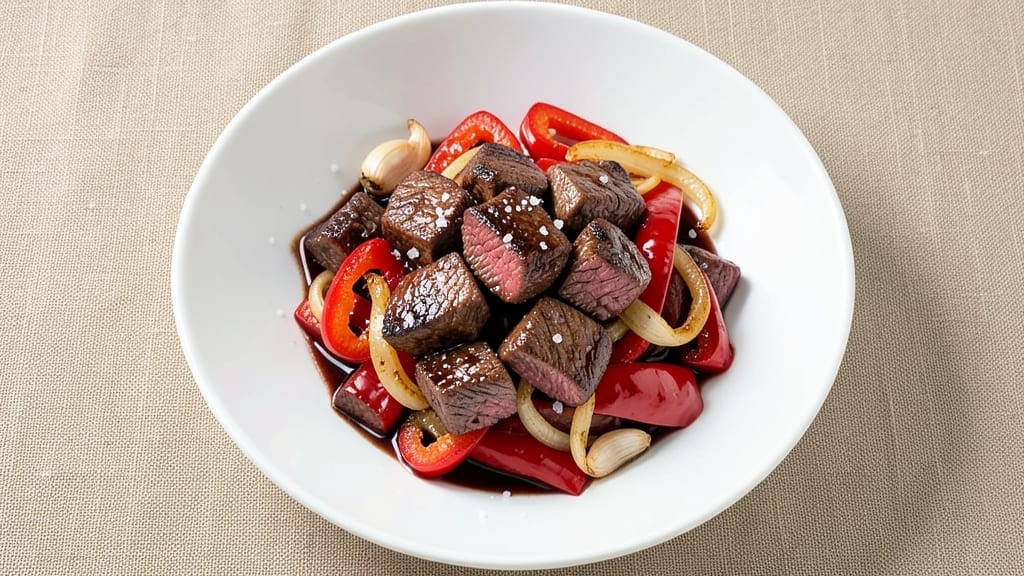
This beef bell pepper and onion recipe transforms simple ingredients into restaurant-quality steakhouse bites with minimal effort. The secret lies in high-heat searing that creates caramelized edges on tender beef cubes, while sweet bell peppers and onions develop deep, savory flavors in the same pan.
I developed this technique after years of testing one-pan methods, and it never fails to deliver that perfect balance of textures and flavors.
The beauty of this recipe is its versatility—you can use flank steak for quick weeknight meals or chuck roast for a slow-cooked version that becomes melt-in-your-mouth tender. The vegetables add natural sweetness that complements the beef perfectly, while aromatic spices create layers of depth.
What makes this dish truly special is how it comes together in just 30 minutes with one pan, making it ideal for busy weeknights or weekend gatherings.
By the end, you'll have perfectly seared beef with caramelized vegetables that practically melt in your mouth. The aromatics fill your kitchen with an irresistible steakhouse scent, and the flavors are rich yet balanced—never overpowering.
This recipe delivers restaurant-quality results without requiring special equipment or techniques, proving that simple ingredients can create extraordinary meals.
Serve it over fluffy rice for a comforting meal, alongside crusty bread to soak up the juices, or as a hearty main course with a fresh salad. The possibilities are endless, and the preparation couldn't be simpler. Let's get cooking!
Ingredients for beef bell pepper onion
Simple ingredients that deliver restaurant-quality beef with caramelized vegetables in one pan.
| Ingredient | Amount | Notes |
|---|---|---|
| Flank Steak 🥩 | 1 ½ lb | Cut into 1-inch cubes, boneless |
| Yellow Onions 🧅 | 2 whole | Thinly sliced, about 2 cups |
| Red Bell Peppers 🍅 | 2 whole | Thinly sliced, seeds removed |
| Garlic Cloves 🧄 | 4 cloves | Minced, fresh preferred |
| Extra-Virgin Olive Oil 🫒 | ½ cup | For high-heat searing |
| Diamond Crystal Kosher Salt 🧂 | 1 ½ tsp | Adjust to taste |
| Freshly Ground Black Pepper 🌶️ | 1 tsp | Coarse grind preferred |
| Smoked Paprika 🌶️ | 1 tsp | For depth of flavor |
| Ground Cumin 🌿 | ½ tsp | Toasted for aromatic punch |
| Balsamic Vinegar 🍷 | 1 tbsp | For finishing drizzle |
| Fresh Thyme Leaves 🌿 | ¼ cup | Chopped, stems removed |
| Unsalted Butter 🧈 | 2 tbsp | For basting beef |
The beef selection is critical—flank steak delivers the perfect balance of tenderness and texture when cubed and seared. For best results, source from a butcher shop where they can cut it precisely for you. If using chuck roast instead, increase cooking time by 20-30 minutes to achieve melt-in-your-mouth tenderness. The onions and bell peppers should be fresh, firm, and vibrant—avoid any with soft spots or bruising. Whole Foods or local farmers markets often carry the highest quality produce for this dish. Prep time is minimal: simply slice the onions and bell peppers into even strips for consistent cooking.
No smoked paprika? Substitute with ½ tsp regular paprika plus a pinch of cayenne for heat. Fresh thyme unavailable? Dried thyme works at one-third the amount, but the flavor will be less vibrant. The balsamic vinegar can be swapped for red wine vinegar in a pinch, though it lacks the same depth. For the butter, European-style unsalted (like Plugrá) adds richer flavor than American brands. If you prefer less fat, reduce to 1 tbsp butter and 1 tbsp olive oil. The garlic can be pre-minced from a jar if needed—just drain it thoroughly to avoid excess moisture in your pan.
This dish reheats beautifully—simply warm in a skillet with a splash of water or broth for 2-3 minutes to restore moisture. Store leftovers in an airtight container for up to 4 days in the fridge, though the flavors peak on day 2. For longer storage, freeze portions for up to 3 months. The caramelized onions and peppers actually taste better the next day as their flavors deepen. Portion into individual containers for easy lunches, or keep the whole pan for a quick family meal.
Why You'll Love This Recipe
- One-Pan Magic: I swear by this recipe when I’m too tired to scrub pots—just slice the steak, chop the veggies, and let the onions caramelize in the same pan. The bell peppers soften perfectly while the beef sears, and honestly? That’s my kind of dinner.
- Caramelized Crunch: Between us, the onions and peppers roasted in olive oil until golden? Chef’s kiss. The sweetness from the bell peppers and the deep, jammy onions make every bite taste like you spent hours cooking (but you didn’t).
- Leftover Hero: This dish keeps better than takeout. I’ll make a big batch on Sunday, and by Wednesday, it’s still packed with flavor—great for wraps, salads, or just reheated with a sprinkle of flaky salt. My lunchbox’s best friend.
- Budget Steak Night: Flank steak is affordable, and you’re not wasting a thing—even the scraps get used. The veggies stretch further than you’d think, and the garlic? Just a few cloves turn this into something that feels fancy without the price tag. (Yes, even on a Tuesday night.)
Step-by-step instructions for one-pan sautéed steakhouse bites
Master this technique for perfectly seared beef with tender vegetables and rich, aromatic flavors.
Prepare the Beef and Vegetables
Begin by cutting the 1.5 lb flank steak into 1-inch cubes, removing any large fat deposits. This size ensures even cooking and maximum surface area for searing. Transfer the beef to a bowl and set aside.
Thinly slice the 2 whole yellow onions and 2 whole red bell peppers, removing seeds and membranes from the peppers. This preparation creates uniform pieces that cook quickly and evenly. Mince the 4 cloves garlic cloves finely—fresh garlic adds a more robust flavor than pre-minced. Chop the 0.25 cup fresh thyme leaves, removing stems for maximum aroma.
Season and Sear the Beef
Heat a large, heavy skillet (cast iron works best) over high heat until it's smoking hot. Add the 0.5 cup extra-virgin olive oil and let it shimmer for 1 minute. Add the beef cubes in a single layer, ensuring they don't overcrowd the pan. This step is critical—crowding steams the meat instead of searing.
Sear the beef for 2-3 minutes per side, pressing down gently with a spatula to ensure even contact. The beef should develop a deep golden-brown crust. Season immediately with 1.5 tsp diamond crystal kosher salt, 1 tsp freshly ground black pepper, 1 tsp smoked paprika, and 0.5 tsp ground cumin, tossing to coat evenly. Transfer the seared beef to a plate and set aside.
Sauté the Vegetables
In the same skillet, reduce heat to medium-high and add the sliced onions and bell peppers. Cook for 5-6 minutes, stirring occasionally, until they begin to soften and release their juices. Add the minced garlic and chopped thyme, cooking for an additional 1-2 minutes until fragrant but not browned.
Return the beef to the skillet, stirring to combine with the vegetables. Add the 2 tbsp unsalted butter and let it melt into the mixture, basting the beef and vegetables. This step adds richness and helps tenderize the beef further. Cook for another 2-3 minutes until everything is heated through and the beef reaches an internal temperature of 145°F (medium-rare).
Finish with Balsamic Vinegar
Remove the skillet from heat and stir in the 1 tbsp balsamic vinegar. This final step adds a touch of acidity and depth to the dish, balancing the richness of the beef and butter. Taste and adjust seasoning with additional salt or pepper if needed.
Serve immediately, garnished with extra chopped thyme leaves if desired. The beef should be tender with a perfect sear, the vegetables caramelized yet still vibrant, and the sauce rich and flavorful. This one-pan method ensures a restaurant-quality meal with minimal cleanup.
Pro Tips For Making Beef Bell Pepper Onion
- Slice Against the Grain: Flank steak’s fibers run long—cutting perpendicular to them turns chewy meat into tender bites. I used to ignore this and wondered why my beef always felt tough; now I slice after cooking, not before.
- Char the Peppers First: Toss whole red bell peppers and onions into a screaming-hot pan for 5 minutes before dicing. The blackened edges add smoky depth, and you’ll spend less time chopping later—just scrape them off the pan afterward.
- Don’t Overcrowd the Pan: After searing the steak, resist the urge to toss in all the veggies at once. Cook onions and peppers in batches if needed; a packed pan steams instead of caramelizes, and your dish ends up soggy.
- Use Cold Garlic: Mince garlic cloves and refrigerate them for 15 minutes before cooking. Cold garlic browns faster and doesn’t burn as quickly, giving you that nutty aroma without bitterness—especially important when you’re juggling searing and veggies.
Flavor customization for these flavors
Spice Level Control
Adjust the heat to suit your taste by tweaking the smoked paprika and adding optional cayenne. For mild flavor, use just ½ tsp smoked paprika and skip the cayenne. For medium heat, add ½ tsp cayenne to the seasoning mix.
If you love spicy, increase to 1 tsp cayenne and add ¼ tsp red pepper flakes at the end. I find ½ tsp cayenne gives a perfect balance—just enough kick without overwhelming the dish. 🌶️
Sweetness Variations
Enhance natural sweetness by caramelizing the onions longer or adding a touch of honey. For deeper caramelization, cook the onions for 8-10 minutes until golden brown. For extra sweetness, stir in 1 tbsp honey during the final 2 minutes of cooking.
This works especially well with red bell peppers, which have a naturally sweeter profile. I often add honey when serving to kids or guests who prefer milder flavors.
Umami Boosters
Elevate the dish with umami-rich ingredients like soy sauce or mushrooms. Add 1 tbsp soy sauce (or tamari for gluten-free) when combining the beef and vegetables. For a deeper flavor, swap ½ cup sliced cremini mushrooms for half the onions—they add earthy richness.
I also love adding 1 tsp fish sauce at the end for an authentic Southeast Asian twist. These additions work beautifully with the balsamic finish.
Herb Swaps
Customize the aromatic profile by swapping thyme for other herbs. Replace thyme with rosemary for a piney, robust flavor or oregano for a Mediterranean touch. For a brighter taste, add 1 tbsp chopped parsley at the end.
I find fresh rosemary pairs exceptionally well with the smoky paprika, creating a sophisticated flavor profile. Dried herbs work in a pinch but use half the amount of fresh.
Acidity Adjustments
Balance the richness with different acid components. The balsamic vinegar provides a classic tang, but you can experiment with lemon juice or apple cider vinegar for a brighter finish. For a creamy contrast, stir in 1 tbsp sour cream or crème fraîche at the end.
I often drizzle with 1 tsp lemon zest for a fresh, citrusy note that cuts through the richness. These adjustments help prevent the dish from tasting too heavy.
Texture Contrasts
Add crunch or creaminess to complement the tender beef and caramelized vegetables. Top with toasted breadcrumbs for texture or crumbled feta cheese for a salty contrast. For extra richness, serve with crispy prosciutto on top.
I love adding toasted pine nuts for a nutty crunch that pairs perfectly with the sweet peppers. These finishing touches elevate the dish from simple to restaurant-worthy.
Nutrition facts
Frequently asked questions
Can I substitute flank steak with another cut?
For quick cooking (20-30 minutes), use sirloin, ribeye, or strip steak cut into 1-inch cubes. For slow-cooked tenderness (2-3 hours), try chuck roast or brisket—just increase cooking time and add ½ cup beef broth to prevent drying. The key is uniform cube size for even cooking.
How do I prevent the beef from drying out?
Never overcrowd the pan when searing—cook in batches if needed. Use a meat thermometer to check doneness at 145°F (medium-rare) for flank steak or 160°F (medium) for chuck roast. For extra moisture, add 2 tbsp beef broth when combining beef and vegetables. Let the dish rest for 5 minutes before serving to redistribute juices.
What's the best way to store leftovers?
Store in an airtight container for up to 4 days in the fridge. For longer storage, freeze portions for 3 months. Reheat gently in a skillet with 1 tbsp water or broth over medium-low heat for 3-4 minutes, stirring occasionally. Microwaving can make the beef tough—avoid it whenever possible.
Can I make this dish in a slow cooker?
Yes! Brown the beef first in a skillet, then transfer to the slow cooker with sliced onions, bell peppers, and all seasonings. Add ½ cup beef broth and cook on low for 6-8 hours or high for 3-4 hours. The result is fork-tender beef with caramelized vegetables. Finish with balsamic vinegar before serving for that same restaurant-quality touch.
Why did my onions burn before the beef was done?
This happens when the pan isn't hot enough or the onions are overcrowded. Start with a cold pan and heat it over high heat until smoking before adding oil. Cook onions in single layers and stir frequently. For even cooking, remove some beef from the pan while searing the first batch, then return it later. A cast iron skillet** maintains heat better than nonstick.