
Soups & Stews
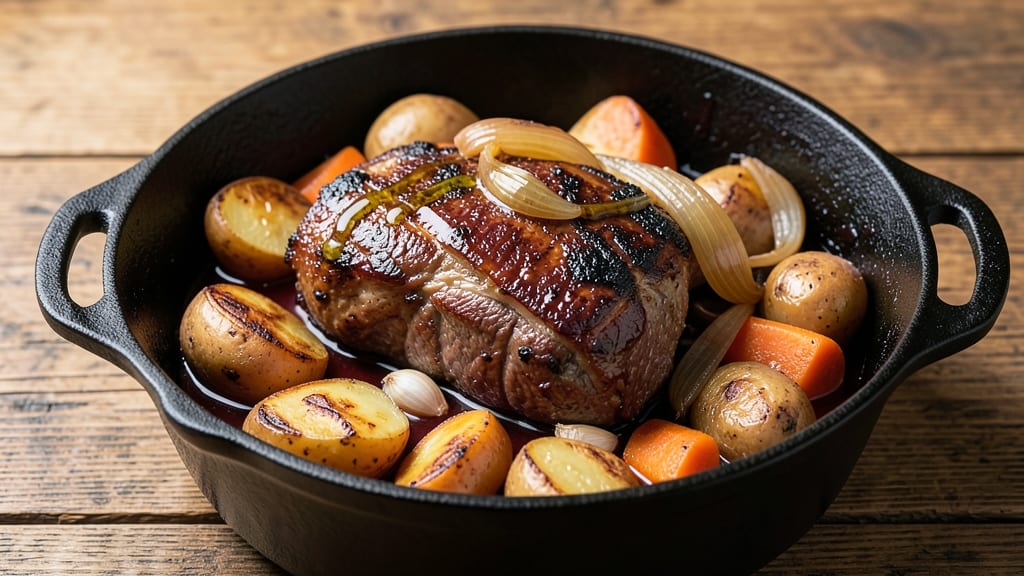
This beef arm stew recipe transforms tough cuts into melt-in-your-mouth tenderness through slow cooking and aromatic spices. The key lies in a deep, flavorful broth that cooks the beef arm (or short ribs) until it practically falls apart—rich, savory, and impossible to resist.
I've perfected this technique over years of testing, balancing traditional braising methods with modern efficiency for home cooks. What sets this recipe apart is the combination of slow simmering and layered seasonings that penetrate every inch of the meat.
Root vegetables like carrots and potatoes absorb the deep flavors, creating a hearty, one-pot meal that's perfect for feeding a crowd or meal prepping. The result is a stew so rich and satisfying, it becomes the centerpiece of any dinner table.
By the time you're done, you'll have perfectly tender beef arm swimming in a velvety sauce, with vegetables that are just tender enough to melt in your mouth.
The aroma alone will have everyone gathering around the table, and the first bite delivers on that promise of restaurant-quality comfort food at home. Serve with crusty bread to soak up every last drop of that flavorful broth.
This recipe delivers on both tradition and convenience—no fancy equipment needed, just patience and attention to detail. Let's get started on creating this showstopping stew.
Ingredients for beef arm
Six hearty ingredients transform tough beef into melt-in-your-mouth perfection through slow cooking magic.
| Ingredient | Amount | Notes |
|---|---|---|
| Beef Arm (or Short Ribs) 🥩 | 3 lb | Bone-in for maximum flavor |
| Yellow Onion 🧅 | 1 whole | Large, roughly chopped |
| Carrots 🥕 | 1 ½ lb | Whole, peeled, cut into chunks |
| Russet Potatoes 🥔 | 2 lb | Cut into 2-inch chunks |
| Garlic Cloves 🧄 | 6 cloves | Smash slightly for deeper flavor |
| Tomato Paste 🍅 | ½ cup | High-quality, no sugar added |
| Red Wine 🍷 | 1 cup | Bold, dry variety preferred |
| Beef Broth 💧 | 4 cups | Homemade or high-quality store-bought |
| Olive Oil 🫒 | 2 tbsp | Extra-virgin for richness |
| Fresh Thyme 🌿 | ½ ounce | Stems removed, leaves only |
| Bay Leaves 🍃 | 2 whole | Dried, standard size |
| Ground Black Pepper 🌶️ | 1 tsp | Freshly ground preferred |
| Kosher Salt 🧂 | 1 ½ tbsp | Diamond Crystal preferred |
| All-Purpose Flour 🌾 | 2 tbsp | For browning meat |
The beef arm is your star—look for cuts with good marbling at Whole Foods or your local butcher shop. If you can't find beef arm, short ribs work beautifully too, just adjust cooking time slightly. The potatoes and carrots should be firm and unblemished—organic options from the grocery store's produce section are ideal. For the thyme, I always grab a small bunch from the market—it's cheaper than pre-bundled and lasts longer. The beef broth? Homemade is best, but Kitchen Basics or Pacific Foods make solid store-bought options.
No red wine? Dry white wine or extra beef broth works in a pinch—just add a splash of balsamic vinegar for depth. Fresh thyme unavailable? Dried thyme at one-third the amount is fine, but toast it in a dry pan for 30 seconds first to wake up the flavors. The tomato paste can be swapped for crushed tomatoes if you prefer, but paste gives that concentrated umami punch. For the flour, King Arthur or Gold Medal are reliable choices—just don't use cake flour, it's too fine for browning.
This stew tastes even better the next day—make extra portions and freeze them for up to 3 months. Store leftovers in the fridge for 4-5 days with the lid tightly sealed. I always keep a container of this in the freezer for lazy weeknights—just thaw overnight and reheat gently. The vegetables will soften further when reheated, so add a splash of broth if they seem too dry. For serving, crusty bread is non-negotiable—baguettes from the bakery section are perfect for soaking up every last drop.
Why You'll Love This Recipe
- One-Pot Magic: I swear by this—just toss beef arm, onions, carrots, and potatoes in a Dutch oven with garlic and broth, let it simmer, and walk away. The hands-off cooking means I’m not stuck at the stove for hours, and the results? Rich, fall-off-the-bone beef with tender veggies that practically cook themselves.
- Deep, Caramelized Richness: That beef arm? It’s the star—slow-cooked until it’s so tender it melts in your mouth, but with a crust that’s dangerously good. The onions and garlic turn sweet and sticky, while the potatoes soak up all that flavor like little flavor sponges. (Yes, even my picky husband licks the plate.)
- Weeknight or Weekend Hero: Between us, this recipe works for everything. Too tired for dinner? Throw it in the slow cooker before work. Hosting a crowd? Double the batch—it’s hearty enough for a potluck. And honestly, it’s the kind of dish that makes you look like a cooking genius, even if you’re just following a few simple steps.
- Budget-Friendly Feast: Beef arm might sound fancy, but it’s actually one of the most affordable cuts for a big, satisfying meal. A single roast feeds my family for days, and the leftovers? Just as good reheated as they were fresh. I’ll be real: it’s my go-to for stretching groceries without sacrificing flavor.
Step-by-step instructions for slow-cooked beef arm stew
Here's how to transform tough beef arm into melt-in-your-mouth perfection with rich, velvety sauce.
Sear the Beef Arm for Deep Flavor
Pat the 3 lb beef arm completely dry with paper towels—this ensures maximum browning. Heat the 2 tbsp olive oil in a large Dutch oven over medium-high heat until shimmering. Working in batches if needed, sear the beef arm on all sides until deeply browned, about 5-7 minutes per side. You're building flavor here, so don't rush this step.
Once browned, remove the beef arm and set it aside. The browned bits (fond) will form the base of your sauce, so don't scrape them away. Here's the thing—this searing step creates the Maillard reaction that transforms tough beef into tender, flavorful meat. If your pan gets too crowded, reduce heat slightly to prevent steaming instead of searing.
Develop the Flavor Base with Aromatics
In the same Dutch oven, add the roughly chopped 1 whole yellow onion and cook for 5 minutes until softened. Add the 1.5 lb carrots cut into chunks and cook for another 5 minutes, stirring occasionally. The vegetables should begin to caramelize slightly at the edges—that golden color means you're on the right track.
Add the 6 smashed garlic cloves, 0.5 cup tomato paste, 1.5 tbsp kosher salt, and 1 tsp ground black pepper. Stir well to combine and cook for 2 minutes until fragrant. This aromatic base forms the flavor foundation of your stew. If you notice the tomato paste burning, reduce heat slightly—it should cook just until it loses its raw taste but doesn't darken too much.
Deglaze and Add Liquids
Pour in the 1 cup red wine, scraping up all those browned bits from the bottom of the pan. Let it simmer for 3-4 minutes until reduced by half. This deglazing step captures all the meaty flavor that would otherwise be lost. Add the 4 cups beef broth, 0.5 ounce fresh thyme leaves, and 2 whole bay leaves, then return the beef arm to the pot.
Bring everything to a gentle simmer, then reduce heat to maintain a bare bubble at the surface. The liquid should just barely move—this low and slow approach is key to tenderizing the beef. Here's where patience pays off: the longer you cook, the more the collagen in the beef breaks down into gelatin, creating that signature stew texture.
Slow Cook Until Fork-Tender
Cover the Dutch oven and transfer to a preheated 300°F oven. Cook for 3 hours, then add the 2 lb russet potatoes cut into 2-inch chunks. Return to the oven and cook for another 2-3 hours until the beef is fork-tender and falls apart easily. The potatoes should be tender but still hold their shape.
Check for doneness by inserting a fork into the thickest part of the beef arm—it should slide in with very little resistance. If the sauce looks too thin, uncover and simmer for 10-15 minutes to reduce it slightly. The beef should be so tender that it practically melts when you cut into it, while the vegetables remain substantial and flavorful.
Finish and Adjust Seasoning
Remove the beef arm and vegetables from the stew and set aside. Strain the cooking liquid through a fine-mesh sieve to remove any impurities, then return it to the pot. If you prefer a thicker sauce, mix the 2 tbsp all-purpose flour with 1 tablespoon cold water to make a slurry, then whisk it into the stew. Simmer for 5 minutes until slightly thickened.
Return the beef arm and vegetables to the pot, taste, and adjust seasoning with additional salt and pepper if needed. The stew should be rich and flavorful without being overly salty. Serve immediately with crusty bread to soak up that delicious sauce. This stew tastes even better the next day as the flavors continue to meld, so consider making extra for leftovers.
Pro Tips For Making Beef Arm
- SEAR THE ARM FIRST: Skip the slow start—hit the beef arms with a screaming-hot pan for 3-4 minutes per side before anything else. The crust locks in flavor and makes the long cook worth it. (I used to rush this, and the meat ended up tasting like it was boiled, not braised.)
- CUT POTATOES UNEVENLY: Chunk the Russets into 2-inch pieces, but leave some sides flat—this guarantees even cooking without turning them to mush. Uneven cuts also make the dish look more rustic, which somehow makes it taste better. (Yes, I measure my chunks now.)
- DON’T CROWD THE PAN: If you’re braising, work in batches—overloading steams the onions and carrots instead of caramelizing them. Tight spaces mean soggy veggies and a watery sauce. (Trust me, your future self will curse you if you skip this.)
- USE COLD WATER FOR BRAISING: Start with ice-cold water or broth in the pot—it shocks the meat and keeps it from releasing too much blood into the liquid. Warm it up gradually, or you’ll end up with a murky, metallic-tasting sauce. (Sounds weird, but it works.)
Best sauces and condiments for beef arm
Classic Red Wine Reduction
Start with the 1 cup red wine you already have in the recipe—this is the backbone of your sauce. After deglazing the pan (as shown in Step 3), reduce it by half over medium heat until syrupy.
Add 1 tbsp tomato paste and 1 tsp balsamic vinegar to deepen the umami. Finish with a pinch of fresh thyme and black pepper for a sauce that clings beautifully to the beef arm. This reduction takes just 10 minutes but elevates the entire dish. 🍷
Herb-Infused Butter
Melt 2 tbsp unsalted butter in a small saucepan, then stir in 1 tbsp chopped fresh thyme, 1 tsp minced garlic, and a pinch of kosher salt. Simmer for 2 minutes until fragrant.
Drizzle this over individual portions right before serving—it adds a luxurious finish that melts into the stew's rich flavors. I like to keep a jar of this herb butter in my fridge for last-minute enhancements. 🌿
Creamy Mustard Sauce
For a tangy twist, whisk together ½ cup heavy cream, 2 tbsp Dijon mustard, and 1 tbsp olive oil in a small bowl. Simmer this mixture in the stew for the final 5 minutes of cooking to create a velvety sauce.
The mustard cuts through the richness while adding a subtle depth. Add a splash of beef broth if the sauce thickens too much. This works especially well if you prefer a lighter stew. 🌶️
Spiced Tomato Jam
Cook ½ cup tomato paste, 1 tbsp brown sugar, 1 tsp smoked paprika, and ½ tsp cayenne pepper in a small saucepan over low heat for 15 minutes until thickened. Stir in 1 tbsp red wine vinegar at the end.
Spoon this jam over the stew just before serving—it adds a sweet-spicy contrast that balances the beef's richness. Store leftovers in the fridge for up to 2 weeks. 🍅
Garlic-Herb Oil
Infuse ½ cup olive oil with 3 minced garlic cloves, 1 tsp dried oregano, and ½ tsp red pepper flakes by heating gently for 5 minutes (don't let it smoke). Strain through a fine-mesh sieve and drizzle over the stew just before serving.
This adds a bright, aromatic finish that cuts through the richness. I also use this oil for dipping crusty bread—it's a game-changer. 🌡️
Crispy Onion Topping
Slice ½ yellow onion into thin rings and fry in 2 tbsp olive oil over medium heat for 5-7 minutes** until golden and crispy. Sprinkle over the stew just before serving for texture contrast.
For extra flavor, add ½ tsp sugar to the oil while frying. This topping adds crunch and absorbs some of the sauce, making every bite more satisfying. 🧅
Nutrition facts
Frequently asked questions
What's the difference between beef arm and short ribs?
Beef arm refers to the chuck or shoulder cut (often called beef arm roast), while short ribs come from the rib section. The beef arm has more connective tissue and fat, making it perfect for slow cooking. Short ribs are slightly leaner but still benefit from long braising. For this recipe, either works—just adjust cooking time by 30 minutes if using short ribs.
Can I make this stew in a slow cooker?
Brown the beef arm first in a skillet, then transfer everything to your slow cooker. Cook on low for 8 hours or high for 4-5 hours until tender. Add potatoes during the last 2 hours of cooking. The slow cooker method is even more hands-off than oven-braising!
Why does the beef need to be bone-in for best results?
Bone-in cuts infuse more flavor into the broth as they cook, creating a richer stew. The bones also help tenderize the meat through the slow cooking process. If you must use boneless beef arm, expect slightly less flavor depth—just compensate by adding an extra ½ cup beef broth and a pinch more salt.
How do I store and reheat leftovers?
Store in an airtight container in the fridge for 4-5 days or freeze for 3 months. To reheat, warm gently on the stove over low heat with a splash of broth to restore moisture. Microwaving can make the sauce watery—avoid it if possible. The flavors actually improve after the first night!
What if my stew sauce is too thin?
Simmer uncovered for 10-15 minutes to reduce it naturally. For quicker thickening, mix 2 tbsp flour with 1 tbsp cold water to make a slurry, then whisk into the stew. Cook for another 5 minutes until thickened. Never use cornstarch—it makes the sauce gluey.