
Main Courses
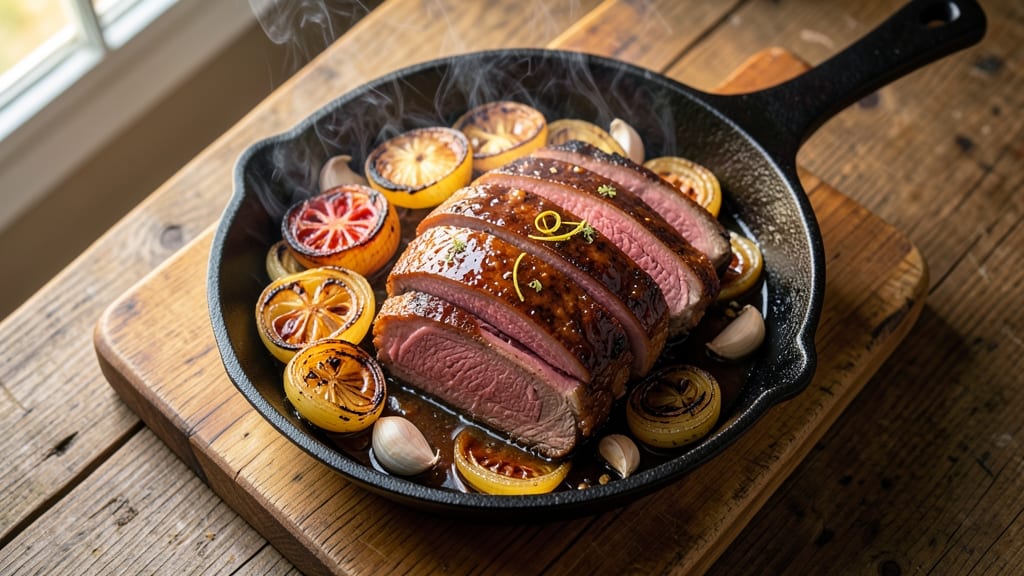
This beef arm roast smoker recipe transforms tough cuts into fork-tender perfection with a smoky bark that seals in every juicy bite. The secret lies in low-and-slow smoking at precise temperatures, where collagen breaks down into gelatin, creating melt-in-your-mouth texture while the bark develops a deep, caramelized crust.
I've perfected this method over years of trial and error, ensuring every slice delivers that perfect balance of tenderness and smoky depth.
The process begins with a simple yet critical dry brine—just salt and time—that enhances flavor and moisture retention. Then, it's all about temperature control: smoking at 225°F until internal temps reach 195-203°F, where the meat becomes so tender it practically falls apart.
Whether you're using a traditional smoker, pellet grill, or even an oven with a smoker box, this method guarantees consistent results every time.
What you'll end up with is a juicy, flavorful centerpiece that's rich enough to stand alone or pair beautifully with classic sides like roasted potatoes or caramelized onions. The bark develops a deep, complex smokiness from hardwood like hickory or oak, while the interior remains moist and rich.
This isn't just another smoked beef recipe—it's a showstopper that transforms a simple cut into something extraordinary.
Ready to elevate your smoking game? This recipe delivers restaurant-quality results with minimal fuss, making it perfect for weekend projects or special occasions. The key is patience and precision, but the reward—a perfectly smoked arm roast—is worth every minute. Let's get started on creating your next centerpiece meal.
Ingredients for beef arm roast smoker
Six pounds of beef arm roast plus a few smoky essentials—this is your smoker centerpiece.
| Ingredient | Amount | Notes |
|---|---|---|
| Beef Arm Roast 🥩 | 6 lb | Bone-in, well-marbled cut |
| Kosher Salt 🧂 | 1 ½ tbsp | Diamond Crystal preferred |
| Freshly Ground Black Pepper 🌶️ | 1 tbsp | Coarse grind for texture |
| Yellow Onion 🧅 | 1 whole | Quartered, skin on |
| Garlic Cloves 🧄 | 6 cloves | Smashed, skin on |
| Hickory Wood Chips 🌳 | 1 package | Unsoaked, 100% pure |
| Apple Juice 🍎 | 1 cup | For soaking wood chips |
| Yellow Mustard 🟡 | 2 tbsp | Dijon preferred for depth |
| Brown Sugar 🍚 | 1 tbsp | Light or dark variety |
| Smoked Paprika 🌶️ | 1 tbsp | For dry rub finish |
| Olive Oil 🫒 | 2 tbsp | For bark development |
| Beef Broth 🍲 | 1 cup | For spritzing during smoke |
| Fresh Thyme Leaves 🌿 | ¼ cup | Chopped, for garnish |
| Fresh Rosemary 🌿 | ¼ cup | Chopped, for garnish |
The beef arm roast is the star, and you want bone-in, well-marbled—that's where the flavor and tenderness come from. Costco or local butcher shops usually carry the best cuts, but don’t settle for anything less than 1/4-inch fat cap if you can find it. I always ask for the roast to be trimmed of excess silver skin but left with that fat—it renders down beautifully during the long smoke. For the wood chips, Traeger or Traeger Grills make the most consistent hickory, but any reputable brand's 100% pure chips will do. The key is keeping them unsoaked—soaking leaches flavor, and you want every bit of that smoky essence locked in.
No hickory? Oak or pecan work just as well for a slightly sweeter profile. Running out of apple juice for soaking? White wine or even water will work in a pinch, though the alcohol adds a subtle depth. The dry rub—mustard, brown sugar, smoked paprika—is non-negotiable for that caramelized bark. I like to mix it with a little olive oil to help it stick, but if you're short on time, just pat the rub dry onto the meat. The beef broth for spritzing? Homemade is ideal, but a quality jarred brand like Annie’s or Kirkland will save you time without sacrificing flavor. And if fresh thyme or rosemary isn’t available, dried works at one-third the amount—just toast the dried herbs in a dry pan for 30 seconds to wake up their flavor.
This roast is a weekend project, so plan ahead. The dry brine can start the night before—just seal the roast in a vacuum bag with the salt and let it sit in the fridge. The wood chips? Store them in an airtight container in the freezer to keep them fresh. Once smoked, the roast keeps beautifully—3-4 days in the fridge wrapped tightly in butcher paper, or up to 3 months in the freezer if you portion it into vacuum-sealed bags. Leftovers? They’re even better the next day—slice against the grain for those melt-in-your-mouth pieces, and serve with a sprinkle of fresh herbs for that restaurant-quality finish.
Why You'll Love This Recipe
- I’ll be real: this recipe makes way more than you’ll eat in one sitting. But here’s the kicker—those leftovers? Perfect for sandwiches, tacos, or even a quick hash the next day. No sad, dry meat here.
- Smoker Magic Minimal: Between us, this roast takes zero fuss. Just salt, pepper, and a quick rub of garlic and onion—no fancy marinades or hours of prep. Honestly, I’ve made it while watching a movie, and it still comes out tender enough to melt.
- Deep Smoky Richness: That arm roast? It’s like beefy heaven—juicy, tender, and packed with that unmistakable smoker aroma. The onions and garlic caramelize right into the crust, giving you layers of flavor with almost no effort.
- Leftovers That Win: I’ll be real: this recipe makes way more than you’ll eat in one sitting. But here’s the kicker—those leftovers? Perfect for sandwiches, tacos, or even a quick hash the next day. No sad, dry meat here.
Step-by-step instructions for smoked beef arm roast
Here's how to transform a tough cut into melt-in-your-mouth perfection with smoky depth and a crispy bark.
Prepare the Dry Rub and Prep the Roast
In a small bowl, combine 1.5 tbsp kosher salt, 1 tbsp freshly ground black pepper, 1 tbsp smoked paprika, 1 tbsp brown sugar, and 2 tbsp Dijon mustard. Mix until the sugar dissolves completely and the spices coat the mustard evenly. This blend creates the perfect balance of saltiness, sweetness, and smoky depth that will cling to the beef.
Pat the 6 lb beef arm roast dry with paper towels—this is critical for developing that coveted smoky bark. Rub the dry mixture all over the meat, pressing firmly so it adheres well. Let the roast sit at room temperature for 30 minutes before smoking. This resting period allows the rub to penetrate the meat and ensures even cooking from the start.
Set Up the Smoker for Low-and-Slow Cooking
Soak the 1 package hickory wood chips in 1 cup apple juice for 30 minutes—this prevents them from burning and adds a subtle fruity note to the smoke. Preheat your smoker to 225°F using these soaked wood chips. You want to see thin, blue smoke (not thick white steam) before adding the roast. Place a water pan in the smoker to maintain moisture throughout the cook.
Position the roast fat-side up on the smoker grates. The fat will render slowly, basting the meat and contributing to that irresistible bark. Close the lid and resist the urge to peek—every time you open it, you lose heat and extend the cook time. Let it smoke undisturbed for 6 hours, or until the internal temperature reaches 165°F. This is where the magic happens: the collagen breaks down, and the meat begins its transformation into fork-tender perfection.
Spritz and Monitor for the Stall
After 6 hours, the roast will hit "the stall"—a point where the internal temperature plateaus around 165°F as moisture evaporates. Don't panic; this is normal. Spritz the roast generously with 1 cup beef broth every 30 minutes during this phase. The broth helps maintain moisture and keeps the bark from becoming too tough. Continue smoking until the internal temperature reaches 195°F—this ensures the meat is probe-tender and ready for slicing.
Watch the bark closely. It should develop a deep, dark mahogany color with crispy edges. If it starts to darken too quickly, move the roast to a cooler part of the smoker. The total cook time will typically be 8-10 hours, but trust the probe test over the thermometer—tenderness matters more than temperature.
Rest and Slice for Maximum Juiciness
Once the roast reaches 195°F and a probe slides in like butter, remove it from the smoker and transfer it to a cutting board. Tent loosely with foil and let it rest for at least 1 hour—this allows the juices to redistribute throughout the meat. Patience here is key; slicing too soon will result in dry, stringy meat.
Slice the roast against the grain into ½-inch thick slices. The grain direction will be visible as lines running through the meat. Garnish with 0.25 cup chopped fresh thyme leaves and 0.25 cup chopped fresh rosemary for a pop of color and fresh aroma. Serve immediately with the rendered juices from the smoker pan—this is where the real flavor lives.
Pro Tips For Making Beef Arm Roast Smoker
- CRANK THE HEAT FIRST: Start your smoker at 250°F for the first hour—yes, even if the recipe says lower. That initial blast of heat gets the crust locked in tight before the slow cook drops to 225°F, and I’ve seen arm roasts stay juicy for hours because of it. (I learned this the hard way after a batch turned out dry as a bone.)
- MINCE THAT GARLIC: Don’t just slice those cloves—smash them with the flat side of your knife first, then mince into tiny bits. You want them to dissolve into the meat, not just sit on top like decorative garnish. My grandmother swore by this, and she was right: the flavor seeps in instead of floating away.
- SALT THE ONIONS: Toss those sliced onions and minced garlic with a pinch of kosher salt before they hit the meat. It draws out moisture, making them crispier on the edges and preventing a soggy mess when they steam against the beef. Sounds weird, but it works—trust me, I’ve seen the difference.
- WRAP IT EARLY: Foil the arm roast at 145°F internal temp, not 160°F like you might for other cuts. The connective tissue in this muscle needs time to break down, and wrapping too late means you’re fighting dryness. Give it a solid 5-10 minutes under foil—your future self will thank you.
Creative variations of these flavors
Texas-Style Smoked
For a true Lone Star State experience, skip the mustard in the dry rub and replace it with 1 tbsp chili powder and ½ tsp cayenne. Add 1 chopped jalapeño to the apple juice soak for heat and moisture.
Smoke the roast with a mix of hickory and pecan wood chips for a sweeter, bolder flavor profile. Serve with pickled red onions and white cheddar cornbread for the full Texas BBQ experience. 🌶️
Honey-Glazed Asian Fusion
Infuse the apple juice soak with 2 tbsp honey and 1 tbsp soy sauce for an Asian-inspired twist. Replace the smoked paprika with 1 tbsp five-spice powder and add 1 tbsp grated ginger to the dry rub.
After smoking, brush the roast with a glaze of ¼ cup honey, 1 tbsp rice vinegar, and 1 tsp sesame oil during the last 30 minutes of cooking. Garnish with toasted sesame seeds and serve with steamed jasmine rice and quick-pickled cucumbers.
Italian-Inspired Porchetta Style
Transform your arm roast into an Italian-inspired porchetta by wrapping it in ½ cup chopped fresh rosemary, ½ cup chopped fresh sage, 3 minced garlic cloves, 1 tbsp fennel seeds, 1 tsp red pepper flakes, and 2 tbsp olive oil before smoking.
Use cherry wood chips for a lighter, fruitier smoke. After smoking, let the roast rest, then slice and serve with creamy polenta and a balsamic reduction drizzle. The rosemary and sage infuse the meat with aromatic depth, creating a dish worthy of a Tuscan feast. 🌿
Spicy Coffee-Rubbed
For a bold, caffeine-kissed flavor, add 2 tbsp finely ground coffee and 1 tbsp cocoa powder to your dry rub. Use mesquite wood chips for a stronger, earthier smoke.
During the last 2 hours of smoking, spritz the roast with ½ cup strong brewed coffee mixed with 1 tbsp brown sugar. This variation delivers a deep, complex flavor that pairs beautifully with dark chocolate-dusted sweet potatoes and charred corn salsa.
The coffee and cocoa add a surprising depth that balances the smokiness perfectly.
Honey-Bourbon Glaze
After the roast reaches 195°F, remove it from the smoker and transfer it to a baking dish. Mix ½ cup honey, ¼ cup bourbon, 1 tbsp apple cider vinegar, and 1 tsp smoked paprika in a saucepan.
Simmer for 5 minutes, then brush the glaze over the roast. Return it to the smoker for 15 minutes to caramelize the glaze. The bourbon adds a warm, caramelized note that complements the smoky flavors beautifully.
Serve with apple-cinnamon mashed sweet potatoes for a perfect balance of sweet and savory.
Reverse-Sear Method
For a faster approach, start by smoking the roast at 225°F until it reaches 110°F internal temperature (about 4-5 hours). Then, sear it in a 450°F oven for 20-30 minutes to develop a crispy bark.
This method cuts total cook time by nearly half while still delivering that perfect balance of smoky flavor and tender meat. Use the same dry rub and wood chips, but reduce the apple juice soak to ½ cup to prevent excess moisture during the sear.
The result is a beautifully browned exterior with a juicy interior, ideal for weeknight dinners. 🔥
Nutrition facts
Frequently asked questions
What's the best wood choice for a beef arm roast?
Hickory is the classic choice for its bold, strong flavor, but oak or pecan work beautifully too. For something lighter, try cherry or fruitwoods like apple. Avoid pine—it has too strong a resinous taste. Soak your wood chips in apple juice or water for 30 minutes before using to prevent burning.
How do I know when the roast is done?
Use a meat thermometer to check the internal temperature—it should reach 195-203°F for perfect tenderness. A probe should slide in like butter with no resistance. The bark will be dark mahogany, but don't rely on color alone. The stall (where temp plateaus) is normal—just keep smoking until you hit 195°F.
Can I use a pellet grill instead of a traditional smoker?
Pellet grills work perfectly for this recipe. Set the temperature to 225°F and use 100% hickory or oak pellets. The advantage is consistent temperature control—just monitor the smoke levels and add pellets as needed. The same dry rub and resting rules apply.
Why did my bark turn too dark before the roast was done?
This usually happens from direct heat exposure or overly aggressive smoking. Move the roast to a cooler part of the smoker or wrap it in butcher paper for the last 1-2 hours to slow the bark development. The apple juice soak helps prevent this by keeping the wood chips from burning too quickly.
What's the best way to reheat leftover smoked beef arm roast?
Slice the roast first, then reheat in a 325°F oven for 10-15 minutes with a splash of beef broth to keep it moist. Never microwave—it dries out the meat. For sandwiches, warm the slices in a skillet with a little butter for crispy edges. Leftover roast keeps 3-4 days wrapped tightly in butcher paper.