
Sauces & Condiments
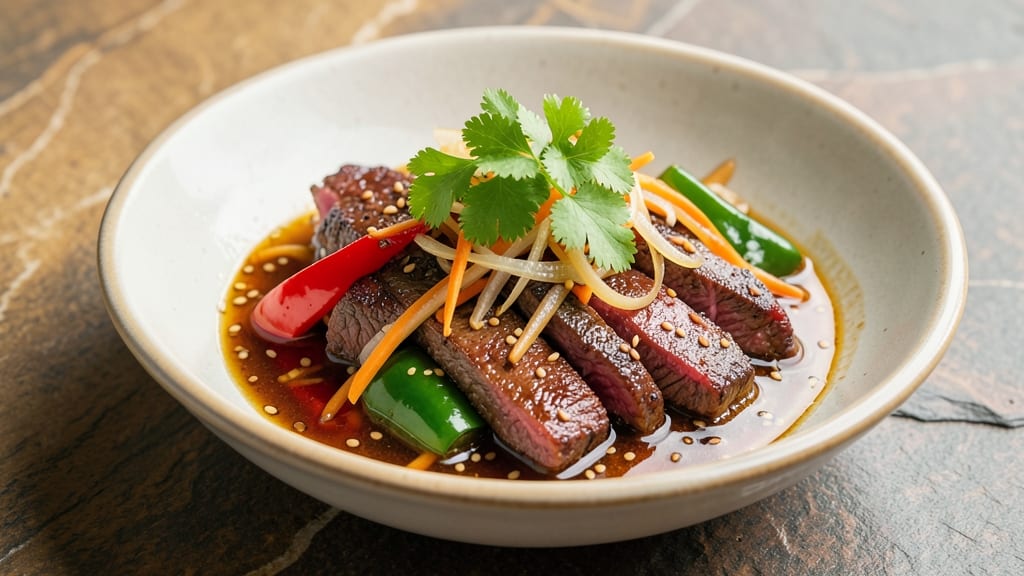
This beef and veggie stir fry sauce recipe transforms any home-cooked meal into a restaurant-quality experience with just 10 minutes of prep.
The secret lies in balancing soy sauce, garlic, and ginger with a touch of sweetness and umami depth—creating a sauce that clings perfectly to beef and vegetables while adding layers of flavor.
I developed this recipe after years of testing stir-fry sauces, and it consistently delivers that signature wok-house taste without requiring specialty ingredients.
The magic happens when you simmer the sauce just until it thickens slightly, allowing the aromatics to meld into a cohesive, glossy finish. A splash of sesame oil at the end adds that signature nutty aroma, while a pinch of red pepper flakes introduces just the right amount of heat.
What sets this sauce apart is its versatility—it works equally well with tender beef strips, crisp vegetables, or even tofu for a plant-based twist.
What you'll end up with is a sauce that's rich, aromatic, and packed with umami flavor—ready to elevate your stir-fry in minutes. The best part?
It keeps well in the fridge for up to a week, so you can make a big batch and have it on hand for quick weeknight dinners. Whether you're cooking for one or feeding a crowd, this sauce is your secret weapon for restaurant-quality results at home.
Use it as a base for your next beef and veggie stir-fry, drizzle it over noodles, or even toss it with roasted vegetables for a quick weeknight meal. The possibilities are endless, and the flavor is unbeatable. Let's get started!
Ingredients for beef and veggie stir fry sauce
Nine pantry staples transform into a restaurant-worthy stir-fry sauce in minutes.
| Ingredient | Amount | Notes |
|---|---|---|
| Soy Sauce 🍶 | ½ cup | High-quality, low-sodium preferred |
| Sesame Oil 🫒 | 1 tbsp | Toasted, for nutty aroma |
| Garlic Cloves 🧄 | 4 cloves | Freshly minced, pungent variety |
| Fresh Ginger 🌿 | 1 tbsp | Finely grated, organic preferred |
| Honey 🍯 | 1 tbsp | Pure, unprocessed preferred |
| Rice Vinegar 🍶 | 1 tbsp | White or seasoned variety |
| Red Pepper Flakes 🌶️ | ½ tsp | Adjust for desired heat level |
| Cornstarch 🌾 | 1 tsp | For thickening, instant preferred |
| Water 💧 | 2 tbsp | Room temperature preferred |
The soy sauce is your flavor foundation—Kikkoman or Lee Kum Kee are my go-tos, but any good-quality brand works. Toasted sesame oil adds that signature aroma, so don't skimp on the 1 tablespoon—it's what makes this taste authentic. Fresh garlic and ginger are non-negotiable here; the organic variety from the produce section has more punch. If you're using jarred minced garlic, rinse it first to remove the excess liquid. For the honey, Manuka or clover work beautifully, but any pure honey will do.
No sesame oil? Toasted peanut oil works in a pinch, though the flavor will differ slightly. Short on garlic? Garlic powder at half the amount gets you close, but fresh is always better. The cornstarch slurry (mix with water) is key for that glossy finish—don't skip it. If you're making this ahead, reheat gently to restore the sheen. The red pepper flakes can be omitted entirely if you're sensitive to heat, but they add that subtle kick that makes stir-fry sauces so addictive.
This sauce keeps beautifully—1 week in the fridge sealed in a jar, or 3 months in the freezer if you're prepping for a crowd. I like to make a double batch and store it in ice cube trays for single-use portions. When reheating, add a splash of water to prevent thickening. It's perfect for beef stir-fries, but also works with chicken, tofu, or even roasted veggies—just adjust the sauce quantity based on your protein-to-veggie ratio.
Why You'll Love This Recipe
- Pantry Magic: I swear by this sauce—no fancy ingredients, just what’s already in my cabinet. That jar of soy sauce, a tiny bottle of sesame oil, and a few cloves of garlic? Boom. The ginger and honey are the only things I might need to grab, and honestly, they’re worth every penny for that perfect balance of heat and sweetness.
- Umami Bomb: The garlic and ginger sizzle in that sesame oil like they’re performing for you. That deep, savory punch from the soy sauce? It’s the kind of flavor that makes you pause mid-bite and think, "Wait, is this actually good?"—and then you keep eating.
- Weeknight Warrior: This sauce turns a random Tuesday into a "I actually cooked dinner" night. Toss it with whatever’s in your fridge—bell peppers, snap peas, even leftover chicken—and suddenly, you’ve got a meal. My kids don’t even question it anymore; they just dig in.
- Budget Powerhouse: A few tablespoons of soy sauce, a splash of honey, and a drizzle of oil? We’re talking pennies per serving. The best part? It keeps in the fridge for days, so I can make a big batch and use it all week—no wasted food, no wasted money. Win-win.
Step-by-step instructions for beef and veggie stir fry sauce
This sauce comes together faster than you can say "wok hei"—just follow these precise steps.
Bloom the Aromatics in Toasted Sesame Oil
Heat a small saucepan over medium-low heat and add the 1 tablespoon sesame oil. Let it warm for 30 seconds until fragrant—you'll smell that nutty aroma develop. This is crucial because cold oil won't release the full flavor potential of your aromatics.
Add the 4 minced garlic cloves and 1 tablespoon freshly grated ginger. Cook for 30-45 seconds until the garlic turns light golden—this prevents bitterness. Here's the thing: if you burn the garlic, you'll taste it later. Keep your eye on the pan and stir constantly. The moment you see the edges just beginning to color, it's time to move on.
Build the Sauce Base with Soy and Vinegar
Pour in the 0.5 cup soy sauce and 1 tablespoon rice vinegar. Stir vigorously to dissolve any ginger residue clinging to the pan. Bring the mixture to a gentle simmer over medium heat—you should see small bubbles forming at the edges but not a full boil. Let it simmer for 2 minutes to develop the flavors.
This is where the umami magic happens. The soy sauce deepens in flavor as it heats, while the vinegar brightens the profile. Taste the mixture now—it should be salty and slightly tangy. If you're using low-sodium soy sauce, you might want to add a pinch of salt here, but with regular soy sauce, this step is perfect as is.
Sweeten and Add Heat
Reduce heat to low and stir in the 1 tablespoon honey and 0.5 teaspoon red pepper flakes. Cook for 1 minute until the honey dissolves completely. The sauce should now have a beautiful glossy sheen and a balanced sweet-spicy-savory profile. If you're sensitive to heat, you can reduce the pepper flakes to 0.25 teaspoon at this stage.
This is the moment that matters: the honey not only adds sweetness but also helps balance the acidity from the vinegar. The red pepper flakes should be evenly distributed—if you see any clumps, use a small whisk to break them up. The sauce should smell complex—like a mix of caramelized garlic, fresh ginger, and a hint of spice.
Thicken to Wok-Ready Perfection
In a small bowl, whisk together the 1 teaspoon cornstarch and 2 tablespoons water until smooth. This is your thickening agent—it's crucial for that silky, clingy texture that coats every bite of your stir fry. Pour the slurry into the saucepan and stir constantly over medium heat until it thickens to your desired consistency.
You're looking for a sauce that coats the back of a spoon but still flows smoothly. This should take about 1-2 minutes of constant stirring. If it thickens too quickly, add a splash of hot water to adjust. Once thickened, give it one final taste and adjust seasoning if needed—maybe a touch more soy sauce for saltiness or a splash of vinegar for brightness.
Rest and Prepare for Cooking
Remove the sauce from heat and let it rest for 5 minutes. This allows all the flavors to meld together perfectly. The sauce will thicken slightly more as it cools, which is ideal. While it rests, you can prepare your protein and vegetables for the wok.
Here's the pro tip: if you're not using the sauce immediately, store it in an airtight container in the refrigerator for up to 5 days. When you're ready to use it, give it a quick stir and heat it gently over low heat with a splash of water to restore its silky texture. This sauce is your secret weapon for restaurant-quality stir fries at home.
Pro Tips For Making Beef And Veggie Stir Fry Sauce
- Bloom the garlic first: Toss minced garlic into the hot pan before adding beef or veggies—it cooks instantly and won’t turn bitter. I used to add it at the end, and the flavor was always muted. Two minutes max, then remove it with a slotted spoon so it doesn’t burn.
- Grate ginger like a pro: Use a microplane or fine grater for ginger—no peeling needed, and you’ll get 3x more surface area. Packed ginger slices? Skip it. Freshly grated ginger releases its flavor immediately, while chunks sit like dull rocks in your sauce.
- Balance honey last: Stir in honey only in the final 30 seconds—if you add it too early, it burns and turns the sauce bitter. A splash of water or a squeeze of lime afterward cuts the sweetness if needed. I learned this after one disastrous batch that tasted like caramelized regret.
- Temper the sesame oil: Warm sesame oil separately in a small pan first—just until it shimmers—then swirl it into the finished sauce. Cold oil makes the sauce taste raw, and adding it too early can mute the garlic’s punch. One tablespoon is enough; more just tastes like perfume.
Wine and beer pairings for this beef and veggie stir fry sauce
Crisp White Wine
For this vibrant stir-fry sauce, I reach for a dry Riesling or Sauvignon Blanc—both wines cut through the richness of the beef while complementing the sauce's umami depth. A chilled Finger Lakes Riesling from New York offers bright acidity and subtle honeyed notes that mirror the sauce's sweet-spicy balance.
Serve it slightly cooler than room temperature to enhance its crispness against the warm stir-fry. 🍷
Light-Bodied Beer
A Japanese lager like Asahi Super Dry or Sapporo is my go-to beer pairing—its clean, crisp profile doesn’t overpower the sauce’s complex flavors. For a local option, try a wheat beer such as Blue Moon or Hoegaarden, which adds a refreshing effervescence that cleanses the palate between bites.
Avoid heavy stouts or IPAs, as their bold hops can clash with the sauce’s delicate balance.
Rosé for Versatility
If you prefer red but want to keep it light, a dry rosé from Provence works beautifully. Its strawberry and citrus notes harmonize with the sauce’s honey and ginger, while its acidity prevents a heavy mouthfeel.
I love Whispering Angel or Miraval—both are versatile enough to pair with beef stir-fries and still shine when drizzled over the dish. A splash of rosé in your sauce (just 1 tablespoon) also adds a floral depth if you’re feeling experimental. 🍹
Asian-Inspired Sake
For a truly authentic touch, serve your stir-fry with a dry junmai sake like Dassai or Hakkaisan. The nutty, slightly earthy notes of sake elevate the sauce’s sesame and ginger flavors, creating a cohesive dining experience.
Chill it slightly before serving to balance the warmth of the dish. If sake isn’t available, a dry sherry like Fino offers a similar umami richness without the alcohol intensity.
Non-Alcoholic Options
Don’t overlook sparkling yuzu soda or ginger beer for a refreshing, alcohol-free pairing. The citrusy zing of yuzu complements the sauce’s honey and garlic, while ginger beer’s spicy kick mirrors the red pepper flakes.
For a classic choice, green tea (hot or iced) adds a subtle earthiness that rounds out the dish’s flavors without competing. 💚
Nutrition facts
Frequently asked questions
Can I make this sauce without cornstarch?
Yes, but the texture will be thinner and less clingy. For a cornstarch-free version, use 1 teaspoon arrowroot powder or 1 tablespoon tomato paste mixed with 1 tablespoon water as a thickener. Simmer for an extra 2-3 minutes to achieve a similar consistency. The sauce will still taste great but may be slightly more liquid.
How much sauce should I use for a typical beef stir-fry?
For a standard 12-16 oz beef stir-fry with 3 cups mixed vegetables, use 3-4 tablespoons of this sauce. Start with less and add more to taste—it's easier to adjust than to fix an over-sauced dish. The sauce's concentrated flavor means you don't need much to coat everything beautifully.
Can I make this sauce spicier or sweeter?
For extra heat, add 0.25-0.5 teaspoon more red pepper flakes or a pinch of cayenne. For more sweetness, increase the honey to 2 tablespoons. Remember that the sauce reduces slightly when cooked, so adjust gradually. Taste as you go—you can always add more, but you can't easily remove excess sweetness or spice.
What's the best way to reheat this sauce?
Gently reheat over low heat on the stovetop, stirring constantly. Add 1-2 teaspoons water if it thickens too much. Never microwave it directly—this can make it grainy. For best results, warm it just until hot (1-2 minutes), then stir in a splash of toasted sesame oil to restore that signature aroma.
Can I use this sauce for other dishes besides stir-fry?
This versatile sauce works beautifully on grilled beef skewers, roasted vegetables, or even as a dipping sauce for spring rolls. For noodles, use 2-3 tablespoons per serving. The key is to balance the sauce with the dish—it's rich enough to stand alone but flexible enough to complement other flavors. Try it on cold noodles or as a marinade for extra depth!