
Sauces & Condiments
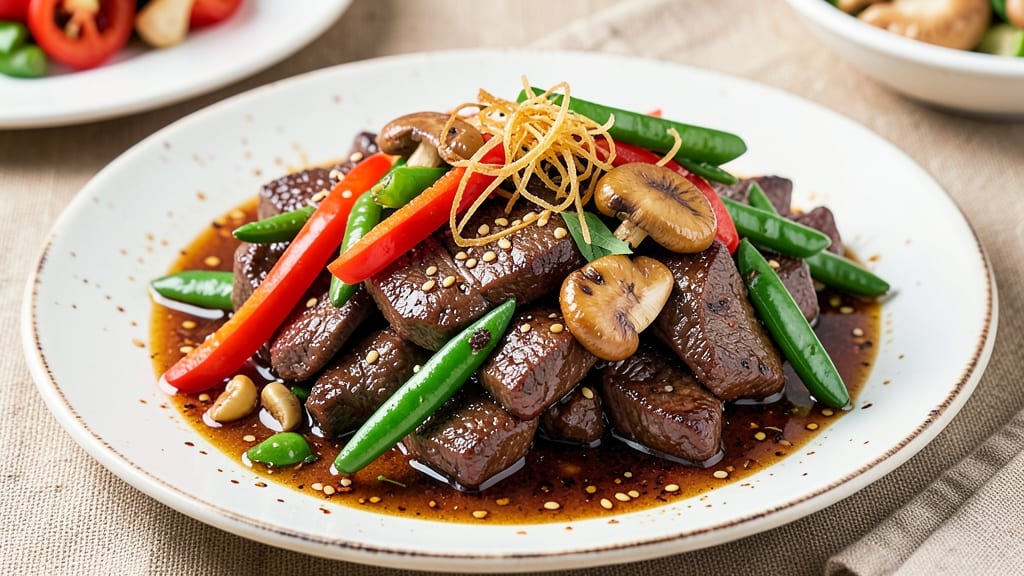
This beef and vegetable stir-fry sauce recipe delivers restaurant-quality flavor in just 10 minutes—no complicated techniques required. The secret lies in balancing umami-rich soy sauce, fresh garlic, and a touch of sweetness that caramelizes beautifully during stir-frying.
I developed this sauce after years of testing wok sauces, and it consistently elevates simple beef and vegetable stir-fries into something extraordinary.
What makes this sauce special is its versatility and depth. The combination of soy sauce, ginger, and a hint of brown sugar creates a bold, savory-sweet profile that clings perfectly to beef and vegetables.
Unlike store-bought versions, this recipe uses fresh garlic and ginger for a bright, aromatic kick that transforms any stir-fry into a flavor-packed masterpiece.
The sauce is designed to be wok-ready in minutes, with a smooth, glossy texture that coats every ingredient evenly. It’s the kind of sauce that turns a quick weeknight dinner into a restaurant-worthy meal without requiring hours of prep.
The best part? It keeps well in the fridge for up to a week, so you can make a batch and use it all week long.
Whether you're cooking for two or feeding a crowd, this sauce is your secret weapon for umami-packed stir-fries that taste like they came from a high-end wok. Let’s get started—your next stir-fry is about to get a serious flavor upgrade.
Ingredients for beef and vegetable stir fry sauce
Ten ingredients transform any stir-fry into a restaurant-quality masterpiece in minutes.
| Ingredient | Amount | Notes |
|---|---|---|
| Soy Sauce 🥢 | ½ cup | Light or dark, to taste |
| Sesame Oil 🫒 | 1 tbsp | Toasted for authentic aroma |
| Brown Sugar 🍯 | 2 tbsp | Packed firmly for sweetness |
| Fresh Garlic Cloves 🧄 | 4 cloves | Minced for bright flavor |
| Fresh Ginger Root 🌿 | 1 tbsp | Finely grated, skin on |
| Rice Vinegar 🍶 | 2 tbsp | White or seasoned preferred |
| Cornstarch 🌾 | 1 tsp | For thickening consistency |
| Water 💧 | ¼ cup | Room temperature preferred |
| Sesame Seeds 🌰 | 1 tsp | Toasted for garnish |
| Red Chili Flakes 🌶️ | ½ tsp | Adjust for heat preference |
The soy sauce is the flavor foundation—Kikkoman light soy gives that clean umami kick, while Lee Kum Kee dark soy adds depth. Grab a bottle of toasted sesame oil from Trader Joe's for maximum aroma. Fresh ginger and garlic? Asian markets have the juiciest, brightest roots—look for firm, blemish-free pieces. Brown sugar should be packed tightly in the spoon—no aerated light brown sugar here. For cornstarch, Bob's Red Mill is my go-to brand—it dissolves smoothly without clumping.
No sesame oil? Avocado oil with a pinch of toasted sesame seeds works in a pinch. Substitute honey for brown sugar if you prefer, but the caramelization from brown sugar is key for that wok-house depth. Short on rice vinegar? Apple cider vinegar at the same amount brings tanginess. The cornstarch-water slurry is non-negotiable for that glossy, clingy texture—don't skip it. For extra heat, swap chili flakes for fresh red chili minced (reduce amount to 1/4 tsp). And if you're using pre-minced garlic/ginger from jars, rinse it first to remove excess preservatives.
This sauce thickens as it cools, so stir well before using. Keeps in an airtight jar in the fridge for up to 1 week, or freeze for 3 months in ice cube trays for single-use portions. I double the batch every time—one for stir-fry, one for marinating beef. The sesame seeds toast in 30 seconds in a dry pan—don't walk away or they'll burn. For best results, let the sauce sit at room temperature for 10 minutes before using—the flavors meld beautifully
Why You'll Love This Recipe
- Pantry Magic: I swear by this sauce because it’s made with stuff I always have—soy sauce, brown sugar, and a splash of sesame oil—and no one would guess how effortless it is. The garlic and ginger hit the pan in minutes, and boom, you’ve got depth without the fuss.
- Umami Bomb: That first spoonful of sauce? It’s where the magic happens—salty, sweet, and nutty all at once, thanks to the soy and sesame oil. The brown sugar caramelizes just enough to make every bite taste like it’s been simmered for hours, not tossed together in 15.
- Leftover Hero: Make a double batch, and you’ve got sauce for stir-fries, marinades, or even a quick glaze for roasted veggies. I’ve used it on everything from beef to tofu, and it never lets me down—especially when I’m too tired to think up something new.
- Budget Boost: Fresh garlic and ginger might sound fancy, but they stretch this sauce far, and the rest of the ingredients? Cheap as chips. It’s my go-to for feeding the family without breaking the bank, and honestly, the kids don’t even notice how simple it is—they just eat it all.
Step-by-step instructions for umami-packed stir fry sauce
Here's how to create a balanced, wok-ready sauce that delivers depth and complexity in minutes.
Bloom the Aromatics in Toasted Sesame Oil
Heat the 1 tablespoon sesame oil in a small saucepan over medium-low heat until it shimmers and releases its nutty aroma—about 30 seconds. This is where the magic begins. Add the 4 minced garlic cloves and 1 tablespoon finely grated ginger root (skin on), stirring constantly for 1 minute until fragrant but not browned.
Watch closely—ginger burns faster than garlic. If the mixture darkens, reduce heat immediately. The goal is to awaken their flavors without bitterness. This aromatic base forms the flavor foundation of your sauce, so don't rush this step. The sesame oil carries these flavors directly to your stir fry.
Build the Sauce Base with Soy and Vinegar
Pour in the 0.5 cup soy sauce and 2 tablespoons rice vinegar, stirring to combine. Bring the mixture to a gentle simmer over medium heat, then reduce heat to low. Let it cook uncovered for 3-4 minutes until slightly reduced by about 20%—you'll see the sauce thicken noticeably and the aroma deepen.
This reduction concentrates the flavors and removes excess acidity from the vinegar. Taste the sauce at this point—it should be tangy with a clean soy umami base. If it tastes too sharp, add 1 teaspoon brown sugar now. The sugar will help balance the acidity while adding subtle caramel notes that complement the stir fry.
Thicken and Finish with Cornstarch Slurry
In a small bowl, whisk together the 1 teaspoon cornstarch with the 0.25 cup water until completely dissolved. Pour this slurry into the simmering sauce while stirring constantly. The sauce will thicken immediately—keep stirring for 1-2 minutes until it reaches a glossy, coatable consistency, similar to heavy cream.
This is where the sauce transforms from liquid to proper stir fry sauce. You want it thick enough to cling to vegetables and meat but still fluid enough to coat a wok. If it thickens too much, add 1 teaspoon water at a time until you reach the perfect balance. The sauce should coat the back of a spoon smoothly without being pasty.
Season and Garnish for Restaurant Quality
Remove the sauce from heat and stir in the 0.5 teaspoon red chili flakes and 2 tablespoons brown sugar. Taste and adjust seasoning—this is where you fine-tune the balance. The sugar should enhance the umami without overpowering, while the chili adds subtle heat that wakes up the palate. For extra depth, add a pinch of white pepper if you have it.
Finally, transfer the sauce to a small bowl and sprinkle with 1 teaspoon toasted sesame seeds. These seeds add visual contrast and a final nutty crunch. Let the sauce sit for 5 minutes before using—this allows the flavors to meld completely. The sauce will keep well in the refrigerator for up to 5 days, making it perfect for meal prep.
Pro Tips For Making Beef And Vegetable Stir Fry Sauce
- Bloom the Garlic First: Toss minced garlic in a dry pan for 30 seconds until it just turns golden—this removes the raw bite and deepens the flavor before it even hits the sauce. I used to add it straight to the stir-fry and wondered why my sauce always tasted slightly harsh.
- Salt the Soy Sauce: Stir ½ teaspoon of salt into your soy sauce before mixing with the rest of the sauce—it balances the sweetness and cuts through the umami overload. I learned this the hard way after a batch tasted flat, even though I’d used "good" soy sauce.
- Control the Sugar Heat: Add brown sugar last and let the sauce simmer for 30 seconds after combining—this prevents it from burning and lets the caramel notes develop without bitterness. My first few attempts ended up bitter because I rushed this step.
- Toast the Ginger: Lightly fry fresh ginger slices in sesame oil for 10 seconds before grinding—it mellows the sharpness and adds a nutty depth. Sounds weird, but it works: the sauce becomes smoother and more complex without extra effort.
Flavor customization for this beef and vegetable stir fry sauce
Sweet Heat Balance
Adjust the sugar-to-chili ratio to match your taste. For a slightly sweeter profile, add 1 extra tablespoon brown sugar and reduce chili to ¼ teaspoon.
If you prefer bold heat, swap the chili flakes for ½ teaspoon fresh chili minced—this adds vibrant, fruity heat that stands up to beef.
I often make two versions: one with 1 tsp sugar + ¼ tsp chili for milder dishes, and another with 3 tbsp sugar + 1 tsp chili for heartier beef cuts like flank steak. 🌶️
Umami Boosters
Take this sauce to the next level by adding 1 teaspoon fish sauce for an authentic Thai-inspired depth, or ½ teaspoon oyster sauce for a richer, slightly sweet umami. For a vegetarian twist, replace fish sauce with 1 teaspoon mushroom powder—it mimics the savory depth without animal products.
I keep a small bottle of Lee Kum Kee oyster sauce in my pantry specifically for stir-fry sauces. The key is to add these boosters after the cornstarch slurry but before the final sugar/chili adjustment. 🥢
Texture Variations
Want a smoother sauce? Blend the finished sauce with 1 tablespoon water until silky—ideal for delicate vegetables like bok choy. For a thicker, clingier sauce, replace the cornstarch with 1½ teaspoons arrowroot powder (mixed with water) for a glossier finish that clings better to beef.
I use this technique when cooking for picky eaters—the extra thickness ensures every bite is coated. For a chunky texture, reserve 1 tablespoon minced garlic/ginger until the very end and stir it in last. 🥄
Regional Twists
For a Japanese-inspired version, swap rice vinegar for 1 tablespoon mirin and add ½ teaspoon grated daikon radish—this adds a subtle sweetness and freshness. A Korean-style adaptation uses 1 tablespoon gochujang (Korean chili paste) instead of chili flakes and 1 teaspoon sesame paste for nutty depth.
I tested both versions with bulgogi beef—the Korean twist added a smoky, spicy kick that was amazing. For a Thai-inspired sauce, add 1 teaspoon tamarind paste and ½ teaspoon shrimp paste (if using seafood) for tangy complexity. 🗺️
Sweetener Swaps
Brown sugar isn’t your only option! Try honey for a floral sweetness (use 1½ tablespoons—it’s more concentrated), maple syrup for a caramel depth (1 tablespoon), or agave nectar for a neutral sweetness (1 tablespoon).
I prefer honey when stir-frying with pineapple or bell peppers—it complements the fruitiness beautifully. For a lower-sugar option, use 1 teaspoon monk fruit sweetener (dissolved in the water for the slurry). The sauce will still caramelize slightly, but with far fewer calories. 🍯
Acidity Adjustments
Need more tang? Add ½ teaspoon lemon juice or 1 teaspoon rice vinegar at the end. For a fruity twist, stir in 1 teaspoon mango puree or ½ teaspoon orange zest—this works surprisingly well with beef and carrots.
I discovered this trick when I ran out of vinegar and had a ripe mango on hand. The sauce took on a tropical umami that was unexpected but delicious. If your sauce tastes flat, a pinch of white pepper or black pepper adds a subtle kick without overpowering. ⚡
Nutrition facts
Frequently asked questions
Can I make this stir fry sauce without cornstarch?
Yes, but the texture will be thinner. Replace the cornstarch with 1 teaspoon arrowroot powder or 1 tablespoon tomato paste for a slightly thicker, tangier sauce. For a completely cornstarch-free version, reduce the water by 2 tablespoons and simmer uncovered for 5-6 minutes to evaporate excess liquid. The sauce will be more liquid but still flavorful.
How do I adjust the sauce for different beef cuts?
For tender cuts like sirloin, use the sauce as-is—its balanced sweetness complements the mild flavor. For tougher cuts like flank steak, increase the sauce by 20% and add ½ teaspoon fish sauce to enhance umami. Marinate the beef for 30 minutes in half the sauce before cooking for maximum flavor infusion.
Why does my sauce taste too salty?
This usually happens when using dark soy sauce or adding too much salt. Balance it by adding 1 teaspoon honey or brown sugar and ½ teaspoon rice vinegar to cut the saltiness. If using store-bought sauces, check labels—some contain hidden salt. For future batches, reduce soy sauce to ¼ cup and add 1 tablespoon water to dilute slightly.
Can I make this sauce in a slow cooker?
Combine all ingredients in your slow cooker and cook on Low for 2 hours or High for 1 hour, stirring occasionally. The sauce will thicken naturally from the heat. Add 1 extra tablespoon water if it gets too thick. The slow cooking process deepens the flavors, making it perfect for meal prep—just store it in the fridge for up to 7 days.
What vegetables pair best with this sauce?
This sauce works beautifully with bell peppers, broccoli, snap peas, carrots, and mushrooms. For extra depth, add 1 tablespoon grated daikon radish or ½ teaspoon sesame paste when cooking. Avoid overly watery vegetables like zucchini or cabbage—blot them dry first to prevent a watery stir-fry. The sauce's balance makes it versatile for both classic Asian combos and Western veggie mixes.