
Main Courses
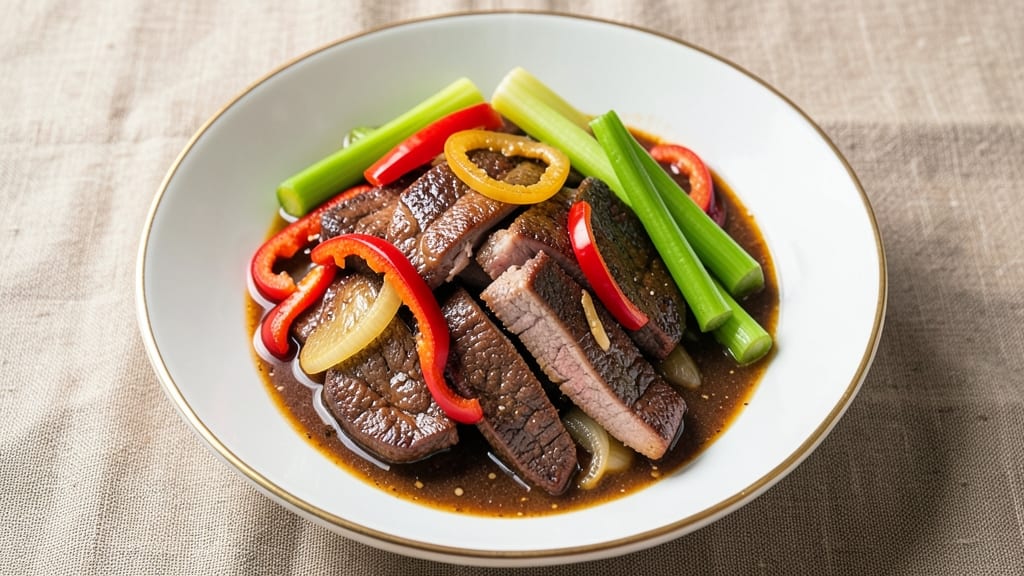
This beef and pork chop suey recipe brings the bold flavors of Chinese-American fusion to your home kitchen with restaurant-quality results. The secret lies in the perfect balance of tender beef and pork, crisp-tender vegetables, and a silky soy-ginger sauce that delivers deep umami crunch with every bite.
I developed this version after years of perfecting stir-fry techniques, ensuring the meat stays juicy while the vegetables achieve that signature wok-tossed texture.
The foundation of great chop suey is proper prep—marinating the meat in a blend of soy sauce, oyster sauce, and cornstarch creates a flavorful crust that locks in moisture during the quick stir-fry.
Traditional vegetables like bell peppers, onions, and celery add color and texture, while a touch of vinegar brightens the rich soy-based sauce. This recipe maintains the classic chop suey profile while adapting it for home cooks with simple techniques that deliver professional results.
What you'll end up with is a dish that's packed with flavor and texture—tender beef and pork, crisp vegetables, and a glossy sauce that coats every ingredient. The combination of smoky wok heat and aromatic spices creates layers of complexity that make this more than just a stir-fry.
It's a complete meal that's hearty enough for dinner but simple enough for weeknight cooking.
Serve this chop suey over steamed rice or noodles for an authentic experience, or as a standalone dish with extra green onions and sesame seeds for garnish. The recipe scales easily for larger gatherings, making it perfect for family meals or entertaining. Let's get cooking!
Ingredients for beef and pork chop suey
The perfect blend of tender proteins, vibrant vegetables, and aromatic spices for a restaurant-style chop suey.
| Ingredient | Amount | Notes |
|---|---|---|
| Flank Steak 🥩 | 1 lb | Thinly sliced against grain |
| Pork Shoulder 🐷 | 1 lb | Thinly sliced, boneless |
| Red Bell Pepper 🍅 | 1 whole | Sliced into 1-inch strips |
| Green Bell Pepper 🍅 | 1 whole | Sliced into 1-inch strips |
| Yellow Onion 🧅 | 1 whole | Thinly sliced |
| Celery Stalks 🥬 | 3 whole | Diagonally sliced |
| Fresh Ginger 🧄 | 2 tbsp | Finely grated, peeled |
| Garlic Cloves 🧄 | 6 cloves | Minced |
| Cornstarch 🌾 | 2 tbsp | For meat marinade |
| Soy Sauce 🥄 | ½ cup | High-quality, light variety |
| Oyster Sauce 🥄 | 3 tbsp | For umami depth |
| Rice Vinegar 🍶 | 1 tbsp | For brightness |
| Sesame Oil 🫒 | 1 tbsp | Toasted, for aroma |
| Neutral Oil 🫒 | 2 tbsp | Vegetable or peanut oil |
| Green Onions 🌱 | 4 whole | Thinly sliced, for garnish |
The quality of your proteins makes all the difference. Flank steak and pork shoulder are ideal for their tenderness and flavor. Slice both against the grain for maximum tenderness. For the best results, look for USDA Choice or Prime cuts at Whole Foods or your local butcher shop. The bell peppers should be firm and crisp—avoid any with soft spots or wrinkled skin. Fresh ginger and garlic are non-negotiable for authentic flavor; Trader Joe's often carries pre-grated ginger if you're short on time, but freshly grated delivers superior depth.
No flank steak? Sirloin or ribeye work in a pinch, but slice thinner. Substitute pork shoulder with boneless pork loin, though it may be slightly leaner. For the vegetables, frozen stir-fry mix saves time, though fresh is always preferable. The soy sauce should be light-colored—dark soy adds color but can overpower the delicate flavors. Need to skip oyster sauce? Mushroom sauce or extra soy sauce with a pinch of sugar mimics the umami. The sesame oil is purely for aroma—use sparingly, as it's potent.
Marinated meat keeps for 24 hours in the fridge, though best used within 12 hours for peak tenderness. Freshly sliced vegetables hold up for 4 hours in the fridge, but prep just before cooking for maximum crunch. The cooked chop suey reheats beautifully—simmer gently with a splash of water for 3-4 minutes. For leftovers, store in airtight containers for 4-5 days or freeze for 3 months. Garnish with sesame seeds and extra green onions before serving to elevate presentation.
Why You'll Love This Recipe
- One-Pan Powerhouse: I swear by this recipe when I’m too tired to scrub pots—just sear the flank steak and pork shoulder, toss in the bell peppers and onions, and let the stir-fry do the work. The meat practically falls apart on its own, and you’re left with one pan, one spatula, and zero guilt over cleanup.
- Umami Bomb: That combo of flank steak and pork shoulder? It’s like a flavor explosion in your mouth. The beef adds a deep, savory richness, while the pork keeps it tender and juicy—plus, the bell peppers bring a bright crunch that cuts through the richness. Honestly, it’s the kind of dish that makes you go back for seconds without even thinking.
- Weeknight to Party: Between us, this recipe is my secret weapon for both lazy Tuesdays and unexpected dinner guests. Double the batch, and you’ve got enough for leftovers and seconds—no one will guess it’s the same meal. Serve it over rice for a casual night in or with noodles for a fancier vibe. It’s that adaptable.
- Budget-Friendly Feast: Flank steak and pork shoulder stretch further than you’d think, and bell peppers last forever in the fridge. I’ve fed four people for under $15 with this—no fancy cuts, no wasted ingredients. Plus, the leftovers reheat like a dream, so you’re not stuck cooking every night. Smart, satisfying, and wallet-friendly.
Step-by-step instructions for beef and pork chop suey
Master this wok-tossed classic with precise timing and layering techniques for perfect texture contrast.
Marinate and Prep the Meat
In a large bowl, combine the 1 lb flank steak and 1 lb pork shoulder with 2 tbsp cornstarch, 0.5 cup soy sauce, and 3 tbsp oyster sauce. Use your hands to coat the meat evenly, ensuring the cornstarch adheres completely. This creates a crisp-tender exterior while keeping the interior juicy. Let it marinate for at least 30 minutes at room temperature—this allows the flavors to penetrate deeply.
While the meat marinates, slice the 1 whole red bell pepper, 1 whole green bell pepper, 1 whole yellow onion, and 3 whole celery stalks into uniform 1-inch strips. Thinly slice the 4 whole green onions for garnish. Finely grate the 2 tbsp fresh ginger and mince the 6 cloves garlic. Having all vegetables prepped ensures you can toss everything together quickly at the wok stage.
Cook the Meat in Batches
Heat 2 tbsp neutral oil in a wok or large skillet over high heat until shimmering. Working in batches to avoid crowding, add the marinated meat and sear for 2-3 minutes per side until the exterior develops a golden crust. The meat should release easily from the pan—if it sticks, your oil isn't hot enough. Transfer the cooked meat to a plate and tent loosely with foil to keep warm.
This high-heat sear is critical—it locks in juices while creating that signature chop suey texture. Don't rush this step; the meat needs time to develop that crispy exterior before it's tossed with vegetables. If the meat releases too easily before 2 minutes, your wok isn't hot enough—wait until it smokes slightly before adding more.
Stir-Fry the Vegetables
In the same wok, add a thin layer of oil if needed and return to high heat. Add the sliced vegetables in this order: yellow onion, celery, red bell pepper, and green bell pepper. Stir-fry for 3-4 minutes until the onions soften slightly but the peppers remain crisp-tender. Add the minced garlic and grated ginger, cooking for 30 seconds until fragrant—this prevents them from burning.
The vegetables should maintain their crunch, so avoid overcrowding the pan. If they steam instead of sizzle, reduce the batch size or use a larger wok. The goal is vibrant, slightly charred edges that contrast with the tender meat. Add 1 tbsp rice vinegar and 1 tbsp sesame oil at this stage to brighten the flavors and add aromatic depth.
Combine and Finish the Sauce
Return the cooked meat to the wok along with any accumulated juices. Add the thinly sliced green onions and toss everything vigorously for 1-2 minutes until the meat reabsorbs the sauce and the vegetables are evenly coated. The dish should look vibrant and well-combined, with no dry spots.
Taste and adjust seasoning—add a splash more soy sauce if needed for saltiness or rice vinegar for brightness. The sauce should cling lightly to the ingredients without being overly wet. Serve immediately over steamed rice, garnished with extra green onions if desired. The contrast of crisp vegetables, tender meat, and silky sauce is what makes this dish unforgettable.
Pro Tips For Making Beef And Pork Chop Suey
- Slice Thin, Cook Fast: Flank steak and pork shoulder need quick cooking to stay tender—cut them against the grain into ¼-inch strips, not the usual ½-inch. I learned this the hard way when my first batch turned chewy; thin slices hit the wok in seconds and stay juicy.
- Salt Meat Before Stir-Frying: Season the beef and pork with 1 teaspoon salt 30 minutes before cooking. This guarantees flavor penetration, not just surface seasoning. (Yes, even if you’re impatient like me—trust the process.)
- Don’t Overcrowd the Wok: Cook in two batches if needed—overloading steams the meat instead of searing it. I used to ignore this and ended up with soggy edges; a hot, uncrowded wok gives you that proper wok hei (breath of the wok).
- Char the Onions First: Sear the sliced yellow onion in oil for 2–3 minutes until deeply browned before adding peppers. The caramelized flavor makes a real difference—skip this, and your dish tastes flat, even with all the other ingredients. (Your future self will notice.)
Wine and beer pairings for this beef and pork chop suey
Crisp White Wine
For chop suey's rich umami flavors, a dry Riesling from Germany or Alsace is my go-to choice. The slight acidity cuts through the soy sauce's depth while complementing the ginger and garlic notes.
I always reach for a 2022 Dr. Loosen Blue Slate Riesling—its crisp finish and subtle mineral notes balance the dish's heartiness perfectly. Serve slightly chilled to enhance its refreshing qualities. 🍷
Light-Bodied Beer
A Japanese lager like Sapporo Premium or Asahi Super Dry provides the ideal lightness to match chop suey's vibrant flavors. The clean, crisp profile prevents the beer from overpowering the dish while its subtle sweetness harmonizes with the soy-based sauce.
For a craft option, try a Belgian-style witbier like Hoegaarden—the coriander and orange peel notes create an interesting contrast with the ginger. 🍺
Fortified Wine Option
If you prefer something stronger, a dry sherry like Fino or Manzanilla adds a nutty complexity that pairs beautifully with the dish's umami elements. The sherry's oxidative notes complement the caramelized edges of the meat and vegetables.
I keep a bottle of González Byass Fino on hand specifically for Asian-inspired dishes—it's a game-changer for adding depth. 🥂
Non-Alcoholic Pairings
Don't overlook non-alcoholic options! A sparkling yuzu soda like Sapporo Yuzu Soda provides the same refreshing acidity as Riesling without the alcohol. For something more substantial, try San Pellegrino Aranciata—its blood orange flavor harmonizes with the dish's sweet and savory elements.
Both options keep the meal feeling celebratory without the alcohol. 💧
Regional Adaptations
In Charleston, where I spent my apprenticeship years, we often paired chop suey with sweet tea—the Southern staple's natural sweetness contrasts beautifully with the dish's savory depth. For a more traditional Chinese approach, jasmine tea enhances the meal's aromatic qualities without competing with the flavors.
The key is balancing sweetness with the dish's umami richness. ☕
Nutrition facts
Frequently asked questions
Can I substitute beef or pork if I don't have both?
If you're short on time, use 1.5 lbs of just pork shoulder or 1.5 lbs of beef (like sirloin) instead. For the best texture, slice the beef thinner than the pork—it cooks faster. The dish will still be delicious, though the flavor profile will lean more toward the protein you use.
How do I get the meat extra crispy without drying it out?
The cornstarch marinade is your secret weapon! After searing, let the meat rest for 2-3 minutes before tossing with vegetables—this helps the crust set while keeping the inside juicy. For extra crunch, pat the meat dry with paper towels before marinating, and work in small batches to avoid overcrowding the pan.
Can I make this ahead of time for a party?
Yes, but with a few adjustments. Cook the meat and vegetables separately, then store them in airtight containers in the fridge for up to 24 hours. When ready to serve, reheat the meat in a hot pan for 2-3 minutes, then stir-fry the veggies fresh and combine everything. The flavors meld better when everything is hot together. For a crowd, double the recipe—it scales perfectly!
What's the best way to serve this chop suey?
Traditionally, it's served over steamed jasmine rice or egg noodles to soak up the flavorful sauce. For extra authenticity, add a fried egg on top—it adds richness and a fun texture contrast. Garnish with extra green onions and a sprinkle of toasted sesame seeds for presentation.
Why does my chop suey taste bland?
Most likely, your sauce needs more depth! Boost umami with an extra 1 tbsp oyster sauce or 1 tsp fish sauce. For brightness, add ½ tsp sugar or a splash of rice vinegar. Also check if you're using enough soy sauce—light soy is better for flavor than dark. Taste as you go and adjust gradually!