
Soups & Stews
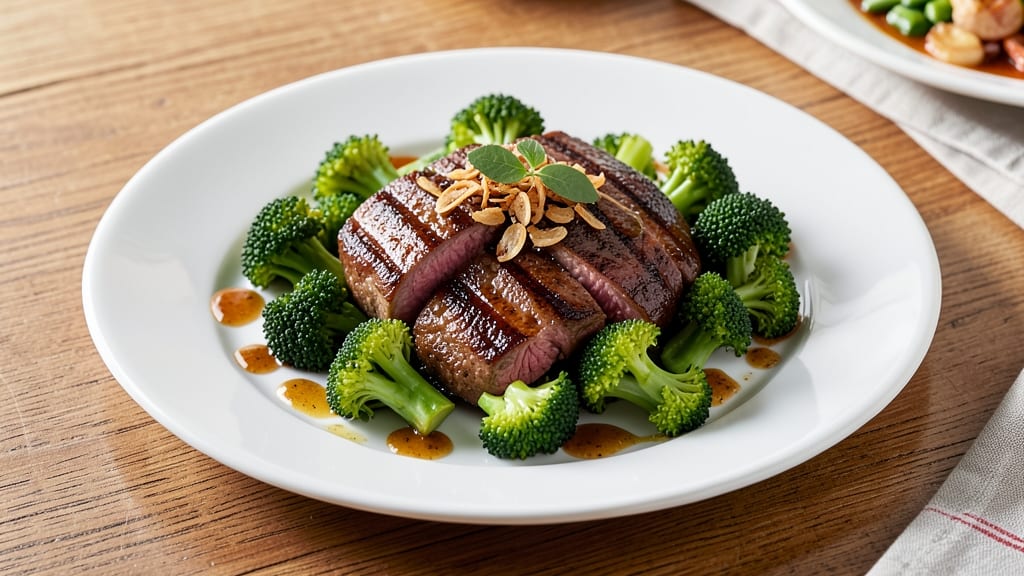
This beef and broccoli recipe is damn delicious—the kind of wok-tossed magic that turns weeknight dinners into restaurant-worthy meals. 🔥 The secret lies in perfectly seared beef strips that stay tender yet crisp at the edges, paired with bright green broccoli florets that blister just enough to unlock their natural sweetness.
I've been refining this technique for years, and it never fails to impress—even picky eaters ask for seconds. What makes this dish special is the sauce—a velvety blend of soy, ginger, and garlic that coats every bite without overpowering the natural flavors.
The key is high-heat wok action, which creates that signature smoky aroma (wok hei) while keeping everything perfectly cooked in just 15 minutes. No fancy equipment needed, just a sturdy skillet and a little patience for the sauce to thicken just right.
By the time you're done, you'll have a plate that's equal parts satisfying and elegant: tender beef, crisp-tender broccoli, and a glossy sauce that clings to every bite. The aroma alone will have everyone gathering around the table, and the first forkful will make them forget about takeout forever.
Serve it over steamed rice for the full experience, or keep it as-is for a quick protein-packed meal. Let's get cooking!
Ingredients for beef and broccoli recipe damn delicious
The beef and broccoli magic starts with these 15 ingredients—simple but packed with restaurant-quality flavor.
| Ingredient | Amount | Notes |
|---|---|---|
| Flank Steak 🥩 | 1 ¼ lb | Thinly sliced against grain |
| Broccoli Florets 🥦 | 2 cups | Large florets, stems trimmed |
| All-Purpose Flour 🌾 | 2 tbsp | For dusting beef strips |
| Vegetable Oil 🫒 | 2 tbsp | High smoke point preferred |
| Soy Sauce 🍶 | ½ cup | Light or regular, not low-sodium |
| Oyster Sauce 🍶 | 2 tbsp | For depth of flavor |
| Sesame Oil 🫒 | 1 tbsp | Toasted sesame oil, not cooking oil |
| Garlic Cloves 🧄 | 4 cloves | Minced finely for sauce |
| Fresh Ginger 🌿 | 1 tbsp | Grated finely, not powdered |
| Honey 🍯 | 1 tbsp | For balancing sauce |
| Cornstarch 🌾 | 1 tbsp | For thickening sauce |
| Water 💧 | 2 tbsp | For cornstarch slurry |
| Salt 🧂 | 1 tsp | Kosher or sea salt |
| Black Pepper 🌶️ | ½ tsp | Freshly ground preferred |
| Sesame Seeds 🌱 | 1 tsp | Toasted for garnish |
The beef is everything here. Flank steak gives you that perfect balance of tenderness and chew—ribeye or sirloin work too, but stay away from lean cuts like filet. Look for well-marbled meat at Whole Foods or your local butcher shop; the marbling keeps it juicy. If you're using a whole steak, slice it thinly against the grain—that's what makes it tender. Pro tip: let it sit out for 20 minutes before slicing so it's easier to cut. And trust me, the flour dusting isn't just for sticking—it adds a subtle crunch that's totally worth the 30 seconds it takes.
No soy sauce? Coconut aminos is the closest substitute, though it'll be slightly sweeter. The oyster sauce is non-negotiable for that umami punch—if you're avoiding it, fish sauce plus a splash of soy works in a pinch, but it won't be identical. Fresh ginger and garlic are ideal, but powdered ginger at half the amount gets you close. The sesame oil is for finishing—use the toasted kind (not the cooking oil version), and add it last so the aroma shines. For the broccoli, big florets with stems trimmed hold up better to high heat. Baby broccoli will get mushy faster, so skip it unless you're in a rush.
This sauce reheats like a dream—just add a splash of water and warm through. Keeps for 4-5 days in the fridge, or freeze it for 3 months if you're making a big batch. The beef and broccoli? Best served fresh, but you can reheat them gently in a skillet with a splash of water to keep them crisp-tender. I always double the sauce because it's perfect over rice or noodles later in the week. Store the sauce separately if you're prepping ahead—just toss it with the reheated beef and broccoli when ready to eat.
Why You'll Love This Recipe
- No-Fuss Protein Power: I swear by the flank steak—it’s lean, packs serious flavor, and slices thin against the grain into tender strips. No fancy cuts, no waste, just pure beef satisfaction with minimal effort.
- Umami Bomb: That soy sauce isn’t just seasoning—it’s the secret weapon. The deep, salty-sweet punch clings to the beef and broccoli like glue, while the flour coating gives it that perfect crisp-tender bite. Honestly, the first time I tasted it, I nearly dropped my fork.
- Weeknight to Date Night: Same ingredients, endless uses. Toss it over rice for a quick dinner, pile it on noodles for a takeout vibe, or serve it with steamed jasmine for a restaurant-worthy plate. My roommate’s picky boyfriend even approved—(yes, even on a Tuesday night).
- Leftovers That Don’t Suck: This recipe actually improves the next day. The flavors meld even more, and the broccoli stays crisp instead of soggy. I double the batch on Sundays, stash it in the fridge, and reheat it in minutes—no sad, dry meat here. Budget-friendly? You bet. Reliable? Double you bet.
Step-by-step instructions for wok-tossed beef and broccoli
Here's how to make this restaurant-style dish with perfect caramelized beef and glossy sauce.
🔪 Step 1: Prep and Slice the Flank Steak
Remove the 1.25 lb flank steak from the refrigerator and let it sit at room temperature for 15-20 minutes. This ensures even cooking. Using a sharp knife, slice the steak thinly against the grain—this creates tender bites instead of chewy strips. You should end up with about ¼-inch thick slices.
While the steak rests, trim the stems from the 2 cups broccoli florets and cut any large florets in half for even cooking. The key here is to work quickly—once you start cooking, everything needs to move fast to keep that wok-tossed texture. Keep the broccoli in a bowl of cold water until ready to use to prevent browning.
👨🍳 Step 2: Dust and Sear the Beef
Heat a wok or large skillet over high heat until it's smoking hot. Add 2 tablespoons vegetable oil and let it shimmer for 30 seconds. Working in batches if needed, toss the sliced flank steak in the 2 tablespoons all-purpose flour, shaking off any excess. Add the beef to the wok in a single layer and let it sear undisturbed for 1-2 minutes until deeply browned on one side.
Flip the beef and cook for another 1-2 minutes until it's browned on both sides and nearly cooked through. The goal is to get that beautiful caramelization while keeping the beef tender. Remove the beef to a plate and set aside—it'll finish cooking in the sauce.
🍳 Step 3: Stir-Fry the Broccoli
In the same wok, add a bit more vegetable oil if needed and stir-fry the broccoli florets over high heat for 2-3 minutes until bright green and just tender-crisp. You want to preserve that vibrant color and slight crunch—overcooking will turn them mushy. Remove the broccoli to a separate plate and set aside with the beef.
Here's the thing—don't crowd the wok. If you're using a large wok, you can cook all the broccoli at once. But if you're in a smaller pan, work in batches. The broccoli should sizzle and steam slightly, developing that wok-tossed texture we're after.
🥘 Step 4: Make the Sauce
Lower the heat to medium and add the 4 cloves minced garlic and 1 tablespoon grated fresh ginger to the wok. Cook for 30 seconds until fragrant—don't let them burn. Pour in the 0.5 cup soy sauce, 2 tablespoons oyster sauce, and 1 tablespoon honey. Stir well to combine and let the sauce simmer for 1 minute.
In a small bowl, whisk together the 1 tablespoon cornstarch and 2 tablespoons water to make a slurry. Slowly pour this into the wok while stirring constantly. The sauce will thicken immediately into a glossy, silky consistency. If it's too thick, add a splash of water to reach your desired texture.
🔥 Step 5: Toss and Finish
Return the beef and broccoli to the wok and toss everything together with the sauce. Add the 1 tablespoon sesame oil and toss again to coat everything evenly. Cook for another 1-2 minutes until everything is heated through and the sauce clings beautifully to the beef and broccoli.
Taste and adjust seasoning with a pinch more salt or black pepper if needed. Garnish with 1 teaspoon toasted sesame seeds and serve immediately over steamed rice. The beef should be tender with a slight chew, the broccoli crisp-tender, and the sauce glossy and perfectly balanced between sweet, salty, and umami flavors.
Pro Tips For Making Beef And Broccoli Recipe Damn Delicious
- Slice Against the Grain: Flank steak’s tough fibers run diagonally—cutting perpendicular to them shortens the strands and makes every bite tender. Use a sharp knife and angle it like you’re slicing into a deck of cards, or your fork will just shred the meat into rubbery threads.
- Blanch Broccoli First: Toss florets in boiling water for 30 seconds before stir-frying—this stops the bitterness and keeps them bright green. Drain well (I use a colander and give it a good shake) so they sizzle instead of steam in the pan.
- Don’t Crowd the Pan: I learned this the hard way—piling steak and broccoli together steams the meat and turns the sauce into a soggy mess. Work in batches if needed: sear the beef first, then push it aside and cook the broccoli in the same oil. The residual beef flavor will still infuse the veggies.
- Use Cornstarch, Not Flour: Skip the all-purpose flour for a glossier sauce. Mix 1 tablespoon cornstarch with 2 tablespoons soy sauce and a splash of water, then stir it into the pan at the end. It thickens faster and gives that signature silky coating without clumping. (Yes, even if you’re impatient like me.)
Regional styles of these flavors
Chinese-American Classic
This is the dish that brought beef and broccoli to American dinner tables—originating in Chinese-American restaurants during the 19th century. The original version used tougher cuts of beef like chuck roast, slow-cooked until tender, then tossed with a sweet-savory sauce.
I still love that deep flavor, but modern versions (like this one) use flank steak for quick cooking and that signature wok-tossed texture. The key difference? High heat and fast cooking for that restaurant-style crunch. 🔥
Hong Kong-Style Twist
In Hong Kong, they take beef and broccoli to another level by adding dried shiitake mushrooms and Chinese black vinegar for tangy depth. The sauce here is often thicker and slightly sweeter, with a touch of hoisin sauce instead of oyster sauce.
I've made this version and it's amazing—especially when served with jasmine rice. The mushrooms add an earthy umami that pairs perfectly with the beef's richness.
Japanese Teriyaki Fusion
For a lighter take, Japanese home cooks often replace the soy-oyster sauce with teriyaki sauce (soy sauce + mirin + sugar). They'll also add thinly sliced scallions and a sprinkle of furikake (Japanese seasoning) for extra flavor.
The beef gets marinated in the teriyaki sauce before cooking, which keeps it incredibly tender. I've found this version works beautifully with udon noodles instead of rice.
Korean-Inspired Banchan
In Korea, beef and broccoli often appears as a banchan (side dish) rather than a main. They'll use gochujang (fermented chili paste) instead of soy sauce for heat, and add sesame oil and toasted sesame seeds for nutty depth.
The broccoli gets a quick blanch before stir-frying to preserve its vibrant color. This version is perfect for pairing with steamed short-grain rice and a cold beer.
Modern Fusion Adaptations
For a contemporary twist, try adding crispy fried shallots for texture or a drizzle of chili crisp for heat. Some chefs even incorporate umeboshi (pickled plum) for a sweet-tangy balance.
I once made a version with miso butter tossed in at the end—it added a rich, savory depth that was unexpected but fantastic. The possibilities are endless when you start playing with global flavors!
Vegetarian Swap
For a plant-based version, replace the beef with extra-firm tofu or mushroom caps (like king oyster). Press and marinate the tofu in the sauce for 30 minutes before cooking to absorb maximum flavor.
The broccoli stays the same, but you'll want to add a pinch of baking soda to the water when blanching for extra crispness. This version is surprisingly satisfying and works perfectly as a weeknight meal. 💚
Nutrition facts
Frequently asked questions
Can I use a different cut of beef instead of flank steak?
Sirloin or ribeye work beautifully—they're more marbled and tender. For leaner options like top round, slice it extra thin and marinate for 30 minutes in the sauce before cooking. Avoid filet mignon (too tender) or chuck (too tough unless slow-cooked). The key is ¼-inch thickness and slicing against the grain.
How do I prevent the broccoli from turning mushy?
Keep the heat high and cook in batches if needed—overcrowding steams instead of sears. For extra crispness, blanch florets in boiling water for 30 seconds before stir-frying. And don't cover the pan while cooking! The steam will make them soggy.
Can I make this dish in a regular skillet instead of a wok?
Yes, but work in batches to mimic wok heat. Use a heavy-bottomed skillet (like cast iron) and keep the flame on high. The sauce will still work—just reduce the water in the cornstarch slurry slightly (1 tbsp water) since skillets hold less heat. Stir constantly to prevent burning.
What's the best way to reheat leftovers?
Reheat in a skillet over medium heat with 1 tbsp water to steam, then toss with a splash of extra sauce. Microwaving makes broccoli limp—never do that! For the sauce alone, warm gently on the stove and add water as needed. Leftovers keep 3-4 days in the fridge.
Why does my sauce turn out too thick or too thin?
Too thick? Add 1 tsp water at a time while stirring. Too thin? Mix ½ tbsp cornstarch + 1 tsp water and whisk in. The sauce should coat the back of a spoon but still be pourable. For extra gloss, add ½ tsp sesame oil at the end. Always simmer the sauce for 1 full minute after adding the slurry.