
Main Courses
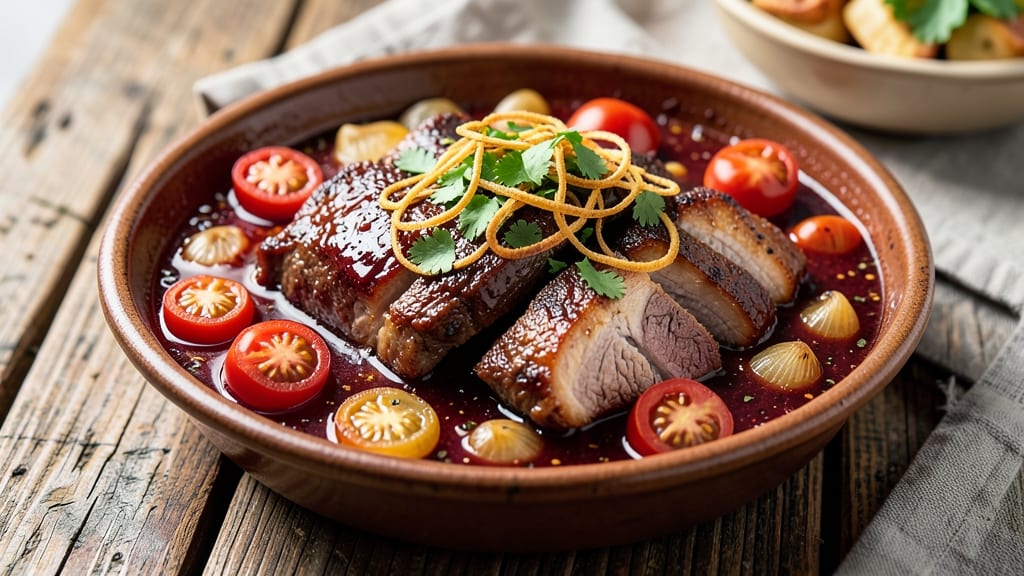
This beef and pork caldereta recipe brings rich, slow-simmered comfort straight from the Philippines to your kitchen table. 🔥 After years of perfecting the balance between tender meat and velvety sauce, I’ve developed a version that delivers deep, savory flavors with a crispy tortilla topping that adds just the right crunch.
The secret lies in layering spices and letting the broth reduce slowly, creating a dish that’s both hearty and elegant.
What makes this recipe special is its ability to transform simple ingredients into something extraordinary. You’ll start with a mix of beef and pork—tougher cuts that become melt-in-your-mouth tender through hours of simmering.
The sauce, thickened with tomatoes and a touch of coconut milk, carries layers of garlic, onions, and bay leaves, while the crispy tortilla topping adds a textural contrast that makes every bite unforgettable.
The result is a dish that’s perfect for family gatherings or cozy weeknight dinners, where the aroma alone will have everyone gathering around the table. The sauce clings to the meat and vegetables, creating a rich, flavorful broth that’s both comforting and satisfying.
Serve it with steamed rice to soak up every last drop of that delicious sauce.
For those looking to adapt this recipe, you can easily swap the meat for chicken or even hearty vegetables like mushrooms and eggplant. The crispy tortilla topping can also be made ahead and reheated for that perfect crunch.
Let’s get cooking—this dish is a true labor of love, and the effort is worth every bite.
Ingredients for beef and pork caldereta
Six ingredients transform into a rich, comforting stew with crispy tortilla crunch.
| Ingredient | Amount | Notes |
|---|---|---|
| Chuck Roast 🥩 | 1 ½ lb | Tough cut for melting tenderness |
| Pork Shoulder 🐖 | 1 ½ lb | Bone-in preferred for flavor |
| Yellow Onions 🧅 | 3 whole | Medium size, sliced thin |
| Garlic Cloves 🧄 | 8 cloves | Minced for aromatic base |
| Tomatoes 🍅 | 3 whole | Medium, diced or crushed |
| Canned Tomatoes 🍅 | 1 can | 28 oz, San Marzano preferred |
| Bay Leaves 🌿 | 2 whole | Dried, standard size |
| Coconut Milk 🥥 | 1 can | 13.5 oz, full-fat preferred |
| Potatoes 🥔 | 2 lb | Russet, peeled and cubed |
| Carrots 🥕 | 4 whole | Medium, sliced into rounds |
| Flour Tortillas 🍞 | 6 whole | Medium size, for topping |
| Olive Oil 🫒 | ½ cup | Extra-virgin for frying |
| Salt 🧂 | 1 ½ tsp | Kosher or sea salt |
| Black Pepper 🌶️ | 1 tsp | Freshly ground preferred |
| Ground Black Pepper 🌶️ | ½ tsp | For crispy topping seasoning |
The meat is everything here. Chuck roast and pork shoulder from Costco or your local butcher give you that perfect balance of tenderness and flavor. Look for cuts with good marbling—they'll stay juicy during the long simmer. If you can't find chuck, chuck eye or bottom round work too. The key is to trim any excess fat before cooking. For the tomatoes, San Marzano cans at Whole Foods or any Latin market make a noticeable difference—they're sweeter and less watery than regular canned tomatoes. Fresh tomatoes add brightness, but don't skip the canned ones for body.
No chuck roast? Short ribs or brisket work beautifully, but you'll need to adjust cooking time. Running short on coconut milk? Evaporated milk or half-and-half can substitute, though the flavor won't be identical. The tortillas should be flour, not corn—they crisp up better. For extra richness, brush them with a little melted butter before frying. The potatoes and carrots can be swapped for sweet potatoes or parsnips if you're feeling adventurous. Just make sure they're cut evenly so they cook at the same rate. And if you're worried about the sauce being too thin, a cornstarch slurry works wonders for thickening at the end.
This dish tastes even better the next day—honestly, the flavors meld into something magical. Store leftovers in the fridge for up to 5 days, or freeze portions for 3 months. The crispy tortilla topping loses its crunch when reheated, so make it fresh before serving. For meal prep, I like to assemble everything except the topping, then refrigerate the base. When ready to serve, just heat it up and crisp the tortillas in a hot pan. The sauce thickens as it cools, so you might need to add a splash of water or broth when reheating.
Why You'll Love This Recipe
- One-Pot Magic: I swear by this recipe on busy nights—just toss the chuck roast and pork shoulder into a deep pot with onions and garlic, then let it simmer. No chopping boards, no extra pans, just hands-off cooking while you handle the rest.
- Rich, Deep Umami Bomb: That slow-cooked blend of beef and pork? It melts into the sauce with tomatoes until it’s ridiculously flavorful—savory, slightly tangy, and packed with caramelized onion sweetness. Honestly, the first bite makes me close my eyes.
- Leftovers That Beg for More: This stew only gets better after a day or two in the fridge. I’ll be real: my freezer is full of it because reheating it is just as good as the first serving—perfect for lazy lunches or unexpected guests.
- Budget-Friendly Crowd Pleaser: A big cut of beef and pork stretches across multiple meals without breaking the bank. Between us, this is how I feed my whole family for under $15—plus, everyone asks for seconds, so it’s a win-win.
Step-by-step instructions for beef and pork caldereta
This rich, slow-cooked stew transforms tough cuts into melt-in-your-mouth goodness with a crispy tortilla crown.
🔥 Step 1: Sear the Meats for Deep Flavor
Heat 0.25 cup of the olive oil in a large Dutch oven over medium-high heat. Add the 1.5 lb chuck roast and 1.5 lb pork shoulder in a single layer, working in batches if needed. Sear each piece for 3-4 minutes per side until deep golden brown and developing a crust.
This step is everything—those caramelized edges pack serious flavor. If your pan gets crowded, don't rush; cook in batches. Remove the meats and set aside on a plate. You'll notice the meat releases easily when it's ready to flip, and the bottom of the pan develops a beautiful brown crust.
👨🍳 Step 2: Build the Aromatic Base
In the same Dutch oven, add the remaining 0.25 cup olive oil and 3 whole yellow onions sliced into thin half-moons. Cook over medium heat for 8-10 minutes until softened and golden. Add the 8 cloves minced garlic and cook for 30 seconds until fragrant—don't let it burn!
Next, stir in the 3 whole tomatoes (diced) and 1 can canned tomatoes (crushed by hand). Add 1.5 tsp salt, 1 tsp black pepper, and 2 whole bay leaves. Cook for 5 minutes until the tomatoes break down and the mixture thickens slightly. This aromatic base forms the flavor foundation for the entire stew.
🥘 Step 3: Simmer the Stew Low and Slow
Return the meats to the Dutch oven along with any accumulated juices. Pour in 1 can coconut milk and add 2 lb cubed potatoes and 4 whole carrots sliced into rounds. Bring to a gentle simmer over low heat (about 300°F internal temperature). Cover and cook for 2-2.5 hours until the meats are fork-tender and vegetables are soft.
Here's the thing—don't peek! Every time you lift the lid, you lose heat and moisture. The stew should bubble gently. You'll know it's ready when the meats pull apart easily and the potatoes are tender with a knife sliding in effortlessly. If the liquid reduces too much, add ½ cup water to maintain the perfect consistency.
🔥 Step 4: Create the Crispy Tortilla Topping
While the stew simmers, heat 0.25 cup olive oil in a large skillet over medium-high heat. Cut the 6 whole flour tortillas into quarters and sprinkle lightly with 0.5 tsp ground black pepper. Fry the tortilla pieces in batches for 1-2 minutes per side until golden brown and crispy. Drain on paper towels and keep warm.
This is where the magic happens—the crispy tortilla topping adds texture contrast to the creamy stew. Don't overcrowd the pan or the tortillas will steam instead of crisp. The key is high heat and quick cooking. Once they're golden, they'll stay crispy for a few minutes while you assemble everything.
🍽️ Step 5: Assemble and Serve with Confidence
Once the stew is complete, discard the bay leaves. Taste and adjust seasoning if needed—you might want to add a pinch more salt or black pepper. Ladle the hot stew into serving bowls, then arrange the crispy tortilla pieces on top. The contrast of creamy stew and crispy tortilla is what makes this dish so special.
Serve immediately while the tortillas are still crispy. Each bite delivers tender meat, creamy coconut milk, and that satisfying crunch from the tortilla topping. The flavors meld beautifully together, creating a comforting dish that's perfect for family gatherings or cozy weeknight dinners.
Pro Tips For Making Beef And Pork Caldereta
- Sear the Meat First: The rich, caramelized crust from a good sear is what turns caldereta from good to unforgettable—especially for chuck roast and pork shoulder. Use a heavy pot or Dutch oven and let the meat brown undisturbed for 5-6 minutes per side, even if it means waiting longer. I learned this the hard way after skipping it and ending up with bland, gray meat that tasted like it was simmered in water.
- Char the Onions: Don’t just dice those yellow onions—char them first. Cut them in half, place cut-side down in a dry pan over medium-high heat, and let them blacken slightly at the edges. This adds a smoky depth that cuts through the richness of the beef and pork. (Yes, even if it looks like you’re making a mistake—your future self will thank you.)
- Deglaze with Beer: After searing the meat, don’t just splash in broth or water. Scrape up those browned bits with a wooden spoon and deglaze with a cold beer (light lager or pale ale works best). The alcohol evaporates quickly, but it pulls out flavors you’d otherwise lose. I was skeptical until I tried it—now it’s non-negotiable in my caldereta.
- Simmer Low and Slow: This isn’t a quick weeknight stew—caldereta needs time to tenderize. Once everything’s in the pot, reduce heat to a gentle simmer (just small bubbles breaking the surface) and cover partially. If you rush it, the pork shoulder will turn tough and the beef will stay chewy. I used to crank the heat, and the results were always disappointing. Trust the process.
Troubleshooting great beef and pork caldereta
Meat Too Tough?
If your beef or pork feels undercooked or rubbery after simmering, you likely didn’t cook it long enough. The trick is patience—this dish needs 2-2.5 hours at a gentle simmer (300°F internal temp).
I’ve seen home cooks rush it, but trust me, the meat will pull apart like butter when it’s done. For extra insurance, use a meat thermometer—beef should hit 203°F and pork 195°F before pulling it out. 💡
Sauce Too Thin?
A thin sauce often means the coconut milk didn’t thicken enough. First, check if you used full-fat coconut milk—light versions won’t give the same richness. If it’s still too thin, make a cornstarch slurry (1 tbsp cornstarch + 2 tbsp cold water) and stir it in off the heat.
Let it simmer for 2-3 minutes until it thickens. For a more traditional approach, simmer uncovered for 10-15 minutes to reduce it naturally. I’ve also seen people add 1 tbsp tomato paste at the end for extra body.
Tortillas Not Crispy?
Crispy tortilla toppings are all about heat control. If yours turn out soggy, you’re either not using enough oil or cooking at too low a temperature. Heat 0.25 cup olive oil in a skillet over medium-high heat until it shimmers—you should see small bubbles forming.
Cook the tortilla pieces in batches for 1-2 minutes per side, flipping only once. Overcrowding the pan will steam them instead of crisping. Pro tip: Spritz the tortillas lightly with oil before frying for extra crunch. 🍞
Broth Too Salty?
Over-salting is a common mistake, especially if you’re using salty canned tomatoes or broth. Taste as you go—add salt gradually. If it’s too salty, balance it with 1 tbsp lemon juice or a splash of coconut milk (the natural sweetness cuts through the salt).
For a deeper fix, add ½ cup unsalted chicken or vegetable broth to dilute the flavor. I’ve also seen people add a pinch of sugar to round out the taste, but go light—you don’t want to mask the savory notes.
Vegetables Mushy?
Potatoes and carrots can turn to mush if they overcook while the meat finishes. To prevent this, add them to the stew 30-45 minutes before the meat is done.
If they’re already too soft, drain some of the broth and return the veggies to the pot for 5 minutes to reabsorb flavor. For extra control, parboil the potatoes for 5 minutes before adding them to the stew. This gives you a head start on tenderness without sacrificing texture. 🥔
Flavor Too Mild?
A lackluster flavor usually means the aromatic base didn’t develop enough. Make sure you brown the onions and garlic until they’re deeply golden—this builds sweetness and depth. For extra punch, add 1 tsp soy sauce or ½ tsp fish sauce (trust me, it adds umami without overpowering).
A pinch of ground cumin or smoked paprika can also elevate the dish. If you’re using canned tomatoes, opt for San Marzano—they’re sweeter and less acidic, making a noticeable difference. 🌶️
Nutrition facts
Frequently asked questions
What makes this beef and pork stew different from regular caldereta?
This version combines both beef and pork for deeper flavor, while the crispy tortilla topping adds a satisfying texture contrast. Traditional caldereta often uses just chicken, but the meat blend here creates a richer, heartier dish that's perfect for feeding a crowd. The slow simmer also develops more complex flavors than quick-cooked versions.
Can I make this in a slow cooker instead of a Dutch oven?
Use the same ingredients but adjust cooking time to 6-7 hours on low. Sear the meats first in a skillet, then transfer everything to the slow cooker. The tortilla topping should still be made fresh and added just before serving, as it won't reheat well. The slow cooker method actually enhances tenderness for tougher cuts.
What's the best way to store leftovers?
Store in an airtight container in the fridge for up to 5 days. The sauce thickens as it cools, so you may need to add a splash of water or broth when reheating. For the crispy topping, make it fresh each time—it loses its crunch when reheated. Freeze portions without the topping for up to 3 months—just thaw and add fresh tortillas when serving.
Can I substitute any of the vegetables?
Yes! Swap potatoes for sweet potatoes or parsnips, and carrots can be replaced with green beans or zucchini. For a heartier dish, add eggplant or mushrooms. Just adjust cooking times—denser vegetables like eggplant should go in earlier, while delicate greens should be added last. The key is maintaining that vegetable-to-meat ratio for balanced flavor.
How do I know when the meat is fully tender?
Use a meat thermometer for accuracy: beef should reach 203°F and pork 195°F. The meat should also pull apart easily with a fork and look moist rather than dry. If you don't have a thermometer, cut into the thickest piece—the juices should run clear, not pink or bloody. Patience is key—this dish rewards slow cooking!