
Main Courses
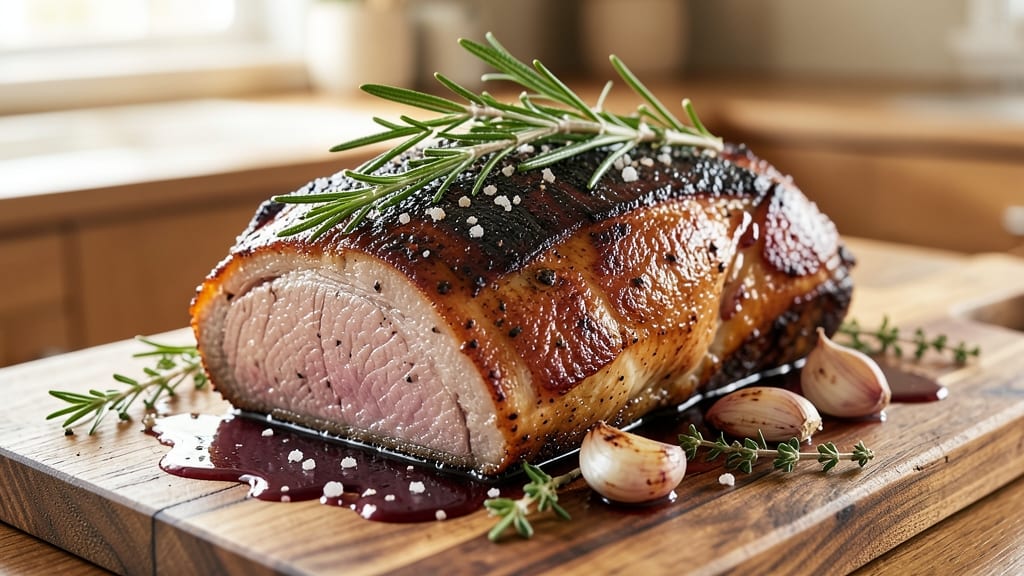
Angus beef shoulder roast recipe transforms a simple Sunday dinner into a showstopper—where rich marbling melts into tender perfection and a golden crust seals in every ounce of flavor. The secret lies in patience: a slow roast at 275°F until the internal temperature hits 195°F, breaking down tough fibers into buttery, fork-tender meat. This isn’t just a roast; it’s a centerpiece that demands attention, with sides like garlic mashed potatoes and caramelized onions playing supporting roles.
The beauty of this method is its precision: a dry brine overnight enhances seasoning penetration, while a high-heat sear after roasting creates that coveted crust. You’ll need about 3 hours for a 4-5 pound roast, including resting time—critical for juiciness.
The result? A slice so tender it nearly dissolves, with fat capillaries glistening like liquid gold. This is the kind of roast that turns casual dinners into memorable meals, where every bite feels like a reward.
What sets this apart is the balance of technique and simplicity. No fancy equipment—just a roasting pan, basic seasonings, and time. The buttery marbling of Angus beef does most of the work, while the slow cook ensures even tenderness from edge to edge.
Serve with pan juices reduced into a glossy sauce, and you’ve elevated a classic dish to restaurant-worthy status without the fuss.
For those who love leftovers (and who wouldn’t?), this roast reheats beautifully for sandwiches or hash the next day. The key is letting it rest before slicing—15 minutes minimum—to lock in juices.
This isn’t just a recipe; it’s a lesson in how to make meat the star of the plate, with every element working in harmony. Let’s get to work.
Ingredients for angus beef shoulder roast
Sixteen ingredients—just enough to highlight the beef's natural richness and create a showstopping crust.
| Ingredient | Amount | Notes |
|---|---|---|
| Angus Beef Shoulder Roast 🥩 | 4 ½ lb | Bone-in, well-marbled, trimmed of surface fat |
| Kosher Salt 🧂 | 2 tbsp | Diamond Crystal preferred for even distribution |
| Freshly Ground Black Pepper 🌶️ | 1 ½ tbsp | Coarsely cracked for texture |
| Garlic Cloves 🧄 | 6 cloves | Smashed for aromatic oils |
| Fresh Rosemary 🌿 | ¼ cup | Coarsely chopped, stems removed |
| Fresh Thyme 🌿 | ¼ cup | Leaves only, stems discarded |
| Unsalted Butter 🧈 | 4 tbsp | Cold, cubed for crust development |
| Extra-Virgin Olive Oil 🫒 | 2 tbsp | For high-heat sear |
| Yellow Onion 🧅 | 1 whole | Quartered, for pan aromatics |
| Carrots 🥕 | 4 whole | Whole, for roasting pan |
| Fresh Parsley 🌿 | ⅛ cup | Chopped, for garnish |
| Beef Stock 🍲 | 1 cup | Reduced, for pan sauce |
| Red Wine 🍷 | ½ cup | Dry, bold variety |
| All-Purpose Flour 🌾 | 1 tbsp | For sauce thickening |
The Angus beef shoulder is the star, so prioritize marbling and quality—look for USDA Prime at specialty butchers like D'Artagnan or Snake River Farms. A 4.5-pound roast yields generous servings, but adjust based on your crowd. The rosemary and thyme should be fragrant, not wilted—Whole Foods or Trader Joe's bulk sections are reliable sources. For the butter and olive oil, use European-style unsalted butter (like Plugrá) and a high-smoke-point oil for the sear. The garlic and onion add depth, but don’t skimp on freshness—pre-minced garlic lacks punch.
No Angus? Ribeye or strip steak roast works in a pinch, but the fat distribution differs—expect slightly less tenderness. Substitute dried herbs at half the amount (e.g., 1 tbsp dried thyme instead of 0.25 cup fresh), but fresh is non-negotiable for this dish. The red wine can be swapped for beef broth + balsamic vinegar (1:1 ratio) if unavailable. For the pan aromatics, baby carrots or parsnips add sweetness without overpowering. The flour is optional for the sauce—skip if you prefer a glossy, unthickened reduction.
Prep the roast 24 hours ahead for dry brining—pat it dry and refrigerate uncovered. The butter and herbs can be mixed into a paste 1 hour before roasting for easier application. Store leftovers 3-4 days in the fridge, portioned in airtight containers. For freezing, slice against the grain, portion into 1-cup servings, and freeze with sauce—reheat in a skillet for 2-3 minutes to revive juices. The pan drippings keep for 1 week in the fridge; reduce them into a sauce within 2 days for best flavor.
Why You'll Love This Recipe
- Here’s the secret: a 4-pound roast stretches for a week of lunches, and Angus delivers restaurant-quality flavor without the markup. I call it my "fancy on a budget" trick.
- Rich, Herby Magic: That first bite? The rosemary’s piney warmth meets the beef’s deep, buttery melt—like a hug from a steakhouse, but with half the effort. The garlic? It caramelizes into something almost sweet when it’s done.
- Leftovers That Win: I make this intentionally big because the next-day slices are even better—crispy edges, tender inside, perfect for sandwiches or reheated with a splash of red wine. My kids fight over it.
- Budget Luxury: Here’s the secret: a 4-pound roast stretches for a week of lunches, and Angus delivers restaurant-quality flavor without the markup. I call it my "fancy on a budget" trick.
Step-by-step instructions for Angus beef shoulder roast
This method transforms tough beef shoulder into melt-in-your-mouth perfection with a golden crust.
Prepare and Season the Roast
Remove the 4.5 lb Angus Beef Shoulder Roast from the refrigerator and let it sit at room temperature for 1 hour. This ensures even cooking throughout. Pat the roast dry with paper towels—removing all moisture is critical for developing that perfect crust later.
In a small bowl, combine 2 tbsp Kosher Salt and 1.5 tbsp Freshly Ground Black Pepper. Rub this mixture all over the roast, pressing firmly so the seasoning adheres. Then, in another bowl, mix 0.25 cup Fresh Rosemary and 0.25 cup Fresh Thyme with 2 tbsp Extra-Virgin Olive Oil until evenly distributed. Spread this herb-oil mixture evenly over the roast, including inside any cavities.
Sear the Roast for Maximum Flavor
Preheat your oven to 425°F. Heat a large oven-safe skillet over high heat. Add 2 tbsp Extra-Virgin Olive Oil and let it get very hot—you should see slight smoke when you add the roast. Place the roast fat-side down and sear for 5-7 minutes until a deep golden-brown crust forms.
Flip the roast and sear the other side for another 5-7 minutes. This high-heat searing locks in juices and creates the foundation for your crust. While the roast sears, place 1 whole Yellow Onion (quartered) and 4 whole Carrots in a roasting pan to roast alongside the beef.
Roast Low and Slow for Tender Perfection
Transfer the seared roast to the prepared roasting pan with the vegetables. Place the skillet with the roast in the oven and reduce the temperature to 300°F. Roast for 3-4 hours until the internal temperature reaches 195-200°F (use a meat thermometer inserted into the thickest part of the roast).
Here's the thing—don't be tempted to check the temperature too early. The roast will hit "the stall" around 160°F and stop rising temporarily. This is normal and part of the process. The key is patience; the internal temperature will eventually climb back up to your target range.
Create a Rich Pan Sauce
Once the roast reaches the desired temperature, remove it from the oven and transfer to a cutting board. Tent loosely with foil and let it rest for 30 minutes—this resting period is crucial for redistributing juices throughout the meat.
Return the skillet to the stovetop over medium heat. Add 4 tbsp Unsalted Butter and let it melt, scraping up any browned bits from the bottom of the pan. Deglaze with 0.5 cup Red Wine, scraping constantly to incorporate all the flavorful fond. Simmer for 2-3 minutes until the wine reduces by half.
Thicken the Sauce and Serve
Stir in 1 cup Beef Stock and bring to a gentle simmer. In a small bowl, whisk together 1 tbsp All-Purpose Flour with 2 tablespoons of the hot pan juices to make a slurry. Pour this back into the skillet and stir constantly until the sauce thickens to your desired consistency—about 3-5 minutes.
Slice the rested roast against the grain into ½-inch thick slices. Spoon the rich pan sauce over the top and garnish with 0.125 cup Fresh Parsley. Serve immediately with the roasted vegetables and crusty bread to soak up every last drop of that luxurious sauce.
Pro Tips For Making Angus Beef Shoulder Roast
- SEAR FIRST, THEN SALT: I used to salt the roast right before roasting, but after burning my first batch, I learned: sear the beef dry in a screaming-hot pan for 3-4 minutes per side until deep brown, then immediately salt and pepper the crust. The salt sticks better to the caramelized surface, and the high heat locks in juices—no more dry exterior or bland flavor.
- SMASH THOSE GARLIC CLOVES: Whole garlic cloves? Toss ‘em. Peel them, smash each one flat with the side of your knife, and scatter them directly on the roast before roasting. The skin cracks open, releasing flavor into the meat instead of just sitting there like a decorative afterthought. (Yes, some will stick out—it’s fine. They’ll be tender by the end.)
- DON’T POKERHOLE THE ROAST: I know, I know—you want to check doneness. But every time you stab that meat with a fork or knife, you’re pushing juices to the surface, which then evaporate when exposed to heat. Use a meat thermometer instead: pull it out at 195°F internal temp (yes, it’ll feel tough—it’s supposed to). The resting time will make it fork-tender.
- ROSEMARY SPRIGS, NOT CHOPPED: Fresh rosemary loses its punch when finely chopped, especially in a roast where it’s buried under layers of meat. Skewer 3-4-inch sprigs directly into the roast at an angle—this keeps the needles intact and lets the oil and juices extract flavor as it cooks. (Pro move: Tie them loosely with kitchen twine so they don’t fall into the pan.)
Health benefits of angus beef shoulder roast
Protein Powerhouse
Angus beef shoulder delivers an impressive 40 grams of protein per 4-ounce serving, making it a powerhouse for muscle repair and satiety. The high-quality collagen in the connective tissue breaks down during slow roasting, creating gelatin that adds richness to your sauce and supports joint health.
This is the kind of protein that keeps you full for hours while fueling your body efficiently. 💪
Iron and Zinc Boost
One serving provides about 30% of your daily iron needs, crucial for oxygen transport and energy levels, while also delivering 25% of your zinc requirement—essential for immune function and wound healing.
The marbling in Angus beef enhances these mineral levels compared to leaner cuts, giving you more nutritional bang for your buck.
Heart-Healthy Fats
The monounsaturated fats in Angus beef's marbling support cardiovascular health by improving cholesterol ratios when consumed as part of a balanced diet. The omega-3 fatty acids present in grass-fed Angus varieties further reduce inflammation, though conventional grain-fed Angus still offers excellent fat profiles compared to other red meats.
Vitamin B12 Source
You'll get a substantial vitamin B12 boost from this roast—about 60% of your daily needs per serving. This vital nutrient supports nerve function, red blood cell production, and energy metabolism.
The slow cooking process actually enhances B12 bioavailability compared to raw beef, making this roast an especially efficient way to meet your requirements.
Low-Carb Flexibility
With only 1 gram of carbohydrates per serving, this roast fits perfectly into low-carb and keto diets while providing generous protein and fat. The natural fats in Angus beef help satisfy cravings, making it an excellent choice for those monitoring carbohydrate intake without sacrificing flavor or satisfaction.
Collagen Benefits
The connective tissue in beef shoulder contains type I and III collagen, which breaks down during slow cooking to form gelatin. This supports skin elasticity, gut health, and joint function.
Regular consumption of collagen-rich meats like this roast can contribute to improved tissue repair and reduced joint discomfort over time. 💡
Nutrition facts
Frequently asked questions
Why does the recipe call for such a long roasting time?
The 3-4 hour low-and-slow roast at 300°F is essential for breaking down the tough connective tissue in beef shoulder. This slow cooking transforms it into fork-tender meat while preserving moisture. The key is patience—the internal temperature needs to reach 195-200°F for maximum tenderness.
Can I use a different cut of beef instead of shoulder?
While shoulder is ideal for this method, you can substitute with chuck roast or top round. However, these cuts may require slightly longer cooking times. Avoid leaner cuts like sirloin—they lack the marbling and connective tissue needed for this technique. The fat content in shoulder is what makes it perfect for slow roasting.
What's the best way to reheat leftovers?
Slice the roast against the grain and reheat in a skillet with a splash of beef stock over medium-low heat for 2-3 minutes per side. For oven reheating, cover with foil and warm at 300°F for 15-20 minutes. Never microwave—it makes the meat tough. The pan sauce reheats beautifully in the microwave for 30 seconds with a splash of water.
Should I trim all the fat from the roast?
Leave about ¼-inch of fat on the roast—this renders during cooking and creates flavorful pan drippings. However, trim any large fat deposits for even cooking. The marbling inside the meat is what you want to preserve—it's what makes Angus beef so delicious. The external fat helps create that beautiful crust during searing.
How far ahead can I prepare the seasoning mixture?
You can mix the herb-oil paste 1 hour before roasting and store it in the fridge. The dry brine (salt and pepper) can be applied up to 24 hours ahead if you want to prep the night before. Just let the roast sit at room temperature for 1 hour before cooking. The key is keeping the roast uncovered in the fridge to dry it out for better crust formation.