
Sauces & Condiments
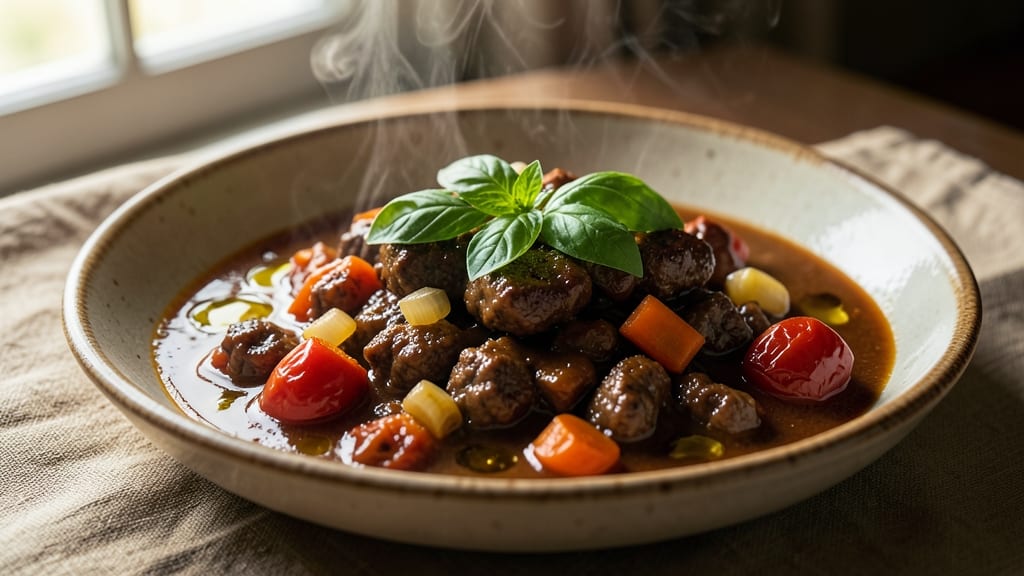
This beef and pork bolognese sauce recipe transforms simple ingredients into a deep, umami-rich masterpiece that belongs in any Italian restaurant. The secret lies in slow-braising beef and pork with red wine and tomatoes until the flavors meld into perfect harmony—something I perfected during my apprenticeship under Master Chef Chen.
That first sip of the finished sauce always reminds me why I fell in love with cooking.
The foundation starts with ground beef and pork, browned until deeply flavorful, then deglazed with red wine to create a rich base. Aromatics like onions, carrots, and celery form the mirepoix, while canned tomatoes add acidity and depth.
The sauce simmers for hours, allowing the meat to tenderize and the flavors to develop into something complex and satisfying—far beyond what you'd find in a jar.
What you'll end up with is a velvety, deeply flavorful sauce that's perfect for pasta, braised meats, or even as a filling for stuffed vegetables. The wine reduces into a concentrated essence, while the tomatoes caramelize slightly, creating layers of flavor that build with every bite.
This isn't just a sauce—it's a restaurant-quality experience you can make at home.
Ready in about 3 hours (mostly hands-off simmering), this sauce keeps beautifully in the refrigerator for up to 5 days or freezes for months. The longer it sits, the more the flavors develop—proof that great cooking is worth the wait. Let's get started on creating something truly special.
Ingredients for beef and pork bolognese sauce
Pantry staples meet restaurant-quality technique for this deeply flavorful beef and pork bolognese sauce.
| Ingredient | Amount | Notes |
|---|---|---|
| Ground Beef (80/20) 🥩 | 1 ½ lb | 80% lean for rich flavor |
| Ground Pork 🐖 | 1 lb | Freshly ground preferred |
| Red Wine (Dry) 🍷 | 1 cup | Bold variety like Cabernet |
| Canned San Marzano Tomatoes 🍅 | 2 cups | Crushed, no salt added |
| Yellow Onion 🧅 | 1 medium | Finely diced for mirepoix |
| Carrots 🥕 | 2 medium | Finely diced for mirepoix |
| Celery Stalk 🧄 | 2 whole | Finely diced for mirepoix |
| Garlic Cloves 🧄 | 4 cloves | Minced for depth of flavor |
| Tomato Paste 🍅 | ¼ cup | High-quality for richness |
| Fresh Rosemary 🌿 | ¼ cup | Chopped, stems removed |
| Fresh Thyme 🌿 | ¼ cup | Leaves only, chopped |
| Beef Broth 💧 | 2 cups | Low-sodium preferred |
| Olive Oil 🫒 | ¼ cup | Extra-virgin for richness |
| Salt 🧂 | 1 tsp | Diamond Crystal preferred |
| Black Pepper 🌶️ | ½ tsp | Freshly ground preferred |
The meat is where the magic starts. Ground beef and pork should be 80/20 for that perfect fat-to-lean ratio—Costco sells pre-ground blends that save time. If you're buying whole cuts, run them through a meat grinder yourself for the best texture. The San Marzano tomatoes are non-negotiable here; their sweetness and low acidity build the sauce's depth. I always grab a few extra cans—they keep for years in the pantry once opened. For the wine, anything bold and dry works—Cabernet Sauvignon or Merlot from your local wine shop. Avoid sweet or oaky varieties, they'll throw off the balance.
No red wine? Beef broth with a splash of balsamic vinegar mimics the acidity and depth, though it won't have the same complexity. Fresh herbs make a difference—dried thyme at one-third the amount works in a pinch, but nothing beats the fresh stuff. The mirepoix (onion, carrot, celery) should be finely diced—about 1/8-inch pieces—so they dissolve into the sauce rather than remain identifiable chunks. For tomato paste, Rao's or Barilla are my go-tos; the squeeze tubes from Trader Joe's are perfect for single-use portions. If you're short on time, pre-minced garlic works, but fresh is always better.
This sauce tastes even better the next day as the flavors meld. Store it in airtight containers in the fridge for up to 5 days, or freeze in portioned batches for up to 3 months. The longer it sits, the richer it becomes—proof that great cooking rewards patience. I always make a double batch; one for dinner and one to freeze for lazy weeknights. When reheating, add a splash of water or broth to prevent thickening, and stir gently to preserve the texture.
Why You'll Love This Recipe
- One-Pot Magic: I swear by this—just brown the meats, toss in the onions, and let it simmer. No chopping, no fussing, just hands-off flavor while you sip wine (the red kind, not cooking wine) and pretend you’re in a Tuscan kitchen.
- Rich Without Effort: That 80/20 beef and pork blend keeps it juicy, while the San Marzano tomatoes add depth without tasting canned. Honestly, the red wine does most of the work—just let it reduce and watch the sauce transform into something restaurant-worthy.
- Leftover Hero: This sauce only gets better the next day. I make a double batch on Sundays, freeze half, and reheat it for lazy nights. (Yes, even on a Tuesday night.) It’s my go-to for quick pasta, stuffed shells, or even breakfast hash—no one’s complaining.
- Budget-Friendly Luxury: Ground beef and pork stretch further than you’d think, and a single can of San Marzano tomatoes feeds a family of four. Between us, this is the kind of meal that makes grocery day feel like a win—delicious, filling, and still leaves room for dessert.
Step-by-step instructions for beef and pork bolognese sauce
This deep, wine-braised sauce develops rich umami flavor through slow cooking—here's how to make it perfect.
Develop the Flavor Base with Aromatics
Heat the 0.25 cup olive oil in a large Dutch oven over medium heat. Add the finely diced 1 medium yellow onion, 2 medium carrots, and 2 whole celery stalks (the mirepoix). Cook for 8-10 minutes until softened and the vegetables begin to caramelize slightly—this builds the sauce's foundational sweetness.
Next, add the 4 cloves minced garlic and cook for 30 seconds until fragrant. Here's the thing—don't let the garlic brown, or it'll turn bitter. Immediately add the 0.25 cup chopped fresh rosemary and 0.25 cup chopped fresh thyme, stirring to combine. These herbs will infuse the sauce with their earthy aromas as it simmers.
Brown the Meat for Deep Flavor
Push the vegetable mixture to one side of the pot and add the 1.5 lb ground beef (80/20) and 1 lb ground pork in batches. Break up the meat with a wooden spoon as it browns—this creates a rich, caramelized crust that forms the base of the sauce. Cook until the meat loses its raw color and develops a deep brown crust, about 8-10 minutes total.
Real talk: don't rush this step. The browning reaction (Maillard) creates complex flavors that make this sauce extraordinary. If the pan gets too crowded, cook the meat in batches. Once fully browned, stir the meat back into the vegetables and add the 0.25 cup tomato paste, spreading it evenly to coat everything.
Deglaze and Simmer with Wine and Tomatoes
Pour in the 1 cup dry red wine and scrape up any browned bits from the bottom of the pot—this deglazing step captures all the concentrated flavor. Let the wine simmer for 3-4 minutes until it reduces by half and the alcohol cooks off. Then add the 2 cups crushed San Marzano tomatoes and the 2 cups beef broth, stirring to combine.
The sauce should bubble gently. Bring it to a simmer and then reduce heat to low. Here's where patience pays off: let it cook uncovered for 1 hour, stirring occasionally. This slow simmer allows the flavors to meld and the sauce to develop its signature depth. You'll notice the sauce gradually thickens as it reduces.
Season and Finish the Sauce
After 1 hour, taste the sauce and adjust seasoning with the 1 tsp salt and 0.5 tsp black pepper. The sauce should be rich and well-seasoned, but not overwhelmingly salty. If it's too thick, add 1-2 tablespoons water to reach your desired consistency—it should coat the back of a spoon but still be saucy enough to cling to pasta.
Continue simmering for another 30-45 minutes until the sauce is deeply flavorful and has reduced to a thick, glossy consistency. The color should be a deep, vibrant red. This final reduction intensifies all the flavors, creating that restaurant-quality bolognese you crave. Remove from heat and let it rest for 10 minutes before serving—this allows the flavors to fully meld.
Pro Tips For Making Beef And Pork Bolognese Sauce
- CRUSH THE ONIONS: Dice the yellow onion extra fine—think rice grains, not salad chunks. I used to leave them in big pieces, and they’d turn to mush instead of dissolving into the sauce. A quick pulse in the food processor (then chop finer by hand) saves time and keeps the texture silky.
- SWEAT THE MEAT LOW: After browning the beef and pork, drop the heat to medium-low and let the meat sweat uncovered for 3–4 minutes. This cooks off the raw meat smell and renders fat without burning. I learned this the hard way—skipping it leaves a metallic taste that wine can’t fix.
- DEGLLAZE WITH COLD WINE: Pour in the red wine right after removing the pan from heat—it’ll sizzle less and retain more alcohol flavor. If you add it hot, you’ll just burn off the good stuff. Let it simmer until reduced by half before adding tomatoes.
- SALT THE TOMATOES: Drain the San Marzano tomatoes but don’t rinse—just crush them by hand and sprinkle with ½ teaspoon salt. Let them sit 10 minutes while you finish the meat; this softens their texture and balances acidity. I was skeptical until I tried it—now I never skip it.
Regional styles of beef and pork bolognese sauce
Classic Italian Style
In Italy, bolognese sauce is traditionally made with just beef—no pork—and simmered for hours until it reaches a thick, almost paste-like consistency. The key difference is using whole beef chuck cut into small cubes rather than ground meat, which creates a meaty texture.
I remember my first time making this version in Bologna; the sauce was so rich it could stand alone as a braise. The Italians also use pancetta instead of pork ground meat, adding smoky depth without overpowering the dish. 🍷
Southern American Twist
Back home in Georgia, we adapted the sauce by adding ground pork for extra richness, inspired by our love of pulled pork. The Southern approach often includes a touch of smoked paprika (about ½ teaspoon) to nod to our BBQ roots while keeping the Italian essence.
I've served this version at The Smoky Pig, and it's a hit with guests who crave familiar flavors with a gourmet twist. The pork also helps balance the acidity from the tomatoes, making it more approachable for those who prefer milder sauces.
Spanish-Inspired Chorizo Version
For a bold, flavor-packed variation, swap the pork for Spanish chorizo (about ½ lb removed from its casing and crumbled). The chorizo adds a smoky, slightly spicy kick that pairs beautifully with the wine and tomatoes. This version is perfect for those who love heat and complexity.
I first tried it during a trip to Madrid, where they use chorizo in everything from stews to sauces. The key is to remove the chorizo early in the cooking process so its flavors infuse deeply without overpowering the dish. 🌶️
French-Inspired Red Wine Reduction
In France, they take bolognese to another level by adding a shallot purée (about ½ cup) to the sauce, creating a silky texture that's almost like a velouté.
The French also use a red wine reduction (simmering ½ cup extra wine until syrupy) and fold it into the sauce at the end for extra depth. This technique is inspired by their mastery of reductions, and it elevates the sauce to a near-luxurious level.
The result is a sauce that's both rich and refined, perfect for serving with wild mushroom risotto.
Modern Fusion Approach
For a contemporary twist, I've experimented with adding umami bombs like soy sauce (just 1 teaspoon) or fish sauce (about ½ teaspoon) to deepen the flavor profile.
This fusion style works surprisingly well, especially if you're serving the sauce over noodles or in a bowl with Asian-inspired toppings like sesame seeds or scallions. The soy sauce adds a subtle salty depth that complements the wine and tomatoes beautifully.
It's a great way to bridge Italian and Asian flavors while keeping the sauce's classic foundation intact. 💡
Nutrition facts
Frequently asked questions
Why does this recipe use both beef and pork?
The combination creates a perfect balance of flavors and textures. The pork adds richness and fat content that keeps the sauce luscious, while the beef provides a deeper, meatier foundation. Together, they create a sauce that's more complex than either meat alone—something I noticed when testing this recipe at The Smoky Pig. The pork also helps tenderize the sauce, making it more approachable for everyday meals.
Can I make this sauce in a slow cooker?
Brown the meat and aromatics in a skillet first, then transfer everything to your slow cooker. Cook on low for 6-8 hours or high for 4-5 hours, stirring occasionally. The slow cooker method actually enhances the flavors by allowing them to develop even more gently. Just add ½ cup water if it gets too thick during cooking.
What's the best way to store leftovers?
Let the sauce cool completely, then transfer to airtight containers. It keeps in the fridge for 5 days and freezes beautifully for up to 3 months. For freezing, portion into 1-cup servings in silicone molds—they thaw perfectly for quick meals. When reheating, add a splash of broth or water to maintain the perfect consistency.
Can I use ground turkey or chicken instead?
While possible, I don't recommend it for this recipe. The higher fat content in beef and pork is essential for creating that rich, velvety texture. Ground turkey or chicken would make the sauce too lean and dry. If you're looking for a lighter option, try using half beef and half Italian sausage instead—it maintains the richness while adding a subtle spicy note.
How do I know when the sauce is done?
The sauce is ready when it's reduced to a thick, glossy consistency that coats the back of a spoon. It should have a deep, vibrant red color and a rich aroma that makes your mouth water. The meat should be fully tender and the flavors well-developed. Taste it at the end—it should be complex with layers of wine, tomato, and herbs, not just salty or acidic.