
Soups & Stews
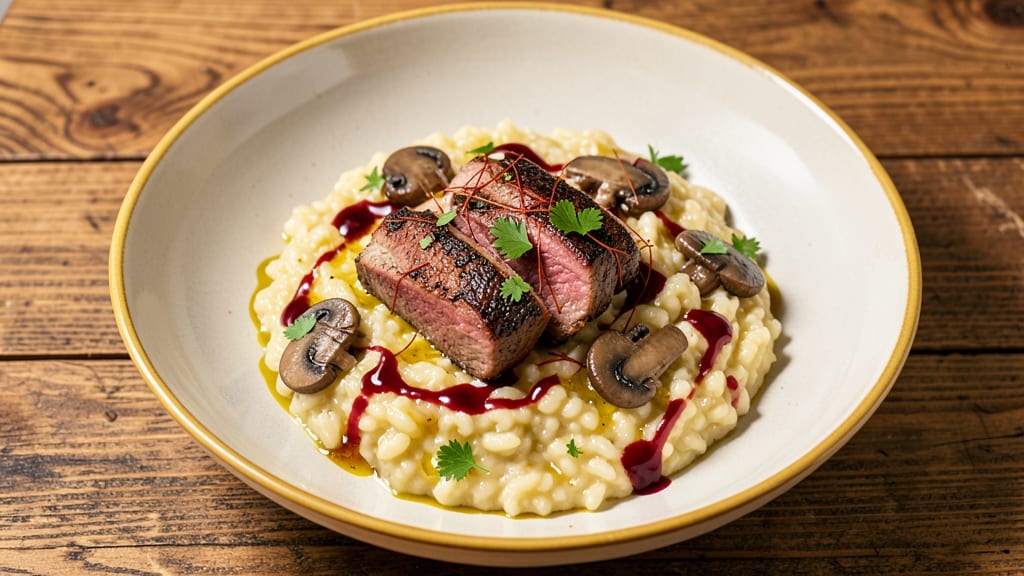
This beef and mushroom risotto recipe delivers the creamy, velvety texture and rich umami depth that make Italian risotto unforgettable. The secret lies in slow-toasting Arborio rice and gradually incorporating warm broth while searing beef and mushrooms for maximum flavor extraction.
Every spoonful promises a perfect balance of tender beef, earthy mushrooms, and saffron-infused creaminess that transforms weeknight dinners into restaurant-worthy meals.
The foundation of great risotto is patience—letting the rice absorb liquid gradually while stirring constantly to release its starches. We'll start with searing thinly sliced beef and mushrooms to build deep, savory flavors before adding the rice.
Saffron, though optional, adds that signature golden hue and delicate floral note that elevates this dish from ordinary to extraordinary. The result? A dish so rich and satisfying, it becomes the centerpiece of any meal.
What sets this recipe apart is the harmony of textures: al dente rice, tender beef, and mushrooms that stay slightly firm yet flavorful. The final touch—grated Parmesan and fresh herbs—adds brightness and aroma that make every bite irresistible.
This isn't just risotto; it's a technique you'll master and return to time and time again, proving that homemade can truly surpass restaurant versions.
Perfect for special occasions or cozy weeknights, this risotto scales beautifully for crowds while maintaining its luxurious quality. The method is traditional but adaptable—use pre-sautéed mushrooms or pre-cooked beef to save time without sacrificing flavor. Let's create a dish that feels like a hug in every creamy, umami-packed bite.
Ingredients for beef and mushroom risotto
Creamy Arborio rice meets tender beef and earthy mushrooms for restaurant-quality risotto every time.
| Ingredient | Amount | Notes |
|---|---|---|
| Arborio Rice 🍚 | 1 ½ cups | Unrinsed for optimal starch release |
| Thinly Sliced Beef Tenderloin 🥩 | 1 lb | Cut against grain for tenderness |
| Cremini Mushrooms 🍄 | 1 ½ lb | Sliced into 1/4-inch pieces |
| Saffron Threads 🌼 | ⅛ tsp | High-quality, organic preferred |
| Vegetable Broth 💧 | 6 cups | Homemade or quality store-bought |
| Dry White Wine 🍷 | ½ cup | Bold, dry variety like Sauvignon Blanc |
| Shallots 🧅 | 2 whole | Finely minced for sweet depth |
| Garlic Cloves 🧄 | 4 cloves | Minced for aromatic base |
| Extra-Virgin Olive Oil 🫒 | ½ cup | For searing and finishing |
| Parmesan Cheese 🧀 | 1 cup | Freshly grated from block |
| Fresh Thyme Leaves 🌿 | ¼ cup | Chopped for herbal brightness |
| Unsalted Butter 🧈 | 4 tbsp | Cold for finishing |
| Diamond Crystal Kosher Salt 🧂 | 1 ½ tsp | Adjust to taste |
| Freshly Ground Black Pepper 🌶️ | ½ tsp | For seasoning |
The Arborio rice is non-negotiable—its high starch content creates that signature creamy texture. Lidi or Carnaroli are premium alternatives if you want to splurge, but Arborio delivers consistent results. For the beef, tenderloin or sirloin slices thinly against the grain—Costco or Whole Foods carry pre-sliced options to save time. Mushrooms should be fresh and firm, not slimy. Cremini mushrooms offer the best balance of earthiness and meatiness, but shiitake or oyster mushrooms add depth if you're feeling adventurous. Saffron is where the magic happens—look for organic threads from specialty stores like Penzeys or Safron World for the most potent flavor.
No Arborio rice? Carnaroli or Vialone Nano work beautifully, though they're pricier. Running short on wine? Dry chicken broth with a splash of lemon juice mimics the acidity. The shallots can be swapped for onion or leek, but they add a subtle sweetness that's worth hunting down. For a vegetarian twist, replace the beef with sautéed king oyster mushrooms or seitan strips. If your mushrooms are large, slice them uniformly for even cooking. The Parmesan should be real Parmigiano-Reggiano—pre-grated contains anti-caking agents that ruin the texture. For extra umami, add a dash of fish sauce or 1 tbsp soy sauce to the broth.
Risotto reheats beautifully—just add a splash of broth and warm gently. Store in an airtight container for 3-4 days in the fridge, or freeze for up to 3 months in portion-sized containers. For make-ahead convenience, toast the rice separately and store it dry, then cook with broth when ready. The saffron can be steeped in warm broth ahead of time for up to 2 days—just strain before using. Fresh thyme keeps for 5-7 days in the fridge, wrapped in damp paper towels. The butter should be stored in the coldest part of your fridge to prevent oil separation.
Why You'll Love This Recipe
- One-Pot Magic: I swear by this recipe—just one pot, no fuss. The beef and mushrooms sear right in, then the Arborio rice soaks up the broth while you stir. Minimal cleanup, maximum satisfaction.
- Saffron Luxury: That tiny pinch of saffron threads? It transforms this dish. The broth turns golden, the rice gets that delicate aroma, and suddenly, a weeknight dinner feels like a restaurant meal. (Yes, even on a Tuesday night.)
- Weeknight to Dinner Party: Same recipe, different vibes. Serve it in bowls with crusty bread for a cozy night in, or platter it up with a sprinkle of parsley for guests. The creamy texture and rich beef make it work everywhere.
- Budget-Friendly Feast: Thinly sliced tenderloin stretches further than you’d think, and cremini mushrooms add depth without breaking the bank. Leftovers reheat beautifully—just add a splash of broth to keep it creamy. My wallet and taste buds thank me.
Step-by-step instructions for saffron-infused beef and mushroom risotto
Master this technique and you'll achieve restaurant-quality risotto with velvety texture and deep umami flavor.
Sear the Beef and Mushrooms for Maximum Flavor
Heat the 0.5 cup extra-virgin olive oil in a large, heavy-bottomed pot over medium-high heat. Add the 1 lb thinly sliced beef tenderloin and cook for 2-3 minutes until the edges are deep golden brown and slightly charred. Remove the beef and set aside on a plate.
In the same pot, add 4 tbsp unsalted butter and increase heat to medium-high. Add the 1.5 lb cremini mushrooms and cook for 5-6 minutes until they release their moisture and begin to brown. Add the 2 whole shallots and 4 cloves garlic cloves, cooking for another 2 minutes until fragrant. The mushrooms should be tender but still hold their shape.
Toast the Arborio Rice and Infuse with Saffron
Add the 1.5 cups arborio rice to the pot and stir to coat it in the mushroom-butter mixture for 1 minute. This toasting step develops nutty flavors in the rice. Remove the pot from heat and stir in the 0.125 tsp saffron threads and 0.5 cup dry white wine. Let the saffron infuse for 5 minutes while you prepare the broth.
In a separate pot, warm the 6 cups vegetable broth to 195°F—just below a simmer. The temperature is critical; too hot and it will cook the rice too quickly. Keep the broth warm over low heat or in a thermos.
Cook the Risotto to Al Dente Perfection
Return the pot to medium heat and begin adding the warm broth ½ cup at a time, stirring constantly. Each addition should be absorbed before adding more—this gradual process builds the creamy texture. After the first 4 additions, return the seared beef to the pot and let it warm through.
This process should take 18-20 minutes total. The rice is done when it's al dente—tender but still slightly firm to the bite, with a creamy consistency. If the risotto thickens too quickly, add a splash of warm water to maintain the proper texture.
Finish with Butter, Cheese, and Fresh Herbs
Once the rice is al dente, remove the pot from heat. Stir in the 1 cup freshly grated parmesan cheese and 0.25 cup fresh thyme leaves, along with the remaining 4 tbsp unsalted butter. The combination of butter and cheese creates a luxurious finish that coats each grain. Season to taste with 1.5 tsp diamond crystal kosher salt and 0.5 tsp freshly ground black pepper.
Let the risotto rest for 2 minutes before serving to allow the flavors to meld. The final dish should be creamy yet distinct, with each grain of rice separate and coated in a velvety sauce. The beef should be tender and warm throughout, adding rich umami depth to every bite.
Pro Tips For Making Beef And Mushroom Risotto
- SEAR THE BEEF FIRST: I learned this the hard way—adding raw beef to the risotto pot just makes it stew instead of sear. Cook the sliced tenderloin in a separate pan until it hits 140°F (medium-rare), then set it aside. That quick, hot sear locks in flavor and gives you a clean, aromatic base to build the risotto around.
- SWEAT THE MUSHROOMS LOW: Cremini mushrooms release their umami magic when they sweat, not when they char. Cook them on medium-low heat for 8-10 minutes with a pinch of salt until all the liquid evaporates—no browning needed. This step is non-negotiable if you want that deep, earthy flavor without bitterness.
- STIR THE RICE LIKE YOU MEAN IT: Risotto isn’t just stirring—it’s working the rice. Use a wooden spoon and scrape the bottom aggressively every 30 seconds in the first 10 minutes. The goal is to break up starch and toast the grains slightly. If you’re lazy about this, your risotto will end up mushy instead of creamy.
- SALT THE BROTH LATE: Taste your vegetable broth before adding it to the risotto—it’s usually already salty. If you salt it early, you’ll end up with a bland, watery dish. Add just a pinch of salt to the final ladle of broth (right before mixing) to balance the flavors without overpowering the saffron and beef.
Essential equipment for this dish
Heavy-Bottomed Pot
Your risotto pot is the most critical tool—avoid thin, flimsy pans that can't handle the constant stirring and high heat. I recommend a 6-8 quart Dutch oven like the Lodge 5.5-Quart or All-Clad Stainless Steel.
These pots distribute heat evenly and maintain temperature perfectly, preventing scorching while you stir. A wide, shallow pot (at least 10 inches in diameter) gives you enough surface area to work with the rice without overcrowding. 🔥
Wooden Spoon
Never use metal utensils—wooden spoons are essential for risotto. The OXO Good Grips or J. L. Chef's Classic are my favorites because they're sturdy yet gentle on your pot.
A wooden spoon helps scrape up those flavorful browned bits from the bottom, ensuring nothing goes to waste. Keep it near your stove at all times during cooking.
Fine-Mesh Strainer
If you're prepping ingredients like shallots or garlic, a fine-mesh strainer (like the OXO Good Grips) helps remove any grit or excess moisture. For saffron, I steep the threads in warm broth using a small strainer to catch the delicate threads before adding to the rice.
This prevents clumping and ensures even distribution of that expensive spice. 🌼
Instant-Read Thermometer
Broth temperature is everything—195°F is the magic number for risotto. An instant-read thermometer like the ThermoWorks Thermapen lets you check broth temp in seconds. Too hot, and the rice cooks too quickly; too cool, and it never reaches al dente.
I keep mine on the counter for quick checks while cooking.
Cheese Grater
Freshly grated Parmesan makes all the difference—pre-shredded cheese contains anti-caking agents that ruin texture. A microplane or box grater (like the OXO Good Grips) gives you fine, even shreds.
For extra efficiency, grate the cheese directly into the pot during the final step. Store your grater in a dry place to prevent rust.
Optional: Immersion Blender
If you prefer an ultra-smooth finish, an immersion blender (like the Ninja CB101) lets you blend the risotto right in the pot for a velvety texture. Pulse briefly at the end for a restaurant-style consistency.
Skip this if you love the traditional al dente bite—it’s purely optional but worth having for special occasions. ✨
Nutrition facts
Frequently asked questions
Can I substitute Arborio rice with another type?
For the best results, stick with Arborio rice—its high starch content creates that signature creamy texture. If unavailable, use Carnaroli or Vialone Nano rice, which are premium alternatives. Avoid long-grain varieties like basmati or jasmine, as they won't release enough starch to achieve the creamy consistency. For a quick fix, short-grain brown rice can work in a pinch, but expect a slightly firmer texture.
How do I prevent the risotto from becoming mushy?
Mushy risotto happens when rice absorbs too much liquid or cooks too long. Always use broth at 195°F and add it ½ cup at a time, waiting until each addition is fully absorbed before adding more. Stir constantly to release starches gradually. Remove from heat when rice is al dente—it should have a slight bite, not be soft. If it thickens too quickly, add a splash of warm water to maintain texture.
Can I make this risotto ahead of time?
Yes! Risotto reheats beautifully. Cook it as directed, then let it cool to room temperature. Store in an airtight container in the fridge for 3-4 days or freeze for up to 3 months. To reheat, add a splash of warm broth or water and warm gently on low heat, stirring until creamy. For make-ahead convenience, toast the rice separately and store it dry, then cook with broth when ready.
What if I don't have saffron?
Saffron adds a beautiful golden hue and delicate floral note, but it's optional. For a similar effect, use ½ tsp turmeric (for color) or a pinch of paprika (for warmth). Boost umami with 1 tbsp soy sauce or ½ tsp fish sauce in the broth. If omitting entirely, focus on enhancing other flavors—like searing the beef and mushrooms longer for deeper caramelization.
How do I make this dish vegetarian?
Swap the beef for king oyster mushrooms or seitan strips, sliced to mimic beef texture. Sauté them with the mushrooms to build umami depth. For extra protein, add white beans or lentils during the final 5 minutes of cooking. Ensure your broth is vegetarian (use vegetable broth) and check that all ingredients—like Parmesan—are dairy-free if needed. The dish will still be rich and satisfying!