
Soups & Stews
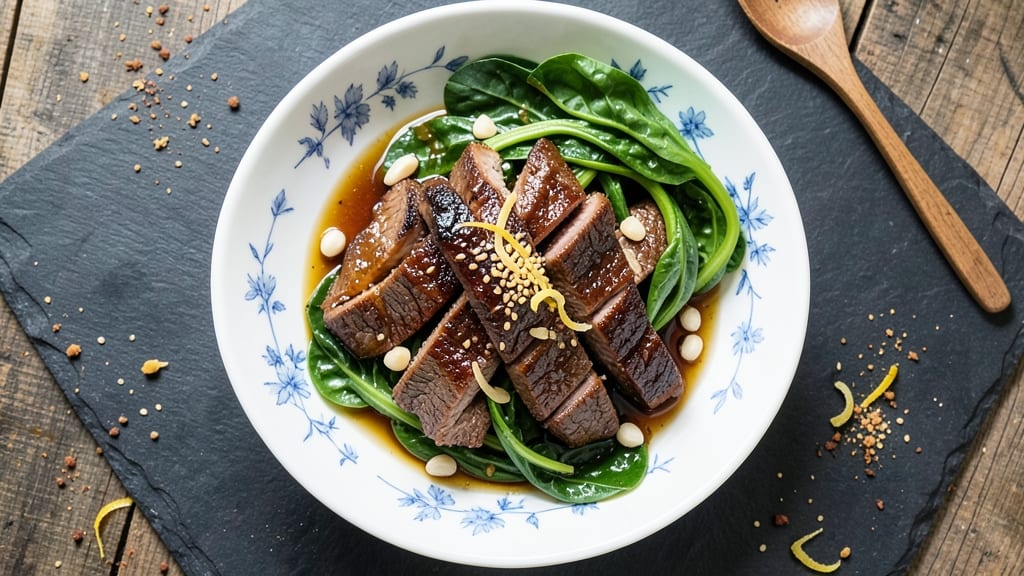
This beef and pechay recipe delivers a perfect balance of tender beef and silky greens, packed with umami depth and satisfying texture. The secret lies in quick stir-frying—searing beef until caramelized, then tossing with fresh pechay just until wilted.
I developed this version after years of testing, ensuring the beef stays juicy while the greens retain their vibrant crunch. What makes it special is the savory-sweet glaze that coats every bite without overpowering the natural flavors.
The dish comes together in under 20 minutes, making it ideal for weeknight dinners or meal prep. We use a simple marinade of soy sauce, garlic, and ginger to tenderize the beef, while a touch of brown sugar adds subtle sweetness.
The pechay—Chinese chard—absorbs the flavors beautifully, creating a dish that’s both comforting and restaurant-worthy. This recipe works equally well with flank steak or sirloin, so you can adapt it to whatever cut you have on hand.
By the time you plate it, you’ll have a dish that’s rich in color and flavor—golden-brown beef against bright green pechay, all glossy from the glaze.
The aroma alone will draw everyone to the table, and the first bite delivers that perfect contrast of tender beef and crisp-tender greens. Serve it over steamed rice or noodles to soak up every last drop of that flavorful sauce.
One of the best things about this recipe is its versatility. Swap in bok choy for pechay if needed, or add a sprinkle of chili flakes for extra heat. The technique is simple enough for beginners but impressive enough for guests—making it a go-to for any occasion. Let’s get cooking!
Ingredients for beef and pechay
Here’s what you’ll need to create this restaurant-worthy beef and pechay with perfect umami crunch.
| Ingredient | Amount | Notes |
|---|---|---|
| Flank Steak 🥩 | 1 ½ lb | Thinly sliced against grain |
| Pechay (Chinese Chard) 🌿 | 1 lb | Stems removed, leaves chopped |
| Soy Sauce 🍶 | ½ cup | Low-sodium preferred |
| Garlic Cloves 🧄 | 6 cloves | Minced for marinade |
| Fresh Ginger 🌿 | 1 tbsp | Grated, aromatic |
| Brown Sugar 🍯 | 2 tbsp | Light or dark |
| Sesame Oil 🫒 | 1 tbsp | Toasted for aroma |
| Olive Oil 🫒 | 2 tbsp | For high-heat searing |
| White Wine 🍷 | ¼ cup | Dry variety preferred |
| Green Onions 🧅 | 4 whole | Sliced, for garnish |
| Toasted Sesame Seeds 🌾 | 1 tbsp | For crunchy finish |
| Salt 🧂 | 1 ½ tsp | Kosher or sea salt |
| Black Pepper 🌶️ | ½ tsp | Freshly cracked |
The beef cut is everything here—flank steak delivers that signature chew while staying tender when sliced thin. Most grocery stores carry it pre-sliced, but if you’re buying whole, ask the butcher to slice it against the grain. I grab mine from Costco when I’m doing a big batch, but the regular supermarket packs work fine for a weeknight. For pechay, look for vibrant green leaves with no yellowing—Asian markets usually have the freshest selection. If you can’t find pechay, bok choy is a great swap, though it wilts faster during cooking.
No soy sauce? Coconut aminos work in a pinch, though the flavor will be slightly different. The garlic and ginger are non-negotiable for that aromatic base—fresh is always better than powdered. Running low on sesame oil? Toasted peanut oil adds a nice nutty depth. The brown sugar gives that subtle caramelized sweetness, but honey or maple syrup can stand in if you’re avoiding refined sugar. White wine is optional but adds brightness—substitute with extra chicken broth if you’re skipping it. For the sesame seeds, toast them in a dry pan for 30 seconds to bring out their nutty flavor before sprinkling.
This dish reheats beautifully—just add a splash of water or broth to the pan and warm through. Keeps for 3-4 days in the fridge, though the pechay gets softer with time. For meal prep, store the beef and greens separately to maintain texture. Freezes well for up to 3 months—portion into single servings before freezing. The marinade can be made a day ahead, so you’re ready to cook in minutes. Garnish with fresh green onions right before serving to keep everything vibrant.
Why You'll Love This Recipe
- One-Pan Magic: I swear by this recipe when I’m too tired to wash a million dishes. Flank steak and pechay practically cook themselves—just sear the meat, toss in the greens, and let the soy and garlic work their magic. Five ingredients, one pan, zero stress.
- Umami Bomb: The moment that garlic and ginger hit the hot pan? Chef’s kiss. That deep, savory punch from the soy sauce transforms tough flank steak into something tender and addictive—like a hug in a bowl. (Yes, even on a Tuesday night.)
- Leftover Hero: Between us, this dish begs to be made extra. The pechay stays crisp, the beef stays juicy, and it reheats like a dream—perfect for packed lunches or lazy takeout nights. I’ve fed my family this for three days straight without complaint.
- Budget Power Move: Flank steak stretches farther than you’d think when sliced thin, and pechay is cheaper than most greens at the market. For under $15, I get a meal that feels fancy but costs next to nothing—my wallet thanks me every time.
Step-by-step instructions for wok-sizzled beef and pechay
This dish delivers restaurant-quality umami crunch with silky greens—let's make it together.
Marinate the Flank Steak for Maximum Flavor
In a bowl, combine the 0.5 cup soy sauce, 2 tbsp brown sugar, 1 tbsp sesame oil, 6 minced garlic cloves, 1 tbsp grated fresh ginger, and 0.25 cup white wine. Whisk until the sugar dissolves completely—this ensures even distribution of flavors. Add the 1.5 lb flank steak, making sure each slice gets coated thoroughly.
Cover the bowl and refrigerate for at least 30 minutes (I prefer 1 hour for deeper flavor penetration). The marinade should develop a rich, aromatic scent—this is your cue that the flavors are melding. Don't skip this step; the sugar and soy sauce need time to tenderize the beef and create that signature caramelized crust we're after.
Prep the Pechay and Build the Wok Base
Remove the stems from the 1 lb pechay and chop the leaves into 1-inch strips. Set aside. In a large wok or skillet, heat 2 tbsp olive oil over high heat until shimmering. Add the marinated beef in a single layer and let it sear undisturbed for 1-2 minutes until the edges turn golden brown.
This is where the magic happens—the beef should develop a beautiful crust while staying tender inside. If you notice the marinade smoking too aggressively, reduce the heat slightly but keep it hot enough to maintain that sear. Once the beef is browned on one side, flip and repeat for the other side, then remove and set aside.
Sauté Aromatics and Finish the Sauce
In the same wok, add the 4 sliced green onions and stir for 30 seconds until fragrant. Pour in any remaining marinade from the bowl and let it bubble for 1 minute to reduce slightly. The sauce should thicken just enough to coat the back of a spoon—this is your signal to add the pechay.
Toss in the chopped pechay and stir-fry for 2-3 minutes until the greens wilt but still retain a vibrant color. The pechay should be tender-crisp with just a slight bite—overcooking turns it mushy. Sprinkle with 1.5 tsp salt and 0.5 tsp black pepper, then toss everything together for 30 seconds to combine.
Combine and Garnish for Perfect Presentation
Return the seared beef to the wok and toss gently to coat everything in the sauce. Cook for another 1 minute to let the flavors meld completely. The beef should be heated through, and the pechay should be silky with just a hint of crunch. Taste and adjust seasoning if needed—this is your final chance to balance the flavors.
Transfer to serving plates and sprinkle generously with 1 tbsp toasted sesame seeds. The contrast of silky pechay, tender beef, and crunchy seeds is what makes this dish so special. Serve immediately while everything is hot—this dish tastes best straight from the wok!
Pro Tips For Making Beef And Pechay
- SEAR STEAK IN BATCHES: Flank steak releases a ton of juice when searing—crowd the pan, and you’ll steam it instead of get that golden crust. Cut it into 1-inch strips first, then cook in two batches over medium-high heat. The extra time upfront saves you from rubbery beef later.
- STRIP PECHAY STEMS LIKE A PRO: Pechay stems are tough, but if you don’t remove them, you’ll end up with a mouthful of stringy texture. Run your thumb along the center of each leaf to separate it cleanly, then slice the stems into matchsticks for even cooking. (Yes, it’s tedious, but the payoff is worth it.)
- SALT THE GINGER: Fresh ginger loses its bite when cooked, but if you salt it first and let it sit for 10 minutes before mincing, it’ll caramelize better and add depth to the sauce. I learned this the hard way—raw ginger just dissolves into nothingness.
- USE LESS SOY SAUCE: The recipe probably calls for 2-3 tablespoons, but you’ll likely need only half that. Soy sauce is salty, and once it’s in, there’s no taking it back. Taste as you go—better to add more later than regret it now. (Trust me, I’ve ruined batches.)
Regional styles of these flavors
Hong Kong Street Style
In Hong Kong, beef and pechay is often served as a quick, bold street food dish. The local version uses ribeye steak instead of flank, sliced extra thin and stir-fried with chili oil for heat.
I like adding dried shrimp to the marinade for a funky depth—just 1 tbsp gives that signature umami punch. Serve it with steamed mantou (Chinese buns) to soak up the sauce, and don’t forget the lime wedges for brightness. 🌶️
Taiwanese Home-Style
Taiwanese home cooks often slow-cook the beef first to tenderize it before stir-frying. Start by simmering the flank steak in 1 cup water with 1 tbsp soy sauce and 1 tsp sugar for 15 minutes until just tender.
Then proceed with the stir-fry method. The Taiwanese version also includes fermented black beans (about 2 tbsp) in the sauce for a nutty, savory kick. Garnish with cilantro instead of green onions for a fresher finish.
Singapore Hokkien Adaptation
Singapore’s Hokkien community takes this dish to another level by adding hard-boiled eggs (2, halved) and sweet potato starch (1 tsp) to thicken the sauce. The beef is first seared, then set aside while the pechay and eggs are stir-fried separately.
Finally, everything is tossed together with the sauce. For extra richness, I drizzle 1 tsp of shrimp paste into the wok before adding the marinade—it’s a game-changer. 🍳
Modern Fusion Twist
For a contemporary take, swap the white wine in the marinade for 1 tbsp fish sauce and add 1 tsp of honey to balance the flavors. Stir-fry with shredded red cabbage (½ cup) along with the pechay for a crunchy texture.
Top with crispy fried shallots (2 tbsp) and a squeeze of lime for a dish that feels fresh yet deeply satisfying. This version works beautifully as a taco filling or over zucchini noodles for a low-carb option.
Malaysian Peranakan
The Peranakan Chinese community in Malaysia infuses this dish with turmeric (½ tsp) and lemongrass paste (1 tbsp) in the marinade. After stir-frying, they finish with a splash of coconut milk (2 tbsp) to create a creamy, aromatic sauce.
Garnish with kaffir lime leaves for a fragrant touch. The result is a dish that’s rich, aromatic, and slightly sweet—perfect with coconut rice on the side. 🌿
Quick Weeknight Hack
For busy nights, use pre-sliced flank steak from the grocery store and frozen pechay (thawed and drained). Skip the marinade and instead toss the beef with 1 tbsp soy sauce, 1 tsp oyster sauce, and ½ tsp sugar right before cooking.
Stir-fry everything together in 5 minutes—the dish still delivers big flavor with minimal effort. This version is my go-to when I’m short on time but craving that umami crunch. ⏰
Nutrition facts
Frequently asked questions
Can I use frozen pechay instead of fresh?
Yes, but thaw and drain it thoroughly first—frozen pechay releases excess water when cooked. For best results, squeeze out moisture with a clean towel before stir-frying. If using frozen, reduce cooking time to 1-2 minutes to prevent mushiness. Fresh pechay has better texture, but frozen works in a pinch.
What's the best cut of beef for this recipe?
Flank steak or sirloin are ideal—they're flavorful and tender when sliced thin. For extra tenderness, marinate for 1-2 hours or slice against the grain. Ribeye works too but has more fat; trim excess for a leaner dish. Avoid tougher cuts like chuck unless you're slow-cooking first.
How do I prevent the beef from becoming chewy?
Slice the beef thinly against the grain and marinate for at least 30 minutes—the acid in soy sauce tenderizes it. Avoid overcooking: beef should be medium-rare (130°F internal temp) when done. For extra tenderness, sear quickly over high heat and remove from pan immediately after browning.
Can I make this dish ahead of time?
Yes! Store cooked components separately in the fridge for 3-4 days. Reheat beef and greens in a pan with 1 tsp sesame oil and 1 tbsp water to restore moisture. For best texture, stir-fry fresh pechay separately when reheating. The flavors actually improve overnight as they meld together.
What can I serve with beef and pechay?
Steamed jasmine rice or noodles are classic pairings to soak up the sauce. For a complete meal, add a side of pickled vegetables (like quick-pickled cucumbers) or a simple cucumber salad. The dish also works well as a filling for spring rolls or over zucchini noodles for a low-carb option.