
Soups & Stews
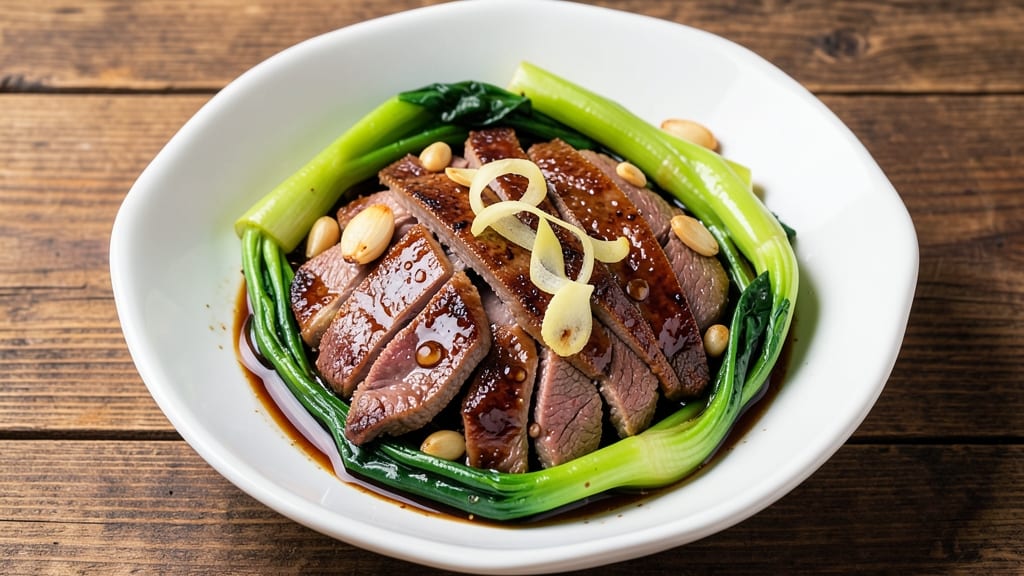
This beef and greens Chinese recipe delivers the perfect balance of tender beef and silky greens in a wok-tossed umami crunch. The secret lies in high-heat stir-frying to lock in beef juices while keeping the greens vibrant and crisp.
I developed this recipe after years of perfecting stir-fry techniques, ensuring every bite is packed with savory depth and satisfying texture.
The foundation of this dish is a simple yet flavorful sauce—garlic, ginger, and soy create a harmonious base that complements the beef without overpowering it. Bok choy or spinach works beautifully, absorbing the sauce while maintaining a tender-crisp bite.
The key technique? Stir-frying the beef first until it develops a caramelized crust, then adding the greens at the last moment to preserve their freshness.
What you'll end up with is a restaurant-quality dish that's rich in umami, balanced with fresh greens, and ready in under 30 minutes. The beef remains juicy and tender, while the greens stay vibrant and slightly crisp, creating a perfect contrast.
This recipe is equally at home as a weeknight dinner or an impressive meal for guests.
Serve with steamed rice to soak up every last drop of that flavorful sauce. The beauty of this dish is its versatility—swap in different greens or adjust the sauce to your preference, but the core technique ensures success every time. Let's get cooking!
Ingredients for beef and greens chinese
The perfect balance of tender beef, vibrant greens, and umami-rich sauce—all you need for a restaurant-quality stir-fry.
| Ingredient | Amount | Notes |
|---|---|---|
| Flank Steak 🥩 | 1 lb | Thinly sliced against grain |
| Bok Choy 🥬 | 2 whole | Baby or regular, chopped |
| Garlic Cloves 🧄 | 4 cloves | Minced, aromatic |
| Fresh Ginger 🌿 | 1 tbsp | Finely grated, aromatic |
| Low-Sodium Soy Sauce 🍶 | 3 tbsp | Kikkoman preferred |
| Oyster Sauce 🍶 | 2 tbsp | High-quality brand |
| Sesame Oil 🫒 | 1 tbsp | Toasted, aromatic |
| Neutral Oil 🫒 | 2 tbsp | Avocado or vegetable |
| Brown Sugar 🍚 | 1 tbsp | Light or dark |
| Cornstarch 🌾 | 1 tbsp | For tenderizing beef |
| Green Onions 🧅 | 3 whole | Sliced, for garnish |
| Sesame Seeds 🌱 | 1 tsp | Toasted, for garnish |
| Salt 🧂 | ½ tsp | Diamond Crystal preferred |
| Black Pepper 🌶️ | ¼ tsp | Freshly ground |
The flank steak is non-negotiable here—it's lean yet tender when sliced thinly against the grain. Look for well-marbled cuts at Whole Foods or your local butcher; the fat renders beautifully during stir-frying. Kroger or Costco often carry pre-sliced flank steak in the Asian foods section, saving you prep time. For the greens, bok choy is ideal, but baby spinach or Swiss chard works beautifully too. Freshness matters most—wilting leaves will turn mushy under high heat. The garlic and ginger should be bright and aromatic, not dried out or shriveled. Penzeys or the bulk bins at Trader Joe's are great sources for potent spices.
No low-sodium soy sauce? Regular soy sauce with half the amount works, but you'll need to adjust salt at the end. Oyster sauce can be tricky to find—Lee Kum Kee is the gold standard, but check the Asian aisle at Walmart or H Mart for reliable brands. Subbing sesame oil? Toasted peanut oil adds a different but equally delicious nutty depth. The cornstarch is crucial for tenderizing the beef—don't skip it. For the greens, if bok choy is unavailable, baby spinach or napa cabbage holds up well to the high heat. The brown sugar caramelizes beautifully, but honey or maple syrup can substitute in a pinch (use half the amount).
Prep the beef and greens ahead to streamline cooking—store them in separate airtight containers in the fridge for up to 2 days. The sauce components keep well too, so assemble them separately until ready to cook. This dish reheats beautifully—just add a splash of water or broth to the wok and toss everything together. For maximum freshness, garnish with toasted sesame seeds right before serving. The flavors meld even better the next day, making this an excellent make-ahead meal for busy weeknights. Portion into containers for easy lunches, but add fresh greens when reheating to maintain crispness.
Why You'll Love This Recipe
- I swear by this trick: slice the flank steak thin against the grain, then toss it in the pan with garlic and ginger while the bok choy wilts. No fancy knife work—just a sharp cleaver and 10 minutes of active time. (The steak practically falls apart when you slice it later.)
- Fewer Cuts, More Flavor: I swear by this trick: slice the flank steak thin against the grain, then toss it in the pan with garlic and ginger while the bok choy wilts. No fancy knife work—just a sharp cleaver and 10 minutes of active time. (The steak practically falls apart when you slice it later.)
- Umami Bomb: That low-sodium soy sauce? It’s the MVP here. The ginger and garlic caramelize into a sticky glaze while the bok choy keeps its crisp-tender bite, and the steak soaks up just enough salt to make every bite ridiculously satisfying. Honestly, I’ve made this with regular soy sauce before, but this version actually lets the beef shine.
- Lunchbox Hero: Between us, this is my go-to for meal prep. The steak stays tender for days, and the greens hold up surprisingly well when reheated—just a quick stir-fry in a hot pan with a splash of water. Pack it cold in containers, and it’s a lunch that’ll make coworkers ask, “What’s that?” (Then you casually say “Chinese beef and bok choy” and watch them nod like they know.)
Step-by-step instructions for wok-tossed beef and greens
Master this technique and you'll achieve perfect wok hei—smoky, charred edges with tender beef and silky greens.
Prepare the Flank Steak for Maximum Tenderization
Slice the 1 lb flank steak thinly against the grain using a sharp knife—aim for ¼-inch thick slices. This technique ensures each bite is tender despite the quick cooking. Place the sliced steak in a bowl and add the 1 tbsp cornstarch, 0.5 tsp salt, and 0.25 tsp black pepper. Toss gently to coat evenly, then let it marinate for 15-20 minutes at room temperature. This step prevents the beef from becoming chewy during the high-heat wok toss.
While the steak marinates, chop the 2 whole bok choy into 2-inch pieces, removing any tough stems. Finely grate the 1 tbsp fresh ginger and mince the 4 cloves garlic cloves—these aromatics will form the flavor base. Slice the 3 whole green onions into ½-inch pieces, reserving the tops for garnish later. Precision in prep ensures everything cooks uniformly.
Build the Umami-Packed Sauce Base
In a small bowl, whisk together the 3 tbsp low-sodium soy sauce, 2 tbsp oyster sauce, 1 tbsp brown sugar, and 1 tbsp sesame oil. This sauce should be smooth and well-combined—no graininess. Set it aside while you heat your wok or large skillet over high heat until it's screaming hot. Add the 2 tbsp neutral oil and let it shimmer for 30 seconds—this high heat is crucial for developing the signature wok hei flavor.
Add the minced garlic and grated ginger to the hot oil. Cook for 30 seconds until fragrant—you'll smell that pungent, aromatic release. Immediately add the sliced green onions (excluding the reserved tops) and stir for 10 seconds to prevent burning. This quick cooking preserves their freshness while building layer upon layer of flavor.
Cook the Beef to Perfect Doneness
Working in batches if needed, add the marinated steak slices to the wok in a single layer. Let them sear undisturbed for 1-2 minutes until they develop a deep golden-brown crust on one side. This crust is your flavor anchor—don't rush this step. Once the bottoms are seared, stir and cook for an additional 1-2 minutes until the beef reaches 145°F internally. The steak should be tender but still slightly pink in the center.
Remove the cooked beef to a clean plate and set aside. The residual heat will carry it to perfect doneness. If your wok isn't large enough to hold all the beef without crowding, cook in two batches—this ensures even cooking and proper browning. Crowding steams the meat instead of searing it, which is the cardinal sin of wok cooking.
Wok-Toss the Greens with Masterful Technique
Return the wok to high heat and add the chopped bok choy in a single layer. Toss vigorously for 1-2 minutes until the greens just begin to wilt but still retain a vibrant green color. Overcooking turns them mushy—you want them tender-crisp with a slight crunch. Add the sauce mixture and toss everything together for 30 seconds to coat the greens evenly.
Return the beef to the wok and toss everything together for 1-2 minutes until the sauce clings to every piece. The high heat should create a slight sheen on the greens and beef—a visual cue that the dish is properly finished. Taste and adjust seasoning if needed, adding a splash of water if the sauce is too thick. The greens should be silky, the beef tender, and the sauce balanced between sweet, salty, and umami.
Plate with Restaurant-Quality Presentation
Transfer the beef and greens to serving plates immediately. Garnish with the reserved green onion tops and sprinkle with 1 tsp toasted sesame seeds for texture and aroma. The contrast of crispy seeds against the silky greens and tender beef creates a visually stunning dish. Serve while piping hot—this stir-fry is best enjoyed immediately when the wok hei flavor is at its peak.
Each bite should deliver a perfect balance: the umami depth from the soy and oyster sauces, the sweetness of the brown sugar, the aromatic punch of ginger and garlic, and the satisfying crunch of the bok choy. The beef should be tender enough to cut with a fork but still hold its shape. This technique transforms simple ingredients into a restaurant-quality meal.
Pro Tips For Making Beef And Greens Chinese
- CUT STEAK AGAINST THE GRAIN: Flank steak’s fibers run long—slicing parallel to them leaves you chewing like you’re eating shoe leather. Turn the board 45 degrees and slice perpendicular to the grain for tender, bite-sized pieces. (Yes, it’ll look messy, but your jaw will thank you.)
- BLANCH BOK CHOY FIRST: Toss whole bok choy into boiling water for 30 seconds before stir-frying—this softens the core and keeps it from turning to mush. Drain and shock in ice water, then chop; the greens will stay crisp even when they hit the wok.
- SALT THE STEAK LONG BEFORE COOKING: Flank steak is lean and dries out fast. Salt it at least 30 minutes ahead (or overnight if you’re paranoid), then pat dry before searing. This guarantees a better crust and juicier interior—no sad, chewy slices here.
- USE GINGER AND GARLIC LIKE A PASTE: Mince the ginger and garlic so finely they’re almost unrecognizable—this way, they dissolve into the sauce instead of sitting as chunks. (I used to skip this, and let’s just say the texture was questionable.) Pulse them in a food processor for 10 seconds if you’re lazy.
Make-ahead tips for leftovers
Prep Ahead for Efficiency
Slice the flank steak and chop the bok choy up to 2 days ahead—store separately in airtight containers in the fridge. The cornstarch marinade keeps the beef tender, so don't skip this step.
I always prep the sauce components (soy, oyster, sesame oil) in a small jar and refrigerate until ready to use. This saves 15 minutes of active prep time on cooking day. 📅
Sauce Assembly Tips
Mix the sauce ingredients in a small bowl and store it in the fridge for up to 3 days. The flavors meld beautifully overnight, deepening the umami profile.
If using baby spinach instead of bok choy, add it fresh when stir-frying—it wilts faster and won't hold up well in advance. For the greens, if you prep them ahead, store them in a colander lined with paper towels to absorb excess moisture. 🥬
Beef Cooking Shortcut
Marinate the beef in the cornstarch mixture for 15-20 minutes at room temperature before cooking. This tenderizes the meat and prevents it from becoming chewy.
If you're short on time, use a meat tenderizer mallet to lightly pound the steak before slicing—this works in a pinch but isn't as effective as the cornstarch method. 🥩
Reheating Like a Pro
Reheat in a wok or large skillet over high heat with 1 tbsp neutral oil for 2-3 minutes, adding 1 tbsp water or beef broth to prevent drying. The high heat mimics the original wok-toss technique, keeping the beef juicy and greens vibrant.
For microwave reheating, cover with a damp paper towel and heat in 30-second intervals, stirring between each. Add fresh green onions and sesame seeds after reheating for maximum freshness. ⏰
Portioning for Meal Prep
Divide the cooked beef and greens into 4 meal-prep containers, storing sauce components separately. Reheat each portion individually to maintain texture—overcrowding in the fridge can make the greens soggy. I like to pack steamed jasmine rice on the side to keep it separate until reheating.
Label containers with the date to track freshness—this dish stays delicious for 3-4 days in the fridge. 🍚
Freezing for Later
Freeze the beef and greens separately in airtight freezer bags with parchment paper between layers to prevent sticking. Thaw overnight in the fridge before reheating. The texture holds up well, though the greens may soften slightly.
For best results, add fresh greens when reheating to restore crispness. Freeze for up to 2 months—the beef remains tender, and the sauce can be reheated separately. ❄️
Nutrition facts
Frequently asked questions
What's the best cut of beef for this Chinese stir-fry?
Use flank steak or sirloin—both are lean yet tender when sliced thinly against the grain. The fat marbling in flank steak renders beautifully during stir-frying, adding flavor. Avoid tougher cuts like chuck or round; they won't tenderize properly in the quick cooking time.
Can I substitute bok choy with other greens?
Try baby spinach, Swiss chard, or napa cabbage—they all work well. For heartier greens like kale, blanch them first for 30 seconds to soften before stir-frying. The key is to add greens at the last moment to keep them vibrant.
Why does my beef turn out chewy instead of tender?
This usually happens when the beef isn't sliced thinly enough or cooked at the right temperature. Always slice ¼-inch thick against the grain, and use a hot wok to sear quickly. The cornstarch marinade is crucial—don't skip it! Also, avoid overcrowding the wok during cooking.
How do I make this dish spicier?
Add ½ tsp chili flakes or 1 tbsp chili garlic sauce to the stir-fry. For Sichuan-style heat, include 1 tsp Sichuan peppercorns (toasted and crushed) with the garlic and ginger. Start with small amounts—you can always add more!
What's the secret to getting that smoky wok hei flavor?
Use a carbon steel or cast iron wok heated to high heat until it's screaming hot. Add oil and let it shimmer before adding ingredients. The key is working quickly and maintaining that high heat throughout cooking—this creates the signature smoky aroma. A gas stove works best for authentic wok hei.