
Breakfast & Brunch
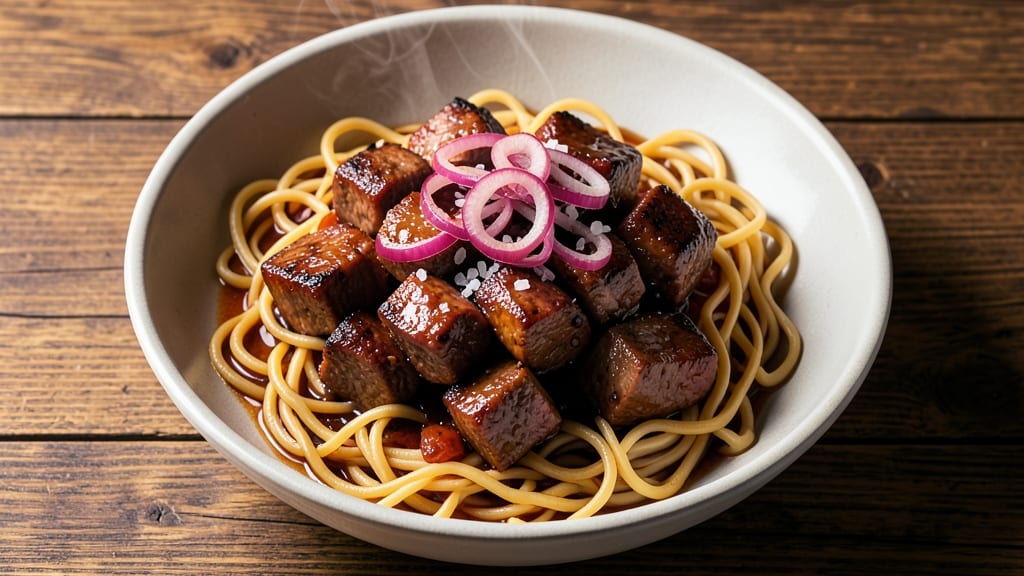
This beef and homemade egg noodles recipe delivers the kind of comforting, hearty meal that feels like a hug on a plate. The secret lies in tender beef braised in rich pan sauce and delicate, hand-rolled egg noodles that transform simple ingredients into something extraordinary.
After perfecting this dish over countless weeknight dinners, I can confidently say it's the one recipe that always delivers restaurant-quality results at home.
The beauty of this recipe is its balance between tradition and simplicity. While the beef develops deep, savory flavors through slow braising, the egg noodles come together with just four ingredients—flour, eggs, water, and a pinch of salt—rolled out by hand for that authentic texture.
The pan sauce, built from the beef's natural juices and aromatics, creates a velvety finish that ties everything together. It's the kind of dish that tastes even better the next day, making it perfect for meal prep.
What makes this recipe truly special is how the components work in harmony. The tender beef absorbs the rich, caramelized sauce while the noodles maintain their delicate bite, creating a perfect contrast in every bite.
The result is a dish that's hearty enough for a family dinner but simple enough to make on a busy weeknight. The aroma alone will have everyone gathered at the table, eager for their first taste.
Serve this comforting meal with a side of steamed greens or a simple salad to round out the plate. The combination of textures and flavors makes it a complete dish that stands on its own.
Let's get started on creating this savory masterpiece that will become a staple in your home.
Ingredients for beef and homemade egg noodles
Fourteen ingredients transform into restaurant-quality beef and delicate homemade noodles.
| Ingredient | Amount | Notes |
|---|---|---|
| Beef Chuck Roast 🥩 | 1 ½ lb | Cut into 1-inch cubes |
| All-Purpose Flour 🌾 | 2 cups | Plus 1 tbsp for dusting |
| Large Eggs 🥚 | 4 whole | Room temperature preferred |
| Cold Water 💧 | 1 cup | Chilled for noodle dough |
| Kosher Salt 🧂 | 1 ½ tsp | Divided for dough and sauce |
| Yellow Onion 🧅 | 1 whole | Diced, about 1 cup |
| Garlic Cloves 🧄 | 4 cloves | Minced, for pan sauce |
| Unsalted Butter 🧈 | 3 tbsp | For sauce richness |
| Dry Red Wine 🍷 | ½ cup | Bold variety like Cabernet |
| Beef Broth 🍲 | 1 cup | Low-sodium preferred |
| Tomato Paste 🍅 | 1 tbsp | For depth of flavor |
| Fresh Thyme Leaves 🌿 | ¼ cup | Or 1 tsp dried thyme |
| Ground Black Pepper 🌶️ | ½ tsp | Freshly cracked |
| Olive Oil 🫒 | 1 tbsp | For searing beef |
| Fresh Parsley 🌿 | ⅛ cup | Chopped, for garnish |
The beef is the foundation, so chuck roast is non-negotiable—it stays tender while developing deep flavor. Look for well-marbled cuts at your butcher or the meat counter. Costco or Whole Foods often have pre-cut chuck cubes, which saves time. If using a whole roast, cube it yourself for even cooking. The flour should be all-purpose—bread flour works too but isn't necessary. For the eggs, room temperature makes all the difference in dough elasticity. I always buy a dozen extra and keep them in the fridge for baking.
No red wine? Beef broth with a splash of balsamic vinegar works perfectly. Fresh thyme is ideal, but dried works at one-third the amount. The tomato paste can be from a tube or jar—just make sure it's San Marzano if you're splurging. For the parsley, flat-leaf holds up better than curly. The butter matters here—European-style like Plugrá gives the sauce a luxurious finish. If you're short on time, pre-minced garlic from a jar is fine, but fresh is always better. The beef broth should be low-sodium—you'll be adding plenty of salt.
The dough keeps for 2 days wrapped in plastic in the fridge, making it perfect for meal prep. The beef and sauce can be made ahead and reheated gently—it tastes even better the next day as flavors meld. Portion the noodles into airtight containers with a little olive oil sprayed on top to prevent sticking. The cooked beef stays fresh for 4 days in the fridge or 3 months frozen. I always make a double batch of sauce—it's great over toast or with roasted vegetables.
Why You'll Love This Recipe
- I’ll be real: the dough is just flour, eggs, and water—no fancy ratios to stress over. Roll it out while the beef slow-cooks, and boom, you’ve got tender noodles and fall-apart meat in one pot. (Yes, even on a Tuesday night.)
- No-Fuss Noodles: I’ll be real: the dough is just flour, eggs, and water—no fancy ratios to stress over. Roll it out while the beef slow-cooks, and boom, you’ve got tender noodles and fall-apart meat in one pot. (Yes, even on a Tuesday night.)
- Rich Beef Magic: That chuck roast? It turns into melt-in-your-mouth strips after a few hours, while the noodles soak up the deep, savory broth. Honestly, the first bite makes me forget I made it—I just want seconds.
- Leftovers That Shine: Double the recipe and freeze half. Reheat the next day, and it’s just as good—maybe even better, because the flavors meld overnight. My kids beg for it at school lunches (packed cold, because we’re not monsters).
Step-by-step instructions for beef and homemade egg noodles
Here's the method for tender beef and rich egg noodles with a pan sauce that brings it all together.
Prepare the Beef and Make the Noodle Dough
Cut the 1.5 lb beef chuck roast into 1-inch cubes and set aside. In a large bowl, whisk together the 2 cups all-purpose flour, 1 tsp kosher salt, and the 4 whole large eggs until combined. Gradually add the 1 cup cold water while mixing until a smooth dough forms. Knead the dough on a lightly floured surface for 5-7 minutes until elastic and no longer sticky.
Divide the dough into 4 equal portions and roll each portion into a thin rectangle using a rolling pin. Cut each rectangle into ¼-inch wide strips for the noodles. Dust with the remaining 1 tbsp flour to prevent sticking. The dough should be firm but pliable—if it cracks, knead it briefly to restore elasticity.
Cook the Noodles and Sear the Beef
Bring a large pot of salted water to a rolling boil. Add the noodles and cook for 2-3 minutes until they float to the surface. Drain immediately and set aside. In a large skillet, heat the 1 tbsp olive oil over medium-high heat. Add the beef cubes in a single layer and sear for 3-4 minutes until browned on all sides. Remove the beef and set aside.
The beef should develop a deep golden crust—this is where the rich flavor for the sauce begins. If the pan gets too crowded, work in batches to ensure even browning. Keep the rendered beef fat in the pan; it’s essential for the sauce later. Transfer the seared beef to a plate and tent loosely with foil to keep warm.
Build the Pan Sauce
In the same skillet, reduce heat to medium and add the 3 tbsp unsalted butter. Once melted, add the 1 whole yellow onion and cook for 5-6 minutes until softened. Stir in the 4 cloves minced garlic, 1 tbsp tomato paste, and 0.25 cup fresh thyme leaves, cooking for 1 minute until fragrant. Pour in the 0.5 cup dry red wine and scrape up any browned bits from the bottom of the pan.
Simmer the wine until reduced by half, about 3-4 minutes. Add the 1 cup beef broth and bring to a gentle simmer. Sprinkle the remaining 0.5 tsp kosher salt and 0.5 tsp ground black pepper over the sauce. Let it simmer for 5 minutes until slightly thickened. The sauce should coat the back of a spoon and have a rich, aromatic depth.
Combine and Finish
Return the seared beef to the skillet and add the cooked noodles. Toss everything together gently to coat the noodles and beef evenly with the sauce. Cook for 1-2 minutes until the noodles are heated through and the sauce has thickened slightly. If the sauce is too thin, simmer uncovered for an additional 1-2 minutes to reduce it further.
Remove from heat and stir in the 0.125 cup chopped fresh parsley. Taste and adjust seasoning if needed—this is where you can fine-tune the balance of salt, acidity from the wine, and richness from the butter. Serve immediately, garnished with extra parsley if desired. The dish should be hearty, with tender beef, al dente noodles, and a velvety sauce that ties everything together.
Pro Tips For Making Beef And Homemade Egg Noodles
- SEAR THE ROAST LONG: I learned this the hard way—don’t rush the beef chuck. Get a screaming-hot cast-iron or heavy skillet and let it sit for 3-4 minutes per side until deep brown crusts form. The Maillard reaction here builds flavor that slow cooking won’t replicate, and you’ll taste it in every bite of that rich noodle dish.
- REST THE MEAT RIGHT: After pulling the chuck roast from the pot, tent it loosely with foil and let it rest for 15-20 minutes. I used to slice it immediately, and the juices would run all over the noodles instead of staying in the meat. This step guarantees tender, juicy beef that doesn’t turn your noodles into a watery mess.
- CHILL THE DOUGH FIRST: Your homemade egg noodles will be easier to roll and cut if you refrigerate the dough for 30 minutes before handling. I skip this when I’m lazy, but the dough sticks less to the rolling pin and the noodles hold their shape better during cooking—no more glued-together strands in your final dish.
- SALT THE WATER HARD: Don’t be shy with the salt in your noodle boiling water—aim for 2 tablespoons per gallon. The noodles absorb flavor this way, and it balances the richness of the beef. I was skeptical until I tried it: the noodles actually taste better, and the whole dish feels more cohesive.
Pro cooking tips for this recipe
Dough Mastery
For perfect egg noodles, your dough must be elastic but not sticky. I find kneading for 5-7 minutes on a lightly floured surface creates the ideal texture. If the dough cracks while rolling, simply knead it again for 1-2 minutes—this restores moisture balance.
For extra-smooth noodles, chill the dough for 30 minutes before rolling, which prevents sticking and makes cutting easier. 💫
Beef Browning
Never overcrowd your pan when searing the beef—this steams instead of browns. Work in single layers with medium-high heat for even browning. The rendered fat in the pan is gold for your sauce, so don't wipe it out.
If your beef releases too much liquid, pat it dry with paper towels before searing for better crust formation. 🔥
Sauce Reduction
Simmering the wine until it reduces by half (3-4 minutes) concentrates its flavors dramatically. For extra depth, scrape up those browned bits from the pan's bottom—this adds Maillard reaction richness. If your sauce thickens too quickly, add 1-2 tbsp beef broth to maintain balance.
I like to finish with a splash of cold water just before serving to create a glossy sheen. ✨
Noodle Timing
Cook noodles just until they float (2-3 minutes)—overcooking makes them mushy. Drain immediately and rinse briefly under cold water if you're not serving right away. For meal prep, toss cooked noodles with 1 tsp olive oil to prevent sticking in the fridge.
Reheat noodles separately from the beef in the sauce to maintain texture. ⏰
Equipment Upgrades
A 12-inch cast iron skillet (like Lodge) is ideal for searing beef and building sauce. For rolling noodles, I use a marble rolling pin—it's heavier than wood and gives better control.
A mandoline with a noodle attachment saves time if you prefer uniform thickness. For beginners, a pasta machine can replace hand-rolling with consistent results. 💡
Sauce Rescue
If your sauce separates or tastes flat, stir in 1 tsp cornstarch mixed with 1 tbsp cold water> to thicken. For acidity, add ½ tsp lemon juice> or a pinch of sugar to balance flavors.
If the sauce is too salty, thin it with warm beef broth**> and simmer until reduced. Always taste as you go—this is where you can adjust seasoning perfectly. 💪
Nutrition facts
Frequently asked questions
Can I substitute store-bought noodles for homemade?
Yes, but the texture and flavor won't be the same. For closest results, use fresh egg noodles from the grocery store (like those in the refrigerated section). If you must use dried, opt for egg fettuccine and cook them 1 minute less than package instructions for al dente results. The homemade version adds that delicate, hand-rolled bite that makes this dish special.
How do I prevent the beef from becoming tough?
Always use chuck roast—it's the most tender cut for slow cooking. Pat the beef dry before searing and don't overcrowd the pan. For extra tenderness, add 1 tsp baking soda to the flour when making the dough—it helps tenderize the meat when they cook together. Also, never skip the 5-minute simmer in the sauce after combining.
Can I make this ahead of time for meal prep?
Cook the noodles and beef separately, then store them in airtight containers with a light coating of olive oil. Reheat the beef and sauce together, then toss in the noodles just before serving. The sauce actually improves overnight, becoming richer in flavor. For best results, reheat on low heat to prevent drying out.
What's the best way to serve this dish?
This hearty meal pairs perfectly with steamed bok choy, a simple green salad, or roasted asparagus. For extra presentation, garnish with toasted sesame seeds or fresh cilantro. Serve in deep bowls to showcase the rich sauce, or family-style in a large skillet for sharing. The aroma alone will bring everyone to the table!
Why did my noodles turn out gummy?
Overcooking is the most common cause—egg noodles should cook just until they float (2-3 minutes). If your dough had too much water, knead it longer or add 1 extra tablespoon of flour. For a quick fix, toss cooked noodles with 1 tsp butter and a pinch of salt to improve texture. Always use cold water for the dough to prevent stickiness.