
Soups & Stews
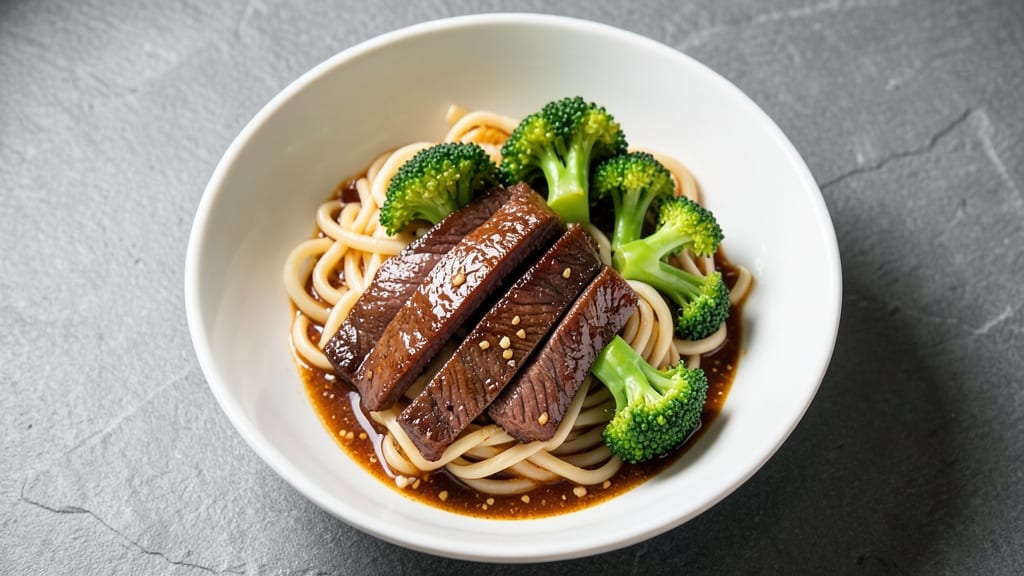
This beef and broccoli udon noodles recipe brings together silky udon noodles, tender beef strips, and crisp-tender broccoli in a savory soy-ginger sauce that’s rich yet balanced.
The fusion of Japanese udon and Chinese stir-fry techniques creates a dish that’s both comforting and restaurant-worthy—perfect for a quick weeknight dinner or meal prep.
The key lies in high-heat stir-frying for crisp edges on the beef while keeping the broccoli vibrant, all blanketed in a sauce that’s umami-packed yet light enough to let the ingredients shine.
What sets this recipe apart is the two-step sauce process: a quick sear of garlic and ginger builds the aromatic base, while soy sauce, a splash of mirin, and a touch of honey create depth without overpowering.
The udon noodles cook in the same pot as the sauce, absorbing those flavors into every strand for that signature slurp-worthy texture. This method ensures minimal cleanup and maximum flavor infusion, making it a foolproof dish for both beginners and seasoned cooks.
By the time you’re done, you’ll have a steaming bowl of golden-brown beef, bright green broccoli florets, and glossy udon noodles all coated in a sauce that’s tangy, slightly sweet, and packed with umami.
The dish is hearty enough to stand alone but pairs beautifully with steamed rice or a side of pickled vegetables for extra freshness. Garnish with toasted sesame seeds and sliced green onions for a finishing touch that elevates every bite.
The beauty of this recipe is its versatility—swap in shrimp for the beef, add mushrooms for extra earthiness, or adjust the sauce to your preferred level of spice.
It’s a dish that adapts to your taste while delivering consistent, satisfying results. Ready to make it? Let’s get started with the ingredients and step-by-step instructions.
Ingredients for beef and broccoli udon noodles
Silky udon noodles, tender beef strips, and vibrant broccoli transform into a restaurant-worthy dish with this savory soy-ginger sauce.
| Ingredient | Amount | Notes |
|---|---|---|
| Dried Udon Noodles 🍜 | 12 oz | Thick or medium width preferred |
| Flank Steak 🥩 | 1 lb | Thinly sliced against grain |
| Broccoli Florets 🥦 | 4 cups | Medium-sized, stems trimmed |
| Garlic Cloves 🧄 | 6 cloves | Minced, fresh preferred |
| Fresh Ginger 🌿 | 2 tbsp | Finely grated, peeled |
| Soy Sauce 🍶 | ½ cup | High-quality, light or all-purpose |
| Mirin 🍶 | 2 tbsp | Sweet rice wine, not imitation |
| Honey 🍯 | 1 tbsp | Light or clover variety |
| Sesame Oil 🫒 | 1 tbsp | Toasted, for aroma |
| Vegetable Oil 🫒 | 3 tbsp | High smoke point preferred |
| Toasted Sesame Seeds 🥜 | 1 tbsp | For garnish |
| Green Onions 🧅 | 3 whole | Sliced thinly, for garnish |
| Salt 🧂 | ½ tsp | Diamond Crystal preferred |
| Black Pepper 🌶️ | ¼ tsp | Freshly ground |
The flank steak is non-negotiable for texture—thinly sliced against the grain ensures tender bites every time. Look for marbled cuts at your local butcher or pre-sliced packages at Whole Foods or Trader Joe's. If you can't find udon noodles, fresh egg noodles work in a pinch, though the texture won't be identical. The broccoli should be crisp-tender when cooked—avoid overcrowding the pan to maintain its vibrant color. For the sauce, Japanese mirin elevates the dish, but a 1:1 swap with honey works if unavailable. High-quality soy sauce (like Kikkoman or Pearl River Bridge) makes all the difference in umami depth.
No mirin? Swap with 1 tbsp honey plus 1 tsp rice vinegar for a similar balance of sweetness and acidity. Running short on sesame oil? Toasted sesame seeds alone add aroma, though you'll lose some of the sauce's richness. The ginger can be substituted with 1 tbsp ginger paste if fresh isn't available, but freshly grated delivers superior flavor. For extra umami, add 1 tsp fish sauce (ensure it's vegan if needed), or 1 tsp mushroom powder for a vegetarian-friendly boost. The honey can be omitted entirely if you prefer a savory-only sauce, though it helps balance the soy's saltiness.
Udon noodles keep best in the pantry for up to 6 months—just ensure the package is sealed tightly. Once cooked, store them in the fridge for 3 days or freeze for 2 months in an airtight container. The beef and broccoli can be prepped ahead and refrigerated for 2 days, though the sauce is best made fresh. For meal prep, assemble everything in containers without the sauce, then reheat with a splash of water and add the sauce just before serving to maintain texture. Garnishes like sesame seeds and green onions stay fresh for 5 days in the fridge if stored properly.
Why You'll Love This Recipe
- No-Fuss Prep: I slice the flank steak thin, toss in the broccoli florets (no fancy cuts needed), and dump the udon straight into boiling water—done. The only real effort is pressing garlic and ginger into the pan for that instant aroma punch. Honestly, it’s the kind of recipe where you’ll second-guess why you ever made anything complicated.
- Umami Bomb: That crispy-seared flank steak? It’s the star, but the sauce—soy, a splash of mirin, and a touch of honey—turns it into something ridiculously good. The broccoli stays bright, the udon soaks up the flavor like a sponge, and the garlic-ginger base? It’s the kind of taste that lingers long after the last bite. (Yes, even on a Tuesday night.)
- Lunchbox Hero: Double the batch, and you’ve got a meal for tomorrow’s lunch—or a quick dinner for when your roommate “forgets” to grocery shop. The udon holds up better than most noodles when reheated, and the beef stays tender. Between us, this is the only takeout-style dish I let myself order after making it at home—because it’s that good.
- Budget Win: Flank steak stretches farther than you’d think when sliced thin, and broccoli florets are the cheapest veggie in the freezer section. I’ve made this for $12 and fed four people—no takeout menus needed. Plus, the leftovers? Same night or next day, they’re still a solid, satisfying bowl. My wallet and my taste buds thank me.
Step-by-step instructions for beef and broccoli udon noodles
This method delivers perfectly tender beef, vibrant broccoli, and silky udon in one cohesive dish.
Prepare the Udon Noodles
Bring a large pot of water to a rolling boil and add the 12 oz dried udon noodles. Cook according to package instructions, typically 4-5 minutes, until they float to the surface and are tender but still slightly firm. They'll continue cooking in the sauce, so avoid overcooking.
Drain immediately and rinse briefly under cold water to stop the cooking process. Toss with 1 tablespoon sesame oil to prevent sticking and maintain a glossy finish. Set aside in a warm bowl, covered with a damp towel to keep them pliable while you prepare the remaining components.
Marinate and Sear the Flank Steak
In a mixing bowl, combine 1 lb flank steak with 0.5 cup soy sauce, 2 tbsp mirin, 1 tbsp honey, 2 tbsp finely grated ginger, 6 minced garlic cloves, 0.5 tsp salt, and 0.25 tsp black pepper. Mix thoroughly to ensure even distribution of the marinade. Let it sit at room temperature for 15-20 minutes while you prepare the vegetables.
Heat 1 tablespoon vegetable oil in a large wok or skillet over high heat until shimmering. Add the steak in a single layer and sear for 2-3 minutes per side until deeply browned and cooked to medium-rare (internal temperature 130-135°F). Remove from the pan and set aside on a cutting board to rest for 5 minutes before slicing thinly against the grain.
Stir-Fry the Broccoli
In the same wok, add 2 tablespoons vegetable oil and heat over medium-high heat. Add the 4 cups broccoli florets in a single layer and stir-fry for 3-4 minutes until bright green and just tender-crisp. Avoid overcrowding the pan to ensure even cooking. Remove the broccoli and set aside with the steak.
In the same pan, add 1 tablespoon sesame oil and swirl to coat. Add the remaining 2 tablespoons grated ginger and 6 minced garlic cloves, stirring for 30 seconds until fragrant. This aromatic base enhances the entire dish's flavor profile.
Combine and Finish the Dish
Return the steak and broccoli to the wok. Add the cooked 12 oz udon noodles and toss everything together with tongs. Pour in any remaining marinade from the bowl and stir to combine. The sauce should coat the noodles evenly, creating a silky, savory glaze.
Cook for an additional 1-2 minutes over medium heat, allowing the noodles to absorb the flavors. If the sauce appears too thick, add 2-3 tablespoons hot water from the noodle pot to achieve the desired consistency. The dish should be cohesive and glossy, with each component perfectly integrated.
Garnish and Serve
Divide the beef and broccoli udon noodles among 4 serving bowls. Garnish each portion with 1 tablespoon toasted sesame seeds and 3 sliced green onions, adding both visual appeal and a final layer of flavor. Serve immediately while hot, as the noodles are best enjoyed fresh from the wok.
This dish delivers a perfect balance of textures and flavors—tender beef, crisp broccoli, and silky noodles all coated in a rich soy-ginger sauce. The umami depth from the soy sauce and mirin pairs beautifully with the natural sweetness of the honey and the aromatic ginger and garlic.
Pro Tips For Making Beef And Broccoli Udon Noodles
- STEAM BROCCOLI FIRST: I learned this the hard way—boiling broccoli florets whole until tender makes them soggy and dull. Instead, blanch them in salted water for 30 seconds, then shock in ice water. They’ll stay crisp, bright green, and hold their shape when you toss them into the final sauce. (Yes, even if you’re impatient like me, don’t skip the ice bath—it’s the thing that matters most.)
- SLICE STEAK AGAINST GRAIN: Flank steak’s fibers run diagonally, so cutting with the grain gives you chewy strips. But for udon noodles, you want tender, bite-sized pieces. Slice against the grain first into ½-inch strips, then cut each strip diagonally into ¼-inch chunks. They’ll stay intact when stir-fried but still melt in your mouth.
- SALT UDON BEFORE COOKING: Dried udon noodles absorb flavor like a sponge, but they need a head start. Toss them in a bowl with 1 teaspoon salt before boiling—this seasons the starch and prevents them from tasting bland. (I know, it feels weird to salt them dry, but trust the process.)
- USE GINGER JUICE, NOT GRATED: Fresh ginger adds depth, but grating it introduces too much moisture. Instead, peel a 1-inch knob, smash it lightly with the flat side of a knife, then squeeze out the juice—about 1 tablespoon. This keeps your sauce silky without thinning it out. (Your future self will thank you for not straining a watery pulp.)
Best sauces and condiments for this dish
Soy-Ginger Sauce Base
The foundation of this dish is the soy-ginger sauce, where ½ cup soy sauce and 2 tbsp mirin create a perfect balance of umami and sweetness. I recommend using Kikkoman soy sauce for its clean, robust flavor profile.
The 1 tbsp honey adds just enough sweetness to round out the sauce, while the 2 tbsp grated ginger and 6 minced garlic cloves infuse aromatic depth. For extra richness, add 1 tbsp toasted sesame oil at the end—this enhances the nutty aroma without overpowering. 🌿
Umami Boosters
To deepen the sauce’s complexity, I often incorporate 1 tsp fish sauce (like Red Boat) for an extra layer of umami, especially if you’re not using high-quality soy sauce. For a vegetarian option, 1 tsp mushroom powder or 1 tbsp vegetarian fish sauce works beautifully.
A splash of rice vinegar (just ½ tsp) brightens the sauce and cuts through the richness, balancing the flavors perfectly.
Sweet-Savory Balance
Adjust the sweetness to your taste—if you prefer a tangier sauce, swap the honey for 1 tbsp rice vinegar or 1 tsp balsamic glaze. For a touch of heat, add ½ tsp chili crisp or ¼ tsp red pepper flakes at the end.
The key is to taste as you go, especially after combining all ingredients in the wok. The sauce should coat the back of your spoon without being overly thick. 🔥
Finishing Touches
Before serving, drizzle each bowl with an extra ½ teaspoon sesame oil for that signature glossy finish. A sprinkle of toasted sesame seeds adds texture and aroma, while thinly sliced green onions provide a fresh contrast.
For a smoky twist, finish with a pinch of smoked paprika or a few drops of chili oil. These garnishes elevate the dish from homemade to restaurant-quality in seconds.
Sauce Variations
Craving something different? Swap the soy sauce for tamari (gluten-free) or dark soy sauce for a deeper color. For a spicy kick, add 1 tbsp gochujang (Korean chili paste) to the sauce base.
If you love creaminess, stir in 1 tbsp coconut milk at the end for a fusion twist. Each variation keeps the dish adaptable while staying true to its core flavors. ✨
Nutrition facts
Frequently asked questions
Can I use fresh udon noodles instead of dried?
Fresh udon noodles work beautifully and actually shorten cooking time! Use about 12 oz fresh udon (they're typically sold in bundles) and cook them for just 2-3 minutes in boiling water until tender. The key difference is they absorb sauce faster, so add them to the wok when the beef and broccoli are nearly finished cooking. Fresh udon have a more delicate texture but hold up well to stir-frying.
How do I prevent the beef from becoming chewy?
Slicing against the grain is critical—cut the flank steak at a 45-degree angle into strips no thicker than ¼ inch. Marinate for at least 15 minutes (30 minutes max) and sear over high heat for just 2-3 minutes per side to medium-rare (130-135°F). Resting for 5 minutes before slicing ensures juices redistribute. Overcooking is the #1 culprit for chewy beef!
What's the best way to make this dish vegetarian?
Swap the beef for 12 oz king oyster mushrooms or extra-firm tofu pressed and sliced. For mushrooms: sauté until golden brown first. For tofu: press for 30 minutes, then pan-fry until crispy. Boost umami with 1 tbsp vegetarian fish sauce or 1 tsp mushroom powder in the sauce. The texture contrast works surprisingly well!
Can I make this ahead of time?
Prep the beef and broccoli up to 2 days ahead and store separately in the fridge. Cook the udon noodles fresh before serving. Reheat everything together in the wok with a splash of water to revive the sauce. For meal prep, store components separately and assemble when ready—just toss with fresh sauce and garnish. The udon noodles are best cooked fresh for optimal texture.
Why is my sauce too salty?
High-quality soy sauce concentrates flavor, so taste as you go! If the sauce is too salty, balance it with 1 tbsp honey or ½ tsp rice vinegar. For a quick fix, stir in 1 tbsp cornstarch slurry (1 tsp cornstarch + 1 tsp water) to thicken the sauce slightly, which can dilute the saltiness. Always use ½ cup soy sauce—don't double it thinking it'll make the dish "more flavorful."