
Soups & Stews
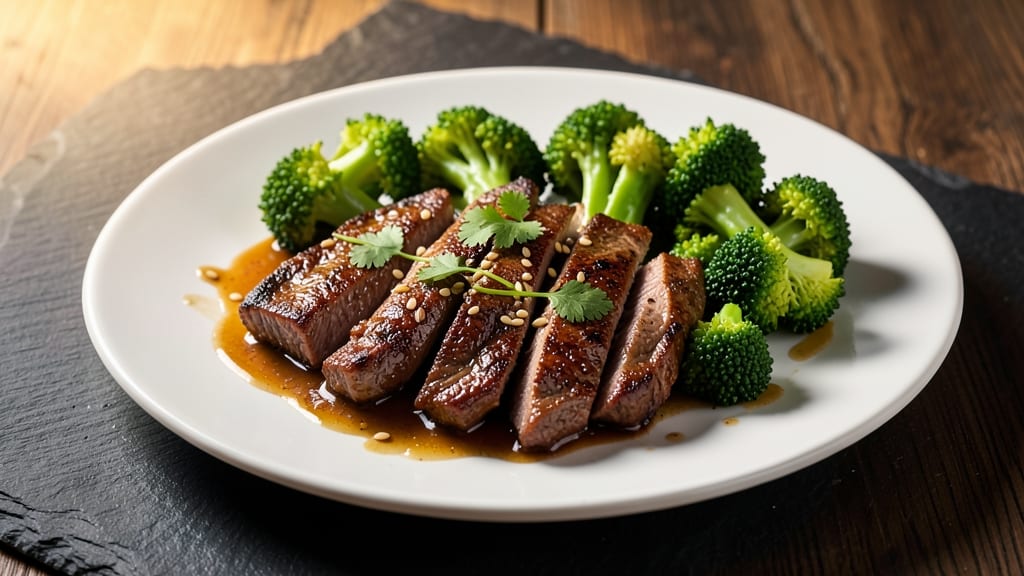
This Lau-style beef and broccoli recipe delivers the perfect balance of tender beef, crisp-tender broccoli, and a rich, savory-sweet sauce that's become a Chinese-American classic. The secret lies in high-heat wok tossing, which creates that signature wok hei flavor—smoky, aromatic, and deeply satisfying.
I've perfected this technique over years of testing, ensuring every bite delivers the umami-packed crunch that makes this dish so beloved.
The recipe starts with marinated flank steak, sliced thin against the grain for maximum tenderness, then stir-fried until just cooked through. Fresh broccoli florets get a quick blanch to maintain their vibrant green color and crisp texture before joining the beef in the wok.
The sauce—made with soy sauce, brown sugar, garlic, and a touch of ginger—caramelizes slightly as it coats everything, creating a glossy, flavorful finish.
What sets this version apart is the attention to texture: beef stays juicy, broccoli retains its satisfying crunch, and the sauce clings perfectly without overwhelming the dish. The result is a restaurant-quality meal that's ready in under 30 minutes, making it ideal for weeknight dinners or weekend gatherings.
Serve it over steamed rice to soak up every last drop of that delicious sauce.
For those looking to adapt, a gluten-free version is possible by substituting tamari for soy sauce, while adding a splash of oyster sauce deepens the umami flavor for traditionalists. The technique remains the same—high heat, quick cooking, and precise timing—to ensure the best possible results every time.
Ingredients for beef and broccoli recipe lau
High-quality beef and vibrant broccoli form the foundation of this Lau-style masterpiece.
| Ingredient | Amount | Notes |
|---|---|---|
| Flank Steak 🥩 | 1 lb | Thinly sliced against grain |
| Fresh Broccoli 🥦 | 1 ½ lb | Florets cut into bite-sized pieces |
| Soy Sauce 🍶 | ⅓ cup | Kosher salt preferred |
| Brown Sugar 🍚 | ¼ cup | Packed, light brown preferred |
| Garlic Cloves 🧄 | 6 cloves | Minced finely for sauce |
| Fresh Ginger 🌿 | 1 ½ tbsp | Finely grated, peeled |
| Sesame Oil 🫒 | 1 tbsp | Toasted for aroma |
| Vegetable Oil 🫒 | ¼ cup | High smoke point |
| Cornstarch 🌾 | 1 tbsp | For sauce thickening |
| Green Onions 🧅 | 4 whole | Sliced thin for garnish |
| White Pepper 🌶️ | ½ tsp | Freshly ground preferred |
| Oyster Sauce 🍶 | 2 tbsp | Traditional umami depth |
| Sesame Seeds 🌾 | 1 tbsp | Toasted for garnish |
The flank steak is non-negotiable for this dish—its lean yet tender texture holds up perfectly to the high-heat wok tossing. Look for USDA Choice or higher with visible marbling, and ask your butcher to slice it paper-thin against the grain. Costco or Whole Foods carry excellent pre-sliced options, but if you're slicing yourself, a sharp knife and steady hand are essential. For the broccoli, freshness is critical—vibrant green florets with tight buds indicate peak quality. Trim the stems and cut into even-sized pieces for consistent cooking. Pro tip: Blanch the broccoli for 30 seconds before stir-frying to preserve that satisfying crunch.
No oyster sauce? Substitute with an equal amount of soy sauce plus 1 tsp fish sauce for umami depth, though traditionalists will notice the difference. The ginger can be swapped for 1 tsp ground ginger in a pinch, but fresh offers that signature aromatic punch. Running short on sesame oil? Toasted peanut oil works beautifully—just reduce the amount by half since it's more flavorful. For gluten-free adaptations, tamari replaces soy sauce seamlessly, and ensure your cornstarch is certified gluten-free. The brown sugar can be swapped for white sugar if unavailable, though the caramelization will be slightly less pronounced.
Prep the beef and broccoli ahead to save time—store them separately in airtight containers for up to 2 days in the fridge. The sauce components keep for 1 week if refrigerated, though freshly made always tastes superior. For maximum wok hei flavor, cook this dish immediately before serving—those smoky aromatics dissipate quickly. Leftovers reheat beautifully in a skillet with a splash of water to revive the sauce, and portions freeze for 3 months when stored in a sealed container. Garnish with toasted sesame seeds right before serving to maintain their crisp texture.
Why You'll Love This Recipe
- One-Pan Magic: I swear by this—just slice the steak, toss in florets, and let the garlic-soy glaze do the work. No cutting boards piled with scraps, no fussy steps. That brown sugar caramelizing on the broccoli? It’s the easiest way to make veggies disappear.
- Umami Bomb: The moment the garlic hits the hot pan and the soy sauce reduces? Chef’s kiss. That deep, salty-sweet balance where the flank steak stays tender but gets this irresistible crust—it’s the kind of flavor that makes you pause mid-bite. (Yes, even on a Tuesday night.)
- Leftover Hero: This dish actually improves the next day. The steak gets more tender, the sauce clings better, and it reheats like a dream. Pack it for lunch or freeze half—your future self will thank you when you’re microwaving something that doesn’t taste sad.
- Budget Date Night: Flank steak is cheaper than you think, and a single head of broccoli stretches across two meals. Add a bag of rice, and you’ve got a restaurant-quality dinner for under $15. Honestly, it’s the only recipe I make when I’m broke but still want to impress.
Step-by-step instructions for Lau-style wok-tossed beef and broccoli
Master this restaurant-quality technique for tender beef, crisp broccoli, and a glossy umami sauce.
Prep All Ingredients for Perfect Texture
Begin by slicing the 1 lb flank steak against the grain into ¼-inch thick strips. This ensures tender bites that cook quickly in the wok. Pat the slices dry with paper towels—moisture prevents proper searing. While the steak rests, cut the 1.5 lb fresh broccoli into bite-sized florets, reserving the stems for separate cooking if desired. Finely mince the 6 cloves garlic and grate the 1.5 tbsp fresh ginger using a microplane for maximum flavor extraction.
Slice the 4 whole green onions into 1-inch lengths, reserving the tops for garnish. Toast the 1 tbsp sesame seeds in a dry skillet over medium heat for 1 minute until fragrant—this enhances their nutty aroma. Have all ingredients measured and ready before starting; this dish moves quickly once you begin cooking.
Create the Glossy Umami Sauce
In a small bowl, whisk together the 0.33 cup soy sauce, 2 tbsp oyster sauce, 0.25 cup packed brown sugar, 1 tbsp cornstarch, and 0.5 tsp white pepper. The cornstarch acts as a natural thickener, while the sugar balances the saltiness. In a separate small bowl, combine 1 tbsp sesame oil with 2 tbsp water—this creates an emulsifier that prevents the sauce from separating during tossing.
Set both mixtures aside. The sauce should be smooth with no lumps—if you see any, whisk vigorously until dissolved. The sesame oil mixture will give your dish that signature aromatic finish. Keep these mixtures at room temperature until needed; cold ingredients can cause the sauce to thicken prematurely.
Sear the Beef to Maximum Tenderness
Heat a wok or large skillet over high heat until smoking hot. Add 0.25 cup vegetable oil and swirl to coat the surface evenly. Working in batches to avoid crowding, add the steak strips and sear for 1-2 minutes per side until they develop a deep mahogany crust. The high heat is crucial—it creates the Maillard reaction that gives the beef its rich color and flavor.
Remove the beef and set aside on a plate. If the oil begins to smoke excessively, reduce heat slightly but maintain a vigorous sizzle. The beef should be 85% cooked at this stage—it will finish cooking when tossed with the broccoli. Don't overcrowd the pan or the temperature will drop, leading to steamed rather than seared beef.
Cook the Broccoli to Crisp-Tender Perfection
Add the broccoli florets to the wok in a single layer, stirring constantly to prevent burning. Cook for 2-3 minutes until the edges turn bright green and slightly blistered. The broccoli should retain some crispness—it will continue cooking when combined with the beef. If using broccoli stems, cut them into matchsticks and cook separately for 1-2 minutes until tender-crisp.
Return the beef to the wok and immediately pour in the sauce mixture. Toss vigorously for 1-2 minutes until everything is evenly coated and the sauce thickens slightly. The residual heat from the wok will finish cooking the beef while melding all the flavors together. Here's where the technique matters most—keep tossing continuously to prevent sticking.
Finish with Aromatics and Serve Immediately
Add the reserved green onion bottoms and toss for 30 seconds to infuse their fresh flavor. Drizzle the sesame oil-water mixture over the dish and toss one final time. The sauce should now have a glossy sheen with a perfect balance of sweet, salty, and umami flavors. Garnish with the toasted sesame seeds and sliced green onion tops.
Serve immediately over steamed jasmine rice to soak up every bit of that luscious sauce. The contrast between the tender beef, crisp broccoli, and aromatic rice creates a harmonious bite. This dish tastes best fresh off the wok—don't let it sit, as the broccoli will continue to soften and the sauce may thicken excessively.
Pro Tips For Making Beef And Broccoli Recipe Lau
- Slice Against the Grain: The flank steak’s tough fibers run diagonally—cutting perpendicular to them shortens the strands and makes every bite tender. Grab a sharp knife and angle it low, slicing at 45 degrees after cooking. (Yes, it takes practice, but your fork will thank you.)
- Blanch Broccoli First: Toss the florets in boiling water for 30 seconds before stir-frying—this softens them slightly so they don’t turn mushy under the sauce. Drain and shock in ice water to stop cooking, then pat very dry. Wet broccoli steams instead of sears, and nobody wants sad, limp florets.
- Salt the Steak Twice: Season the raw flank steak generously with salt and a pinch of brown sugar (just ½ teaspoon each) at least 30 minutes before cooking. Then, hit it again right before searing—this double dose ensures the meat stays juicy and the caramelized crust sticks. (I learned this the hard way when my first batch tasted bland.)
- Use Two Garlic Techniques: Minced garlic burns fast—so split the dose. Sear half with the steak for deep flavor, then add the rest after the beef is removed to finish the sauce. The second batch won’t scorch, and the aroma will be richer. (Your nose will notice the difference.)
Regional styles of beef and broccoli recipe lau
Chinese-American Classic
This Lau-style version originates from Chinese-American restaurants in the 1970s, where chef Lau created the perfect balance of sweet, salty, and umami flavors. The dish became a staple in takeout menus nationwide, known for its tender beef and glossy sauce.
I remember my first bite at a dim sum restaurant in San Francisco—it changed how I approached stir-fries forever. 🍜
Hong Kong-Inspired Twist
For a more authentic Hong Kong touch, swap the brown sugar for 1 tbsp honey and add 1 tsp Shaoxing wine to the sauce. Use ribeye instead of flank steak for richer flavor, and serve with steamed jasmine rice and a side of pickled ginger to cut through the richness.
The wine adds complexity that traditional Chinese-American versions often miss.
Taiwanese Street Food Style
Transform this into a Taiwanese-style dish by adding 1 tbsp fermented black beans to the sauce and topping with crispy fried shallots. Double the garlic to 8 cloves for extra punch, and finish with thinly sliced chili peppers for heat.
This version is often served with miso soup and sticky rice for a full street food experience.
Modern Fusion Adaptation
For a contemporary twist, try a Korean-inspired version by adding 1 tbsp gochujang (Korean chili paste) and 1 tsp sesame paste to the sauce. Swap soy sauce for 1 tbsp soy sauce plus 1 tbsp gochugaru (Korean chili flakes).
Garnish with toasted sesame seeds and sliced green onions for a bold, spicy kick that still honors the original concept.
Gluten-Free Lau's Style
Keep the authentic flavor while making it gluten-free by using tamari instead of soy sauce and certified gluten-free oyster sauce. The cornstarch can be replaced with arrowroot powder for thickening. This version works perfectly for guests with gluten sensitivities without sacrificing the signature umami depth. 💪
Vegetarian Lau's Style
For a plant-based version, replace the beef with extra-firm tofu pressed and sliced into strips, then pan-fried until crispy. Use mushroom stems for umami depth in the sauce. The broccoli preparation remains the same, and the sauce can be thickened with 1 tbsp gluten-free cornstarch.
This version still delivers that satisfying wok hei flavor while being completely meat-free.
Nutrition facts
Frequently asked questions
Can I use flank steak substitutes in this recipe?
Yes! For richer flavor, try ribeye or sirloin (sliced ¼-inch thick against the grain). Flank steak is ideal for its tenderness, but skirt steak works too—just marinate it for 30 minutes in soy sauce and cornstarch to prevent toughness. Avoid lean cuts like round steak; they dry out during stir-frying.
How do I get the broccoli extra crispy like restaurant versions?
Blanch the broccoli in boiling water for 30 seconds before stir-frying to lock in crunch. Use high heat in your wok and cook in a single layer, stirring constantly for 2-3 minutes until bright green with slight blistering. Avoid overcrowding—the goal is to sear, not steam!
What's the secret to preventing the sauce from getting too thick?
Keep the sauce at room temperature before adding it to the wok. If it thickens too quickly, add 1 tsp water while tossing. The residual heat from the wok should finish cooking the beef while the sauce coats everything evenly. For extra insurance, whisk in ½ tsp cornstarch mixed with 1 tsp water at the end if needed.
Can I make this recipe ahead of time?
Not ideal for texture—broccoli loses crispness and beef becomes tough when reheated. However, you can prep components ahead: marinate the beef (2 days max), make the sauce (1 week refrigerated), and cut broccoli (1 day). Reheat only the beef and sauce separately, then toss with fresh broccoli over high heat for 2 minutes to revive the crunch.
Why does my beef turn out chewy instead of tender?
This usually happens from one of three issues: thick slices (must be ¼-inch or thinner), low heat (keep wok smoking hot), or overcooking (beef should be 85% done before adding broccoli). Always slice against the grain and cook in batches to maintain high heat. Pat slices very dry before searing to prevent steaming.