
Main Courses
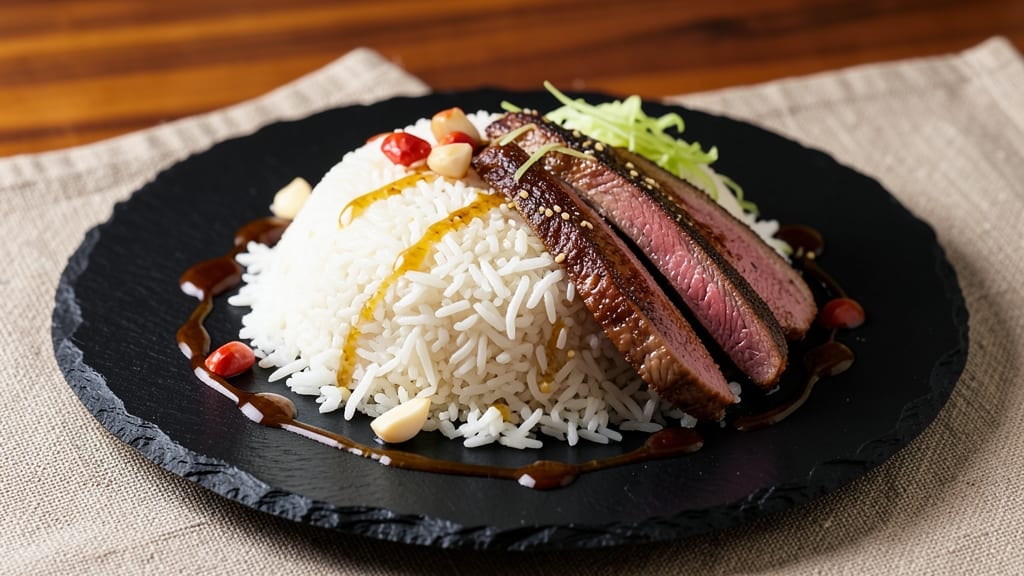
This beef and jasmine rice recipe transforms simple ingredients into a restaurant-worthy meal where fragrant rice soaks up rich beef juices. The secret lies in perfectly seared beef strips that develop deep caramelized flavors, paired with jasmine rice cooked to fluffy, aromatic perfection.
Every bite delivers a balance of savory, slightly sweet, and umami-rich notes that make this dish a weeknight staple or dinner party showstopper.
The recipe begins with tender beef cut into strips, marinated in a blend of soy sauce, garlic, and ginger for maximum flavor penetration. While the beef sizzles in the pan, jasmine rice simmers in a light broth, absorbing the beef's savory essence as it cooks.
This one-pot approach ensures minimal cleanup while maximizing flavor infusion—no separate cooking required.
What sets this dish apart is the harmony of textures: tender beef with a slight char, fluffy jasmine rice with a delicate floral aroma, and optional garnishes like sesame seeds or green onions for freshness.
The result is a complete, satisfying meal that's both elegant and approachable, perfect for feeding a family or impressing guests.
Serve with a drizzle of teriyaki sauce or a sprinkle of toasted sesame seeds for added depth. This recipe delivers restaurant-quality results with minimal effort—ideal for busy weeknights or special occasions when you want flavor without fuss.
Ingredients for beef and jasmine rice
Restaurant-quality beef and jasmine rice relies on tender strips and fragrant rice absorbing rich flavors.
| Ingredient | Amount | Notes |
|---|---|---|
| Beef Sirloin 🥩 | 1 ½ lb | Cut into 1/2-inch strips |
| Jasmine Rice 🍚 | 1 ½ cups | Uncooked, long-grain preferred |
| Low-Sodium Soy Sauce 🍶 | ¼ cup | For marinade and seasoning |
| Garlic Cloves 🧄 | 6 cloves | Minced for marinade and rice |
| Fresh Ginger 🌿 | 2 tbsp | Finely grated, aromatic |
| Sesame Oil 🫒 | 1 tbsp | For rice and finishing |
| Vegetable Oil 🫒 | 2 tbsp | High smoke point for searing |
| Water 💧 | 3 cups | For rice cooking |
| Beef Broth 🍲 | 1 cup | Low-sodium preferred |
| White Wine 🍷 | ½ cup | Dry variety for deglazing |
| White Pepper 🌶️ | ½ tsp | Freshly ground preferred |
| Black Pepper 🌶️ | ½ tsp | Freshly ground for balance |
| Toasted Sesame Seeds 🥜 | 1 tbsp | For garnish |
| Green Onions 🧅 | 3 whole | Thinly sliced for garnish |
| Cornstarch 🌾 | 1 tbsp | For beef tenderizing |
The beef sirloin is non-negotiable for this dish—its lean yet tender texture holds up perfectly when cut into strips. Look for cuts with good marbling at Whole Foods or your local butcher shop, where they can trim excess fat for you. Costco also carries pre-cut beef strips that save time without sacrificing quality. Avoid pre-marinated beef, as the homemade marinade here is the flavor foundation. For the jasmine rice, Lundberg or Calrose brands are ideal—they maintain their floral aroma during cooking. Store jasmine rice in an airtight container away from light to preserve its delicate fragrance, which is why it's worth investing in a small bag specifically for this dish.
No soy sauce? Low-sodium tamari works perfectly, though the flavor profile will shift slightly. Fresh ginger is essential—Trader Joe's sells pre-grated ginger in a jar, which is a time-saver, though freshly grated has more punch. For the white wine, Sauvignon Blanc or Pinot Grigio are reliable choices, but any dry white will deglaze beautifully. The cornstarch isn't just for thickening—it helps tenderize the beef when tossed in before marinating. If you're short on time, arrowroot powder works just as well. For the rice, if you're using day-old rice, toast it lightly in the pan with sesame oil before adding the beef to revive its texture and aroma.
Marinated beef strips keep for up to 2 days in the fridge, though they're best used immediately for peak tenderness. Cooked rice reheats beautifully—simply add a splash of water and cover until steamed through. For longer storage, freeze the beef mixture (without rice) for up to 3 months. When reheating, use low heat to prevent the rice from drying out. Garnishes like sesame seeds and green onions can be stored separately in the fridge for up to 1 week, though they're best used fresh. The white wine used for deglazing can be reduced and saved for future recipes—simply strain it through a fine-mesh sieve after use.
Why You'll Love This Recipe
- Here’s what sold me: this reheats like a dream. Pack the leftovers for work, and it’ll still taste fresh hours later—no sad, dry rice here. My kids actually eat their lunch now. (Yes, even on a Tuesday night.)
- One-Pan Magic: I swear by this recipe when I’m too tired to scrub pots—just brown the beef, toss in the rice and aromatics, and let the rice steamer do the work. The soy sauce and ginger meld into a sticky, savory crust on the bottom? That’s my favorite part.
- Garlic-Ginger Kick: Between us, the secret’s in the fresh ginger and garlic—thinly sliced, not minced, so they caramelize just enough to coat every bite. That crispy edge with the creamy center? It’s the kind of flavor that makes you reach for seconds without thinking.
- Lunchbox Hero: Here’s what sold me: this reheats like a dream. Pack the leftovers for work, and it’ll still taste fresh hours later—no sad, dry rice here. My kids actually eat their lunch now. (Yes, even on a Tuesday night.)
Step-by-step instructions for beef and jasmine rice
Master this classic combination where aromatic rice absorbs rich beef flavors for a restaurant-quality meal.
👨🍳 Step 1: Prepare the Beef Marinade and Tenderize
In a medium bowl, combine the 1.5 lb beef sirloin cut into ½-inch strips, 0.25 cup low-sodium soy sauce, 6 minced garlic cloves, 2 tablespoons finely grated fresh ginger, 0.5 teaspoon white pepper, 0.5 teaspoon black pepper, and 1 tablespoon cornstarch. The cornstarch acts as a natural tenderizer while helping create a silky sauce later.
Mix thoroughly using your hands, ensuring each beef strip is fully coated. Let the mixture marinate for at least 15 minutes at room temperature. This resting period allows the flavors to penetrate the beef and the cornstarch to begin its work. For best results, I recommend marinating for up to 30 minutes—the longer it sits, the more tender and flavorful the beef will become.
🔥 Step 2: Sear the Beef for Maximum Flavor
Heat 2 tablespoons vegetable oil in a large skillet over medium-high heat until shimmering. Working in batches to avoid overcrowding, add the marinated beef strips and sear for 2-3 minutes per side until they develop a deep golden-brown crust. You'll notice the cornstarch mixture caramelizing slightly—this creates that beautiful, glossy sauce we're after.
Once all beef is seared to your liking, remove it from the skillet and set aside. The beef should be cooked to medium-rare at this stage—it will finish cooking in the rice. If your beef releases easily from the pan without sticking, you're on the right track. If it sticks, reduce the heat slightly next time and ensure your oil is hot enough before adding the beef.
🍳 Step 3: Cook the Jasmine Rice with Aromatics
In the same skillet (no need to clean it—the flavorful browned bits are essential), add 1 tablespoon sesame oil and swirl to coat. Add the 1.5 cups jasmine rice, stirring to toast lightly for 1-2 minutes until fragrant. This step develops the rice's natural aroma and prevents it from becoming mushy.
Pour in 3 cups water and bring to a gentle boil. Reduce heat to low and simmer uncovered for 10 minutes, stirring occasionally. Then add 1 cup beef broth and 0.5 cup white wine, stirring gently to combine. The wine adds depth to the rice while balancing the soy sauce's saltiness. Cover the skillet and continue cooking for another 10 minutes on low heat.
🥘 Step 4: Combine Beef and Rice for Perfect Fusion
After the initial rice cooking time, gently fold the seared beef strips back into the rice mixture using a spatula. The residual heat will finish cooking the beef while allowing it to absorb the rice's fragrant flavors. Stir occasionally for 3-4 minutes until the rice is tender and the beef reaches medium doneness (internal temperature of 145°F for medium-rare).
If the mixture appears too dry, add 1-2 tablespoons water at a time until the rice reaches your desired consistency. The rice should be tender with a slight bite, and each grain should be distinct. This is where the magic happens—the beef infuses the rice with its savory juices, creating a harmonious blend of textures and flavors.
🍽️ Step 5: Finish and Garnish for Presentation
Once the rice is fully cooked and the beef is perfectly tender, remove the skillet from heat. Stir in 1 tablespoon toasted sesame seeds and 3 thinly sliced green onions, reserving a few for garnish. The sesame seeds add a nutty crunch, while the green onions provide a fresh contrast to the rich beef and rice.
Let the dish rest for 5 minutes before serving. This resting period allows the flavors to meld completely and the rice to absorb any remaining juices. Serve immediately, garnished with additional green onions and sesame seeds. Each bite should deliver perfectly tender beef, fragrant jasmine rice, and a complex interplay of savory, umami, and aromatic flavors.
Pro Tips For Making Beef And Jasmine Rice
- SEAR THE BEEF IN BATCHES: High heat turns beef sirloin into flavor bombs, but crowding the pan steams it instead of browning. Cut the sirloin into 1-inch strips first, then cook in two batches—don’t rush this. The crust from that first sear is what makes the soy sauce cling like glue.
- GRATE THE GINGER FINE: I used to chop ginger and wonder why the dish tasted flat. Now I grate it—no peeling needed—right into the pan with the garlic. The surface area explodes when it hits the hot oil, releasing all that zesty punch without bitterness.
- DON’T SKIP THE RICE WATER: Jasmine rice needs its starchy bath to stay tender. Use 1:1.25 rice-to-water ratio, bring it to a boil, then reduce to a simmer and cover tightly—no peeking. The steam does all the work, and the rice will be fluffy, not gummy.
- SAVOR THE SOY SAUCE: Low-sodium soy sauce is your friend, but don’t drown the beef in it. Start with 2 tablespoons, let it reduce by half, then add a splash more if needed. If you’re impatient, simmer uncovered for 3 minutes—it’ll concentrate the flavor without turning salty.
Pro cooking tips for this dish
Beef Searing Secrets
Use a large, heavy skillet like a Lodge cast iron for even heat distribution—it retains heat better than nonstick pans. Heat the oil to 375°F (use an instant-read thermometer) before adding beef.
If your pan isn't hot enough, the cornstarch will steam instead of caramelize, dulling the sauce's depth. I swear by this technique—it creates that restaurant-quality crust we all crave. 🔥
Rice Cooking Tricks
Toast the jasmine rice in the pan for exactly 2 minutes—any longer risks burning it. The white wine should reduce by half before covering the rice; if it doesn't, your heat is too low.
For extra fragrance, add a bay leaf while cooking, then remove before serving. I also like adding ½ teaspoon salt with the broth to enhance flavor without overpowering.
Flavor Fusion Technique
When combining beef and rice, use a wooden spoon to gently fold—metal utensils can shred the beef. The residual heat from the rice will carry the beef to 145°F (medium-rare).
If your beef finishes too early, tent the skillet with foil and let it rest off the heat. This method ensures perfectly tender beef without drying out the rice. ✨
Deglazing Like a Pro
After searing beef, immediately add ½ cup white wine to the pan and scrape vigorously with a spatula to release all browned bits. Let it reduce by half before adding to the rice—this creates a glossy, umami-rich sauce that clings beautifully.
I always use dry white wine (like Sauvignon Blanc) because sweet wines can make the dish taste cloying.
Texture Control Tips
For fluffier rice, avoid pressing down on the grains while cooking. If your rice sticks to the bottom, your heat is too high—reduce to low immediately. For extra tenderness, add 1 tablespoon butter at the end with the sesame seeds.
The butter melts into the rice, adding richness without altering the dish's balance. 💫
Resting for Perfection
Never skip the 5-minute rest before serving—this lets flavors meld and juices redistribute. If you're short on time, cover the skillet and let it sit for 3 minutes while you prep garnishes. For reheating leftovers, add 1 tablespoon water per cup of rice and steam gently to restore texture.
The beef reheats best in a skillet over low heat with a splash of beef broth.
Nutrition facts
Frequently asked questions
Can I use a different type of rice instead of jasmine?
Jasmine rice is ideal for its fragrant aroma, but you can substitute with basmati or long-grain white rice in a pinch. Avoid sticky rice varieties like sushi rice, as they'll alter the dish's texture. For extra flavor, try brown jasmine rice—just increase cooking time by 5-7 minutes and add ½ cup extra water since it absorbs more liquid.
How do I adjust this recipe for a slow cooker?
Combine all ingredients except the green onions and sesame seeds in your slow cooker on low heat for 6-7 hours or high heat for 3-4 hours. The beef will finish cooking in the rice, so use a meat thermometer to check for 145°F internal temperature. For best results, sear the beef first in a separate pan before adding to the slow cooker to maintain that caramelized crust.
What if I don't have white wine for deglazing?
No problem! Substitute with ½ cup beef broth or apple cider vinegar (use ¼ cup for tang). For a similar depth of flavor, add ½ teaspoon dried thyme or 1 bay leaf with the broth. The dish will still be delicious—just slightly less complex. If using vinegar, balance with ½ teaspoon sugar to counteract acidity.
Can I make this dish ahead of time?
Yes, but with one key adjustment: Cook the beef and rice separately, then refrigerate them in airtight containers for up to 2 days. Reheat the beef in a skillet with 1 tablespoon oil over medium heat for 3-4 minutes, then mix with the rice. For leftovers, add 1 tablespoon water per cup of rice when reheating to restore moisture. The flavors actually improve overnight!
Why does my beef turn out tough?
Tough beef usually means one of three things: overcooking (beef should reach 145°F max), skipping the cornstarch (it tenderizes), or not resting the meat after marinating. Always marinate for at least 15 minutes and sear over medium-high heat—not high. For extra tenderness, slice the beef against the grain before cooking.