
Soups & Stews
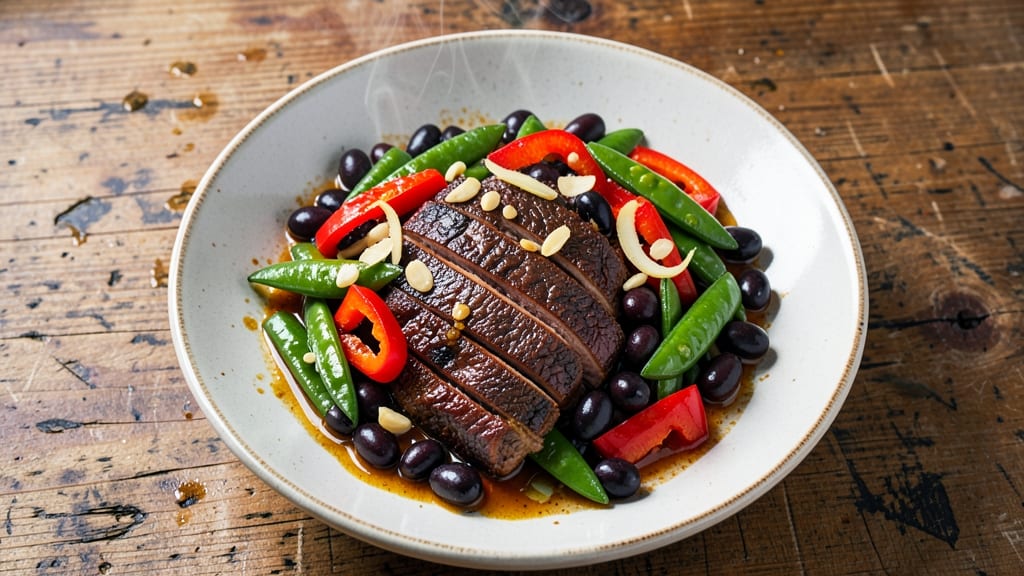
This beef and black bean stir fry delivers restaurant-quality flavor in under 30 minutes—juicy beef strips, tender black beans, and crisp-tender vegetables tossed in a savory-sweet sauce. The key is high-heat wok technique, where proper ingredient order and quick cooking preserve texture while building layers of flavor.
I perfected this dish after years of experimenting with stir-fry timing, ensuring every bite has that perfect balance of chewy beef, creamy beans, and satisfying crunch.
The foundation starts with thinly sliced beef marinated in soy sauce and cornstarch, which creates a caramelized crust when seared at high heat. Black beans add protein and earthy depth, while bell peppers and snap peas contribute vibrant colors and satisfying crunch.
A simple sauce made with garlic, ginger, and a touch of brown sugar ties everything together, with just enough heat to keep it interesting without overwhelming. The secret weapon? Cooking the beef separately from the vegetables so it stays perfectly tender while the veggies develop their crisp texture.
By the time you plate this dish, you'll have a vibrant stir fry with perfectly seared beef, tender black beans, and vegetables that stay crisp rather than soggy. The sauce clings to everything, creating a harmonious blend of savory, slightly sweet, and umami flavors.
Serve it over steamed jasmine rice or noodles to soak up every delicious bite—this is the kind of weeknight dinner that feels like a restaurant meal without the fuss. The best part? It scales easily for a crowd or meal prep for the week.
For extra texture, I like to finish with toasted sesame seeds and sliced green onions, which add freshness and visual appeal. You can adjust the spice level by adding chili flakes or sriracha to the sauce, or keep it mild for a family-friendly version.
This recipe proves that healthy eating can be flavorful, satisfying, and quick—no compromises needed. Let's get cooking!
Ingredients for beef and black bean stir fry
Quick grocery run for these 15 ingredients—everything you need for restaurant-style stir fry.
| Ingredient | Amount | Notes |
|---|---|---|
| Flank Steak 🥩 | 1 lb | Thinly sliced against grain |
| Black Beans 🌱 | 1 ½ cups | Canned, drained and rinsed |
| Red Bell Pepper 🍅 | 1 whole | Sliced into thin strips |
| Snap Peas 🌿 | 1 cup | Fresh or frozen, thawed |
| Garlic Cloves 🧄 | 4 cloves | Minced for sauce |
| Fresh Ginger 🌿 | 1 tbsp | Grated finely (peeled) |
| Brown Sugar 🍯 | 1 tbsp | Light or dark |
| Soy Sauce 🍶 | ½ cup | Low-sodium preferred |
| Cornstarch 🌾 | 2 tbsp | For beef marinade |
| Sesame Oil 🫒 | 1 tbsp | Toasted sesame oil |
| Vegetable Oil 🫒 | 2 tbsp | High smoke point |
| Green Onions 🧅 | 3 whole | Sliced thinly for garnish |
| Toasted Sesame Seeds 🌱 | 1 tbsp | For garnish |
| Red Chili Flakes 🌶️ | 1 tsp | Optional for heat |
| Salt 🧂 | 1 tsp | Kosher or sea salt |
The beef is everything here. Flank steak is my go-to—it's lean, flavorful, and slices beautifully against the grain. Grab it at Costco or your local butcher shop if you want the best quality. Look for good marbling, but don't stress if it's not perfect. Black beans? Canned is fine—just drain and rinse well. The bell pepper and snap peas can be fresh or frozen (thawed), but fresh gives that satisfying crunch. For the ginger, fresh is ideal—it adds a bright, zesty kick that powdered can't match. If you're in a pinch, use double the amount of powdered ginger, but it won't be the same.
No soy sauce? Coconut aminos work in a pinch, though the flavor will be slightly different. The cornstarch is non-negotiable for that perfect beef texture—it creates a caramelized crust when seared. For the sesame oil, toasted is best—it adds depth, but regular sesame oil will work if that's what you've got. Want to skip the chili flakes? A dash of sriracha or gochujang adds heat without changing the texture. The garlic and ginger can be pre-minced if you're short on time, but fresh is always better. And if you don't have snap peas, snow peas or broccoli florets work great too.
Prep the beef first—slice it thin and toss with soy sauce and cornstarch while you chop everything else. This dish reheats beautifully—3-4 days in the fridge or 3 months in the freezer. I like to portion it into containers with rice so lunches are ready to grab. The sauce keeps for 1 week in the fridge if you make it ahead, but it's even better fresh. For extra flavor, toast the sesame seeds in a dry pan for 30 seconds before adding them—it makes all the difference.
Why You'll Love This Recipe
- One-Pan Magic: I swear by this recipe when I’m too tired to scrub a million dishes—just toss everything in one hot pan, let the garlic sizzle, and boom. The flank steak caramelizes right alongside the black beans and peppers, so you’re not stuck with a pile of dirty bowls.
- Umami Bomb: That first bite? The tender flank steak hits with a smoky depth, then the black beans add earthy richness, and the snap peas bring a bright crunch. Honestly, the garlic and cumin work like a flavor spell—simple ingredients, but the taste is ridiculously satisfying.
- Weeknight to Potluck: I make this for lazy Tuesdays, but it also travels well—pack it in a container, and it’s still hearty enough for a picnic or office potluck. The black beans bulk it up, so you’re not just serving a side, and the red bell pepper adds color that makes it look fancy without effort.
- Budget-Friendly Powerhouse: Flank steak stretches far when sliced thin, and black beans cut the cost without sacrificing protein. I’ll be real: this feeds four for under $15, and leftovers reheat like a dream. Plus, the snap peas? They’re cheap, crunchy, and foolproof—no sad wilted veggies here.
Step-by-step instructions for wok-tossed beef and black bean stir fry
Let's create a restaurant-quality stir fry with tender beef, crisp veggies, and a savory-sweet sauce.
Marinate and Prep the Flank Steak
In a medium bowl, combine the 1 lb flank steak (thinly sliced against the grain), 0.5 cup soy sauce, 1 tbsp brown sugar, 1 tbsp sesame oil, 1 tsp salt, 1 tsp red chili flakes, and 2 tbsp cornstarch. Mix gently but thoroughly until the steak is evenly coated. Let it marinate for at least 15 minutes—this ensures tender beef with great texture. I like to press the marinade into the meat with my fingers to help it absorb fully.
While the steak marinates, prep your vegetables. Thinly slice the 1 whole red bell pepper into strips and trim the 3 whole green onions, reserving the tops for garnish. If using frozen snap peas, thaw them in cold water for 5 minutes before draining well. The goal is to have all your ingredients ready to cook simultaneously for that perfect stir-fry timing.
Build the Stir-Fry Sauce
In a small bowl, whisk together 2 tbsp vegetable oil, 1 tbsp fresh ginger (finely grated), and 4 cloves garlic cloves (minced). This forms the flavor base for your sauce. I use a fork for quick mixing—no need for fancy tools here. The oil helps distribute the ginger and garlic evenly throughout the sauce.
In a separate small bowl, mix the 1.5 cups black beans (drained and rinsed) with 1 cup snap peas. Set this aside—you'll add it to the wok in the final stages. The beans and peas will absorb the sauce beautifully while adding texture contrast to the dish. Keep them at room temperature until ready to use.
Cook the Beef and Vegetables
Heat a large wok or skillet over high heat until it's smoking hot. Add the marinated beef in a single layer, spreading it out so it doesn't steam. Cook undisturbed for 1-2 minutes until the edges start to brown and pull away from the pan. This initial sear locks in the juices and creates that signature stir-fry flavor.
Push the beef to one side of the wok and add the red bell pepper strips and green onion bottoms. Stir-fry for 2-3 minutes until the peppers soften slightly but still retain their vibrant color. Add the 1 cup snap peas and 1.5 cups black beans, tossing everything together for another 1-2 minutes until the vegetables are tender-crisp. The goal is to keep everything vibrant and slightly al dente.
Finish with the Sauce and Garnishes
Pour the ginger-garlic oil mixture over the beef and vegetables, immediately tossing everything together. Cook for 1-2 minutes until the sauce coats the ingredients evenly. If the mixture looks dry, add 1-2 tablespoons of water to help create a glossy finish. The sauce should be sticky but not watery—this is where the cornstarch in the marinade really shines.
Taste and adjust seasoning with a pinch more soy sauce if needed. Remove from heat and transfer to serving plates. Garnish with the reserved green onion tops and sprinkle with 1 tbsp toasted sesame seeds for that final crunchy, nutty touch. Serve immediately over steamed rice for the perfect balance of textures and flavors.
Pro Tips For Making Beef And Black Bean Stir Fry
- Slice Steak Thinly: Grab your sharpest knife and cut the flank steak against the grain—thin slices (about ¼-inch thick) cook faster and stay tender. I used to rush this, and the beef turned chewy. Take the time; your stir-fry will thank you.
- Prep Black Beans Right: Drain and rinse canned black beans, then pat them very dry with a towel. Wet beans release too much liquid, turning your stir-fry into a soup. (Yes, even if you’re impatient like me.)
- Cook Garlic Fast: Mince garlic just before stir-frying—it burns faster than you think. Toss it in with the beef at the very end (last 30 seconds) so it adds aroma without turning bitter. I learned this the hard way after one charred batch.
- Start Hot, Finish Low: Blast the wok or pan on high heat until it’s screaming, then add beef and veggies. Once everything’s searing, lower the heat to medium-high to cook through without burning. Crowding the pan? That’s how you steam instead of stir-fry.
Flavor customization for these flavors
Spice Level Control
Adjust the heat to your preference using the red chili flakes or swap them for ½ tsp sriracha or 1 tsp gochujang for a different flavor profile. For a mild version, simply omit the chili flakes entirely.
I often keep a small bowl of extra chili flakes on the table so guests can add heat to their liking after tasting. 🌶️
Sweetness Balance
If you prefer less sweetness, reduce the brown sugar to ½ tbsp or replace it with 1 tsp honey for a fruity note. For extra depth, add ½ tsp fish sauce to the marinade—it enhances umami without adding sweetness.
I’ve found that coconut sugar works well too if you want a more natural sweetener.
Umami Boost
For deeper umami flavor, add 1 tbsp oyster sauce or 1 tsp miso paste to the sauce mixture. A splash of Worcestershire sauce (about 1 tsp) also works wonders.
These additions make the dish richer without altering the texture. I like to keep a small bottle of oyster sauce in my pantry specifically for stir-fries.
Texture Variations
Add ½ cup cashews or peanuts for extra crunch—toss them in during the last 1 minute of cooking. For a chewy element, swap ½ cup black beans for chickpeas or edamame.
If you love texture contrast, try adding ½ cup shredded carrots or thinly sliced mushrooms to the veggie mix. 🥜
Herb Infusions
Brighten the dish with 1 tbsp chopped cilantro or 1 tsp fresh basil stirred into the sauce. For a smoky touch, add ½ tsp smoked paprika to the marinade.
I also love adding thinly sliced scallions to the final toss—they add freshness and pop of color. Fresh herbs elevate the dish without overpowering the main flavors.
Protein Swaps
Replace the beef with chicken breast or thighs for a lighter option, or use tofu or tempeh for a plant-based version. If you prefer pork, pork tenderloin works beautifully—just adjust the marinade time to 20 minutes.
Shrimp lovers can add ½ lb shrimp in the last 2 minutes of cooking to avoid overcooking. Each protein brings a unique texture to the dish.
Nutrition facts
Frequently asked questions
Can I use ground beef instead of flank steak?
Ground beef won't give you the same tender texture, but you can use it if that's what you have! For best results, shape it into small patties and cook them separately until browned (3-4 minutes per side) before adding to the stir-fry. The cornstarch marinade won't work the same way, so skip it and just use 1 tbsp soy sauce + 1 tsp salt instead.
How do I prevent the vegetables from getting soggy?
High heat is your best friend! Make sure your wok or skillet is smoking hot before adding ingredients, and cook in batches if needed. Add harder veggies (like bell peppers) first, then softer ones (like snap peas) last. Never overcrowd the pan—keep it moving constantly for 2-3 minutes max per ingredient batch.
What's the best way to reheat leftovers?
Reheat in a skillet over medium heat with 1-2 tbsp water to revive the sauce and prevent drying. Stir frequently for 2-3 minutes until everything is heated through. Microwaving works too, but the texture won't be as crisp—cover with a damp paper towel and heat in 30-second bursts, stirring between each.
Can I make this gluten-free?
Replace the soy sauce with tamari or coconut aminos (use the same amount). Also check your cornstarch—some brands contain wheat. For extra flavor, add 1 tsp gluten-free fish sauce to the marinade. All other ingredients are naturally gluten-free.
Why does my beef turn out chewy instead of tender?
This usually happens when the beef isn't sliced thinly enough or isn't cooked quickly over high heat. Always slice against the grain and use a sharp knife for thin strips (¼-inch thick). Cook in a single layer without stirring for the first 1-2 minutes to get a good sear. If using thicker cuts, reduce cooking time by 30 seconds.