
Side Dishes
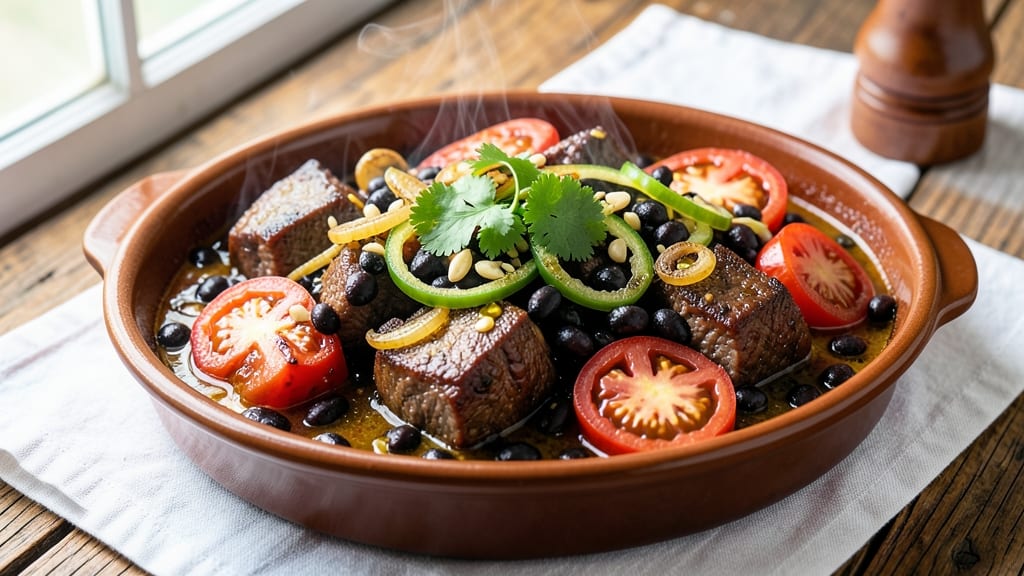
This beef ampalaya with black beans recipe delivers a hearty, one-pot Filipino classic where tender beef and bitter ampalaya (bitter melon) come together in a smoky, savory-sweet sauce.
The secret lies in balancing the vegetable's natural bitterness with the rich depth of black beans and caramelized beef, creating a dish that's both comforting and complex. Traditional techniques like quick stir-frying preserve the ampalaya's crisp-tender texture while building layers of flavor in the pot.
What makes this recipe special is its simplicity—just one pot handles everything from searing the beef to simmering the vegetables and beans, making it perfect for weeknight dinners or meal prep.
The smoky depth comes from slow-cooked spices and a touch of soy sauce, while the black beans add heartiness without overpowering the dish. Each bite offers a perfect harmony of textures: tender beef, slightly crisp ampalaya, and creamy beans in a rich, umami-filled sauce.
The result is a dish that's both satisfying and versatile—serve it over steamed rice to soak up every last bit of flavor or alongside garlic fried rice for a complete meal. The one-pot approach means minimal cleanup, and the leftovers reheat beautifully, making it ideal for busy families.
This recipe captures the soul of Filipino home cooking, where bold flavors and simple techniques create something truly special.
For those new to ampalaya, don't let its bitterness intimidate you—the black beans and savory beef balance it perfectly, transforming it into a dish that's rich, satisfying, and full of depth.
The key is cooking the ampalaya just until tender-crisp, ensuring it retains its unique texture while absorbing the surrounding flavors. Let's get cooking!
Ingredients for beef ampalaya with black beans
Filipino pantry staples meet tender beef and bitter melon in this one-pot masterpiece.
| Ingredient | Amount | Notes |
|---|---|---|
| Beef Chuck Roast 🥩 | 1 ½ lb | Cut into 1-inch cubes |
| Ampalaya (Bitter Melon) 🍆 | 2 medium | Peeled, deseeded, sliced thin |
| Black Beans 🌱 | 1 ½ cups | Cooked, drained, rinsed |
| Yellow Onions 🧅 | 1 whole | Thinly sliced |
| Garlic Cloves 🧄 | 6 cloves | Minced |
| Medium Tomatoes 🍅 | 2 whole | Diced, Roma preferred |
| Tomato Paste 🍅 | 2 tbsp | Squeeze tube or canned |
| Soy Sauce 🍶 | 2 tbsp | Light or regular |
| Calamansi Juice 🍋 | ½ cup | Or lime juice substitute |
| Bay Leaves 🌿 | 2 whole | Crushed lightly |
| Ground Black Pepper 🌶️ | 1 tsp | Freshly ground |
| Salt 🧂 | 1 ½ tsp | Diamond Crystal preferred |
| Olive Oil 🫒 | 2 tbsp | Extra-virgin for richness |
| Ground Cumin 🌿 | ½ tsp | Toasted for depth |
| White Wine Vinegar 🍶 | 1 tbsp | For brightness |
The beef selection is critical—chuck roast delivers the best texture when slow-cooked, but sirloin or flank steak work in a pinch if you're short on time. Ampalaya (bitter melon) should be firm and green—avoid any with yellowing or soft spots. Most Asian grocery stores carry it fresh, but if unavailable, substitute with 1 cup diced zucchini plus 1 tsp baking soda to mimic bitterness. For black beans, canned low-sodium is ideal, but dried beans cooked from scratch add depth. The onions and garlic should be freshly minced—never pre-chopped from the container, as they oxidize quickly.
No calamansi? Lime or lemon juice works perfectly, though the tang won't be identical. Substituting tomatoes? Tomato sauce plus a pinch of sugar balances acidity. The tomato paste can be swapped for 1 tbsp concentrated tomato paste from a squeeze tube, which eliminates waste. For a deeper smoky flavor, add ½ tsp smoked paprika to the spice mix. The white wine vinegar is non-negotiable—it cuts through the richness and brightens the dish. If you're avoiding vinegar, extra lemon juice plus a pinch of sugar achieves similar results.
This dish tastes even better the next day as flavors meld. Store leftovers in an airtight container in the fridge for up to 5 days or freeze for 3 months. For meal prep, double the recipe and portion into containers—each serving pairs beautifully with steamed jasmine rice. The sauce thickens as it cools, so add a splash of water when reheating. To preserve the ampalaya's texture, avoid overcooking—it should remain tender-crisp, not mushy.
Why You'll Love This Recipe
- One-Pot Wonder: I swear by this recipe when I’m too tired to wash extra dishes. The beef, ampalaya, and black beans all simmer together—no fancy steps, just a deep pot and 45 minutes of hands-off time. The onions caramelize right in the sauce, so you don’t even need a separate pan.
- Black Bean Magic: Between us, the black beans are the real MVP here. They soak up the rich beef broth while adding this earthy depth that cuts through the bitter melon’s sharpness. Honestly, I’ve made this without extra seasoning—just the beans, garlic, and slow cooking do the work.
- Weeknight to Potluck: This dish is my go-to for both lazy Tuesdays and holiday gatherings. Serve it over rice with a side of steamed veggies for a hearty weeknight meal, or double the batch and bring it to a potluck—it tastes even better the next day. (Yes, even on a Tuesday night.)
- Budget Stretch: A pound of beef chuck roast and a bag of dried black beans feed four for under $10. The ampalaya’s bitterness balances the richness, so you’re not sacrificing flavor for savings. I’ll be real: my grocery budget thanks me every time I make this.
Step-by-step instructions for beef ampalaya with black beans
This hearty one-pot dish delivers deep smoky flavors with minimal cleanup.
Sear the Beef Chuck Roast for Rich Depth
Heat the 2 tablespoons olive oil in a large Dutch oven over medium-high heat until shimmering. Add the 1.5 lb beef chuck roast cut into 1-inch cubes and sear undisturbed for 3-4 minutes until deeply browned on all sides. This caramelization builds the foundation for the dish's complex flavor profile.
Remove the beef and set aside. If the oil isn't hot enough and the beef releases too easily, wait 1-2 minutes for the pan to recover heat before continuing. The goal is golden brown meat with visible crust—this ensures maximum flavor extraction during the long simmer ahead.
Build the Flavor Base with Aromatics
In the same Dutch oven, add the 1 whole yellow onion sliced thin and 6 cloves garlic cloves minced. Cook for 3-4 minutes until the onions soften and the garlic becomes fragrant—you should smell sweetness with a hint of bitterness. Add the 2 whole medium tomatoes diced and cook for another 2 minutes until they begin to break down.
Stir in the 2 tablespoons tomato paste, 2 tablespoons soy sauce, and 0.5 teaspoon ground cumin, cooking for 1 minute to toast the spices. This step develops the sauce's umami backbone while preventing raw flavors. The cumin adds subtle earthiness that pairs beautifully with the bitter melon's sharpness.
Simmer the Beef and Incorporate Bitter Melon
Return the seared beef to the pot along with 2 cups water (or enough to cover by half). Add the 2 medium ampalaya (bitter melon) sliced thin, 1.5 cups black beans, 2 whole bay leaves crushed lightly, 1 teaspoon ground black pepper, and 1.5 teaspoons salt. Bring to a gentle boil, then reduce heat to low and simmer uncovered for 45-50 minutes until the beef is fork-tender.
Here's the thing—don't rush this step. The beef needs time to become tender while the bitter melon softens without losing its signature crisp texture. Stir occasionally, especially after the first 15 minutes, to prevent sticking. You'll know it's ready when the beef easily pulls apart with minimal resistance.
Finish with Brightness and Balance
Remove the 2 bay leaves and stir in the 0.5 cup calamansi juice and 1 tablespoon white wine vinegar. Simmer for an additional 5-7 minutes until the liquid reduces slightly and the flavors meld. The acidity from the vinegar brightens the dish, while the calamansi juice adds a citrusy tang that cuts through the richness.
Taste and adjust seasoning—you may need an extra ½ teaspoon salt or ¼ teaspoon black pepper to balance the bitterness of the melon. The final dish should have a harmonious blend of smoky, savory, and slightly tangy notes with the bitter melon's unique crunch still intact.
Rest and Serve with Confidence
Let the dish rest for 5 minutes before serving. This allows the flavors to settle and the bitter melon to soften slightly without losing texture. Serve immediately with steamed rice to soak up the rich, flavorful sauce.
Each bite should deliver tender beef, hearty black beans, and the distinctive bite of bitter melon balanced by the smoky depth from the slow simmer. The one-pot method keeps everything cohesive while minimizing cleanup—just what you want for a satisfying weeknight meal.
Pro Tips For Making Beef Ampalaya With Black Beans
- Sear the Beef First: Ampalaya’s bitterness needs a rich, caramelized beef base to balance it. Pat the chuck roast very dry, then sear it in batches over high heat until deep brown—this builds flavor that cuts through the bitter melon later. I used to skip this, and the dish always tasted flat until I realized the beef needed that crust.
- Peel and Seed the Ampalaya: Bitter melon’s skin and seeds are edible, but they make the dish taste like overcooked cabbage. Scoop out the seeds with a spoon, then peel the skin by slicing off the rind in strips—like peeling a potato. Soak the slices in cold water for 10 minutes first to dull the bitterness (yes, even if you’re impatient like me).
- Simmer the Black Beans Low: Black beans break down into mush if you boil them hard. Once they’re added to the stew, keep the heat at a gentle simmer—just bubbles breaking the surface—so they hold their shape and thicken the sauce naturally. I learned this after turning my first batch into a gluey mess.
- Toast the Garlic and Onions: Sauté the onions and garlic until the onions are golden and the garlic smells toasty, not burnt. This sweetens the base and deepens the flavor before adding the beef. I was skeptical until I tried it—now I never skip this step, and the dish tastes noticeably richer.
Troubleshooting great beef ampalaya with black beans
Beef Overcooking
If your beef turns out tough instead of tender, you likely simmered it too long or didn't sear it properly first. The key is patience—chuck roast needs 45-50 minutes at low heat to become fork-tender, but it should never boil vigorously.
After searing, maintain a gentle simmer (small bubbles, not rolling). For extra insurance, add 1 cup beef broth instead of water to keep the beef moist. 💡
Ampalaya Too Mushy
The bitter melon's signature texture comes from cooking it just until tender-crisp. If yours turns mushy, you overcooked it. Add the ampalaya in the last 15 minutes of simmering, and stir it gently to prevent bruising.
For extra crunch, blanch the slices in boiling water for 30 seconds before adding to the pot. This preserves their structure while absorbing flavors. ✨
Sauce Too Thin
A watery sauce usually means you didn't reduce the liquid enough during simmering. After adding the calamansi juice and vinegar, let the sauce reduce uncovered for 10-15 minutes on medium heat. If it's still thin, remove the lid and simmer for another 5 minutes.
For a thicker sauce, mash ½ cup of the black beans with a fork to release starch. 🔥
Bitterness Overwhelming
The ampalaya's bitterness should complement, not dominate, the dish. If it's too strong, add 1 extra tablespoon soy sauce or ½ teaspoon sugar to balance. For future batches, soak the sliced ampalaya in cold water for 10 minutes before cooking to reduce bitterness.
Also, ensure you're using fresh, firm bitter melons—older ones develop more bitterness over time. 💛
Black Beans Too Soft
If your black beans turn to mush, they were added too early or cooked too long. Add them with the beef but remove them 10 minutes before the dish is fully cooked.
For extra protection, stir them in just 5 minutes before serving. Using canned beans? Opt for low-sodium and rinse them thoroughly to remove excess starch that can make them gummy. 🌱
Flavor Too Bland
Blandness usually means insufficient seasoning or underdeveloped sauce. After simmering, taste and adjust with ½ teaspoon salt or ¼ teaspoon black pepper at a time.
For deeper flavor, toast the cumin seeds in a dry pan for 1 minute before grinding, or add ½ teaspoon smoked paprika to the spice mix. Let the dish rest 10 minutes before tasting—flavors intensify as it cools. 💪
Nutrition facts
Frequently asked questions
Can I substitute ampalaya (bitter melon) with another vegetable?
Yes, but the dish's signature flavor will change. For a milder version, use 1 cup zucchini plus 1 tsp baking soda to mimic bitterness. Alternatively, try eggplant or okra—both absorb flavors well. Just reduce cooking time by 10 minutes since they soften faster than ampalaya. The key is maintaining a similar texture contrast to the beef and beans.
How do I make this dish less bitter?
Start by soaking sliced ampalaya in cold water for 10 minutes before cooking to reduce bitterness. Also, add 1 extra tablespoon soy sauce or ½ teaspoon sugar during the final simmer. For future batches, choose younger, firmer ampalaya—they're less bitter than older melons. The black beans and smoky spices naturally balance the flavor.
Can I prepare this recipe in an Instant Pot?
Sear the beef first, then add all ingredients except calamansi juice and vinegar. Cook on high pressure for 20 minutes, then quick-release. Stir in the acidity and let it sit for 5 minutes before serving. The pressure cooker reduces total time to about 30 minutes while keeping the beef tender. Just check ampalaya's texture—it may need 5 extra minutes of uncovered simmering.
What's the best way to store leftovers?
Store in an airtight container in the fridge for up to 5 days or freeze for 3 months. The sauce thickens when cold, so add 1-2 tablespoons water when reheating. For meal prep, portion into containers with rice—each serving makes a complete meal. The flavors actually improve overnight as everything melds together.
Can I make this dish spicier?
Add ½ teaspoon chili flakes or 1 sliced Thai chili when searing the beef. For heat lovers, stir in 1 teaspoon sriracha with the calamansi juice at the end. If using fresh chili, remove seeds for milder heat. The smoky spices already provide depth, so add heat gradually to avoid overpowering the dish's balanced flavors.