
Sauces & Condiments
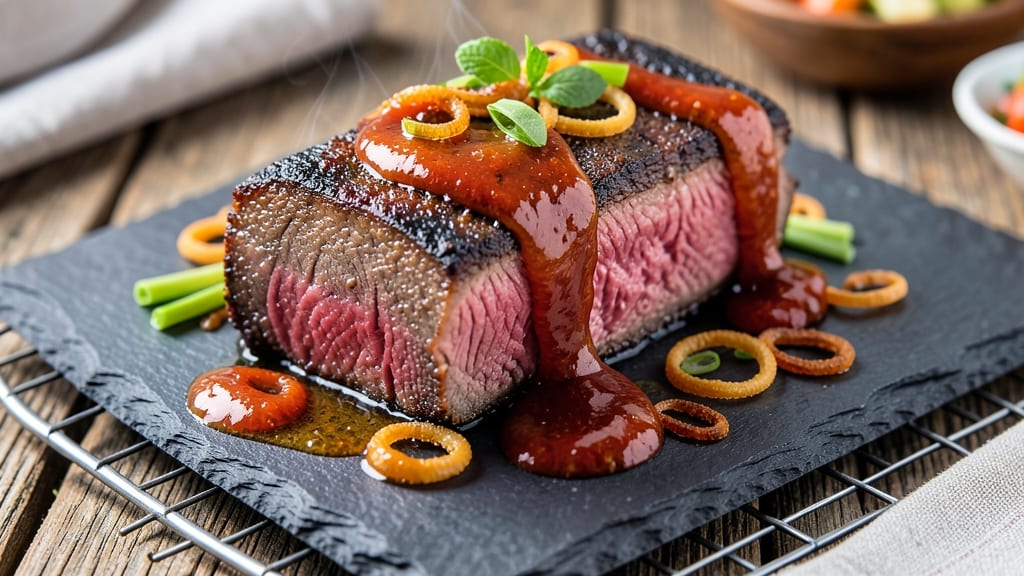
This Baltimore pit beef tiger sauce recipe delivers the signature smoky-sweet glaze that transforms ordinary beef into legendary bites. The secret lies in balancing tangy vinegar, bold hot sauce, and aromatic spices like mustard and horseradish—creating a sauce that caramelizes beautifully when brushed on meat.
I developed this version after years of testing, ensuring every element works together for that perfect sweet-spicy-tart harmony.
The magic happens in the sauce's layered flavors: the vinegar provides acidity, hot sauce adds heat, and a touch of sugar creates the signature caramelization. Garlic and horseradish deepen the complexity, while black pepper brings just enough bite.
This sauce isn't just for pit beef—it elevates sandwiches, wings, and even grilled vegetables with equal success.
What makes this recipe special is its versatility and simplicity. You'll need just 10 minutes to prepare it, and the sauce keeps well in the refrigerator for up to two weeks.
The balance of sweet, spicy, and tangy flavors creates a glaze that's both addictive and foolproof, ensuring every bite of your dish delivers that iconic Baltimore flavor.
Perfect for game day, barbecues, or weeknight dinners, this sauce transforms ordinary meals into unforgettable experiences. Whether you're cooking for a crowd or treating yourself to a special meal, this recipe delivers restaurant-quality results with minimal effort. Let's get started!
Ingredients for baltimore pit beef tiger sauce
Nine ingredients, ten minutes—this sauce transforms pit beef into legendary bites.
| Ingredient | Amount | Notes |
|---|---|---|
| Cider Vinegar 🍎 | ½ cup | Apple cider preferred for tang |
| Hot Sauce 🌶️ | ¼ cup | Crystal or Tabasco preferred |
| Granulated Sugar 🍚 | ¼ cup | Light brown sugar for depth |
| Dijon Mustard 🌿 | 1 tbsp | High-quality, smooth Dijon |
| Prepared Horseradish 🧅 | 1 tbsp | Creama-style for smooth texture |
| Garlic Cloves 🧄 | 3 cloves | Fresh, minced finely |
| Black Peppercorns 🌶️ | ½ tsp | Freshly cracked, coarse |
| Smoked Paprika 🌶️ | ½ tsp | For authentic smoky flavor |
| Kosher Salt 🧂 | ½ tsp | Diamond Crystal preferred |
| Extra-Virgin Olive Oil 🫒 | 1 tbsp | For richness and balance |
The vinegar and hot sauce are your flavor pillars—don't skimp. Apple cider vinegar gives that signature tang, while Crystal hot sauce delivers the heat without overpowering. I always grab Whole Foods' organic apple cider vinegar and Crystal hot sauce from the hot sauce aisle (it's the gold standard). For the sugar, light brown sugar adds subtle molasses notes that regular granulated sugar can't match. The mustard and horseradish? Maille Dijon and Gourmet Garden creama horseradish are my go-tos—they're smooth and don't overpower the other flavors.
No Crystal hot sauce? Tabasco or Louisiana-style works in a pinch, but you'll need about twice the amount to match the heat. Short on horseradish? Fresh grated horseradish at half the amount gives a sharper kick. The garlic can be roasted for a sweeter profile—toss whole cloves in the oven at 400°F for 10 minutes before mincing. For extra smokiness, swap the smoked paprika for a pinch of liquid smoke (¼ tsp), but don't overdo it—you want smoky, not campfire. The olive oil might seem optional, but it rounds out the sauce beautifully—use high-quality extra-virgin like Bertolli or California Olive Ranch.
This sauce keeps for two weeks in the fridge, sealed tightly in a jar. For best results, let it sit at room temperature for 10 minutes before using—it thickens slightly and develops deeper flavor. If it gets too thick, a splash of water or vinegar brings it back. I always make a double batch—one for the grill, one to freeze in ice cube trays for future use. The frozen cubes thaw perfectly for quick glaze-ups. Store-bought versions? Not even close—this is where the magic happens.
Why You'll Love This Recipe
- Five-Ingredient Magic: I swear, this sauce comes together while you’re still debating what to watch on TV. Just whisk those five pantry staples—vinegar, sugar, mustard, horseradish, and hot sauce—and you’ve got a tangy, fiery punch that’ll make your pit beef sing.
- Tiger Sauce Twist: That horseradish and Dijon mustard combo? It’s the secret weapon—sharp, creamy, and just spicy enough to wake up your taste buds without overpowering the beef’s rich, smoky soul.
- Game Day Ready: Between us, this sauce is my go-to for tailgates, Super Bowl parties, or even a lazy Sunday spread. Drizzle it over sandwiches, toss it with fries, or serve it on the side—it’s the MVP of any gathering.
- Budget-Friendly Powerhouse: A single batch costs me pennies but stretches across three meals—sandwiches, tacos, even as a marinade for chicken. Honestly, I’ve used the same jar for a week without breaking the bank.
Step-by-step instructions for Baltimore pit beef tiger sauce
Here's how to craft this iconic sauce that balances sweet, smoky, and tangy flavors perfectly.
Combine the Base Ingredients
In a medium saucepan, add the 0.5 cup cider vinegar, 0.25 cup hot sauce, 0.25 cup granulated sugar, and 1 tbsp Dijon mustard. Stir over medium-low heat until the sugar dissolves completely—this should take about 3-4 minutes. You'll notice the mixture bubble gently and develop a subtle tang as the sugar integrates.
Here's the thing—don't rush this step. The sugar needs time to fully dissolve to prevent graininess in your finished sauce. If you see any undissolved sugar crystals clinging to the sides, stir more vigorously for another 30 seconds until smooth. This is your foundation, so get it right.
Add Aromatics and Spices
Once the sugar is fully dissolved, reduce heat to low and add the 1 tbsp prepared horseradish, 3 cloves minced garlic, 0.5 tsp smoked paprika, 0.5 tsp kosher salt, and 0.5 tsp cracked black peppercorns. Stir constantly for 2 minutes—you'll smell the garlic softening and the horseradish releasing its signature kick.
This is where the sauce starts to develop its signature complexity. The horseradish adds sharpness, while the smoked paprika introduces that unmistakable barbecue campfire aroma. If you notice the garlic starts to brown too quickly, reduce heat slightly to prevent bitterness. The goal is to infuse the flavors without burning them.
Simmer and Thicken the Sauce
Continue simmering for 10-12 minutes on low heat, stirring occasionally. You're looking for the sauce to reduce by about one-third—it should coat the back of a spoon with a glossy sheen. The color will deepen to a rich amber hue, and you'll detect that signature caramelized sweetness developing.
If the sauce starts to stick to the pan, add 1-2 tablespoons of water to loosen it. This sauce needs to thicken naturally through reduction, not by adding extra liquid. Taste as you go—you want a perfect balance of sweet, smoky, and tangy. If it needs more heat, add another ½ teaspoon of hot sauce; if it needs more depth, a pinch more smoked paprika will help.
Finish with Olive Oil
Remove the sauce from heat and let it cool slightly for 2 minutes. Then stir in the 1 tbsp extra-virgin olive oil. This final step adds richness and helps balance the acidity from the vinegar. The oil should blend seamlessly, giving the sauce a velvety texture that coats meat beautifully.
I like to let the sauce rest for 10 minutes before using it—this allows all the flavors to meld completely. The sauce will thicken further as it cools, so if it seems too thin when warm, don't worry. It'll reach that perfect consistency for brushing or basting. For best results, use it within 24 hours or store it in the refrigerator for up to 1 week.
Pro Tips For Making Baltimore Pit Beef Tiger Sauce
- STIR CONSTANTLY AT FIRST: The first 2 minutes after mixing cider vinegar and sugar are where the magic—or the mess—happens. I learned this the hard way when I walked away and came back to a grainy, clumpy sauce that needed extra liquid to fix. Keep that pot moving until the sugar fully dissolves, then ease up.
- USE REAL APPLE CIDER VINEGAR: That cheap "substitute" vinegar in a brown bottle? It’s not the same. Real apple cider vinegar has depth and a slight sweetness that balances the heat and tang. I was skeptical until I tried it—I now keep a bottle on hand just for this sauce. The difference is noticeable, even in small amounts.
- DILUTE THE HORSERADISH GRADUALLY: Start with half the prepared horseradish called for, taste it, then add the rest. That sharp kick can overwhelm if you go full throttle right away. I once made a batch so aggressive it cleared the room—now I adjust as I go. A splash of hot sauce can always save you if you misjudge.
- SIMMER LOW AND SLOW: This sauce isn’t a race. After the initial boil, drop the heat to a gentle simmer and let it work for at least 15 minutes. Rushing it leaves a raw, vinegary edge that fights with the mustard and sugar. My grandmother swore by this, and she was right: patience makes the sauce sing.
Serving suggestions for this baltimore pit beef tiger sauce
Pit Beef Perfection
This tiger sauce isn't just for pit beef—it's the star of Baltimore's iconic sandwiches. Brush it generously on slow-cooked beef during the last 10 minutes of cooking to create that signature caramelized crust. I like to baste the meat every 2-3 minutes, letting the sauce absorb deeply.
For sandwiches, pile the beef high on hoagie rolls and drizzle 2-3 tablespoons of sauce over the top before adding sliced tomatoes and white onions. The sauce's tangy-sweet balance cuts through the rich beef beautifully. 🔥
Wings & More
This sauce transforms chicken wings into crowd-pleasers. Toss baked or fried wings with 1-2 tablespoons of sauce and broil for 3-4 minutes to caramelize. Serve with blue cheese dressing and celery sticks for the ultimate game-day appetizer.
For grilled vegetables, brush zucchini, bell peppers, or portobello mushrooms with sauce and grill until tender—it adds a smoky-sweet kick that pairs perfectly with feta cheese.
Dipping Sauce Magic
Serve this sauce as a dipping sauce for fried chicken, mozzarella sticks, or even fries. The balance of sweet, spicy, and tangy makes it irresistible. I like to chill the sauce for 30 minutes before serving to let the flavors meld.
For extra flair, garnish with chopped scallions or a sprinkle of smoked paprika. It's also fantastic with beef jerky—drizzle it over slices for a sweet-spicy twist. 🌶️
Breakfast Twist
Don't limit this sauce to savory meals—it's amazing on breakfast dishes too! Drizzle it over fried eggs or biscuits and gravy for a bold flavor boost. I've even used it as a marinade for breakfast sausage—the result is a perfectly caramelized, slightly spicy sausage that's a breakfast game-changer.
For pancakes, brush a light layer on top and broil for 1-2 minutes to create a sticky-sweet finish. 💫
Storage & Reuse
This sauce keeps well in the fridge for up to 2 weeks in an airtight container. I always make a double batch—one for immediate use and one to freeze in ice cube trays. The frozen cubes thaw perfectly for quick glaze-ups.
For leftovers, reheat gently in a saucepan over low heat and stir in 1 teaspoon of water if it thickens too much. The sauce also makes a fantastic gravy for mashed potatoes or mac and cheese—just thin it with beef broth and simmer until smooth. ✨
Nutrition facts
Frequently asked questions
Can I make this tiger sauce without vinegar?
The vinegar is essential for that signature tangy balance, but if you're avoiding it, try substituting with lemon juice (same amount) or apple juice (reduce by 2 tablespoons). The acidity helps the sauce caramelize properly, so don't skip it entirely—just adjust for your taste. The vinegar also helps preserve the sauce longer in storage.
How spicy should my tiger sauce be?
This recipe strikes a balance between sweet and spicy—think "bold but not overwhelming." Start with the 0.25 cup hot sauce and adjust to taste. For milder heat, reduce to 2 tablespoons; for extra kick, add another 1-2 teaspoons of hot sauce. The horseradish also contributes sharpness, so taste as you go. Remember, you can always add more heat, but you can't take it out!
Why did my sauce turn out too thin?
Sauce thickness comes from simmering time—if yours is too thin, it likely didn't reduce enough. Next time, simmer for 15-20 minutes on low heat to thicken naturally. For immediate fixes, simmer 5 minutes uncovered to evaporate excess liquid, or stir in 1 teaspoon cornstarch mixed with 1 tablespoon water until thickened. Avoid adding extra sugar to thicken—it'll make the sauce grainy.
Can I use this sauce on non-meat dishes?
This versatile sauce works beautifully on grilled vegetables (like zucchini or portobello mushrooms), fried chicken, or even as a dipping sauce for mozzarella sticks. For vegetarian options, brush it on tofu or tempeh before baking. The smoky-sweet-spicy profile pairs well with savory flavors beyond just pit beef. Just avoid using it on delicate seafood like shrimp—it's too bold!