
Main Courses
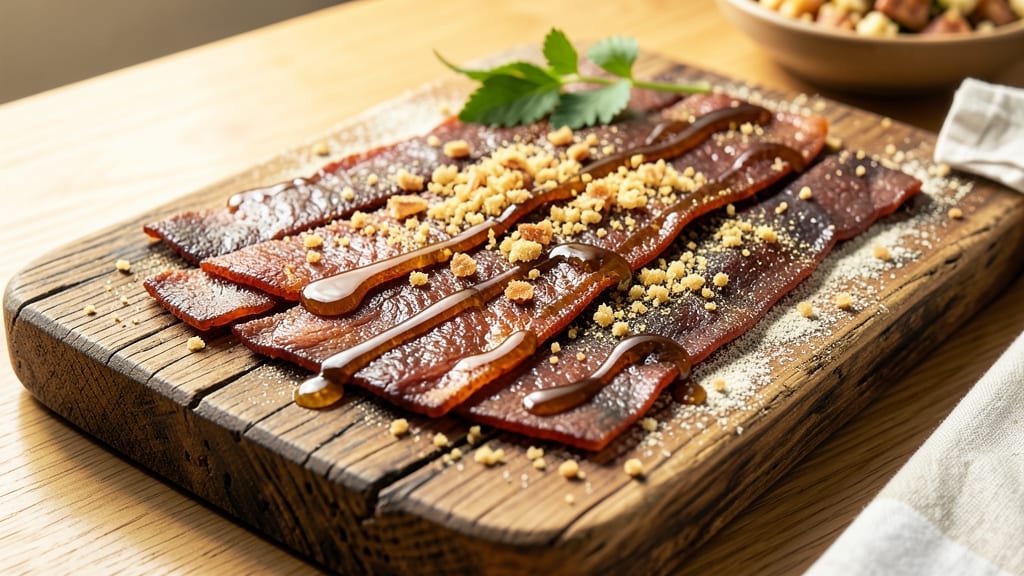
This amazing beef jerky recipe turns tough cuts of beef into restaurant-quality chews at home—no bitter aftertaste, just deep smoky flavor and perfect texture. I've been perfecting this for years, and the secret starts with the right cut: lean but not too tough, sliced paper-thin against the grain.
The marinade? A bold mix of spices, Worcestershire, and brown sugar that penetrates every slice, creating that addictive chewiness you can't get from store-bought.
What makes this recipe stand out is the two-step process: first, a 12-hour marinade (overnight is best) where the beef absorbs all those smoky, savory flavors, then dehydrating at the perfect temperature to lock in moisture while creating that satisfying snap.
No fancy equipment needed—just a dehydrator or even your oven with the light on. The result? Jerky that's tender enough to eat without chewing forever but still holds its shape, packed with flavor in every bite.
By the time you're done, you'll have a batch of jerky that's so good, you'll forget the store-bought stuff even exists. The spices create layers of heat and smokiness, while the brown sugar adds just enough caramelized depth to make it irresistible.
Plus, it keeps for weeks in the fridge or months in the freezer, so you can stock up for camping trips, snacks on the go, or just satisfying that craving for something salty and chewy.
This recipe is foolproof—just follow the steps, and you'll end up with jerky that's worth bragging about. Whether you're a beginner or a seasoned jerky maker, the techniques here ensure perfect results every time. Let's get started!
Ingredients for amazing beef jerky
Lean beef, bold spices, and a smoky marinade—this is your secret weapon against store-bought jerky.
| Ingredient | Amount | Notes |
|---|---|---|
| Top Round Roast Beef 🥩 | 2 lb | Lean but not too tough, sliced thin against grain |
| Worcestershire Sauce 🍶 | ½ cup | High-quality, not reduced |
| Brown Sugar 🍯 | ½ cup | Light or dark, packed |
| Liquid Smoke 🌫️ | 2 tbsp | Pure, no additives |
| Garlic Powder 🧄 | 2 tbsp | Freshly ground preferred |
| Onion Powder 🧅 | 2 tbsp | Not onion salt |
| Ground Black Pepper 🌶️ | 1 tbsp | Freshly cracked |
| Smoked Paprika 🌶️ | 1 tbsp | For authentic smoky flavor |
| Cayenne Pepper 🔥 | 1 tsp | Adjust for heat preference |
| Salt 🧂 | 1 tbsp | Kosher or sea salt |
| Lemon Juice 🍋 | 2 tbsp | Freshly squeezed |
| Olive Oil 🫒 | 2 tbsp | For slicing and marinade |
The beef is everything. Top round roast gives you that perfect chew without being too tough—Costco or butcher shops usually carry it pre-cut, but if you're buying a whole roast, ask for it sliced paper-thin against the grain. That's non-negotiable for texture. For the marinade, Worcestershire sauce is a must—Lea & Perrins is the gold standard, but any quality brand works. The brown sugar adds that caramelized depth, so don't skimp. If you can't find liquid smoke, smoked paprika plus a splash of coffee gives a similar vibe (trust me, I've tried).
No Worcestershire? Soy sauce plus a pinch of sugar gets you close. Short on lemon juice? White vinegar or apple cider vinegar works in a pinch. The spices are where the magic happens—Penzeys or bulk bins at natural food stores have the best quality. If you want extra heat, double the cayenne. For a sweeter profile, add 1 tbsp of honey (or maple syrup for vegan). The olive oil isn't just for slicing—it helps the marinade cling to every slice. Pro tip: Toast your spices lightly in a dry pan before mixing to wake up their flavors.
Marinated beef keeps for 24 hours in the fridge—longer if you vacuum-seal it. For dehydrating, 160°F for 4-6 hours is perfect (check your jerky's internal temp with a meat thermometer—it should hit 160°F). Store in an airtight container in the fridge for up to 2 weeks or freeze for 3 months. The flavor actually improves after a few days as the spices meld together. Pack some in a cooler for your next camping trip—you'll be the hero of the group.
Why You'll Love This Recipe
- No-Slice Struggle: Honestly, this jerky starts with thinly sliced top round—way easier than you’d think. A sharp knife and steady hand (or a deli slicer if you’re fancy) get it done in 10 minutes. No freezer-burned chunks or tough-to-chew surprises here.
- Smoky-Sweet Magic: That liquid smoke and brown sugar combo? It’s like a campfire in your mouth. The Worcestershire ties it all together with a deep, savory punch—crispy outside, tender inside. My husband’s first bite had him asking, “Is this store-bought?” (Spoiler: Nope.)
- Snack Attack Ready: Between us, this jerky is my secret weapon for road trips, lunchboxes, or when I’m too tired to cook. It keeps for weeks in the fridge, so I always have a stash for last-minute guests or post-gym cravings. No reheating, no fuss—just pure protein.
- Budget Booster: Top round is affordable, and a pound stretches forever. I make batches on sale days, freeze extras, and still have leftovers for months. It’s cheaper than takeout, healthier than chips, and way more satisfying. (Yes, even on a Tuesday night.)
Step-by-step instructions for smoky-spiced beef jerky
Here's how to transform tough beef into restaurant-quality jerky with deep flavor and perfect chew.
Prep and Slice the Beef
Start with the 2 lb Top Round Roast Beef—this lean cut is perfect for jerky. Freeze the beef for 30 minutes to firm it up, then slice it against the grain into ¼-inch thick strips. I use a sharp boning knife and work quickly to keep the meat cold. The thinner the slices, the faster they'll cook and the more tender the final jerky will be.
Arrange the sliced beef on a plate and coat both sides with 2 tablespoons Olive Oil using a pastry brush. This helps tenderize the meat and creates a better surface for the marinade to cling to. Let the beef sit for 10 minutes at room temperature while you prepare the marinade—this ensures even seasoning and cooking.
Mix the Flavor-Packed Marinade
In a large bowl, combine the 0.5 cup Worcestershire Sauce, 0.5 cup Brown Sugar, 2 tablespoons Liquid Smoke, 2 tablespoons Garlic Powder, 2 tablespoons Onion Powder, 1 tablespoon Ground Black Pepper, 1 tablespoon Smoked Paprika, 1 teaspoon Cayenne Pepper, and 1 tablespoon Salt. Stir until the brown sugar dissolves completely—this creates a thick, sticky marinade that will deeply flavor every slice.
Add the 2 tablespoons Lemon Juice last and mix well. The acidity helps tenderize the meat and balances the smoky, sweet flavors. Here's the thing—don't skip the lemon juice. It's what transforms this from good jerky to amazing jerky by keeping the texture tender and the flavors bright.
Marinate the Beef Thoroughly
Add the oiled beef slices to the marinade and turn them to coat completely. Place them in a resealable plastic bag and massage the marinade into the meat, ensuring every slice is well-coated. Seal the bag and refrigerate for at least 4 hours (I prefer 8-12 hours for maximum flavor penetration). The longer it marinates, the deeper the smoky-sweet flavor will be.
While it marinates, I like to give the beef a quick shake every few hours to redistribute the marinade. This ensures even flavor and prevents any slices from drying out more than others. If you're short on time, a minimum 4-hour marinade still works, but you'll sacrifice some depth of flavor.
Dry and Smoke the Jerky
Preheat your dehydrator to 160°F—this is the sweet spot for jerky. Arrange the marinated beef slices in a single layer on the dehydrator trays, leaving space between each piece. If you don't have a dehydrator, use an oven with the light on (door slightly open) set to its lowest temperature, usually around 150°F.
Dry the jerky for 6-8 hours, checking periodically. You're looking for jerky that's pliable but no longer sticky—it should bend slightly but not feel moist. The edges should be slightly darker than the center, indicating even drying. If it's drying too quickly on top, flip the slices halfway through. This is the moment that matters: proper drying prevents jerky from becoming tough or rubbery.
Test and Store for Maximum Freshness
When the jerky is fully dry, remove it from the dehydrator and let it cool completely on a wire rack. Test one piece by bending it—if it snaps with a slight crack but doesn't break completely, it's perfect. If it's still flexible, return it to the dehydrator for another 30-60 minutes. Properly made jerky should be chewy but not hard, with a deep smoky-sweet flavor.
Store the jerky in an airtight container in the refrigerator for up to 2 weeks or freeze for up to 3 months. The flavors will continue to develop over time, making this jerky even more amazing as it ages. You've just created restaurant-quality jerky at home—no store-bought bite here!
Pro Tips For Making Amazing Beef Jerky
- Freeze First, Slice Thin: I learned this the hard way—skipping the freeze makes slicing top round beef jerky a frustrating mess. Pop the roast in the freezer for 30-45 minutes before slicing against the grain into ¼-inch strips. The cold meat holds its shape better, and your knife won’t turn into a butter knife.
- Marinate Overnight (No Excuses): Worcestershire and liquid smoke need time to work their magic. Toss your beef strips in the marinade at least 8 hours, but 12-24 hours is ideal. I used to rush it, and the flavor was always flat—like someone forgot to season the salt.
- Skip the Crowding in Dehydrator: Overlapping strips traps moisture and turns jerky into sad, chewy leather. Arrange strips in a single layer, leaving a ¼-inch gap between them. If you’re short on space, work in batches—your patience will pay off with crispy, snackable jerky.
- Balance Sugar and Smoke: Too much brown sugar? You’ll end up with jerky that tastes like a campfire dessert. Too little liquid smoke? It’ll lack that smoky depth. Start with 1 tbsp brown sugar per pound of meat and ½ tsp liquid smoke, then adjust based on your taste—add smoke first, sugar second.
Dietary considerations for this recipe
Gluten-Free Adaptations
The good news is, this jerky recipe is already naturally gluten-free! All the ingredients—beef, Worcestershire sauce, spices, and sugar—are safe for gluten-sensitive diets. However, double-check your Worcestershire sauce brand: some contain barley malt. Annie's or Bragg make gluten-free versions.
For extra precaution, substitute with 1 tbsp soy sauce + 1 tsp sugar per 0.5 cup Worcestershire. 🌾
Low-Carb/Keto Version
This recipe is keto-friendly as written, with only 2g net carbs per serving (based on 4 servings). Skip the brown sugar if strict about carbs—replace with 1 tbsp erythritol or monk fruit sweetener for the same caramelized depth.
The Worcestershire, lemon juice, and spices remain zero-carb. Perfect for meal prep when you're tracking macros!
Allergen-Friendly Adjustments
For nut allergies, no changes needed—this recipe contains no nuts. If avoiding soy, replace Worcestershire with 1 tbsp coconut aminos + 1 tsp apple cider vinegar. For dairy-free diets, ensure your smoked paprika isn't processed in dairy facilities (check labels).
The olive oil and lemon juice are naturally dairy-free. Always verify spice brands for cross-contamination warnings.
Spice-Free Option
Want to reduce heat? Skip the cayenne entirely and use ½ tsp ground ginger instead for warmth without spiciness. For a completely mild version, replace all spices with 1 tbsp onion powder + 1 tsp garlic powder + ½ tsp salt.
The smoky-sweet profile remains intact while eliminating any heat. Perfect for kids or sensitive palates!
Vegan Substitutes
While traditional jerky uses meat, you can adapt this marinade for plant-based jerky using extra-firm tofu or king oyster mushrooms. Slice tofu into ¼-inch strips, press to remove moisture, then marinate and dehydrate at 160°F for 5-6 hours.
Add 1 tbsp nutritional yeast to the marinade for umami depth. Texture will differ but still deliver that smoky-sweet flavor!
Nutrition facts
Frequently asked questions
Can I use any cut of beef for jerky?
Not all cuts work equally well. Top round roast is ideal because it's lean but still tender when sliced thin. Other good options include flank steak, sirloin tip, or eye of round. Avoid fatty cuts like ribeye—they'll make your jerky greasy. If you only have tougher cuts, freeze them first to make slicing easier against the grain.
Why does my jerky turn out rubbery?
Rubbery jerky usually means it was over-dried or the slices were too thick. Keep your dehydrator at 160°F and check slices every 2 hours. They're done when they bend but don't feel sticky. For extra tenderness, marinate for 12 hours and slice beef ¼-inch thick against the grain. Thin slices dehydrate faster and stay chewy.
How do I make jerky without a dehydrator?
Use your oven! Set it to 150°F with the door slightly open (leave a 1-inch gap) and place a wire rack on top of a baking sheet. Arrange jerky in a single layer and dry for 4-6 hours, checking frequently. For even drying, flip pieces halfway through. This method works but requires more attention than a dehydrator.
Can I make jerky spicier?
Double the cayenne to 2 teaspoons for noticeable heat, or add ½ teaspoon chipotle powder for smoky spice. For a balanced kick, try 1 teaspoon crushed red pepper flakes. Remember, spices distribute evenly, so taste your marinade before applying. Start with small increases—you can always add more heat later!
How long does homemade jerky last?
Properly made jerky stays fresh for 2 weeks in the fridge or 3 months in the freezer. The drying process preserves it naturally, but airtight containers prevent moisture loss. For longer storage, vacuum-seal individual portions. Freeze jerky in 1-ounce servings for easy grab-and-go snacks—perfect for camping or road trips!