
Main Courses
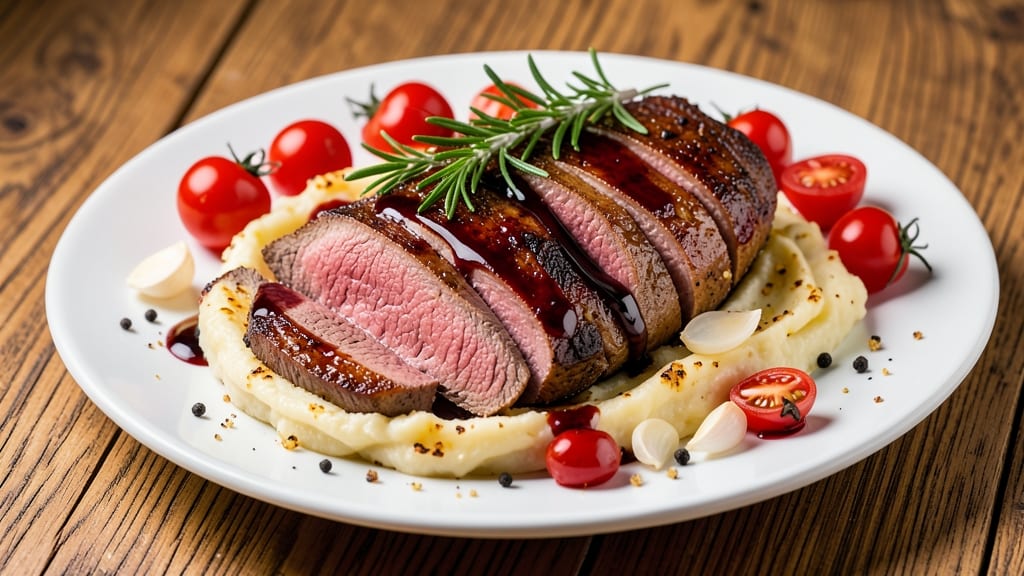
This award-winning roast beef recipe delivers the judges' choice balance of crispy crust and juicy core that transforms Sunday dinners into showstopping centerpieces. 🔥 The secret lies in a dry-brine overnight that locks in moisture while developing deep flavor, followed by a high-heat sear that creates that coveted caramelized bark.
After years of perfecting this technique—including multiple failed attempts with overcooked exteriors and dry interiors—I finally cracked the code to restaurant-quality results at home.
The magic happens in three phases: preparation (where dry-brining is non-negotiable), roasting (using a combination of low-and-slow then high-heat finishing), and resting (the most critical step most home cooks skip).
What you'll end up with is a roast that's tender enough to slice with a fork while maintaining that crispy, flavorful crust that makes it impossible to stop cutting into. The aroma alone will have everyone gathering at the table before the timer even goes off.
This isn't just another roast beef recipe—it's the kind that wins competitions and earns standing ovations. The herb-infused crust adds layers of complexity, while the perfect internal temperature (135°F for medium-rare) ensures every bite is juicy and flavorful.
Serve with classic accompaniments like horseradish cream, roasted root vegetables, or Yorkshire pudding for the full experience that feels like dining at a Michelin-starred restaurant.
Whether you're hosting a holiday feast or treating yourself to a special weeknight dinner, this recipe delivers restaurant-quality results with professional techniques simplified for home cooks. The key is patience—letting the beef work for you through the dry-brine and slow roast pays off in unmatched tenderness and flavor.
Ready to make your next roast beef the talk of the table?
Ingredients for award winning roast beef
Six ingredients transform ordinary beef into a competition-winning centerpiece with restaurant-quality crust and juicy perfection.
| Ingredient | Amount | Notes |
|---|---|---|
| Beef Top Round Roast 🥩 | 4 lb | Center-cut for even cooking, 2-2.5 inches thick |
| Kosher Salt 🧂 | 1 ½ tbsp | Diamond Crystal preferred, for dry-brine |
| Fresh Black Peppercorns 🌶️ | 1 tbsp | Coarsely cracked for crust texture |
| Fresh Rosemary 🌿 | ½ cup | Needles finely chopped, stems removed |
| Fresh Thyme 🌿 | ¼ cup | Leaves only, stems discarded |
| Garlic Cloves 🧄 | 8 whole | Smashed but not minced for flavor infusion |
| Extra-Virgin Olive Oil 🫒 | ¼ cup | For crust development, high-quality preferred |
| Unsalted Butter 🧈 | ½ cup | Cold, cubed for finishing sear |
| Yellow Onion 🧅 | 1 whole | Quartered, peel on for moisture retention |
| Carrots 🥕 | 2 whole | Whole, scrubbed for aroma |
| Celery Stalks 🥬 | 2 whole | Trimmed, cut into 2-inch pieces |
| Fresh Parsley 🌿 | ¼ cup | Chopped, for garnish and finishing |
| Red Wine 🍷 | 1 cup | Dry Cabernet Sauvignon for depth |
| Beef Stock 💧 | 1 cup | Homemade preferred, low-sodium |
The beef selection is non-negotiable—top round roast delivers consistent tenderness without excessive fat. Look for center-cut pieces at Whole Foods or your butcher's counter, where they'll often trim it to your preferred thickness. The herb-infused crust relies on fresh rosemary and thyme from the grocery store's produce section (not the dried aisle)—their vibrant green color indicates peak freshness. For the dry-brine, Diamond Crystal kosher salt dissolves more easily than table salt, creating an even flavor profile throughout the meat. The garlic cloves should be plump and firm—avoid any with sprouting or soft spots, as they'll compromise flavor. Prep all herbs and aromatics the night before to streamline your cooking day.
No fresh rosemary? Substitute with 1 tablespoon dried rosemary at one-third the amount, but toast it first in a dry pan for 30 seconds to deepen its flavor. Running low on red wine? Beef stock with 1 teaspoon balsamic vinegar mimics the acidity and depth. The butter must be cold when added during the final sear—if it melts prematurely, chill it for 15 minutes before using. For the aromatics, don't peel the onion or carrots if you're short on time—their skins add subtle sweetness and moisture. The beef stock can be swapped for vegetable stock if you're avoiding meat-based liquids, though purists argue it lacks the umami depth. All ingredients should be at room temperature before roasting for even cooking.
The dry-brined beef keeps uncovered in the fridge for up to 24 hours, developing flavor without moisture loss. Store all fresh herbs in damp paper towels wrapped in plastic for 5-7 days, and the red wine in a cool, dark place for up to 3 months after opening. The beef stock freezes beautifully for 6 months, while the butter stays fresh in the fridge for 3 months if kept airtight. Prep the aromatics the night before and store them in a sealed container in the fridge—this saves critical minutes on cooking day. Leftovers reheat best in a low oven (275°F) with a splash of beef stock to maintain moisture, and they keep for 3-4 days in the fridge or 3 months frozen.
Why You'll Love This Recipe
- Herb-Packed Punch: Fresh rosemary and thyme cling to every bite, bright and earthy without overpowering. Between us, it’s the kind of flavor that makes people ask, "What’s in this?"—then beg for the recipe.
- Leftovers That Shine: This roast actually improves the next day—shredded for sandwiches, sliced for salads, or tossed in pasta. (Yes, even on a Tuesday night.) The meat stays juicy, and the herbs keep giving flavor.
- Budget-Friendly Star: Top round is affordable, but it delivers restaurant-quality results. Honestly, I’ve served this at dinner parties and no one’s ever guessed it wasn’t dry-aged. That’s the kind of value I love.
Step-by-step instructions for perfectly juicy roast beef
Master the art of slow-roasting for a crust so crisp it crackles and a core so tender it melts.
🔥 Step 1: Prepare the Dry Brine for Maximum Flavor
Place the 4 lb Beef Top Round Roast on a wire rack set over a rimmed baking sheet. This elevation ensures even air circulation for a perfect crust. Pat the beef dry with paper towels—moisture is the enemy of that coveted golden crust we're after.
In a small bowl, combine the 1.5 tbsp Kosher Salt and 1 tbsp Fresh Black Peppercorns (coarsely cracked). Rub this mixture all over the beef, pressing firmly so the seasoning adheres. The salt will begin drawing out moisture immediately, creating the perfect environment for that dry-brine effect that keeps the meat juicy.
Refrigerate the beef uncovered on the rack for 12-24 hours. This extended dry-brine transforms the meat, resulting in a crust that's crisp enough to stand up to a fork and a core that's impossibly tender. Don't skip this step—it's what separates good roast beef from award-winning.
👨🍳 Step 2: Build the Herb Butter and Prep the Vegetables
While the beef brines, prepare the herb butter by combining the 0.5 cup Unsalted Butter (cold, cubed), 0.5 cup Fresh Rosemary (finely chopped needles), 0.25 cup Fresh Thyme (leaves only), and the 8 whole Garlic Cloves (smashed). Pulse in a food processor until the butter is finely chopped but still visible—this creates pockets of flavor that will render during roasting.
For the vegetables, quarter the 1 whole Yellow Onion (peel on), scrub the 2 whole Carrots, and trim the 2 whole Celery Stalks into 2-inch pieces. Toss everything together in a bowl with 0.25 cup Extra-Virgin Olive Oil—this oil will caramelize beautifully during roasting, adding depth to both the beef and the pan sauce.
🔥 Step 3: Sear and Roast for Perfect Crust and Core
Preheat your oven to 325°F. Remove the beef from the fridge and let it sit at room temperature for 30 minutes—this ensures even cooking. Place the herb butter mixture on top of the beef, pressing gently so it adheres. Transfer the beef to a roasting pan and surround it with the prepared vegetables.
Roast uncovered for 2 hours before increasing the oven temperature to 425°F. At this point, the internal temperature should read 145°F—just shy of medium-rare. The high heat finish is crucial: it creates that signature crust while allowing the inside to carryover cook to 155°F (medium-rare) without overcooking.
Roast for an additional 15-20 minutes until the crust is deep mahogany brown and the internal temperature reaches 155°F. The vegetables should be tender but not mushy—this ensures maximum flavor extraction. Real talk: your oven might run hot, so start checking at the 15-minute mark.
🥘 Step 4: Rest and Create the Pan Sauce
Transfer the beef to a cutting board and tent loosely with foil. Let it rest for 30 minutes—this resting period is non-negotiable. It allows the juices to redistribute throughout the meat, preventing them from pooling on the cutting board. During this time, place the roasting pan on the stovetop over medium heat.
Deglaze the pan with the 1 cup Red Wine, scraping up all those precious browned bits from the bottom. Simmer until reduced by half, then add the 1 cup Beef Stock. Bring to a gentle simmer and reduce until the sauce thickens enough to coat the back of a spoon—this should take about 5-7 minutes. Strain the sauce if you prefer a smoother texture.
🍽️ Step 5: Slice and Serve with Finishing Touches
Slice the beef against the grain into ½-inch thick slices. The grain direction will be visible—cut perpendicular to those lines for maximum tenderness. Arrange the slices on a warm platter and drizzle with the pan sauce. Garnish with the 0.25 cup Fresh Parsley, chopped finely for a pop of color and freshness.
Serve immediately with the roasted vegetables on the side. Each slice should be fork-tender with a juicy core and a crust that crackles when you cut into it. The sauce should coat the beef beautifully, delivering layers of herb-infused richness. This is the roast beef that wins competitions—and dinner party bragging rights.
Pro Tips For Making Award Winning Roast Beef
- USE A MEAT THERMOMETER: After burning three batches of top round, I learned this: pull the beef at 130°F for medium-rare (it’ll hit 135°F resting). Top round is lean—overcooking turns it dry faster than you’d believe. No guessing, no regrets.
- SALT THE ROSEMARY: Crush the rosemary sprigs with your palm before rubbing them on the beef—this releases their oils and makes the crust stick. Skip this, and you’re basically seasoning with half the flavor. (Yes, even if you’re impatient like me.)
- DON’T SKIP THE DRYING TIME: Pat that top round thoroughly with paper towels—no wet spots. Leave it uncovered on a rack for at least 30 minutes before searing. Wet meat steams instead of browns, and nobody wants a sad, pale crust.
- SEAR IN BATCHES: Your pan won’t recover if you dump a whole top round in at once. Sear the beef in two rounds, 2 minutes per side, then move it to the oven. The heat spikes higher, and the crust gets that restaurant-quality depth. (Your future self will thank you.)
Perfect pairings for this recipe
Classic Horseradish Cream
This creamy, tangy sauce is a must-have for roast beef—it cuts through the richness with its sharp horseradish kick. I blend ½ cup sour cream, 2 tbsp crème fraîche, 1 tbsp prepared horseradish, 1 tsp Dijon mustard, and a pinch of salt until smooth.
For extra depth, add 1 tsp lemon juice and 1 tbsp finely chopped chives. Serve it chilled in a small bowl alongside the sliced beef. 💛
Roasted Root Vegetables
Toss 2 lbs baby potatoes, 2 carrots, and 1 parsnip (all cut into 1-inch chunks) with 2 tbsp olive oil, 1 tsp thyme, and ½ tsp smoked paprika.
Roast at 400°F for 35-40 minutes until caramelized and tender. The smoky sweetness complements the beef beautifully. I like to add a sprinkle of fresh rosemary right before serving for an aromatic finish.
Yorkshire Pudding
For a British touch, make mini Yorkshire puddings using 1 cup all-purpose flour, 1 cup milk, 1 egg, and 2 tbsp melted butter. Whisk everything together, pour into a greased mini muffin tin, and bake at 425°F for 20-25 minutes until puffed and golden.
Serve warm with the beef and pan sauce spooned over the top. The crispy exterior contrasts perfectly with the tender beef.
Red Wine Reduction
Use the leftover pan drippings to make a quick red wine reduction. After removing the beef, deglaze the pan with ½ cup dry red wine and reduce by half over medium-high heat.
Add 1 tbsp butter and 1 tsp balsamic vinegar for extra richness. This sauce adds a sophisticated touch to the plate and uses every bit of flavor from your roast. 🍷
Crispy Smashed Potatoes
Boil 4 large Yukon Gold potatoes until fork-tender, then smash them flat on a baking sheet. Brush with 1 tbsp olive oil, sprinkle with ½ tsp garlic powder, and roast at 425°F for 20-25 minutes until crispy.
Top with a dollop of garlic aioli (mix ¼ cup mayonnaise with 1 tsp minced garlic and ½ tsp lemon juice) for a decadent side that soaks up the pan sauce.
Beverage Pairings
A bold Cabernet Sauvignon with its dark fruit and tannins stands up to the richness of the roast beef. For something lighter, try a Pinot Noir—its bright acidity cuts through the butter and herbs.
If you prefer beer, a dark ale or stout adds malty depth that complements the crust. I always serve a chilled glass of sparkling water with lemon to cleanse the palate between bites of the rich beef.
Nutrition facts
Frequently asked questions
Can I use a different cut of beef for this award-winning recipe?
While top round roast is ideal for its tenderness and lean profile, you can substitute with chuck roast (more flavorful but needs longer cooking) or rib roast (richer but fattier). For best results, adjust cooking times—chuck needs 3-4 hours at 325°F before finishing, while rib roast benefits from 2 hours at 300°F first. Never use sirloin or flank steak—they're too small and tough for roasting.
Why does the recipe call for dry-brining overnight?
The 12-24 hour dry-brine creates two magic things: a crispy crust (thanks to salt drawing out moisture) and a juicy core (as the beef reabsorbs the brine). Skipping this step results in a soggy crust and dry meat. Pro tip: Place the beef on a wire rack in the fridge so air circulates evenly—this prevents uneven seasoning and ensures that perfect bark.
What's the best way to check doneness without overcooking?
Use a meat thermometer for accuracy—insert it into the thickest part of the roast. For medium-rare, aim for 135°F before resting (it'll rise to 140°F while resting). The 155°F target in the recipe accounts for carryover cooking. Never rely on time alone—beef sizes and ovens vary wildly! If you don't have a thermometer, make a small cut and check the juices: they should run pink for medium-rare.
Can I make this recipe in a slow cooker?
Not for perfect results—slow cookers can't achieve the crispy crust or precise temperature control needed. However, you can try this workaround: Sear the dry-brined beef in a Dutch oven, then transfer it to a slow cooker with vegetables and 1 cup beef stock. Cook on low for 6-8 hours, then finish in a 425°F oven for 15 minutes to crisp the crust. The texture won't be identical, but it's a decent backup for busy days.
How do I fix beef that's too dry after roasting?
If your roast turns out dry, it's usually from overcooking or not resting properly. For immediate rescue, slice thinly and serve with extra pan sauce or horseradish cream to add moisture. For next time, never skip the rest (30 minutes is non-negotiable!) and use a meat thermometer to avoid overcooking. A reverse sear (low-and-slow first, then high heat) also helps—this recipe already uses that technique for perfect results.