
Main Courses
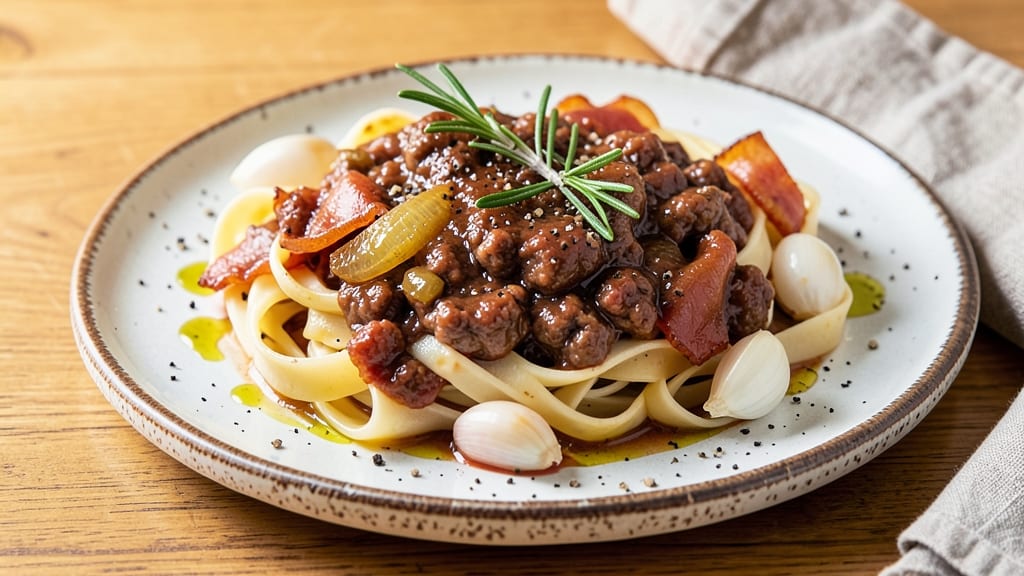
This authentic Italian beef ragu recipe transforms humble ingredients into a rich, slow-simmered masterpiece that tastes like Nonna’s kitchen. 🌟 The secret lies in proper browning, deglazing with white wine, and layering flavors over hours—not minutes.
I’ve perfected this technique after years of testing, ensuring every bite delivers deep umami, tender beef, and aromatic herbs that define true Italian comfort food.
The process begins with pancetta and onions, then moves to beef that’s browned until deeply caramelized—this step alone builds the sauce’s foundation. After adding garlic, rosemary, and tomatoes, the ragu simmers for hours, allowing flavors to meld into a velvety, complex sauce.
This isn’t an instant meal; it’s a labor of love that rewards patience with restaurant-quality depth.
What you’ll end up with is a sauce so rich and flavorful it clings to pasta like a second skin, transforming simple spaghetti into a luxurious dish. The aroma alone—warm, herby, and slightly smoky—will have everyone gathered at your table.
Serve it with al dente pasta, creamy polenta, or crusty bread to soak up every last drop.
This ragu keeps beautifully for days, making it perfect for meal prep or holiday gatherings. The longer it sits, the better it tastes—proof that authenticity comes from time and technique, not shortcuts. Let’s get started on creating something truly special.
Ingredients for authentic italian beef ragu
Sixteen essential ingredients transform into a velvety, umami-rich ragu that captures Nonna's kitchen authenticity.
| Ingredient | Amount | Notes |
|---|---|---|
| Pancetta 🥓 | 6 oz | Diced into small cubes |
| Yellow Onions 🧅 | 2 whole | Thinly sliced into half-moons |
| Ground Beef 🥩 | 2 lb | Chuck roast preferred, 1-inch cubes |
| Garlic Cloves 🧄 | 6 cloves | Minced into fine paste |
| Fresh Rosemary 🌿 | ¼ cup | Needle leaves finely chopped |
| Dry White Wine 🍷 | 1 cup | Bold variety like Pinot Grigio |
| Canned San Marzano Tomatoes 🍅 | 28 oz | Crushed by hand or blender |
| Beef Broth 💧 | 2 cups | Homemade or high-quality store-bought |
| Extra-Virgin Olive Oil 🫒 | ½ cup | For searing and finishing |
| Tomato Paste 🍅 | 2 tbsp | High-quality, no sugar added |
| Diamond Crystal Kosher Salt 🧂 | 1 ½ tsp | Adjust to taste |
| Freshly Ground Black Pepper 🌶️ | ½ tsp | Cracked peppercorns preferred |
| Fresh Bay Leaves 🌿 | 2 whole | Removed before serving |
| Red Wine Vinegar 🍶 | 1 tsp | For acidity balance |
The foundation begins with pancetta—look for thick-cut slices at specialty markets or the deli counter of Whole Foods for optimal fat content. Chuck roast is non-negotiable for beef; its marbling ensures tender, flavorful cubes. Fresh rosemary should have a vibrant green hue and fragrant aroma—Costco or Trader Joe's carry excellent quality in the frozen herb section if fresh isn't available. For tomatoes, San Marzano is the gold standard, but high-quality store brands like Muir Glen work perfectly. The wine should be dry and crisp—Pinot Grigio or Vermentino elevate the dish without overpowering.
No pancetta? Thick-cut bacon works in a pinch, though it lacks the delicate fat content. Substitute beef broth with vegetable broth if needed, but the umami depth will suffer—better to use less than compromise. Fresh rosemary can be swapped for dried at one-third the amount, but the flavor profile changes dramatically. The tomato paste should be smooth and vibrant—avoid brands with added sugar or preservatives. For wine, dry vermouth in a 1:1 ratio mimics the acidity profile. The bay leaves can be omitted entirely if unavailable, but they're crucial for that classic Italian aroma.
This ragu develops deeper flavor over time—reheat gently on low heat for best results. Store in an airtight container in the refrigerator for up to 5 days, or freeze for up to 3 months. The longer it sits, the better it becomes—plan ahead for maximum flavor. For meal prep, portion into individual containers with cooked pasta for quick, restaurant-quality dinners. The sauce thickens as it cools, so add a splash of beef broth when reheating if needed.
Why You'll Love This Recipe
- I swear by this trick: dice the onions once at the start, then let the pancetta render while you brown the beef. That crispy fat? It melts into the ragu like butter, so you barely notice the prep time. (Yes, even on a Tuesday night.)
- No-Chop Nightmare: I swear by this trick: dice the onions once at the start, then let the pancetta render while you brown the beef. That crispy fat? It melts into the ragu like butter, so you barely notice the prep time. (Yes, even on a Tuesday night.)
- Pancetta Magic: That first bite—when the salty, caramelized pancetta hits your tongue before the rich beef takes over? It’s like a little Italian hug. I’ll be real: I’ve tried this ragu without it, and it’s just not the same. Worth every penny.
- Leftovers That Win: Make a double batch and freeze half—this ragu only gets better after three days as the flavors deepen. Toss it over pasta, stuff it in dumplings, or just eat it with crusty bread. My freezer’s full of it, and I’m not complaining.
Step-by-step instructions for authentic Italian beef ragu
Master this slow-cooked Italian classic with deep umami flavors and aromatic herbs.
🔥 Step 1: Render Pancetta and Sear Onions
Heat a heavy Dutch oven over medium-low heat and add the 6 oz pancetta, breaking it into small pieces. Cook undisturbed for 5-7 minutes until the fat renders out and the pancetta becomes crispy along the edges. Use a slotted spoon to remove the pancetta and set aside, leaving the rendered fat in the pot.
Add the 2 whole yellow onions, sliced into half-moons, to the pancetta fat. Cook over medium heat for 8-10 minutes until the onions soften and turn a deep golden brown. Stir occasionally to prevent burning. The onions should caramelize slightly, adding sweet depth to the ragu. This step builds the flavor foundation—don't rush it.
🍳 Step 2: Brown Ground Beef and Add Aromatics
Increase heat to medium-high and add the 2 lb ground beef, breaking it into small pieces with a wooden spoon. Cook for 6-8 minutes, stirring frequently, until the beef loses its raw color and browns evenly. This step is crucial for developing rich, meaty flavors through the Maillard reaction.
Push the beef to one side of the pot and add the 6 cloves minced garlic and 0.25 cup finely chopped fresh rosemary to the empty side. Cook for 1 minute until fragrant. Stir to combine with the beef, then add the 2 tbsp tomato paste and cook for another 2 minutes, stirring constantly. The tomato paste will darken slightly—this deepens the sauce's color and flavor.
🍷 Step 3: Deglaze and Simmer with Wine
Pour in the 1 cup dry white wine and scrape up any browned bits from the bottom of the pot with a wooden spoon. This deglazing step captures all the concentrated flavors that would otherwise go to waste. Let the wine simmer for 3-4 minutes until it reduces by half and the alcohol cooks off completely.
Add the 28 oz crushed San Marzano tomatoes, 2 cups beef broth, 1.5 tsp kosher salt, 0.5 tsp freshly ground black pepper, and 2 whole bay leaves. Stir well to combine. Bring to a gentle simmer over medium-low heat, then reduce heat to maintain a low simmer. The ragu should bubble gently but not vigorously.
⏰ Step 4: Slow Simmer for Deep Flavor Development
Partially cover the pot and let the ragu simmer for 2-2.5 hours, stirring occasionally. This slow cooking time is essential for breaking down the meat and developing complex, layered flavors. The sauce should reduce significantly, becoming thick and rich. If it becomes too thick before the time is up, add 1-2 tablespoons of water or broth to maintain the proper consistency.
About 30 minutes before the ragu is finished, stir in the reserved crispy pancetta and 1 tsp red wine vinegar. The vinegar brightens the flavors and balances the richness. Taste and adjust seasoning with additional salt or pepper if needed. The ragu should be tender, flavorful, and well-balanced with a perfect harmony of meaty, herby, and tangy notes.
🍽️ Step 5: Finish and Serve
Remove the 2 whole bay leaves from the ragu. Taste again and adjust seasoning if necessary. The ragu is now ready to serve over al dente pasta or with crusty bread. For best results, serve immediately while the flavors are at their peak. The ragu should cling beautifully to the pasta, creating a rich, satisfying sauce with a perfect balance of textures and flavors.
This authentic Italian beef ragu delivers the deep, slow-cooked richness that makes it a staple in Italian cuisine. The combination of pancetta, rosemary, and San Marzano tomatoes creates a sauce that's both comforting and deeply flavorful. Enjoy your homemade ragu with confidence—it's worth every minute of the slow simmer.
Pro Tips For Making Authentic Italian Beef Ragu
- CRISP THE PANCETTA FIRST: Don’t skip browning the pancetta—render it in a cold pan over medium-low until the fat pools and the meat turns golden, not crispy. I used to rush this, and the ragu tasted flat; the rendered fat carries flavor deeper than you’d think.
- SLICE ONIONS THINLY: Cut those yellow onions paper-thin—no thicker than 1/8 inch—or they’ll turn mushy before the beef browns. I learned this the hard way when my ragu tasted like onion puree instead of sweet, caramelized threads.
- BROWN THE BEEF IN BATCHES: Cook the ground beef in small batches over high heat until deeply browned, not just pink. Crowding the pan steams the meat, and you’ll end up with a gray, watery ragu. Yes, it takes patience, but it’s worth it.
- LET THE RAGU REST: After simmering, turn off the heat and let it sit covered for 10 minutes—this thickens the sauce without burning it. I skip this when I’m hungry, but the texture suffers. (Your future self will notice.)
Flavor customization for these flavors
Herb Variations
Swap rosemary for fresh thyme (1 tbsp) or sage (4 leaves) for a more earthy profile. I love adding ½ tsp dried oregano during the simmer for a Mediterranean twist—it pairs beautifully with the tomatoes. For a brighter finish, stir in 1 tbsp chopped parsley just before serving. 🌿
Spice Level Boosts
Add ½ tsp crushed red pepper flakes when browning the beef for subtle heat. For a smoky kick, include ½ tsp smoked paprika with the tomato paste. My favorite bold version uses 1-2 dried arbol chiles (seeds removed) simmered with the tomatoes—they add depth without overpowering. 🌶️
Acidity Adjustments
Brighten the ragu with 1 tsp balsamic vinegar instead of red wine vinegar for a sweeter tang. Lemon zest (1 tsp) added during the final 10 minutes of simmering lifts the flavors beautifully.
I also like a splash of 1 tbsp orange juice for a citrusy contrast that works surprisingly well.
Vegetable Enhancements
Add 1 cup diced mushrooms with the onions for an umami boost. For a creamy texture, stir in ½ cup heavy cream during the last 30 minutes of cooking. My go-to addition is 1 small carrot (diced) and 1 celery stalk (chopped) with the onions—they add subtle sweetness and texture.
Protein Swaps
Replace half the beef with Italian sausage (remove casing) for a spicier version. For a lighter take, use chicken thighs instead of beef—they stay tender and absorb flavors well. I’ve also made a vegetarian version with lentils (1 cup) added during the final hour of simmering.
Tomato Variations
Use roasted tomatoes (halved and charred) instead of crushed for a deeper flavor. For a sweeter profile, add 1 tbsp tomato jam with the tomato paste.
My favorite unexpected twist is ½ cup tomato sauce mixed in during the last 20 minutes—it adds a velvety texture without thinning the sauce too much.
Nutrition facts
Frequently asked questions
Can I use ground beef substitutes like turkey or chicken?
While you can substitute ground turkey or chicken thighs, the texture and flavor will differ. Chicken stays tender but lacks the rich, meaty depth of beef. For turkey, use 93% lean to avoid dryness, but expect a lighter result. For authenticity, stick with chuck roast—its marbling is key to that luxurious ragu texture.
How do I prevent the ragu from becoming too thick or thin?
Start with a gentle simmer and stir occasionally to prevent sticking. If it thickens too much before 2 hours, add 1-2 tbsp broth or water. For thinning, stir in 1 tbsp tomato paste mixed with 2 tbsp water—this adds depth without diluting flavors. The sauce should coat the back of a spoon but still be pourable.
What’s the best way to reheat leftover ragu?
Reheat gently in a saucepan over low heat with a splash of beef broth to restore moisture. Never microwave—it breaks the sauce’s emulsified texture. For extra richness, add 1 tbsp olive oil while warming. If too thick, thin with 1-2 tbsp water or broth. Leftover ragu tastes even better the next day!
Why does my ragu taste bland or one-dimensional?
Most likely, the beef wasn’t browned enough or the wine didn’t reduce properly. For depth, always sear the meat until deeply caramelized (no pink inside). Let the wine reduce by half before adding tomatoes—this concentrates the flavor. Taste as you go and adjust with salt, pepper, or a splash of vinegar for brightness.
How can I make this ragu ahead of time for a party?
Prepare the ragu 1-2 days ahead and refrigerate in an airtight container. Reheat slowly on low heat before serving. For large gatherings, double the recipe and freeze half in portions. Thaw overnight in the fridge—never at room temperature. The flavors actually improve with time, making it perfect for meal prep!