
Main Courses
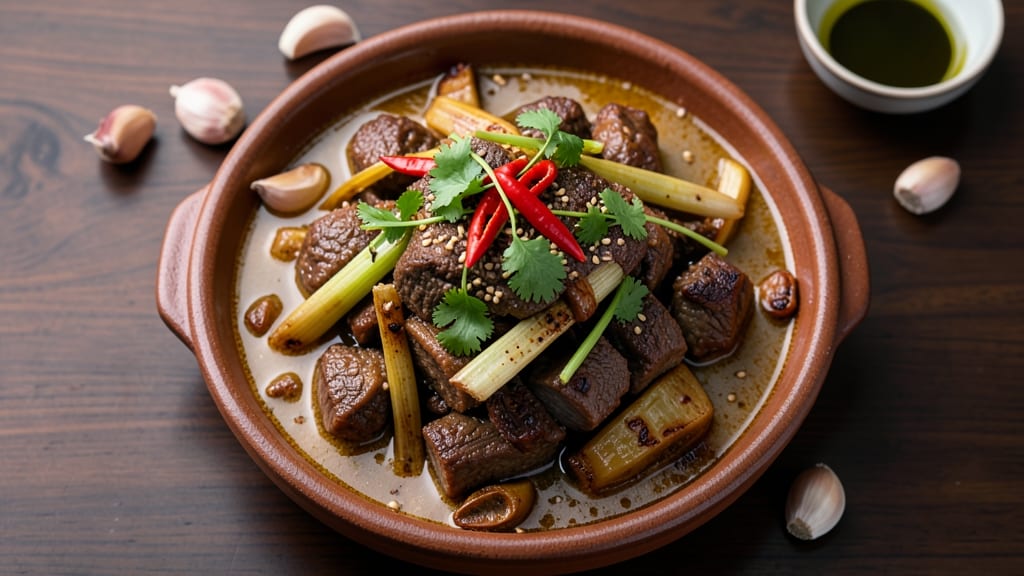
This authentic Indonesian beef rendang recipe delivers the rich, complex flavors of Sumatra’s most beloved dish—slow-cooked until the meat falls apart and the coconut milk reduces into a fragrant, caramelized sauce.
The secret lies in the spice paste, where turmeric, lemongrass, and galangal create layers of warmth that penetrate every bite.
Unlike quick versions, this method requires patience, but the result is worth it: tender beef bathed in a sauce that’s both sweet and savory, with just the right balance of heat.
The key to authenticity is layering flavors through slow cooking—typically 4 to 6 hours—until the sauce thickens and the spices meld into a harmonious blend. Traditional recipes call for coconut milk, but the real magic happens when it reduces into a glossy, slightly sticky glaze that clings to the meat.
The spices, toasted and ground into a paste, transform ordinary beef into something extraordinary, with deep umami notes that linger long after the last bite.
What sets this rendang apart is its versatility—serve it with steamed jasmine rice to soak up every last drop of sauce, or pair it with ketupat (rice cakes) for a true Indonesian feast.
The slow-cooked method ensures the beef is fork-tender, while the caramelized sauce adds a touch of sweetness that balances the spice. This isn’t just a dish; it’s an experience that transports you to the streets of Padang, where rendang is a symbol of celebration and comfort.
Ready to master this dish? The process is straightforward, but the reward is unmatched. With the right spices and time, you’ll achieve a rendang that’s restaurant-quality, with a depth of flavor that’s impossible to replicate quickly. Let’s get started on creating something truly special.
Ingredients for authentic indonesian beef rendang
Authentic Indonesian flavors start here—where slow-cooked beef transforms into tender perfection with aromatic spices.
| Ingredient | Amount | Notes |
|---|---|---|
| Beef Chuck Roast 🥩 | 3 lb | Cut into 2-inch chunks |
| Coconut Milk 🥥 | 2 cans | Full-fat, 13.5 oz each |
| Turmeric Powder 🌿 | 2 tbsp | Freshly ground preferred |
| Galangal 🌿 | 1 piece | 3-inch, peeled and sliced |
| Lemongrass 🌿 | 3 stems | 3-inch, bruised and chopped |
| Garlic Cloves 🧄 | 8 cloves | Peeled and smashed |
| Ginger Root 🧅 | 2 inches | Thinly sliced, peeled |
| Shallots 🧅 | 6 whole | Peeled and sliced |
| Red Curry Paste 🌶️ | 3 tbsp | Store-bought or homemade |
| Palm Sugar 🍯 | ¼ cup | Or brown sugar substitute |
| Coconut Oil 🫒 | 2 tbsp | For toasting spices |
| Salt 🧂 | 1 ½ tsp | Adjust to taste |
| Black Pepper 🌶️ | 1 tsp | Freshly ground |
| Kaffir Lime Leaves 🍋 | 4 whole | Bruised and torn |
| Jasmine Rice 🍚 | 2 cups | For serving |
The beef is the heart of this dish, and chuck roast is non-negotiable—it stays tender while absorbing the rich sauce. Look for well-marbled cuts at your local butcher or Costco for the best quality. Coconut milk is essential; full-fat canned versions like Thai Kitchen or Aroy-D work perfectly, but avoid the light versions. For the spices, Asian markets are your best bet—fresh galangal and kaffir lime leaves are harder to find at standard grocers, but if you can’t locate them, ginger and lime zest can substitute in a pinch. Toasting the spices in coconut oil before grinding releases their full potential—don’t skip this step.
No galangal? Ginger with a splash of lime juice mimics its peppery bite, though it won’t be identical. Lemongrass is crucial for that citrusy aroma, but if you’re desperate, lime zest plus a few drops of lemongrass extract (found in Asian markets) will help. Palm sugar is traditional, but brown sugar or coconut sugar work just as well—just dissolve it in the coconut milk first. The red curry paste can be store-bought (Maesri is a solid choice), but if you’re ambitious, toasting the spices separately before mixing them into the paste deepens the flavor. For the kaffir lime leaves, if you can’t find them, lime zest plus a few drops of lime oil will add that bright, floral note.
This rendang tastes even better the next day as the flavors meld—plan ahead! Store leftovers in an airtight container in the fridge for up to 5 days, or freeze for 3 months for convenience. The sauce thickens as it cools, so add a splash of water or coconut milk when reheating. Serve with steamed jasmine rice to soak up every last drop of that caramelized sauce—leftovers make amazing rice bowls. If you’re making a big batch, double the spices and beef; the slow-cooked method scales beautifully.
Why You'll Love This Recipe
- One-Pot Magic: This recipe lives in a single pot—no chopping boards to clear, no extra dishes. The beef simmers right in the coconut milk, turning tender while the spices meld into a rich sauce. Honestly, I’ve made it twice with one hand tied behind my back (okay, maybe not, but you get the idea).
- Deep, Slow Comfort: That first bite? Rich, caramelized beef with layers of turmeric warmth and galangal’s citrusy kick. The longer it cooks, the more the flavors concentrate—like a hug in sauce form. (Yes, even on a Tuesday night.)
- Leftovers That Shine: Rendang tastes better the next day. I swear. The beef gets even more tender, and the sauce thickens into a glossy, clingy perfection. Pack it for lunches or freeze portions—it’s my go-to for lazy days.
- Budget-Friendly Feast: Chuck roast stretches far, and the spices cost pennies. A single pot feeds four for under $15, and the leftovers stretch into meals for days. Here’s what sold me—it’s fancy enough for guests but cheap enough for weeknights.
Step-by-step instructions for authentic Indonesian beef rendang
This slow-cooked masterpiece delivers rich, aromatic beef with melt-in-your-mouth tenderness. Here's how to bring authentic Indonesian flavors to your table.
Prepare the Beef and Aromatics
Cut the 3 lb beef chuck roast into 2-inch chunks and set aside. In a large bowl, combine the 2 tbsp turmeric powder, 1.5 tsp salt, and 1 tsp black pepper. Rub this mixture all over the beef until fully coated—this helps tenderize the meat and infuse flavor.
Next, prepare the aromatic base. Peel and slice the 2 inches ginger root and 1 piece galangal into thin rounds. Peel and slice the 6 whole shallots. Bruise and chop the 3 stems lemongrass by gently pounding them with the flat side of a knife. Peel and smash the 8 cloves garlic. Tear the 4 whole kaffir lime leaves into smaller pieces. These aromatics form the flavor foundation of authentic rendang.
Toast the Spices and Build the Paste
Heat a large, heavy pot over medium heat and add the 2 tbsp coconut oil. Once the oil shimmers, add the sliced shallots, ginger, galangal, lemongrass, garlic, and kaffir lime leaves. Sauté for 5-7 minutes until the aromatics release their oils and become fragrant—this unlocks their full flavor potential.
Add the 3 tbsp red curry paste and stir continuously for 2 minutes until the paste darkens slightly and becomes aromatic. This step develops the deep, complex flavors that define authentic rendang. Be patient—rushing this will result in a less flavorful dish.
Slow-Cook the Beef in Coconut Milk
Increase heat to medium-high and add the beef chunks, coating them evenly with the spice mixture. Pour in 1 can of coconut milk and stir to combine. Bring to a gentle simmer, then reduce heat to low. Cover and cook for 1 hour, stirring occasionally to prevent sticking and ensure even cooking.
After 1 hour, add the remaining 1 can of coconut milk and the 0.25 cup palm sugar. Stir well to distribute the coconut milk and sugar evenly. Return to a simmer, then reduce heat to lowest setting. Cover and cook for 2-3 hours, stirring every 30 minutes. The sauce should gradually reduce and thicken, coating the beef in a rich, caramelized glaze.
Develop the Signature Rendang Texture
Once the beef is fork-tender and the sauce has thickened significantly, increase heat to medium and uncover the pot. Let the sauce reduce further for 30-45 minutes, stirring occasionally. You're looking for a deep, dark glaze that clings to the beef—this is the hallmark of authentic rendang.
The beef is done when it easily pulls apart with two forks and the sauce has a sticky, caramelized consistency. If the sauce becomes too thick before the beef is tender, add 2-3 tablespoons of water to loosen it. The final texture should be rich, glossy, and deeply flavorful.
Rest and Serve with Jasmine Rice
Transfer the beef and sauce to a serving dish and let it rest for 15 minutes. This allows the juices to redistribute, ensuring each bite is moist and flavorful. Serve immediately with 2 cups of steamed jasmine rice to soak up the rich, aromatic sauce.
Authentic rendang delivers a perfect balance of tender beef and complex, caramelized spices. The long cooking process transforms tough cuts into melt-in-your-mouth perfection. Serve with additional kaffir lime leaves for garnish and enjoy the true flavors of Indonesia.
Pro Tips For Making Authentic Indonesian Beef Rendang
- Char First, Don’t Sear: Get that beef blackened in spots before adding anything else—high heat for 3-4 minutes per side. I used to skip this, thinking it was just for presentation, but it locks in flavor and prevents the meat from turning mushy later.
- Grate Galangal Fresh: No dried substitutes here—fresh galangal’s peppery bite is non-negotiable. Use about 2 inches per pound of beef, then grate it fine (yes, it’s fibrous, but that’s the point). Dried galangal just won’t cut it for real depth.
- Simmer Slow and Low: After adding coconut milk, drop the heat to a bare simmer—think tiny bubbles, not rolling. I learned this the hard way when my rendang curdled from too much heat. Cover loosely and let it work for 2+ hours.
- Strain the Paste: Blend your spices (turmeric, lemongrass, galangal) into a smooth paste, then strain it through a fine-mesh sieve. This keeps the sauce silky, not gritty—trust me, your mouth will notice the difference.
Dietary considerations for this dish
Gluten-Free Adaptations
This rendang recipe is naturally gluten-free since it relies on fresh spices, coconut milk, and beef. However, always double-check your red curry paste and palm sugar for hidden gluten—some brands use wheat-based thickeners.
I recommend Maesri or Thai Kitchen curry pastes, which are certified gluten-free. For palm sugar, Wholesome Sweeteners or Trader Joe’s organic versions are safe choices. 🌱
Dairy-Free Considerations
Traditional rendang contains no dairy, making it inherently dairy-free. The rich flavor comes from coconut milk and spices. If you're avoiding coconut, substitute with full-fat cashew cream (blend soaked cashews with water) or oat milk (though texture will differ).
The sauce remains creamy and flavorful without dairy. Always verify spice blends for dairy additives—stick to single-ingredient spices for safety. ✨
Spice Sensitivity Tips
For those sensitive to heat, reduce the red curry paste to 2 tbsp and add 1 tsp honey to balance flavors. The galangal and lemongrass provide aromatic depth without heat.
If avoiding turmeric (due to allergies), replace it with 1 tbsp ground coriander for earthy notes. Always toast spices gently to mellow their intensity—this reduces sharpness while preserving flavor. 💛
Protein Swaps
While beef is traditional, this dish works beautifully with chicken thighs (4-5 lbs) or pork shoulder (3-4 lbs). For vegetarian versions, use extra-firm tofu (pressed and cubed) or mushrooms (king oyster or portobello).
The slow-cooking method ensures tender results regardless of protein. Adjust cooking time—chicken needs 2-3 hours while tofu cooks in 1.5 hours. 🥩
Nut-Free Version
This recipe is naturally nut-free, but coconut milk contains coconut—a tree nut. For strict nut-free diets, use dairy-free coconut-free alternatives like oat milk or soy milk (though texture will be lighter).
The dish remains rich and flavorful without nuts. Always check labels on curry pastes and sugars for cross-contamination warnings. Safety first! 🌟
Nutrition facts
Frequently asked questions
Why does authentic rendang require such a long cooking time?
The 4-6 hour slow-cooking process is essential for developing the signature caramelized texture and deep flavor. This method allows the spices to fully infuse into the beef while the coconut milk reduces into a rich, glossy sauce. Rushing it results in a sauce that's too thin and flavors that aren't fully developed.
Can I make this recipe in an Instant Pot or slow cooker?
Yes! For the Instant Pot, cook on high pressure for 45 minutes after the initial sauté, then switch to sauté mode to reduce the sauce uncovered for 30 minutes. In a slow cooker, use low heat for 6-8 hours after combining all ingredients. The texture will be slightly different but still delicious.
What's the best way to store leftover rendang?
Store in an airtight container in the fridge for up to 5 days or freeze for 3 months. The flavors actually improve overnight as the sauce continues to meld. When reheating, add a splash of water or coconut milk to prevent drying out. Leftovers make amazing rice bowls or sandwiches!
How can I tell when the beef is fully tender?
The beef is done when it easily pulls apart with two forks and the sauce has thickened significantly. You should see a dark, glossy glaze coating the meat. If the sauce thickens too quickly before the beef is tender, add 2-3 tablespoons of water to maintain moisture.
What can I do if I can't find galangal or kaffir lime leaves?
For galangal, use ginger with lime zest (1:1 ratio). For kaffir lime leaves, substitute with lime zest plus a few drops of lime oil. While not identical, these substitutes maintain the aromatic profile. The dish will still be flavorful, just with slightly different nuances.