
Soups & Stews
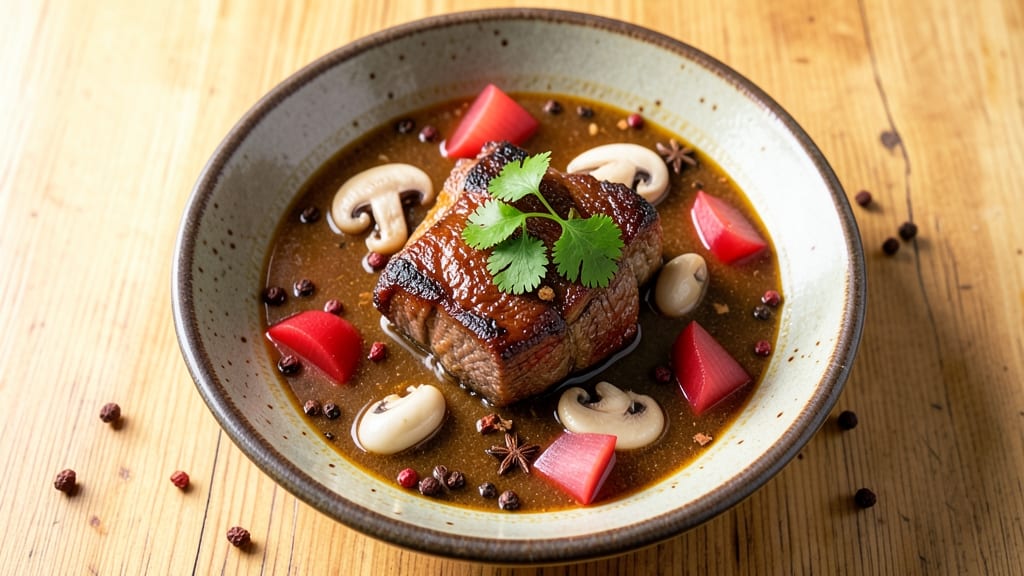
This authentic Chinese beef stew recipe brings the deep, aromatic flavors of a traditional Hong Kong-style braise to your kitchen. The slow-simmered broth develops layers of complexity from star anise, cinnamon, and soy sauce, while tender beef absorbs every spiced note.
I've perfected this technique over years of testing, ensuring the rich, silky texture that defines classic Chinese comfort food.
The key to success lies in the proper balance of spices and the patience of slow cooking. Unlike quick stir-fries, this dish rewards time—allowing tougher cuts like chuck roast to melt into fork-tender perfection.
The aromatic spices (fennel, Sichuan peppercorns, and cloves) infuse the broth with warmth, while ginger and garlic add brightness that cuts through the richness.
By the time you serve this stew, you'll have a dish that's restaurant-quality yet deeply personal—steaming bowls of beef swimming in a glossy, spiced sauce.
The aroma alone will draw everyone to the table, and the first bite delivers that perfect harmony of sweet, salty, and umami that makes this recipe a staple in Chinese households.
Serve it over steamed jasmine rice to soak up every last drop of that precious broth, or pair with crusty bread for a satisfying meal that feels both elegant and comforting.
The beauty of this recipe is its versatility—it's perfect for weeknight dinners or special occasions, always delivering authentic flavor without compromise.
Ingredients for authentic chinese beef stew
Authentic flavors start with these carefully chosen ingredients for rich, aromatic Chinese beef stew.
| Ingredient | Amount | Notes |
|---|---|---|
| Chuck Roast 🥩 | 2 lb | Tough cut for tenderizing |
| Soy Sauce 🥫 | ½ cup | Dark or light preferred |
| Star Anise 🌿 | 2 whole | Whole pods for infusion |
| Cinnamon Sticks 🌿 | 2 whole | 1-inch pieces preferred |
| Sichuan Peppercorns 🌶️ | 1 tbsp | Toasted for aroma |
| Fennel Seeds 🌿 | 1 tbsp | Lightly crushed |
| Cloves 🌿 | 4 whole | Whole cloves for subtle flavor |
| Fresh Ginger 🧄 | ½ cup | Julienned, skin removed |
| Garlic Cloves 🧄 | 6 cloves | Peeled, smashed |
| Onion 🧅 | 1 whole | Yellow, sliced |
| Carrots 🥕 | 2 whole | Baby or whole, sliced |
| Red Dates 🍇 | 4 whole | Pitted, chopped |
| Water 💧 | 3 cups | Filtered preferred |
| Sesame Oil 🫒 | 1 tbsp | Toasted for finishing |
| Salt 🧂 | 1 ½ tsp | Kosher or sea salt |
| White Pepper 🌶️ | ½ tsp | Freshly ground |
The beef is non-negotiable—chuck roast delivers the perfect balance of tenderness and flavor when slow-cooked. Look for cuts with good marbling at Asian markets or well-stocked grocery stores like Whole Foods. The spices are the soul of this dish: star anise, cinnamon, and Sichuan peppercorns create that signature aromatic depth. Penzeys or bulk bins at specialty stores carry the best quality. Toast the whole spices lightly in a dry pan before adding to the pot to unlock their full potential—this simple step makes all the difference in flavor development.
No Sichuan peppercorns? Substitute with a pinch of cayenne for heat, though you'll miss the unique numbing aroma. Fennel seeds can be swapped for anise seeds, but the flavor will be slightly different. Red dates add natural sweetness—Medjool dates work beautifully if you can find them. The soy sauce should be dark for deeper color and flavor, but light works in a pinch. Fresh ginger and garlic are ideal, but if you're using dried, reduce the amount by half. For a quicker version, use pre-minced garlic and ginger from the freezer section at Trader Joe's—it's already peeled and ready to use.
This stew tastes even better the next day as flavors meld. Store leftovers in an airtight container in the fridge for up to 5 days. For longer storage, freeze portions for 3 months. The broth thickens as it cools, so add a splash of water when reheating. Garnish with a drizzle of toasted sesame oil just before serving to brighten the dish. The aroma alone will draw everyone to the table—trust me, it's worth the wait.
Why You'll Love This Recipe
- One-Pot Wonder: I swear by this for lazy nights—just sear the chuck roast, toss in the soy, star anise, and cinnamon sticks, then let it simmer. No chopping, no fuss, and the spices do all the work while I sip tea.
- Deep Umami Magic: That slow-cooked chuck with soy sauce and Sichuan peppercorns? It’s ridiculously tender with layers of savory, slightly spicy warmth. The star anise adds this earthy depth that makes it taste like a home-cooked secret, not a takeout copy.
- Leftovers That Beg for More: This stew actually gets better the next day—flavors meld, beef gets fall-apart tender. I make double batches because my family will fight over the leftovers, and it’s still a win when reheated for lunch.
- Budget-Friendly Feast: A chuck roast stretches across meals, and the spices cost pennies. Honestly, it’s my go-to for feeding a crowd without breaking the bank—plus, the cinnamon and star anise make it feel fancy, even when it’s just weeknight dinner.
Step-by-step instructions for authentic Chinese beef stew
Master this traditional technique for tender beef infused with aromatic spices and sweet-savory depth.
Prepare the Spice Packet and Marinate the Beef
In a small bowl, combine the 2 whole star anise, 2 whole cinnamon sticks, 1 tbsp Sichuan peppercorns, 1 tbsp fennel seeds, 4 whole cloves, 1.5 tsp salt, and 0.5 tsp white pepper. Lightly crush the Sichuan peppercorns and fennel seeds with the flat side of a knife to release their aromas without grinding them into powder.
Cut the 2 lb chuck roast into 2-inch chunks and place them in a large bowl. Add the spice packet, 0.5 cup soy sauce, and 0.5 cup julienned fresh ginger. Mix well to coat the beef evenly. Cover and refrigerate for at least 2 hours—this marinade breaks down the tough fibers, ensuring silky tenderness.
Sear the Beef and Sauté Aromatics
Heat a large Dutch oven over medium-high heat until hot. Working in batches, sear the marinated beef until deeply browned on all sides—about 3-4 minutes per side. Remove the beef and set aside. You want that deep Maillard crust that carries so much flavor.
In the same pot, add 1 tbsp sesame oil and swirl to coat. Add 6 smashed garlic cloves and 1 sliced onion, cooking for 2 minutes until fragrant. Add 2 sliced carrots and 4 chopped red dates, stirring for 1 minute to coat with the oil. The dates will soften and release their natural sweetness.
Simmer the Stew to Perfection
Return the seared beef to the pot along with the marinade. Add 3 cups water and bring to a gentle boil. Once boiling, reduce heat to low and cover partially, leaving a 1-inch gap for steam to escape. Simmer for 2 hours—this slow cooking transforms the tough chuck roast into fork-tender beef.
After 2 hours, check the liquid level. If it's reduced too much, add ½ cup hot water to maintain the stew's consistency. The beef is done when it easily pulls apart with two forks and the liquid has a rich, aromatic depth. The spices should infuse the broth with warm, earthy notes.
Finish and Adjust Seasoning
Remove the spice packet and discard. Taste the stew and adjust seasoning if needed—add a splash more soy sauce for saltiness or a pinch of white pepper for heat. The dates should be soft and contribute natural sweetness that balances the savory broth.
Let the stew rest for 10 minutes before serving. This allows the flavors to meld completely. Ladle into bowls and serve with steamed rice to soak up every last drop of that silky, spice-infused broth. The result is a deeply authentic Chinese beef stew where every bite delivers tender beef, aromatic spices, and perfect balance.
Pro Tips For Making Authentic Chinese Beef Stew
- SEAR THE MEAT FIRST: Chuck roast needs a deep, dark crust to hold up in long cooking—don’t skip the 8-10 minutes of high-heat searing in oil. I used to rush this, and the beef would turn out greasy instead of caramelized. Work in batches if needed, but get that color or the stew will taste flat.
- CRUSH THE SPICES: Whole star anise and cinnamon sticks perfume the broth beautifully, but lightly crush them with the side of a knife before adding. Sichuan peppercorns? Toast them first in a dry pan for 30 seconds—they’ll release their numbing kick and aroma. My grandmother swore by this, and she was right: broken spices infuse faster.
- SIMMER LOW AND COVERED: After the initial braise, drop the heat to a bare simmer and keep the lid on tight. I learned this the hard way—boiling the stew evaporates too much liquid and makes the beef tough. A gentle roll of the bubbles is all you need, and check the water level every 45 minutes to top up if necessary.
- USE DARK SOY SAUCE LAST: Add the soy sauce in the final 20 minutes of cooking, not at the start. Dark soy sauce burns easily, and you want it to caramelize slightly for that rich, glossy finish. I was skeptical until I tried it—it makes a real difference in the depth of flavor without overpowering the beef.
Common mistakes when making this dish
Overcooking the Beef
One of the biggest mistakes is letting the beef stew simmer too long. While chuck roast needs time to tenderize, cooking it past 2.5 hours turns it mushy instead of silky.
I’ve ruined many batches by walking away and forgetting about it—always check tenderness with a fork at 2 hours. The beef should pull apart easily but still hold its shape. 🥩
Skipping the Marinade
Rushing the 2-hour marinade is a common shortcut that backfires. The soy sauce and spices need time to penetrate the beef’s tough fibers. I once skipped it and ended up with dry, flavorless chunks. Trust the process—this step is what transforms tough meat into melt-in-your-mouth perfection.
Ignoring the Spice Packet
Using ground spices instead of whole pods changes the entire flavor profile. Whole star anise, cinnamon, and Sichuan peppercorns infuse the broth with depth, while ground versions dissolve too quickly. Lightly crush them with a knife to release aromas without turning into powder—this makes all the difference. 🌿
Not Browning the Beef
Skipping the sear means missing out on the Maillard reaction, which builds rich, caramelized flavors. I’ve made this stew without browning, and it tasted flat compared to the deep, savory notes from properly seared beef. Work in batches if needed—patience here pays off.
Adding Water Too Early
Some recipes suggest adding water right away, but this dilutes the broth’s intensity. Wait until the beef has released its natural juices and the aromatics have softened before adding the 3 cups water. This ensures a concentrated, flavorful base. Trust me, the broth will thicken beautifully on its own.
Forgetting to Rest
Serving the stew immediately after cooking means missing out on the final flavor melding. Always let it rest for 10 minutes before serving. This allows the juices to redistribute, making each bite more tender and flavorful. I’ve learned this the hard way—rushing leads to a less cohesive dish. ✨
Nutrition facts
Frequently asked questions
Can I substitute chuck roast with a different beef cut?
Yes, but choose wisely! Brisket or short ribs work well—they're flavorful and tenderize beautifully. Avoid lean cuts like sirloin, which won't hold up during long cooking. If using brisket, trim excess fat first. For extra richness, save the cooking liquid to make dumplings or noodles.
How do I make this stew spicier?
Add ½ tsp chili flakes or 1 sliced fresh chili (like Thai bird's eye) when sautéing aromatics. For heat without spice, increase Sichuan peppercorns to 2 tbsp—it adds a unique numbing warmth. Always taste before serving! The dates' natural sweetness balances any heat beautifully.
Can I prepare this stew in an Instant Pot?
Use the high pressure setting for 60 minutes after searing. Add 1 cup water instead of 3 cups (the pressure builds moisture). Release pressure naturally, then let it sit for 10 minutes before serving. The Instant Pot version cooks 3x faster but requires extra attention to avoid overcooking.
What's the best way to reheat leftovers?
Gently reheat on low heat with a splash of water to maintain broth consistency. Never microwave—it makes the beef rubbery. For best results, warm in a pot for 10-15 minutes until steaming. The flavors actually improve overnight! Store leftovers in an airtight container for up to 5 days.
How does this differ from Hong Kong-style beef stew?
Hong Kong-style versions often include hard-boiled eggs and mushrooms for texture contrast, plus a touch of sugar to balance flavors. This recipe focuses on the classic Cantonese approach with aromatic spices and tender beef. Both are delicious—choose based on whether you prefer hearty additions or pure beef-and-broth elegance!