
Main Courses
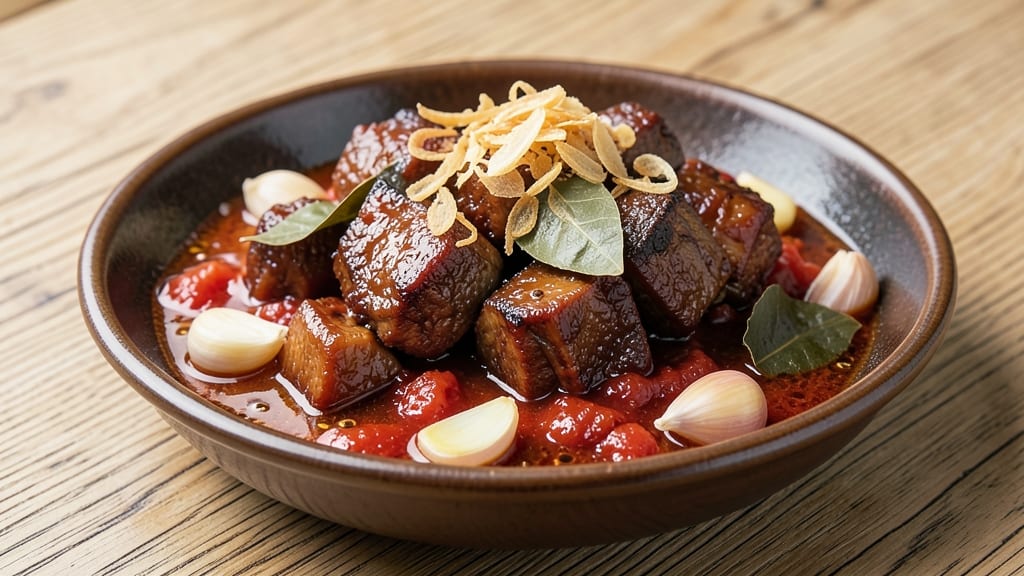
This beef adobo crock pot recipe brings the bold, tangy flavors of Filipino cuisine right to your kitchen with minimal effort. The slow-simmered vinegar and soy sauce braise transforms tough beef into fork-tender perfection while developing deep, savory notes.
I've perfected this version to deliver restaurant-quality results without the hours of stovetop attention traditional recipes require.
The beauty of this method lies in its simplicity: just a few pantry staples and a few hours of unattended cooking time. The key ingredients—vinegar, soy sauce, garlic, and bay leaves—create that signature adobo flavor profile, while the crock pot ensures even cooking and maximum flavor absorption.
What you'll end up with is beef that practically melts in your mouth, swimming in a rich, caramelized sauce that's perfect for serving over rice.
What makes this recipe particularly special is how it balances traditional Filipino flavors with modern convenience. The slow cooking process allows the beef to become incredibly tender while developing layers of complexity in the sauce.
Each bite delivers a perfect harmony of tangy, salty, and slightly sweet notes that will have everyone asking for seconds.
Serve this dish with steamed white rice to soak up every last drop of that flavorful sauce, or pair it with garlic fried rice for a complete meal. The leftovers actually taste better the next day as the flavors continue to meld.
Let's get started on this comforting, flavor-packed dish that's sure to become a family favorite.
Ingredients for beef adobo crock pot
Six ingredients transform tough beef into melt-in-your-mouth adobo perfection—no fancy prep required.
| Ingredient | Amount | Notes |
|---|---|---|
| Beef Chuck Roast 🥩 | 3 lb | Cut into 1.5-inch cubes |
| Cane Vinegar 💧 | 1 ½ cups | White vinegar substitute |
| Soy Sauce 🍶 | 1 cup | Light or regular variety |
| Garlic Cloves 🧄 | 8 cloves | Minced, not pre-minced jar |
| Fresh Ginger 🌿 | 2 tbsp | Finely grated, peeled |
| Bay Leaves 🌿 | 4 whole | Dried, standard size |
| Black Peppercorns 🌶️ | 1 tsp | Crushed, not ground |
| Brown Sugar 🍚 | ½ cup | Packed, light variety |
| Olive Oil 🫒 | 2 tbsp | Extra-virgin preferred |
| Onion 🧅 | 1 whole | Yellow, chopped |
| Water 💧 | 2 cups | Room temperature |
| Salt 🧂 | 1 ½ tsp | Kosher or sea salt |
The beef is everything here. Chuck roast is ideal—it stays tender while absorbing all those tangy flavors. Grab a 3-pound roast from the butcher section if you can, but the pre-cubed packs at Walmart or Kroger work just fine. Look for good marbling (that white fat streaked through the meat)—it keeps the beef juicy. The vinegar? Cane vinegar if you can find it, but white vinegar works in a pinch. Just don't use apple cider—it'll throw off the flavor balance.
No cane vinegar? White vinegar plus 1 tsp sugar mimics that clean tang. Skip the pre-minced garlic—freshly minced makes all the difference (30 seconds with a knife). The ginger should be peeled and grated, not chopped. For the brown sugar, light or dark both work, but light dissolves better. Pro tip: Toast the brown sugar with the garlic and ginger in the crock pot for 10 minutes first—it deepens the caramel notes. The bay leaves? Standard dried ones from the spice aisle are perfect—no need for fancy organic.
This sauce gets better overnight. Store leftovers in the fridge for up to 5 days, or freeze portions for 3 months. I always make a double batch—one for dinner, one for lunches. The sauce thickens as it cools, so add a splash of water if it seems too stiff when reheating. Serve over rice, but keep some sauce on the side—everyone will want seconds. The beef stays juicy reheated, but if you're worried, just warm it through with a splash of water or broth.
Why You'll Love This Recipe
- Hands-Off Magic: I swear, this is the only beef dish I make when I’m too tired to stand. Chuck roast goes in raw, vinegar and soy sauce do the heavy lifting, and by dinner, it’s fall-apart tender—no stirring, no hovering, just low-and-slow perfection.
- Umami Bomb: That combo of cane vinegar and soy sauce? It’s like a flavor grenade in the best way. The vinegar cuts through the richness of the beef while the soy adds this deep, savory punch—plus, the ginger and garlic turn it into something that tastes like a restaurant dish, not just dinner.
- Leftovers That Don’t Lie: Between us, this recipe begs for seconds—and thirds. The sauce thickens beautifully, so every slice is coated in that tangy, caramelized goodness. I pack half for lunch the next day, and my coworkers still ask for the recipe.
- Budget Hero: A chuck roast is cheap, and this recipe stretches it into days of meals. Honestly, I’ve fed six people for under $15 with this—plus, the leftovers reheat like they’re fresh. That’s a win for my wallet and my sanity.
Step-by-step instructions for slow-cooked beef adobo
Here's the method that delivers deep, tangy flavors with minimal effort.
Sear the Beef for Maximum Flavor
Heat the 2 tablespoons olive oil in a large skillet over medium-high heat until shimmering. Working in batches, add the 3 lb beef chuck roast cut into 1.5-inch cubes and sear for 2-3 minutes per side until deep golden brown. You're building flavor here—the caramelized crust will dissolve into the sauce later.
Transfer the seared beef to your crock pot as you work. Don't skip this step—it makes all the difference in the final richness of your adobo. If your beef releases too much fat, blot it on paper towels before transferring to keep the sauce from becoming greasy.
Build the Tangy Braising Liquid
In the same skillet (no need to clean it), add the 1 whole chopped onion and cook for 3-4 minutes until softened. Stir in the 8 minced garlic cloves and 2 tablespoons fresh grated ginger, cooking for 30 seconds until fragrant—this prevents raw garlic taste in your finished dish.
Pour in the 1.5 cups cane vinegar and scrape up all those browned bits from the bottom of the pan. Add the 1 cup soy sauce, 1.5 teaspoons salt, 1 teaspoon crushed black peppercorns, 4 whole bay leaves, and 0.5 cup packed brown sugar. Stir well to combine all ingredients into a smooth mixture.
Combine and Slow Cook to Perfection
Pour the vinegar mixture over the seared beef in the crock pot. Add the 2 cups room temperature water and stir gently to combine. The liquid should cover about two-thirds of the beef—if it looks too thin, don't worry, it'll reduce during cooking.
Place the lid on the crock pot and cook on low heat for 8 hours or high heat for 5-6 hours. The beef is done when it's fork-tender and easily pulls apart. Real talk: resist the urge to check it early—this slow cooking is what develops that signature tender texture and rich flavor.
Finish and Serve with Confidence
Remove the beef from the crock pot and transfer it to a serving platter. Discard the bay leaves and strain the cooking liquid through a fine-mesh sieve if you prefer a smoother sauce. The liquid should be thick and glossy—if it's too thin, simmer it uncovered for 5-10 minutes to reduce further.
Slice the beef against the grain for maximum tenderness and serve it with the rich adobo sauce spooned over the top. This dish tastes even better the next day as the flavors continue to meld. Pair it with steamed rice to soak up all that delicious sauce—you'll want leftovers for sure!
Pro Tips For Making Beef Adobo Crock Pot
- SEAR THE ROAST FIRST: Skip the slow start—brown the chuck roast in a hot skillet with oil before dumping it in the crock pot. That crust locks in flavor and keeps the meat from turning into mushy gray paste. (Yes, even if you’re impatient like me.)
- PEEL AND SLICE THE GINGER: Fresh ginger loses its bite when left whole. Thinly slice it—about 1/8-inch thick—and toss it in the pot with the garlic. The surface area matters more than you’d think for that warm, slow infusion.
- DILUTE THE VINEGAR: Straight cane vinegar is brutal. Mix it 1:1 with water before adding it to the crock pot—this balances the acidity so the beef doesn’t toughen up. I learned this the hard way after serving rubbery slices.
- SIMMER THE SAUCE: After cooking, remove the beef and reduce the sauce on the stovetop for 5–7 minutes. This thickens it naturally and cuts through the richness of the soy. (Your future self will thank you.)
Serving suggestions for leftovers
Classic Filipino Pairings
Serve your beef adobo over steamed jasmine rice—the slightly floral notes complement the tangy sauce beautifully. I like using day-old rice because it absorbs the sauce better, creating a perfect one-bite meal. For extra flair, sprinkle toasted garlic rice on top just before serving. 🌟
Pair with garlic fried rice for a heartier meal. Use leftover rice stir-fried with 2 tbsp olive oil, 4 minced garlic cloves, and 1 egg scrambled in.
The crispy edges add texture contrast that balances the tender beef. A side of pickled vegetables (like daikon and carrots) cuts through the richness with refreshing acidity.
Modern Twists
Swap traditional rice for cheesy cauliflower rice—it’s lower-carb but still soaks up the sauce. I use 2 cups riced cauliflower sautéed with 1 tbsp butter and ½ cup shredded cheddar.
The creamy cheese pairs surprisingly well with the tangy adobo. For a Mexican-inspired twist, serve with corn tortillas and avocado slices—the cool, creamy avocado balances the heat.
Add crispy fried shallots from the Asian aisle for a restaurant-quality garnish. Toss ½ cup shallots in 1 tbsp oil and fry until golden (about 3 minutes). Sprinkle over the beef just before serving—they add a sweet, crunchy contrast that elevates the dish instantly. 💛
Sauce Variations
Thicken the sauce for dipping by simmering it uncovered on the stovetop for 5-10 minutes until syrupy. Use it as a dipping sauce for steamed dumplings or spring rolls—the tangy-sweet combo is addictive.
For a spicier kick, stir in 1 tbsp gochujang (Korean chili paste) or ½ tsp red pepper flakes at the end.
Turn the sauce into a quick glaze by reducing it with 1 tbsp honey or maple syrup until sticky. Brush it over grilled chicken or shrimp skewers for a flavorful marinade.
The adobo sauce also makes an amazing pasta sauce—toss with fettuccine and top with Parmesan cheese for an Italian-Filipino fusion. ✨
Nutrition facts
Frequently asked questions
Can I use regular vinegar instead of cane vinegar?
Yes, you can substitute white vinegar, but add 1 teaspoon sugar to mimic cane vinegar's cleaner tang. Apple cider vinegar will alter the flavor balance—stick to white or cane vinegar for that authentic adobo taste. The key is the acidity, not the specific vinegar type.
How do I prevent the beef from becoming too tough?
Slow cooking is your friend here! Use the low heat setting for 8 hours to ensure tender results. Always sear the beef first to build flavor, and cut it into 1.5-inch cubes for even cooking. Avoid high heat—it can dry out the meat instead of tenderizing it.
What if my sauce is too thin after cooking?
Simmer the sauce uncovered on the stovetop for 5-10 minutes to reduce it. For extra thickness, mix 1 tablespoon cornstarch with 2 tablespoons water, stir into the sauce, and simmer until it reaches your desired consistency. The sauce should coat the back of a spoon.
Can I make this recipe with a different cut of beef?
Chuck roast is ideal, but brisket or short ribs work well too. Avoid lean cuts like sirloin—they'll dry out. For tougher cuts, increase cooking time by 1-2 hours on low heat. If using pre-cut beef, trim excess fat to prevent greasy sauce.
Why does my adobo taste too salty?
Taste as you go! The soy sauce and salt are the main culprits. If it's too salty, dilute with ½ cup water or broth and simmer to reduce. For future batches, reduce the salt to 1 teaspoon and adjust soy sauce to ½ cup if needed. Always taste before serving.