
Main Courses
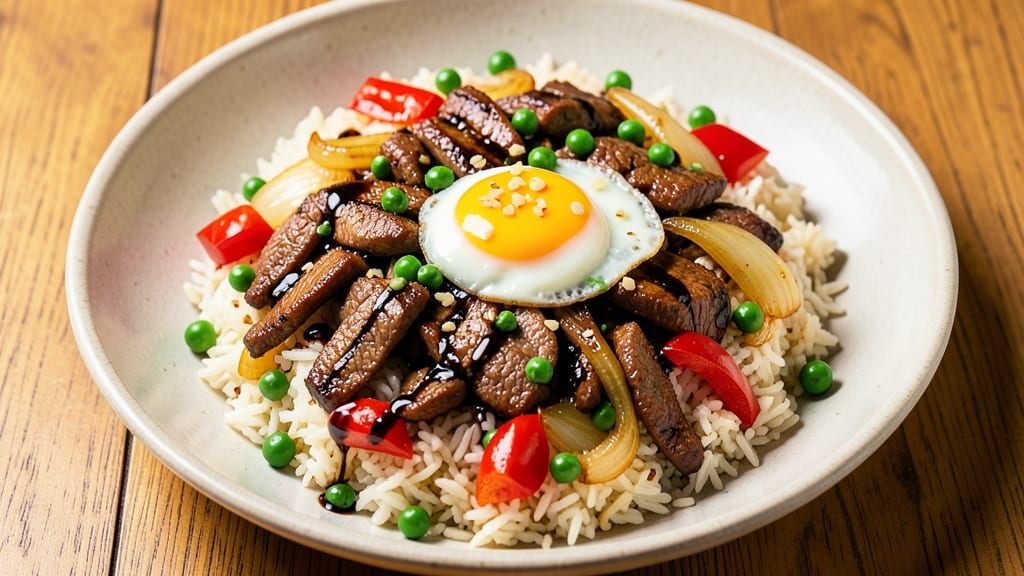
This authentic beef fried rice recipe delivers the bold, umami-packed flavors of a Chinese wok house—crispy edges, tender beef, and perfectly seasoned rice in every bite. The secret lies in using day-old rice (never fresh) and high-heat stir-frying to achieve that signature wok-tossed texture.
I've refined this recipe over years of testing, balancing traditional techniques with home-cook-friendly adjustments so you can recreate restaurant-quality results in your kitchen.
What sets this dish apart is the layered flavor profile: savory beef, eggy crunch, aromatic vegetables, and a soy-ginger sauce that ties everything together.
The beef gets marinated in a simple blend of soy sauce, cornstarch, and sesame oil, ensuring it stays tender while developing a caramelized crust during stir-frying. This isn't just fried rice—it's a one-pan meal packed with protein, texture, and depth that'll satisfy even the most discerning palates.
The technique is straightforward but critical: high heat, quick tossing, and constant motion prevent soggy rice and ensure everything cooks evenly. The eggs scramble into soft, creamy ribbons that add richness, while peas and carrots stay crisp-tender.
By the time you plate it—garnished with green onions and sesame seeds—you'll have a dish that's visually stunning, aromatic, and bursting with authentic wok-house flavor.
Perfect for weeknight dinners or meal prep, this recipe scales easily for crowds. Serve it with a side of chili crisp or extra soy sauce for dipping. Let's get cooking—your taste buds won't regret it.
Ingredients for authentic beef fried rice
Day-old rice, marinated beef, and wok-tossed veggies—this is your ticket to restaurant-quality fried rice.
| Ingredient | Amount | Notes |
|---|---|---|
| Day-Old Cooked White Rice 🍚 | 4 cups | Cold rice preferred for texture |
| Thinly Sliced Beef 🥩 | 1 lb | Flank or sirloin, marinated |
| Large Eggs 🥚 | 4 whole | Freshly beaten for scrambling |
| Yellow Onions 🧅 | 1 whole | Thinly sliced, white or yellow |
| Carrots 🥕 | 1 cup | Julienned or thinly sliced |
| Frozen Peas 🌱 | ½ cup | Thawed for even cooking |
| Green Onions 🌿 | ¼ cup | Sliced, white and green parts |
| Sesame Oil 🫒 | 1 tbsp | Toasted sesame preferred |
| Light Soy Sauce 🍶 | ½ cup | Kikkoman preferred |
| Dark Soy Sauce 🍶 | 1 tbsp | For deep color |
| Cornstarch 🌾 | 1 tbsp | For beef marinade |
| Vegetable Oil 🫒 | ½ cup | High smoke point |
| Sesame Seeds 🌰 | 1 tbsp | Toasted for garnish |
| Garlic Cloves 🧄 | 4 cloves | Minced for marinade |
| Fresh Ginger 🌿 | 1 tbsp | Grated, peeled |
The beef is non-negotiable—flank or sirloin stays tender while developing that perfect caramelized crust. Costco sells pre-sliced beef for stir-fry that saves time, but if you're cutting it yourself, slice against the grain for maximum tenderness. Look for beef with good marbling—it adds flavor during cooking. The rice? Day-old is a must—fresh rice turns mushy under the wok's heat. I always cook a big batch of rice the night before just for this dish. For the soy sauce, Kikkoman light soy is the gold standard, but any good-quality light soy will work.
No flank steak? Sirloin or ribeye work too, but avoid tougher cuts like chuck. The frozen peas can be swapped for fresh, but thaw them first—frozen peas release moisture that'll make your rice soggy. Short on green onions? Scallions or chives are perfect substitutes. The sesame oil is for flavor, not cooking—add it at the very end. If you're missing the dark soy sauce, a few drops of food coloring plus extra light soy gets you close. The ginger can be swapped for powdered, but fresh is brighter. Toast your sesame seeds in a dry pan for 30 seconds—they'll taste a thousand times better.
This dish reheats beautifully—honestly tastes better the next day as flavors meld. Store leftovers in an airtight container for up to 4 days. For meal prep, portion into containers with a little soy sauce on top to keep everything moist. The beef marinade keeps for 2 days in the fridge, so you can prep ahead. Freezing? The rice and veggies freeze well separately, but the beef gets tough—best to make fresh for optimal texture. Garnish with extra sesame seeds and green onions right before serving—they add that restaurant-fresh look.
Why You'll Love This Recipe
- One-Pan Magic: I swear by this recipe—just one wok or skillet handles everything. The beef sizzles while the eggs scramble, the onions caramelize, and the rice soaks up all the savory goodness without sticking. No extra bowls, no mess, and honestly? That’s my kind of cooking.
- Umami Bomb: That thinly sliced beef? It melts in your mouth but stays tender enough to hold its shape. The secret’s in the quick sear—high heat, just until it’s almost done—so it absorbs the garlic, soy, and a splash of fish sauce. Between us, the first bite is the best bite.
- Budget Meal, Big Flavor: I feed my family four for under $10 using this recipe. Day-old rice? Pantry staple. Thin beef slices? Stretch them further with carrots and onions. Eggs bulk it up without breaking the bank. It’s the kind of dish that makes grocery day feel like a victory.
Step-by-step instructions for wok-tossed beef fried rice
Here's how to make restaurant-style beef fried rice with perfect texture and bold flavors.
Marinate and Prep the Beef
In a bowl, combine the 1 lb thinly sliced beef, 1 tbsp cornstarch, 4 cloves minced garlic, 1 tbsp grated fresh ginger, 1 tbsp light soy sauce, and 1 tbsp dark soy sauce. Mix gently to coat evenly. Let sit for 15-20 minutes—this helps tenderize the beef and gives it that signature umami depth. While it marinates, thaw the 0.5 cup frozen peas in a colander under warm water.
I like to use flank or sirloin for this dish—they slice thin and stay tender during the quick stir-fry. The cornstarch creates a light coating that helps the beef develop a slight crispiness when wok-tossed. Don't skip the marinating time; it makes all the difference in flavor and texture.
Scramble the Eggs Perfectly
Crack the 4 whole large eggs into a bowl and beat vigorously with a fork until frothy. Heat 1 tablespoon of vegetable oil in a wok or large skillet over medium-high heat until shimmering. Pour in the eggs and let them sit undisturbed for 5-7 seconds before gently pushing them around with a spatula.
You're aiming for soft, custardy curds—not scrambled eggs. Remove the eggs from the wok and set aside on a plate. The eggs should be just set but still slightly runny in the center. They'll finish cooking when tossed with the rice later, creating that signature "eggy crunch" in every bite.
Stir-Fry the Aromatics and Vegetables
Return the wok to high heat and add the remaining 0.375 cup vegetable oil (you used 1 tbsp for eggs). Once hot, add the 1 whole yellow onion and 1 cup julienned carrots. Stir-fry for 2-3 minutes until the onions turn translucent and carrots begin to soften slightly. Add the 4 cloves minced garlic and 1 tbsp grated fresh ginger, cooking for another 30 seconds until fragrant.
This step builds the flavor foundation. The high heat quickly cooks the aromatics without letting them burn, which would make the dish bitter. Watch the onions carefully—they should soften but not brown. If they start to color too quickly, reduce the heat slightly.
Cook the Beef and Combine Ingredients
Add the marinated beef to the wok in a single layer. Stir-fry for 1-2 minutes until the beef turns opaque and begins to brown slightly. Push the beef to one side of the wok and add the 4 cups day-old cooked white rice, breaking up any clumps with your spatula. Stir-fry for 1 minute to toast the rice lightly.
Here's where the magic happens: Add the 0.5 cup light soy sauce, 1 tbsp dark soy sauce, and 1 tbsp sesame oil. Toss everything together vigorously for 2-3 minutes until the rice is evenly coated and the beef is fully cooked. The dark soy sauce adds that beautiful mahogany color while keeping the flavors balanced.
Finish with Peas and Garnish
Stir in the thawed 0.5 cup frozen peas and the scrambled eggs. Cook for another 30-60 seconds just to heat through. Taste and adjust seasoning if needed—you might want to add a splash more soy sauce if the dish tastes mild. Remove from heat and transfer to serving plates.
Garnish generously with 0.25 cup sliced green onions and 1 tbsp toasted sesame seeds. The green onions add freshness to cut through the richness, while the sesame seeds provide a nutty crunch. Serve immediately while hot—fried rice tastes best right out of the wok when everything is still sizzling.
Pro Tips For Making Authentic Beef Fried Rice
- CRISPY BEFORE MIXING: Cook your thinly sliced beef until it’s just done—still with a slight bounce when pressed—then set it aside. The moment you toss it into the rice, it’ll finish cooking perfectly while absorbing flavors. I used to overcook it and end up with chewy, flavorless strips—don’t make that mistake.
- USE COLD RICE: Chill your day-old rice in the fridge for at least 2 hours before using. Cold rice releases less starch when stir-fried, so it stays separate and crispy instead of turning into a gluey mess. Yes, even if you’re impatient like me—this isn’t the step to rush.
- SCRAMBLE EGGS SEPARATELY: Push your beaten eggs into a thin, even layer in the wok first, letting them set into a soft, slightly runny curd before breaking them up with a spatula. This gives you those classic fluffy, chewy egg bits instead of a scrambled blob stuck to the bottom. (And no, you can’t just toss them in raw.)
- SALT THE RICE WELL: Toss your day-old rice with ½ teaspoon salt per cup before adding it to the wok. The rice absorbs flavor better when it’s slightly hydrated, and the salt cuts through the richness of the beef and eggs. I learned this the hard way—dry, bland rice is a crime in fried rice.
Flavor customization for this recipe
Spicy Sichuan Twist
Transform your fried rice with 1 tbsp Sichuan peppercorns toasted and ground, plus 1 tsp chili crisp mixed into the soy sauce. The numbing heat from Sichuan peppercorns and fiery chili crisp create a complex, addictive flavor.
For extra drama, add 2 tbsp ground pork as a base layer before the beef—this mimics the classic "char siu" flavor profile found in Sichuan-style dishes. 🌶️
Sweet and Tangy Fusion
Brighten the dish with 1 tbsp hoisin sauce and 1 tsp rice vinegar mixed into the soy sauce. The sweetness of hoisin complements the umami beef while the vinegar adds a refreshing tang.
Top with ½ cup diced pineapple (fresh or canned) and 2 tbsp chopped cilantro for a Hawaiian-inspired fusion that's surprisingly balanced. The pineapple adds a juicy contrast to the savory components.
Umami Bomb Boost
Elevate the depth of flavor by adding 1 tbsp fish sauce to the soy sauce marinade for the beef. Fish sauce adds a salty, fermented umami that's essential in many Asian cuisines.
For an extra layer, stir in 1 tbsp mushroom powder (or finely chopped dried shiitake) when combining all ingredients—this adds an earthy, meaty richness that pairs perfectly with the beef. 💪
Garlic-Ginger Powerhouse
Double down on the aromatic base by using 6 cloves minced garlic and 2 tbsp grated ginger in the beef marinade. The extra garlic and ginger create a more intense, aromatic foundation that carries through the entire dish.
For a smoky twist, add ½ tsp smoked paprika to the marinade. This variation works exceptionally well with flank steak, as the extra aromatics help tenderize the meat further.
Vegetarian Protein Swap
Keep the dish vegetarian by replacing the beef with 1 lb extra-firm tofu pressed and cubed, or 1 lb king oyster mushrooms sliced. For tofu, marinate it in the same soy-ginger mixture but add 1 tbsp cornstarch to help it develop a crispy exterior.
For mushrooms, use the same marinade but add 1 tsp soy sauce to the oil before cooking to prevent sticking. Both options maintain the dish's hearty texture while keeping it meat-free. 🌱
Extra Crispy Beef
For a restaurant-style crunch, coat the beef in 2 tbsp cornstarch instead of 1 tbsp before marinating. After stir-frying the beef, remove it from the wok and set aside.
Increase the heat to high, add 1 tbsp neutral oil, and quickly sear the beef again until it develops a deep golden crust. This technique mimics the "double-fried" method used in many Chinese restaurants for extra texture contrast. 🔥
Nutrition facts
Frequently asked questions
Why does the recipe call for day-old rice instead of fresh?
Day-old rice is crucial because it's drier and absorbs flavors better than fresh rice. When you stir-fry, the moisture from fresh rice turns it mushy. The slightly dried-out texture from day-old rice creates that perfect crispy edge in every bite. Plus, it prevents a soggy final dish.
What's the best cut of beef for this recipe?
Use flank steak or sirloin—they're lean, tender, and slice thinly. Avoid tougher cuts like chuck. For maximum tenderness, slice against the grain. If you can't find these, ribeye works too, but trim excess fat. The cornstarch marinade helps create a slight crust that keeps the beef juicy during the quick stir-fry.
Can I make this with frozen vegetables?
Yes, but thaw them first! Frozen peas and carrots release extra moisture when cooked, which can make your rice soggy. Thaw in a colander under warm water for 5-10 minutes before adding. For onions, fresh is best—they caramelize beautifully and add depth. If using frozen, pat them very dry first.
How do I fix beef fried rice that's too dry?
Add 1-2 tablespoons of water or beef broth and stir-fry for another 30 seconds to steam the rice. If it's still dry, mix in 1 teaspoon of soy sauce and toss well. For prevention, don't overcook the rice—it should just be heated through, not fried. The high heat does most of the work!
What wok substitute works best?
A large, heavy skillet (like cast iron) or nonstick wok pan works perfectly. The key is a wide surface for tossing. If your pan isn't wide enough, work in batches. Avoid deep pans—they hold too much oil and make tossing difficult. A 12-inch diameter pan is ideal for this recipe.