
Main Courses
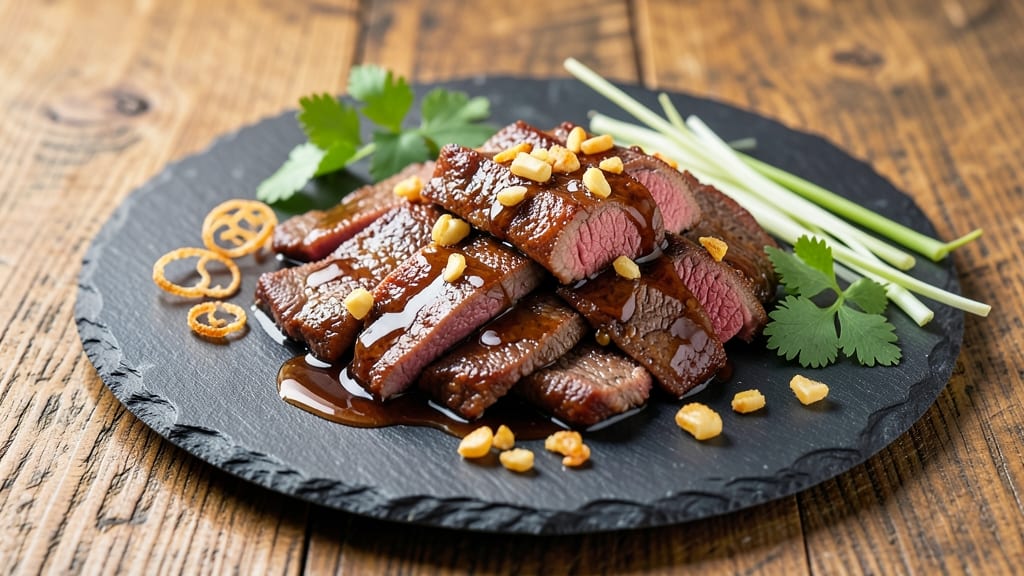
This Asian Mongolian beef recipe delivers the perfect balance of sweet, savory, and umami flavors with a caramelized edge that makes every bite irresistible. 🔥 The secret lies in marinating thinly sliced beef in a tangy soy-ginger sauce, then searing it quickly to lock in juices while creating that signature crispy crust.
I've perfected this technique over countless weeknight dinners—it's restaurant-quality without the fuss.
The process is straightforward: slice beef paper-thin for even cooking, marinate for at least 30 minutes (longer if you can), then stir-fry in batches to maintain high heat. The sauce—sweet, tangy, and slightly sticky—caramelizes beautifully around the edges while keeping the center tender.
Serve over steamed rice or noodles to soak up every last drop of that flavorful sauce.
What sets this recipe apart is the depth of flavor achieved with simple ingredients: soy sauce, brown sugar, garlic, ginger, and a splash of vinegar. The high-heat searing transforms the beef into tender, flavorful bites with crispy edges that contrast perfectly with the soft interior.
This dish is equally impressive for dinner guests or a quick weeknight meal.
For extra authenticity, serve with steamed bok choy or snap peas on the side, and garnish with sliced green onions. The combination of textures and flavors creates a dish that's both comforting and exciting—exactly what you want when you're craving something bold and satisfying.
Ingredients for asian mongolian beef
Thinly sliced beef meets a caramelized sauce—just 14 ingredients for restaurant-quality Mongolian beef.
| Ingredient | Amount | Notes |
|---|---|---|
| Top-Shelf Flank Steak 🥩 | 1 ½ lb | Thinly sliced against grain for tenderness |
| Kosher Soy Sauce 🍶 | ½ cup | High-quality, low-sodium preferred |
| Dark Brown Sugar 🍬 | ½ cup | Packed firmly for accurate measurement |
| Fresh Garlic Cloves 🧄 | 6 cloves | Minced finely for maximum flavor |
| Fresh Ginger Root 🌿 | 2 tbsp | Grated finely, skin on |
| Rice Vinegar 🍶 | 2 tbsp | White or seasoned variety |
| Sesame Oil 🫒 | 1 tbsp | Toasted sesame oil for aroma |
| Cornstarch 🌾 | 1 tbsp | For sauce thickening |
| Neutral Vegetable Oil 🫒 | 2 tbsp | High smoke point for searing |
| Green Onions 🧅 | 4 whole | Thinly sliced for garnish |
| Diamond Crystal Kosher Salt 🧂 | 1 tsp | Fine grain for seasoning |
| Freshly Ground Black Pepper 🌶️ | ½ tsp | Coarsely cracked |
| Jasmine Rice 🍚 | 1 ½ cups | Uncooked, long-grain preferred |
| Red Bell Pepper 🌶️ | 1 whole | Thinly sliced for serving |
The beef selection makes all the difference. Flank steak delivers that signature tenderness when sliced thinly against the grain—Costco or Whole Foods carry excellent cuts. Avoid pre-sliced packages; they're often too thick. For the sauce, Kikkoman soy sauce and Whole Foods dark brown sugar are my go-tos, but any high-quality brands work. The ginger should be freshly grated—bottled paste lacks the bright zing. If you're short on time, pre-minced garlic from the jar works, but fresh always tastes better. Store the beef wrapped in paper towels in the fridge for up to 2 days before cooking.
No sesame oil? Toasted peanut oil works in a pinch, though the flavor profile shifts slightly. Substituting brown sugar? Maple syrup or agave nectar (same amount) adds moisture but lacks the caramelization depth. The rice vinegar can be swapped for apple cider vinegar, though it'll be slightly less tangy. If you're making this ahead, prepare the sauce 1 day in advance—the flavors meld beautifully overnight. For the rice, jasmine or basmati are ideal, but any long-grain variety will do. The red bell pepper adds a nice crunch; swap for snap peas or broccoli florets if preferred.
This sauce thickens as it cooks, so start with less oil if you're concerned about grease. Store leftovers in an airtight container for 3-4 days in the fridge, or freeze portions for up to 3 months. The beef reheats beautifully—microwave 30 seconds or warm in a skillet with a splash of water. For extra authenticity, serve with steamed bok choy or stir-fried mushrooms. The dish tastes even better the next day as the flavors deepen—double the batch if you're feeding a crowd.
Why You'll Love This Recipe
- One-Pan Magic: I swear by this recipe when I’m too tired to scrub pots—just sear the steak, toss in the garlic-ginger marinade with soy and sugar, and let it caramelize. The browned bits stick to the pan like a dream, and honestly? I don’t even bother with extra cleanup.
- Sweet-Savory Balance: That dark brown sugar isn’t just for looks—it melts into the soy sauce, creating this perfect sticky glaze that’s almost like teriyaki but deeper, richer. The fresh ginger and garlic? They wake up every bite, so you’re not just eating beef; you’re getting a full flavor party in your mouth.
- Weeknight Workhorse: I make this for date nights (because it’s fancy enough), lazy Sundays (because it’s that good), and even as a quick lunch when I’m starving. The leftovers? They reheat like a champ—just a quick sizzle in the pan, and it’s restaurant-quality again. (Yes, even on a Tuesday night.)
- Budget-Friendly Upgrade: Flank steak is affordable but feels special, and this recipe stretches it far—two meals easy, or three if you’re feeding a crowd. Between us, I’ve served this at potlucks, and no one ever asks for the recipe because they’re too busy asking for seconds. (My secret weapon.)
Step-by-step instructions for Asian Mongolian beef with caramelized edges
Master this technique for perfectly tender beef with glossy, caramelized edges every time.
🔪 Step 1: Prep the Flank Steak for Maximum Tenderness
Remove the 1.5 lb Top-Shelf Flank Steak from the refrigerator and let it sit at room temperature for 15-20 minutes. This ensures even cooking throughout. Using a sharp knife, slice the steak thinly against the grain into ¼-inch thick slices. The grain runs lengthwise, so identify it first by looking for the muscle fibers.
As you slice, arrange the strips in a single layer on a plate. This prevents overlapping and ensures even cooking. I like to trim any large fat deposits—just leave a thin layer for flavor. The slices should be uniform in thickness; this guarantees they cook simultaneously without some pieces drying out while others remain undercooked.
🍳 Step 2: Sear the Beef in Stages for Perfect Texture
Heat 2 tablespoons Neutral Vegetable Oil in a large skillet over medium-high heat until shimmering. Working in batches (don't overcrowd the pan), add the sliced steak and sear for 1-2 minutes per side until deep golden brown and just cooked through. The high heat creates a flavorful crust while keeping the interior tender.
Transfer the seared beef to a plate and set aside. Here's the thing—if the pan gets too crowded, the steak will steam instead of sear. You'll know it's ready when the edges develop a beautiful caramelized crust and the steak releases easily from the pan. Keep the rendered beef drippings in the pan; they're packed with flavor for the sauce.
👨🍳 Step 3: Build the Sweet-Savory Sauce Foundation
In the same skillet (no need to clean it), reduce heat to medium and add 2 tablespoons Fresh Ginger Root and 6 cloves Fresh Garlic Cloves that have been minced finely. Cook for 30 seconds until fragrant—this releases their essential oils and deepens the flavor profile. Be careful not to burn the garlic; it should sizzle gently, not darken.
Add 0.5 cup Kosher Soy Sauce, 0.5 cup Dark Brown Sugar, and 2 tablespoons Rice Vinegar. Stir to combine, then bring to a gentle simmer. Let it cook for 3-4 minutes until the sugar begins to caramelize slightly along the edges of the pan. This is where the magic happens—the sauce starts developing its signature glossy texture and complex sweet-savory balance.
🥘 Step 4: Thicken and Finish with Sesame Oil
In a small bowl, whisk together 1 tablespoon Cornstarch with 2 tablespoons water to create a smooth slurry. Slowly pour this into the simmering sauce while stirring constantly. The sauce will thicken noticeably within 1-2 minutes, becoming glossy and coatable. If it thickens too quickly, add 1-2 tablespoons hot water to reach your desired consistency.
Remove the skillet from heat and stir in 1 tablespoon Sesame Oil. This adds a nutty aroma and rich depth to the sauce. Taste and adjust seasoning with 1 teaspoon Diamond Crystal Kosher Salt and 0.5 teaspoon Freshly Ground Black Pepper if needed. The sauce should be balanced—sweet from the caramelized sugar, salty from the soy, and tangy from the vinegar.
🍽️ Step 5: Combine and Serve Over Jasmine Rice
Return the seared beef to the skillet and toss gently to coat evenly in the sauce. Let it simmer for 1-2 minutes just to heat through and allow the flavors to meld. The beef should be fully coated with that glossy, caramelized sauce—this is what makes this dish so irresistible.
Serve immediately over 1.5 cups cooked Jasmine Rice, garnished with 4 whole Green Onions sliced thinly and 1 whole Red Bell Pepper cut into strips. The contrast of the crisp vegetables against the tender beef and sticky rice makes each bite perfect. For extra presentation, drizzle any remaining sauce from the skillet over the top before serving.
Pro Tips For Making Asian Mongolian Beef
- Slice Against the Grain: Flank steak’s tough fibers run long—cut it perpendicular to those lines before cooking. I learned this after serving a plate where every bite felt like chewing shoe leather. A sharp knife and steady hand make all the difference here.
- Char the Garlic First: Toss minced garlic in the hot pan for 30 seconds before adding the steak. The scent alone transforms the dish, and it prevents the garlic from turning bitter later. (Yes, even if you’re impatient like me.)
- Skip the Crowding: Cook the steak in a single layer—no overlapping. I used to pile it all in, and the center stayed cold while the edges burned. Give each piece space to sear properly, then toss with the sauce.
- Use Less Sugar: Dark brown sugar caramelizes fast, but it’s easy to overdo it. Start with 1-2 tablespoons max—you can always add more later. Too much turns the sauce cloying, and you’ll regret it when the beef gets lost in sweetness.
Pro cooking tips for perfect results
High-Heat Searing Secrets
Use a large skillet (I recommend 12-inch cast iron like Lodge) to maximize surface area for even searing. The key is medium-high heat—if your pan isn't hot enough, the beef will steam instead of developing that coveted caramelized crust.
Test readiness by flicking a drop of water onto the pan: it should sizzle and evaporate instantly. 🔥
Work in small batches—never overcrowd the pan! I typically divide the beef into 3 portions and sear each separately. This ensures each piece gets proper contact with the hot surface, resulting in that perfect golden-brown exterior. Crowding leads to uneven cooking and a soggy texture.
Marinating Magic
Marinate the beef for at least 30 minutes, but up to 4 hours for maximum flavor penetration. I like to use a ziplock bag for easy mixing and storage.
The acid in the rice vinegar tenderizes the meat while the soy sauce and brown sugar infuse deep umami and caramel notes. Pro tip: Add 1 tablespoon of the marinade to the pan when building the sauce for extra depth.
Don't skip the room temperature step—cold meat releases less juice when seared. Let the beef sit at room temp for 15-20 minutes before cooking. This also helps the marinade absorb more evenly. For best results, slice the beef just before searing to maintain texture.
Sauce Thickening Tricks
The cornstarch slurry is your secret weapon for that glossy, restaurant-quality sauce. Whisk it smoothly to avoid clumps, and add it gradually while stirring constantly. If the sauce thickens too quickly, add hot water (not cold) to loosen it—this prevents a grainy texture. 💡
For extra richness, deglaze the pan with 2 tablespoons of beef broth after removing the seared beef. Scrape up all those delicious browned bits (fond) from the bottom of the pan—they're packed with flavor. This simple step adds 30% more depth to your sauce without extra effort.
Temperature Control
Monitor your skillet temperature like a hawk—too high and you'll burn the sauce, too low and you'll end up with a watery mess. I use a thermometer (like Thermoworks Smoke) to keep my pan between 350-375°F.
This range gives you that perfect balance of caramelization without burning the sugar.
When tossing the beef back into the sauce, keep the heat at medium-low to prevent overcooking. The beef should be just heated through—no more than 1-2 minutes of tossing.
Overcooking turns tender beef into tough, dry strips. Trust your instincts: the sauce should coat the beef beautifully without turning it rubbery.
Nutrition facts
Frequently asked questions
Why does the beef need to be sliced so thinly?
Thinly sliced beef (¼-inch thick) cooks quickly and evenly while developing that signature crispy edge. Slicing against the grain shortens muscle fibers, making the meat more tender. Thicker slices risk drying out or staying undercooked in the center.
Can I use a different cut of beef besides flank steak?
Yes! Sirloin or ribeye work well—just slice them against the grain for tenderness. Avoid tougher cuts like chuck unless you marinate for 4+ hours. For extra-lean options, try top round, but it may need 10% more marinade to prevent dryness.
How do I prevent the sauce from getting too thick?
Start with medium heat when adding the cornstarch slurry, and whisk constantly. If it thickens too fast, add 1 tablespoon hot water to loosen. For extra insurance, make the sauce in two batches if needed—just save the beef drippings to add to the second pan.
Can I make this ahead of time?
Cook the beef and sauce 1 day ahead, then refrigerate in an airtight container. Reheat gently in a skillet over low heat with 1 tablespoon water to prevent drying. The flavors actually improve overnight as the sauce melds further. Garnish with fresh green onions before serving.
What if I don't have sesame oil?
Use toasted peanut oil or avocado oil instead—they won't replicate the nutty aroma but work in a pinch. For extra depth, add ½ teaspoon toasted sesame seeds to the sauce at the end. Avoid vegetable oil, which has a neutral flavor that won't complement the dish.