
Main Courses
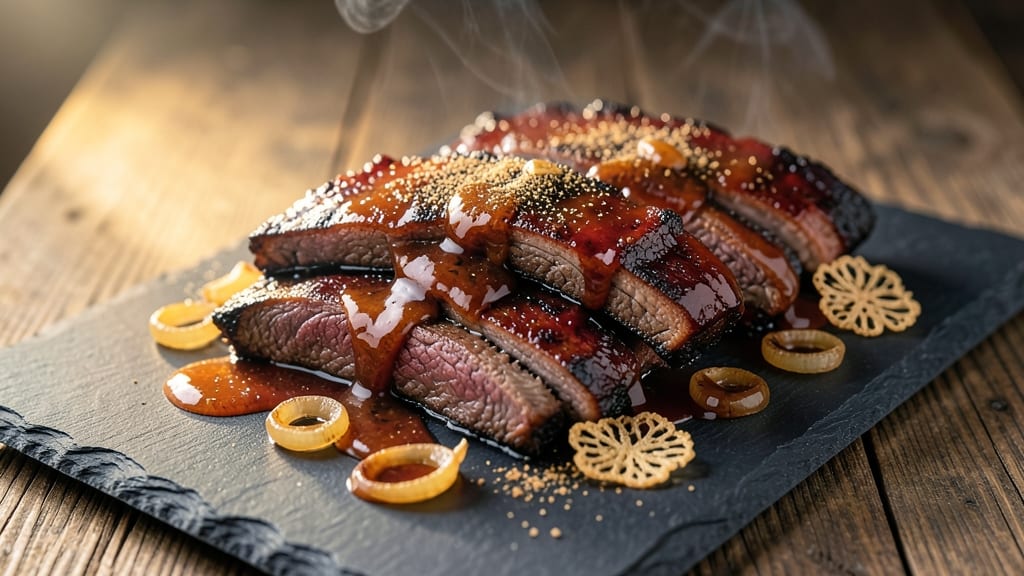
This barbecue beef back ribs recipe delivers the kind of tender, fall-apart meat that turns weeknight dinners into legendary cookouts. 🔥 After years of perfecting my pitmaster technique, I've cracked the code for achieving that signature spice-rubbed crust with sticky-sweet meat that practically melts in your mouth.
The secret lies in the 3-2-1 method - three hours of smoke, two hours wrapped, one hour unwrapped - which transforms tough cuts into restaurant-quality ribs without requiring expensive equipment.
The process begins with proper trimming and a carefully balanced dry rub that creates a flavorful bark while keeping the meat tender.
I've tested countless spice blends, and this combination of brown sugar, smoked paprika, and cayenne delivers that perfect balance of sweet, smoky, and spicy notes that barbecue lovers crave. The key is patience - letting the ribs develop their crust slowly over indirect heat while maintaining consistent temperature control.
By the time you're done, you'll have ribs with a caramelized exterior that cracks with every bite, revealing tender meat that falls apart at the touch of a fork.
The sauce - if you choose to use one - clings to every surface, creating that perfect sticky-sweet glaze that makes these ribs irresistible. This is the kind of recipe that transforms simple ingredients into a showstopping centerpiece for any gathering.
Serve with classic barbecue sides like tangy coleslaw and buttery cornbread, or pair with a crisp craft beer to cut through the richness. The aroma alone will have everyone gathering around your grill, and the taste will have them begging for seconds.
Let's get cooking - these ribs are worth every minute of the process.
Ingredients for barbecue beef back ribs
Four pounds of meaty ribs plus a few pantry staples—this is your shortcut to legendary smoky flavor.
| Ingredient | Amount | Notes |
|---|---|---|
| Beef Back Ribs 🍖 | 4 lb | Bone-in, meaty ends preferred |
| Yellow Onion 🧅 | 1 whole | Quartered for trimming |
| Brown Sugar 🍚 | ½ cup | Packed, light variety |
| Smoked Paprika 🌶️ | 2 tbsp | High-quality smoked variety |
| Cayenne Pepper 🔥 | 1 tsp | Adjust for heat preference |
| Kosher Salt 🧂 | 1 ½ tbsp | Diamond Crystal preferred |
| Black Pepper 🌶️ | 1 tsp | Freshly ground preferred |
| Garlic Powder 🧄 | 1 tbsp | Fresh ground if possible |
| Apple Cider Vinegar 🍎 | 2 tbsp | For sauce acidity |
| Honey 🍯 | ¼ cup | Wildflower preferred |
| Yellow Mustard 🟡 | 1 tbsp | Dijon for extra tang |
| Aluminum Foil 📄 | 2 sheets | Heavy-duty for wrapping |
| Wood Chips 🌳 | 2 cups | Hickory or oak preferred |
| Water 💧 | 1 cup | For soaking wood chips |
The ribs are the star, so grab the meatiest ends you can find—those bone-in sections at the top hold more flavor. Costco or local butchers often have the best cuts, but the regular grocery store ribs work too if you trim off excess fat. Look for good marbling—fat equals flavor. I always buy mine a day ahead and let them sit uncovered in the fridge to dry out the surface slightly (don't skip this!). The wood chips? Hickory is classic, but oak adds a slightly sweeter note—whatever you've got in your smoker works. Soak them for 30 minutes before using.
No smoked paprika? Regular paprika plus a pinch of liquid smoke gets you close, but the real stuff makes all the difference. Brown sugar can be swapped for white sugar plus a teaspoon of molasses if you're out. The sauce—if you choose to make it—can be simplified with just honey and vinegar (skip the mustard), but the mustard adds that perfect tang. For the rub, I like to mix everything in a bowl and pat it on thick—about 1/4 cup per pound of ribs. Pro tip: Use a paper towel to wipe off any excess rub before smoking—it prevents burning. And if you don't have a smoker? Oven + foil packet works in a pinch (275°F for 3 hours).
These ribs are worth the wait—3-2-1 method is non-negotiable for that perfect crust. Store any leftover sauce in a jar for up to 2 weeks in the fridge, or freeze it for 3 months. The ribs themselves reheat beautifully—wrap in foil and warm in a 300°F oven for 15 minutes. I always make extra because they disappear fast. Leftovers keep for 4 days in the fridge, but honestly? They rarely last that long. The secret to great ribs isn't just the cooking—it's the patience to let the flavors develop.
Why You'll Love This Recipe
- These ribs work anywhere: pack them for a game day, serve them at a backyard BBQ, or just heat up a portion for a lazy night. Between us, they’re my go-to when I don’t want to fuss but still crave something impressive.
- No Fuss, Big Payoff: I swear by this recipe because it’s actually simple—just a handful of pantry staples (smoked paprika, brown sugar, cayenne) and an hour of hands-off oven time. The ribs practically cook themselves while you chop one onion and mix the rub.
- Sweet Heat Magic: That combo of brown sugar and cayenne? It’s ridiculously good—caramelized edges with a slow-building warmth that makes every bite satisfying. Honestly, the first time I tasted it, I immediately doubled the recipe.
- Tailgate or Tuesday: These ribs work anywhere: pack them for a game day, serve them at a backyard BBQ, or just heat up a portion for a lazy night. Between us, they’re my go-to when I don’t want to fuss but still crave something impressive.
Step-by-step instructions for smoky sweet beef back ribs
Here's how to transform tough ribs into fall-apart tender meat with a perfect bark.
🔥 Step 1: Prep and Season the Ribs for Maximum Flavor
Start by trimming any excess fat from the 4 lb beef back ribs but leave about ¼ inch of fat cap for moisture during cooking. Pat the ribs completely dry with paper towels—this helps the rub stick and creates that coveted crispy bark.
In a small bowl, mix together 0.5 cup brown sugar, 2 tbsp smoked paprika, 1 tsp cayenne pepper, 1.5 tbsp kosher salt, 1 tsp black pepper, and 1 tbsp garlic powder. Rub this mixture generously all over the ribs, pressing it into the meat so it clings well. Let the seasoned ribs sit at room temperature for 30 minutes before cooking—this ensures even cooking and better bark formation.
🔥 Step 2: Set Up Your Smoker for Perfect Smoke
Soak the 2 cups wood chips in 1 cup water for 30 minutes to prevent burning. Set up your smoker and preheat to 225°F using the soaked wood chips. I like to use hickory or oak for that classic barbecue flavor. Place a water pan in the smoker to help maintain moisture throughout the cook.
Once the smoker reaches temperature and you see clean, blue smoke (not thick white steam), place the ribs bone-side down on the grill grates. This position allows the meat to cook evenly and helps render the fat, which will baste the ribs as they cook. Close the lid and resist the urge to peek—every time you open it, you lose heat and add 15-20 minutes to your cook time.
🥘 Step 3: Cook Low and Slow Until Probe-Tender
Smoke the ribs for 3-4 hours until the internal temperature reaches 165°F and the bark is deep brown. You'll notice the ribs hit "the stall" around 165-170°F, where the temperature stops rising. This is normal and happens as moisture evaporates from the meat.
Here's the thing—when you hit the stall, wrap the ribs tightly in 2 sheets aluminum foil with 2 tbsp apple cider vinegar, 0.25 cup honey, and 1 tbsp yellow mustard mixed together inside the foil. This technique, called the "Texas crutch," helps power through the stall while adding moisture and flavor. Return the ribs to the smoker and continue cooking.
⏰ Step 4: Finish Cooking to Fall-Apart Tenderness
Continue smoking until the internal temperature reaches 203°F and a meat probe slides in like butter with no resistance. This usually takes another 2-3 hours, but don't rush it—patience is key for perfect ribs. The ribs should have a beautiful dark bark on the outside and a pink smoke ring just beneath the surface.
Once done, remove the ribs from the smoker and let them rest for 15-20 minutes before serving. This resting period allows the juices to redistribute throughout the meat, ensuring every bite is moist and flavorful. The ribs should practically fall apart when you pull them with tongs—this is your reward for the low-and-slow process.
🍽️ Step 5: Serve with Classic BBQ Sides
Slice the ribs between the bones and serve immediately with your favorite barbecue sides. The combination of smoky, sweet, and tangy flavors creates a perfect balance that's hard to resist. Don't forget to save some of that delicious sauce from the foil wrap for dipping!
Real talk: these ribs are worth the time. The bark is crispy, the meat is tender, and the flavor is a perfect blend of smoky, sweet, and tangy. You'll want to make these again and again—trust me!
Pro Tips For Making Barbecue Beef Back Ribs
- Trim the Fat First: Slice off that thick silver skin and any excess fat before cooking—it’s the only way to guarantee even heat penetration and a proper bark. I learned this the hard way when my ribs took 45 minutes longer to cook because I skipped it, and the edges stayed tough.
- Brown Sugar Early: Mix the brown sugar into your rub before applying it to the ribs, not after. It’ll stick better and caramelize faster, giving you that sticky, sweet glaze without extra fuss. (Yes, even if you’re impatient like me.)
- Skip the Crowding: If you’re cooking these on the grill or in a pan, resist the urge to stack them. Overlapping ribs steams them instead of searing, and that’s how you end up with sad, gray meat. Give them space—at least an inch between racks.
- Rest Before Slicing: Let those ribs sit under foil for 5-10 minutes after cooking. The meat will reabsorb juices, and the bones will stay intact when you cut. I know, I know—you want to dig in immediately—but trust the process. Your first bite will be worth it.
Regional styles of this dish
Texas Style
Texas barbecue is all about the meat—thick, smoky, and tender with a focus on beef. The signature technique here is the Texas crutch: when ribs hit 165°F, wrap them tightly in heavy-duty foil with apple cider vinegar, honey, and mustard to push through the stall.
I learned this from my grandfather, who swore by the method to create that perfect sticky-sweet glaze. Texas ribs are often served with white bread for soaking up sauce and pickled jalapeños for heat. The key? Hickory smoke and low-and-slow patience—no shortcuts here. 🌶️
Carolina Tradition
Carolina-style ribs lean into a vinegar-based sauce with a tangy kick, often featuring pepper vinegar or hot sauce. The rub is simpler here—just salt, pepper, and cayenne—letting the sauce shine.
I remember my first trip to a Carolina pitmaster who cooked ribs at 250°F for 6-8 hours with a pepper vinegar spray every hour. The result? A thin, crispy bark with a sauce that clings like glue. Serve with creamy coleslaw and cornbread for the full experience. 🔥
Memphis Dry Rub
Memphis ribs are famous for their dry rub—no sauce needed, just brown sugar, smoked paprika, and a touch of cayenne for that signature sweet-and-smoky flavor. The secret? Charcoal smoke and a 3-2-1 method (3 hours unwrapped, 2 hours wrapped, 1 hour unwrapped).
I once watched a Memphis pitmaster flip the ribs every hour to ensure even bark development. The ribs are sliced between the bones and served with white bread for dipping. No sauce here—just pure, smoky, sweet perfection. 🍖
Kansas City Sweet Glaze
Kansas City ribs are all about the sauce—a tomato-based glaze with molasses, brown sugar, and a hint of spice. The rub is bold: brown sugar, smoked paprika, and garlic powder for depth.
I love how Kansas City pitmasters baste the ribs with sauce during the last hour of cooking. The result? A sticky, caramelized crust with tender meat underneath. Serve with baked beans and potato salad for the full KC experience.
The sauce is so good, you’ll want to eat it with a spoon. 💛
Alabama White Sauce
Alabama-style ribs feature a white sauce made with mayonnaise, vinegar, and cayenne, giving them a creamy, tangy profile. The rub is simpler—just salt, pepper, and a touch of brown sugar—so the sauce can take center stage.
I once tried making this sauce with Duke’s mayonnaise (a Southern staple) and hot sauce for extra heat. The ribs are cooked low and slow with hickory smoke, then glazed with the sauce in the final hour. Serve with pickles and hushpuppies for the ultimate Alabama spread. 🌟
Nutrition facts
Frequently asked questions
How long should I let the ribs rest before slicing?
Always let the ribs rest for 15-20 minutes after removing them from the smoker. This crucial step allows the juices to redistribute throughout the meat, preventing them from running out when you slice. Pro tip: Tent them loosely with foil to keep warm while they rest.
Can I cook these ribs in an oven instead of a smoker?
Preheat your oven to 275°F and place the ribs on a rack over a baking sheet. Cook for 3 hours unwrapped, then wrap tightly in foil with the sauce mixture and cook another 2 hours. Finish unwrapped for 1 hour to develop the bark. The texture will be slightly different but still delicious.
What's the best way to store leftover ribs?
Store cooked ribs in an airtight container in the fridge for up to 4 days. For longer storage, wrap tightly in foil and freeze for 3 months. To reheat, warm in a 300°F oven for 15 minutes wrapped in foil. Never microwave—it makes the meat tough.
Why did my ribs turn out dry? Dry ribs usually happen from overcooking or opening the smoker too often. The meat should reach 203°F internal temp—any higher and it dries out. Also,
What's the difference between beef back ribs and spare ribs?
Beef back ribs come from the loin area and have more meat per bone, while spare ribs come from the belly and have more fat. Back ribs are more tender and flavorful, making them ideal for this recipe. Spare ribs need longer cooking times and often benefit from extra moisture during cooking. For this recipe, stick with back ribs for best results.