
Main Courses
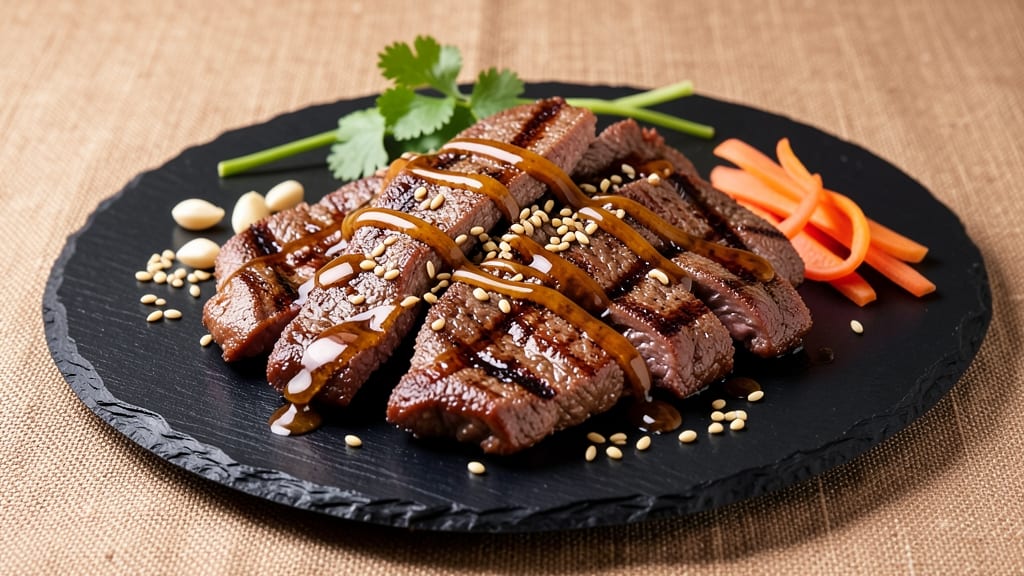
This Asian fried beef recipe delivers the perfect balance of crispy golden edges and tender, flavorful meat that disappears in seconds. 🔥 The secret lies in a marinade that tenderizes the beef while building layers of sweet, savory, and umami—inspired by Korean bulgogi techniques but simplified for home cooks.
Whether you're making it for a weeknight dinner or a weekend feast, this dish transforms simple ingredients into something restaurant-worthy.
The magic happens in two stages: first, the beef marinates overnight in a blend of soy sauce, brown sugar, garlic, and sesame oil, which breaks down the fibers for maximum tenderness.
Then, a quick pan-fry creates that signature crispy crust while keeping the inside juicy. The result? Bite-sized pieces that are irresistibly addictive—sweet on the surface, savory and silky inside.
Serve it over steamed rice with a side of quick-pickled vegetables or a simple cucumber salad to balance the richness. The dish is versatile enough for any occasion, yet feels special enough for guests. This isn't just fried beef—it's a flavor experience that will have everyone asking for seconds.
Ready in under 30 minutes (plus marinating time), this recipe proves you don't need a wok or years of experience to make restaurant-quality Asian fried beef at home. Let's get cooking!
Ingredients for asian fried beef
The cornerstone of this crispy, silky-sweet fried beef lies in these carefully balanced ingredients—each playing a crucial role in texture and flavor.
| Ingredient | Amount | Notes |
|---|---|---|
| Flank Steak 🥩 | 1 ½ lb | Thinly sliced against grain |
| Kosher Soy Sauce 🥄 | ½ cup | High-quality brand like Kikkoman |
| Brown Sugar 🍚 | ¼ cup | Packed firmly |
| Sesame Oil 🫒 | 2 tbsp | Toasted sesame oil preferred |
| Garlic Cloves 🧄 | 6 cloves | Minced finely |
| Fresh Ginger 🌿 | 1 tbsp | Grated, not powdered |
| Rice Vinegar 🍶 | 1 tbsp | White or seasoned |
| Vegetable Oil 🫒 | ½ cup | High smoke point |
| Toasted Sesame Seeds 🌾 | 1 tbsp | For garnish |
| Green Onions 🧅 | 3 whole | Sliced thinly |
| Diamond Crystal Kosher Salt 🧂 | 1 tsp | For seasoning |
| Ground Black Pepper 🌶️ | ½ tsp | Freshly cracked |
| Cornstarch 🌾 | 2 tbsp | For crispy coating |
The beef selection is non-negotiable for this dish. Flank steak delivers the perfect tenderness-to-crisp ratio when sliced thinly against the grain—Costco or Whole Foods carry high-quality cuts, but any well-marbled flank steak works. For the marinade, Kikkoman soy sauce provides the authentic umami depth, while Lundberg organic brown sugar ensures a rich caramelization without artificial additives. Fresh ginger and garlic are essential; powdered substitutes lack the vibrant punch. Toasted sesame oil adds nutty complexity, so look for it in the international aisle of most supermarkets or at Asian markets for superior quality.
No sesame oil? Avocado oil or neutral vegetable oil works in a pinch, though the flavor will differ. Substituting white sugar for brown reduces caramel depth—stick with brown for that signature sweet-spiced crust. For a gluten-free version, swap soy sauce for tamari or coconut aminos, though the flavor profile shifts slightly. The cornstarch coating is critical for that restaurant-style crispiness—don't skip it. If you're short on time, marinate for at least 4 hours instead of overnight; the beef will still be tender, though slightly less flavorful. The green onions add freshness, but scallions or chives work equally well if that's what you have on hand.
Marinated beef keeps 3-4 days in the fridge, covered tightly—air exposure dulls the flavors. For longer storage, freeze the marinated beef (uncooked) for up to 3 months in a sealed container. Once fried, leftovers reheat beautifully in a hot skillet or air fryer for 2-3 minutes until crispy again. The dish pairs perfectly with steamed jasmine rice or cold noodles to soak up every last bit of that savory-sweet sauce. Portion into meal prep containers for 3-4 days of easy lunches—just reheat and serve.
Why You'll Love This Recipe
- One-Pan Magic: I swear by this recipe—just the steak, a splash of soy sauce, and a quick sear. No chopping, no fussing, no extra pans. The garlic and sugar caramelize right in the skillet while you’re tossing together the rest.
- Sweet-Savory Crunch: That crispy edge on the beef? Chef’s kiss. The brown sugar and soy sauce create this perfect balance—salty, sweet, with a hint of smoky garlic. Honestly, the first bite makes me forget I’m cooking.
- Lunchbox Hero: Between us, this is my go-to for meal prep. Slice the beef thin, pack it with rice, and boom—you’ve got a lunch that’ll have coworkers asking for the recipe. (I always play it cool and say, “Oh, it’s nothing special.”)
- Budget Win: Flank steak is affordable, and a single pan of this feeds four for under $15. Plus, leftovers reheat like a dream—crispy again, no soggy bits. My wallet and my taste buds thank me every time.
Step-by-step instructions for crispy Asian fried beef
Master this technique and you'll achieve restaurant-quality texture—crispy exterior, tender interior, and perfect balance of sweet-spiced flavors.
👨🍳 Step 1: Prepare the Marinade and Prep the Beef
In a medium bowl, whisk together the 0.5 cup kosher soy sauce, 0.25 cup brown sugar, 2 tbsp sesame oil, 1 tbsp rice vinegar, 6 cloves minced garlic cloves, and 1 tbsp grated fresh ginger. This marinade is the flavor foundation—don't skip the fresh ginger, as it adds depth that powdered can't match.
Place the 1.5 lb flank steak in a resealable plastic bag and pour the marinade over it. Seal the bag and massage the marinade into the meat, ensuring it coats all surfaces evenly. Refrigerate for at least 4 hours, or ideally overnight. The longer it marinates, the more tender and flavorful the beef becomes. I've found that marinating overnight yields the best results—just don't exceed 24 hours or the meat can become mushy.
🔪 Step 2: Slice and Coat the Beef for Maximum Crisp
Remove the beef from the marinade (reserve the marinade for later) and slice it thinly against the grain into ¼-inch thick strips. The grain direction is crucial—you'll see the muscle fibers running through the meat. Cutting against these fibers ensures each bite is tender.
In a shallow dish, combine the 2 tbsp cornstarch, 1 tsp diamond crystal kosher salt, and 0.5 tsp ground black pepper. Toss the sliced beef strips in this mixture until they're evenly coated. The cornstarch creates that signature crispy exterior we're after. Let the coated beef rest for 10 minutes while you preheat your oil—this allows the cornstarch to adhere better and prevents clumping during frying.
🔥 Step 3: Fry to Golden Perfection
Heat 0.5 cup vegetable oil in a large skillet over medium-high heat until it reaches 350°F—the oil should shimmer but not smoke excessively. Test the temperature by dropping in a small piece of beef; it should sizzle immediately and float to the surface. This is the sweet spot for achieving that crispy crust without burning the cornstarch coating.
Working in batches (don't overcrowd the pan), fry the beef for 1-2 minutes per side until it turns a deep golden brown. The cornstarch should create a crispy, lacy crust that contrasts beautifully with the tender beef inside. If the oil temperature drops below 325°F, you'll lose crispiness—maintain that heat by adjusting the burner as needed. Transfer the fried beef to a paper towel-lined plate to drain excess oil.
🍳 Step 4: Finish with the Sweet-Spiced Sauce
Return the skillet to medium heat and add the reserved marinade. Simmer for 3-4 minutes until the sauce thickens slightly and coats the back of a spoon. The sugar in the marinade will caramelize slightly, adding depth to the sauce. If the sauce is too thick, add 1-2 tablespoons water to reach your desired consistency.
Return the fried beef to the skillet and toss gently to coat in the sauce. The residual heat will finish cooking the beef and create a glossy sheen on the crispy exterior. This is where all the flavors come together—the sweetness of the caramelized sugar, the umami from the soy sauce, and the aromatic garlic and ginger.
🍽️ Step 5: Garnish and Serve Immediately
Transfer the beef to a serving platter and sprinkle with 1 tbsp toasted sesame seeds and 3 whole sliced green onions. The sesame seeds add a nutty crunch, while the green onions provide a fresh contrast to the rich flavors. Serve immediately while the beef is still crispy—it won't maintain its texture for long once removed from the heat.
This dish is best enjoyed hot, straight from the pan. The contrast of the crispy exterior with the tender beef and sweet-spiced sauce creates a perfect balance of textures and flavors. For an extra touch, serve with steamed jasmine rice to soak up all that delicious sauce.
Pro Tips For Making Asian Fried Beef
- Slice Against the Grain: I learned this the hard way—cutting flank steak with the grain gives you chewy, rubbery bites. Instead, angle your knife at 45 degrees to the grain and slice perpendicular to the muscle fibers. Yes, it takes a little practice, but your mouth will notice the difference immediately.
- Marinate Overnight (Not 30 Minutes): Brown sugar and soy sauce need time to break down the tough flank steak fibers. I used to rush it, and the beef always came out dry. Let it sit in the fridge for at least 12 hours—24 is even better. Trust me, the texture transforms.
- Use a Heavy Pan: Thin stainless steel or nonstick pans won’t handle the heat needed for a proper sear. Grab a cast-iron skillet or heavy stainless—it’ll get hot fast and keep it there. Crowding the pan? That’s how you steam instead of sear. Give the beef space.
- Deglaze with Garlic First: After searing, don’t just toss in the sauce—sizzle minced garlic in the hot pan for 30 seconds first. The charred garlic adds depth before the soy and sugar join the party. Skip this, and you’re missing a layer of flavor that makes the difference between "good" and "wow."
Troubleshooting this recipe
Oil Too Hot?
If your oil smokes excessively or the beef burns before turning golden, your oil is too hot. Reduce the heat to medium and let it stabilize at 325-350°F.
I’ve found that avocado oil maintains heat better than vegetable oil, so consider switching brands if you’re having temperature control issues. 🔥
Beef Too Chewy?
Overcooking is the usual culprit here. Fry the beef for strictly 1-2 minutes per side—any longer and the cornstarch crust will burn while the inside stays tough. For extra tenderness, marinate for at least 8 hours (overnight is ideal) and slice against the grain as directed.
Using flank steak instead of sirloin also helps—it’s leaner and more forgiving.
Sauce Too Thin?
The marinade should thicken naturally as it simmers, but if it’s still runny, return the skillet to medium-high heat and reduce it uncovered for 2-3 extra minutes.
For a quicker fix, mix 1 tsp cornstarch with 1 tbsp water, stir into the sauce, and simmer for 1 minute until glossy. Avoid adding too much water—this dilutes the flavors.
Cornstarch Not Crispy?
This usually means the beef wasn’t coated evenly or the oil wasn’t hot enough. Toss the beef in the cornstarch mixture twice for full coverage, and let it rest for 10 minutes before frying.
If your pan isn’t large enough, fry in smaller batches—overcrowding steams the beef instead of crisping it. A 12-inch cast iron skillet works best for even heat distribution.
Flavor Too Mild?
Boost the umami by adding 1 tsp fish sauce or ½ tsp white pepper to the marinade. For extra depth, stir in 1 tbsp hoisin sauce when finishing the beef in the pan.
If your soy sauce is low-quality, switch to Kikkoman or Lee Kum Kee—they pack more authentic flavor. A splash of rice vinegar at the end also brightens the dish.
Leftovers Too Soggy?
Reheat fried beef in a hot skillet (not microwave) for 1-2 minutes to restore crispiness. For storage, keep fried beef in an airtight container with a paper towel on top to absorb moisture.
If reheating, add ½ tsp cornstarch to the pan before returning the beef—this recreates the crispy crust. Never refrigerate fried beef in its own juices; drain excess oil first. ❄️
Nutrition facts
Frequently asked questions
What cut of beef works best for this recipe?
Flank steak is ideal because it's lean, tender when sliced thinly, and develops that perfect crispy crust. For extra tenderness, look for well-marbled cuts like sirloin or ribeye. Avoid tougher cuts like chuck—they won't break down enough during marinating.
Can I make this recipe without cornstarch?
Yes, but the texture will differ. Substitute with all-purpose flour or potato starch for a lighter coating. For a gluten-free option, use arrowroot powder (mix with equal parts flour). Just note the crust won't be as crispy—cornstarch creates that signature lacy texture.
How do I prevent the beef from sticking to the pan?
Ensure your oil reaches 350°F before frying, and use enough oil to coat the bottom of the pan by ¼ inch. Pat the beef dry thoroughly before coating—any moisture causes sticking. A 12-inch cast iron skillet works best for even heat distribution.
What sides pair well with this dish?
Steamed jasmine rice is classic, but try quick-pickled cucumbers or stir-fried bok choy for freshness. For a heartier meal, add miso soup or steamed dumplings. The sweet-spiced beef balances well with tangy or neutral sides.
Can I use ground beef instead of steak?
Ground beef works but requires adjustments. Use 80/20 lean-to-fat ratio for juiciness, and form into small patties before frying. Skip the marinating step—just toss with the cornstarch mixture. For best results, press the beef into thin discs before cooking.