
Main Courses
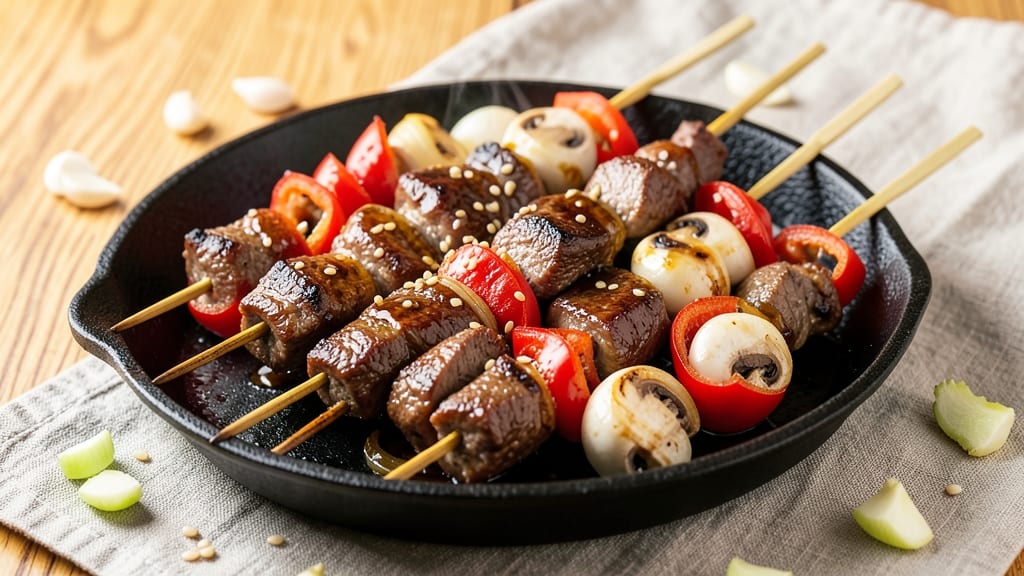
This Asian beef kabobs recipe transforms simple ingredients into charred-sweet bites that balance smoky grill marks with sticky-sweet glaze perfection. 🔥 The secret lies in marinating flank steak with a blend of soy sauce, brown sugar, and aromatic spices—creating tender, flavorful cubes that hold up beautifully on skewers.
What sets this apart is the dual-cooking method: searing over high heat for caramelized edges, then finishing with a quick broil to lock in juices and intensify the glaze.
Inspired by Japanese yakitori and Thai satay techniques, this recipe delivers restaurant-quality results at home with minimal effort. The marinade works overnight for maximum flavor penetration, while the skewering process ensures even cooking.
Pair these kabobs with steamed jasmine rice and a simple cucumber salad to complete the meal—each bite offers a harmony of textures and flavors that feels both familiar and excitingly new.
By the time you're done, you'll have juicy, caramelized beef with a glossy glaze that clings to every skewer. The aroma alone will draw everyone to the table, and the contrast of tender meat with crisp edges creates a satisfying bite.
This is the kind of dish that elevates weeknight dinners into something special without requiring advanced skills.
Perfect for grilling season or weeknight meals, these kabobs reheat well for leftovers and scale easily for gatherings. The technique is simple enough for beginners but impressive enough for any occasion—ideal for those who want bold flavors with minimal fuss. Let's get cooking!
Ingredients for asian beef kabobs
Simple yet transformative ingredients create restaurant-quality Asian beef kabobs with perfect char and glaze.
| Ingredient | Amount | Notes |
|---|---|---|
| Flank Steak 🥩 | 1 ½ lb | Center-cut, 1-inch thick slices |
| Low-Sodium Soy Sauce 🍶 | ½ cup | For balanced saltiness |
| Brown Sugar 🍚 | ¼ cup | Packed, light or dark |
| Sesame Oil 🫒 | 1 tbsp | Toasted, for aroma |
| Garlic Cloves 🧄 | 6 cloves | Minced, fresh preferred |
| Fresh Ginger 🌿 | 1 tbsp | Grated, finely |
| Honey 🍯 | 2 tbsp | Wildflower preferred |
| Rice Vinegar 🍶 | 1 tbsp | Seasoned or white |
| Ground Black Pepper 🌶️ | 1 tsp | Freshly cracked |
| Wooden Skewers 🪵 | 12 whole | Soaked 30 mins in water |
| Green Onions 🧅 | 4 whole | Cut into 2-inch pieces |
| Red Bell Pepper 🌶️ | 1 whole | Cut into 1-inch chunks |
| Extra-Virgin Olive Oil 🫒 | 1 tbsp | For brushing skewers |
The flank steak is your canvas here—center-cut, 1-inch thick slices ensure even cooking and maximum tenderness. Skip the pre-sliced packages at the grocery store and ask the butcher to cut it for you; this guarantees better quality. For the marinade, low-sodium soy sauce is key—it prevents oversalting while delivering deep umami. If you can't find it, regular soy sauce works, but reduce the salt in other ingredients. The brown sugar should be packed for accurate measurement, and light or dark doesn't matter—just make sure it's not clumped with moisture. Fresh ginger and garlic are non-negotiable for authentic flavor, so don't substitute with powdered versions unless you're in a pinch.
No sesame oil? Toasted peanut oil or avocado oil work in a bind, though the aroma won't be identical. Running short on honey? Maple syrup or agave nectar at the same amount keeps the sweetness balanced. The rice vinegar adds brightness—substitute apple cider vinegar if that's what you have. For the skewers, soaked wooden skewers are traditional, but metal ones work too if you're grilling over direct flame. The bell pepper and green onions add color and crunch; swap in snap peas or zucchini if you prefer. Prep the vegetables first—they'll soften while the meat marinates, so cut them right before assembling the skewers for the best texture.
Marinate the beef for at least 4 hours, overnight for best results—this ensures deep flavor penetration. Store leftovers in an airtight container for up to 3 days in the fridge, though they reheat best when fresh. The skewers can be prepped ahead and refrigerated, but don't marinate them—just assemble them before cooking. For freezing, blot the marinated meat dry and freeze on a tray before transferring to a bag. Thaw in the fridge overnight before cooking. The glaze thickens as it cools, so reheat gently to restore its glossy consistency—this keeps the kabobs juicy and the sauce clinging perfectly.
Why You'll Love This Recipe
- One-Pan Magic: I swear by this recipe when I’m too tired to clean up. Slice the flank steak against the grain, toss it in that sticky-sweet soy-browned sugar marinade with garlic and sesame oil, then skewer—done. No cutting boards to scrub, no pots to wash. Just grill, eat, and call it a night.
- Caramelized Crunch: That brown sugar glaze? It’s the star. The steak gets this irresistible char on the outside while staying tender inside, and the sesame oil adds a nutty finish that makes every bite feel like a little reward. Honestly, the first time I made it, I ate straight from the skewers.
- Weeknight or Weekend: Throw these on the grill for a summer BBQ or pop them in the oven when you’re craving takeout but don’t want to order. My college-aged son even asked for them after a late-night study session—(yes, even on a Tuesday night). The marinade keeps well, so I double it and freeze half for lazy days.
- Budget-Friendly Feast: Flank steak stretches further than you’d think when sliced thin, and the marinade costs pennies. Between us, this is how I feed four people for under $15 without sacrificing flavor. Plus, leftovers reheat like a dream—just toss them back on the grill for that same smoky kick. No sad, dry meat here.
Step-by-step instructions for Asian beef kabobs
Here's the method for perfectly balanced kabobs with caramelized edges and a glossy glaze.
🔪 Step 1: Prep and Marinate the Flank Steak
Slice the 1.5 lb flank steak against the grain into 1-inch strips—this ensures tender bites. Trim any excess fat and discard. In a large bowl, combine the 0.5 cup low-sodium soy sauce, 0.25 cup packed brown sugar, 1 tbsp sesame oil, 6 minced garlic cloves, 1 tbsp grated fresh ginger, 2 tbsp honey, 1 tbsp rice vinegar, and 1 tsp ground black pepper. Whisk until the brown sugar dissolves completely, creating a thick, syrupy marinade.
Add the steak strips to the marinade, turning to coat evenly. Cover and refrigerate for at least 4 hours (overnight is ideal). The longer it marinates, the deeper the flavor penetration and the more caramelized the edges will become when grilled. Real talk: This step is non-negotiable for that restaurant-quality taste.
🥘 Step 2: Prep Vegetables and Skewer
While the steak marinates, cut the 4 whole green onions into 2-inch pieces and the 1 whole red bell pepper into 1-inch chunks. Soak the 12 wooden skewers in water for 30 minutes to prevent burning on the grill.
Thread the vegetables and beef onto the skewers, alternating between 1 piece red bell pepper, 1 piece green onion, and 2-3 beef strips per skewer. Leave a small gap at the top to prevent overcrowding—this ensures even cooking and prevents the vegetables from steaming instead of charring. Brush the skewers lightly with 1 tbsp extra-virgin olive oil to help them sear beautifully on the grill.
🔥 Step 3: Grill to Perfect Doneness
Preheat your grill to medium-high heat (400-425°F) and clean the grates thoroughly. Once hot, place the skewers on the grill and cook for 8-10 minutes, turning occasionally, until the beef reaches 145°F internal temperature and develops deep grill marks. The vegetables should be tender-crisp with slightly charred edges.
Here's the thing—don't rush the cooking. The beef needs time to develop that perfect sear while the vegetables soften just enough to complement the tender meat. If the grill flames up too much, move the skewers to a cooler part of the grill or reduce the heat briefly. The goal is caramelized beef with charred vegetables, not burnt kabobs.
🍳 Step 4: Glaze and Serve
While the kabobs grill, reduce the leftover marinade in a small saucepan over medium heat for 3-4 minutes until it thickens slightly into a glossy glaze. The mixture should coat the back of a spoon—this is your signal it's ready.
Once the kabobs are done, transfer them to a serving platter and immediately brush with the reduced glaze. Let them rest for 2-3 minutes before serving—this allows the juices to redistribute, ensuring each bite is moist and flavorful. Garnish with extra green onions if desired, and serve with a side of steamed rice or a fresh cucumber salad to balance the richness.
Pro Tips For Making Asian Beef Kabobs
- Slice Against the Grain: Flank steak’s tough fibers run diagonally—cutting perpendicular to them shortens chew time. I used to ignore this and ended up with kabobs that needed a fork. Take 10 minutes to slice thinly after cooking, or your guests will chew through the whole meal.
- Marinate Overnight, Not 30 Minutes: I learned this the hard way—rushing the marinade means the soy sauce and brown sugar barely penetrate. Two hours minimum, but overnight is ideal. The sugar caramelizes better too, giving those kabobs that sticky, glossy crust.
- Use a Meat Thermometer: Flank steak’s a lean cut and overcooks fast. Pull it at 130°F (medium-rare) for juicy bites—it’ll rise to 135°F while resting. My first batch turned out dry because I eyeballed it. Trust the thermometer, not your guesswork.
- Toast the Garlic First: Raw garlic cloves in the marinade can taste bitter. Mince them, then sauté in 1 tsp sesame oil for 30 seconds until fragrant. Cool before mixing into the soy-brow sugar blend—this adds depth without overpowering the beef’s flavor.
Make-ahead tips for leftovers
Marinade Prep Ahead
Make the marinade up to 2 days in advance and store it in an airtight container in the fridge. I always double the batch—I use it for other dishes like stir-fries or grilled chicken.
The flavors meld beautifully overnight, developing deeper caramel notes that elevate your kabobs. Just whisk it again before using to redistribute any settled ingredients. 💫
Skewer Assembly
Assemble the skewers 1-2 hours before grilling and refrigerate them uncovered on a tray. This prevents sogginess while keeping the meat tender. I like to label them with a toothpick and a Sharpie—"Beef & Veggie #1" makes serving easier.
Avoid overcrowding the skewers; 2-3 beef strips per skewer ensures even cooking and prevents steaming. 🪵
Marinated Meat Storage
Store marinated beef in its marinade in an airtight container for up to 3 days in the fridge. For longer storage, freeze it in a single layer on a tray before transferring to a freezer bag.
Thaw overnight in the fridge—never at room temperature. When ready to cook, pat the meat dry with paper towels to help it sear better on the grill. 🥶
Glaze Make-Ahead
Reduce the glaze ahead of time and store it in a small jar in the fridge for up to 1 week. Reheat it gently in a saucepan over low heat until warm and glossy.
I like to keep a small jar on hand for last-minute kabob dinners—just brush it on fresh from the grill. The glaze thickens when cold, so reheating restores its perfect consistency. 🍯
Vegetable Prep
Cut all vegetables 1 day ahead and store them in separate airtight containers in the fridge. Bell peppers and green onions hold up well for 3-4 days this way.
Keep them dry to prevent sogginess. When you're ready to assemble the skewers, simply thread them onto the soaked skewers—no extra prep needed. 🌶️
Grill Prep Tips
Prep your grill 30 minutes before cooking. Clean the grates thoroughly with a wire brush and oil them lightly with a folded paper towel dipped in olive oil. I always keep a spray bottle of oil nearby for quick touch-ups.
If you're using a gas grill, preheat it to 400-425°F—charcoal grills take longer to reach this temperature. This ensures your kabobs get that perfect sear right from the start. 🔥
Nutrition facts
Frequently asked questions
Can I use flank steak substitutes like sirloin or ribeye for these kabobs?
Yes, but with adjustments! Ribeye works beautifully—it's more tender and richer, so reduce marinating time to 2-3 hours to avoid over-tenderizing. Sirloin is leaner, so marinate it overnight and grill at medium heat to prevent drying out. For best texture, always slice against the grain and use 1-inch thick cuts.
What's the secret to preventing the kabobs from falling apart on the skewer?
Pat the marinated beef very dry with paper towels before skewering—this helps the meat sear better and reduces moisture that could weaken the skewers. Use metal or soaked wooden skewers and avoid overcrowding. For extra security, thread a green onion piece at both ends of each skewer to act as a "stopper."
How do I adjust this recipe for an indoor broiler instead of a grill?
Preheat your broiler to high (500°F) and line a baking sheet with foil. Place skewers on the rack 3-4 inches from the heat source. Broil for 6-8 minutes, turning once, until the beef reaches 145°F and develops grill marks. Watch closely—the broiler can cook faster than a grill! For extra char, broil for 1-2 minutes after removing from heat.
Can I make these kabobs ahead and reheat them?
Cook the kabobs and let them cool completely, then store them in an airtight container for up to 3 days in the fridge. To reheat, brush with a little extra glaze and warm in a 350°F oven for 5-7 minutes or until heated through. For best results, reheat only what you plan to eat—these kabobs are best fresh from the grill.
What's the best way to serve these kabobs for a crowd?
Double the recipe and prep everything ahead! Assemble skewers 2 hours before grilling and marinate the extra beef separately. Serve with a self-made peanut sauce (mix ¼ cup peanut butter, 2 tbsp soy sauce, 1 tbsp honey, and 1 tsp lime juice) and steamed jasmine rice. For presentation, arrange kabobs on a platter with fresh cilantro and lime wedges.