
Sauces & Condiments
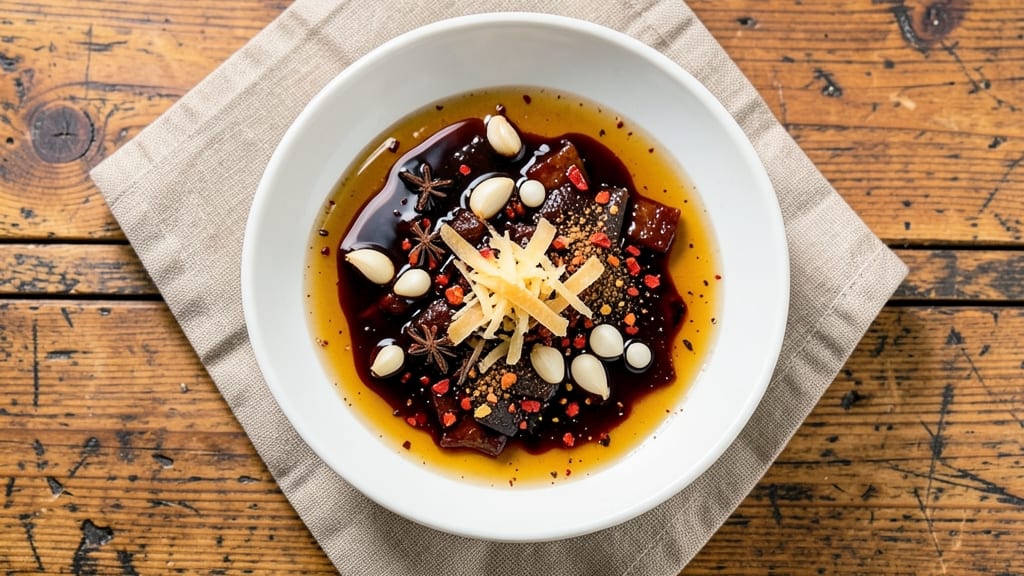
This Asian beef jerky marinade recipe transforms tough beef into chewy, flavor-packed strips with a bold umami-spiced blend inspired by Korean and Japanese techniques. The perfect balance of soy sauce, honey, and aromatic spices creates a marinade that penetrates deeply, delivering complex sweet-savory depth with every bite.
I developed this recipe after years of experimenting with different Asian-inspired jerky variations, and it consistently delivers restaurant-quality results at home.
The marinade combines soy sauce for saltiness, honey for natural sweetness, and garlic-ginger for aromatic punch, all enhanced by five-spice powder and chili flakes for depth. Unlike store-bought versions, this blend uses real ingredients—no artificial preservatives—while still ensuring long shelf life when properly cured.
The key is marinating the beef for at least 4 hours (overnight for maximum flavor), allowing the spices to infuse deeply before drying.
What makes this marinade special is its versatility—it works with lean cuts like flank steak or top round, producing jerky that’s both tender and chewy with a glossy finish.
The spices create a perfect balance of heat and warmth, making it ideal for snacking, travel meals, or gifting. Once cured, the jerky keeps for months in the pantry, maintaining its bold flavors.
Whether you're making jerky for camping trips or holiday gifts, this marinade delivers restaurant-quality taste with minimal effort. The process is straightforward: marinate, cure, and dry, resulting in addictively flavorful strips that stand out from standard jerky. Let’s get started on creating your own batch!
Ingredients for asian beef jerky marinade
This umami-rich marinade blends authentic Asian flavors for restaurant-quality beef jerky at home.
| Ingredient | Amount | Notes |
|---|---|---|
| Kosher Soy Sauce 🥢 | ½ cup | High-quality, reduced for depth |
| Raw Honey 🍯 | ⅓ cup | Local preferred for floral notes |
| Fresh Ginger Root 🧅 | ¼ cup | Finely grated, aromatic |
| Garlic Cloves 🧄 | 6 cloves | Minced, fresh for potency |
| Five-Spice Powder 🌶️ | 1 ½ tbsp | Authentic blend for warmth |
| Crushed Red Chili Flakes 🔥 | 1 tbsp | Adjust for heat preference |
| Sesame Oil 🫒 | 1 tbsp | Toasted, for nutty aroma |
| Toasted Sesame Seeds 🌾 | 1 tbsp | For texture and crunch |
| Diamond Crystal Kosher Salt 🧂 | 1 ½ tsp | Fine grain for even distribution |
| Rice Vinegar 🍶 | 1 tbsp | Balances sweetness |
The soy sauce forms the marinade's foundation—Kikkoman or Yamasa brands deliver consistent depth. For honey, local raw varieties add subtle floral notes, but any pure honey works. Fresh ginger and garlic are non-negotiable here; their aromatic compounds penetrate the beef deeply during the 4+ hour marinating window. Five-spice powder is the secret weapon—Penzeys or Asian markets carry authentic blends with star anise, clove, and fennel. Toast the sesame seeds in a dry pan for 30 seconds to enhance their nutty aroma before adding to the mix.
No soy sauce? Coconut aminos provide a similar umami profile, though with slightly different depth. Substitute honey with maple syrup or agave nectar, though the flavor will shift toward caramel notes. Fresh ginger and garlic can be swapped for powdered versions at half the amount, but texture and potency will differ. For heat adjustments, swap chili flakes with gochugaru (Korean chili flakes) at a 1:1 ratio—they deliver a more nuanced heat. The sesame oil can be omitted entirely if you're sensitive to its flavor, though it adds critical depth.
Store the marinade in an airtight glass jar in the refrigerator for up to 2 weeks. The spices and honey preserve well, making this an ideal batch recipe. For long-term storage, freeze portions in ice cube trays—3 months of flavor retention. The marinade works best with lean cuts like flank steak or top round, though it also elevates chicken or pork when adjusted for moisture content. Always marinate beef for at least 4 hours, preferably overnight, to achieve maximum flavor penetration.
Why You'll Love This Recipe
- Five-Ingredient Magic: I swear by this combo—soy, honey, ginger, garlic, and five-spice—because it’s the only marinade I need for jerky. No fancy pantry deep dive, just staples you’re already buying. The honey cuts through the salt while the five-spice adds that warm, earthy kick that makes it taste like a food truck found my kitchen.
- Crispy-Sweet Perfection: That caramelized honey crust? Chef’s kiss. The ginger and garlic mellow out into something complex as it dries, leaving you with a jerky that’s not just salty—it’s got layers. Honestly, my kids fight over the last piece, and they’re not even fans of strong flavors.
- Snack Attack Ready: This marinade doubles as a quick stir-fry sauce or glaze for grilled meat. I keep a batch in the fridge for when I’m tossing together last-minute lunches or need a fast protein boost. (Yes, even on a Tuesday night when takeout menus feel overwhelming.)
- Budget-Friendly Staple: Soy sauce, honey, and spices? You’re looking at under $10 for a month’s worth of marinade. I make big batches, freeze extras, and use them for everything from jerky to meatballs. My wallet and my taste buds thank me.
Step-by-step instructions for Asian beef jerky marinade
Combine these ingredients precisely for a marinade that delivers deep umami, aromatic warmth, and perfect chewiness.
Grate and Mince the Aromatics
Using a microplane or fine grater, finely grate the 0.25 cup fresh ginger root—you want a texture that's almost paste-like, not chunky. This ensures even distribution throughout the marinade. In a separate small bowl, mince the 6 cloves garlic cloves using a sharp knife or garlic press until you have a smooth, finely textured paste.
I prefer freshly grated ginger and minced garlic over powdered versions because their volatile oils carry the most complex flavor profiles. Set both aside temporarily—they'll lose potency if exposed to air too long.
Whisk Wet Ingredients Together
In a medium mixing bowl, combine the 0.5 cup kosher soy sauce, 0.33 cup raw honey, 1 tbsp rice vinegar, and 1 tbsp sesame oil. Using a whisk, stir vigorously for 2-3 minutes until the honey fully dissolves and the mixture becomes homogenous. The soy sauce should develop a slight sheen from the sesame oil, indicating proper emulsification.
This step is critical for balancing the marinade's components. The vinegar and honey work together to tenderize the beef while preventing the soy sauce from overpowering the other flavors. Taste at this stage—it should be intensely savory with a sweet, slightly tangy profile.
Incorporate Dry Seasonings
Add the 1.5 tbsp five-spice powder, 1 tbsp crushed red chili flakes, and 1.5 tsp diamond crystal kosher salt to the wet mixture. Stir thoroughly to distribute the spices evenly. The five-spice powder should disperse completely—no visible specks remain. This blend delivers the signature warmth of star anise, cinnamon, and clove without needing individual components.
For heat preference, you can adjust the chili flakes here. Start with the full tablespoon if you enjoy spice, but reduce to 1 teaspoon if you prefer milder heat. The salt measurement is precise—too much will overpower the delicate balance we're building.
Fold in Ginger, Garlic, and Sesame Seeds
Add the freshly grated ginger and minced garlic to the bowl, stirring until fully incorporated. Finally, sprinkle in the 1 tbsp toasted sesame seeds, reserving a small pinch for garnish if desired. The sesame seeds add both texture and a nutty depth that complements the marinade's complexity.
Give the mixture one final stir to ensure the ginger and garlic are evenly distributed. The marinade should coat the back of a spoon with a glossy, aromatic film. This is your quality checkpoint—if it looks thin, let it sit for 10 minutes to thicken slightly before using.
Rest and Adjust Consistency
Transfer the marinade to an airtight container and let it rest at room temperature for 30 minutes. This allows the flavors to meld and the ginger to soften slightly, enhancing its aromatic qualities. After resting, taste again and adjust seasoning if needed—add a touch more honey for sweetness or soy sauce for umami depth.
The marinade should now have a syrupy consistency that will cling perfectly to beef strips. For best results, use it within 24 hours for maximum flavor penetration. If storing longer, refrigerate and bring to room temperature before applying to beef.
Pro Tips For Making Asian Beef Jerky Marinade
- GRATE THE GINGER FINE: Fresh ginger loses its punch when it’s chunky—your marinade will taste like it’s missing something. Use the small holes of a box grater (the kind that makes julienne) and rub it with your fingers to break up any stubborn fibers. Trust me, your jerky won’t taste like a ginger smoothie if you do this right.
- BLOOM THE FIVE-SPICE: Sprinkle that powdered spice into your warm honey and soy first, then stir for 30 seconds before adding anything else. I learned this the hard way—skipping it makes the flavors clump together like sad, flavorless dust instead of melting into a cohesive marinade.
- MARINATE COLD, NOT ROOM TEMP: Pop your sliced beef in the fridge for 20 minutes before hitting it with the marinade. Cold meat absorbs flavors better than warm, and it keeps the honey from turning the edges rubbery. (Yes, I’ve seen it happen when people rush this.)
- USE A LITTLE WATER: The honey and soy can get too thick, especially if you’re making a big batch. Add 1 tablespoon of water per cup of marinade—just enough to loosen it up without diluting the flavors. I was skeptical until I tried it; now I double-check this every time.
Common mistakes when making perfect results
Skipping the Marinating Step
This is the most common mistake I see—rushing the marinating process. The beef needs at least 4 hours to absorb the marinade's flavors, but I recommend marinating overnight for maximum depth.
Without proper marinating, the jerky will taste flat and lack the signature umami-sweet balance. For best results, use a ziplock bag or airtight container and refrigerate the beef while marinating. 🌡️
Using the Wrong Cut of Beef
Lean cuts like top round or flank steak are ideal, but many people mistakenly use fatty cuts like ribeye. Excess fat doesn’t dry properly and can spoil faster.
If you prefer thicker jerky, choose silverside or eye of round—they’re lean but still tender when sliced thinly. Always slice against the grain for the best texture.
Overlooking Salt Distribution
The 1.5 tsp kosher salt in the marinade is crucial for curing and flavor, but many people forget to distribute it evenly. If the salt clumps or isn’t fully dissolved, the jerky may taste unevenly seasoned.
Stir the marinade thoroughly before applying it to the beef, and consider massaging it into the meat for 2-3 minutes to ensure full coverage.
Skipping the Resting Period
After marinating, some people jump straight to drying without letting the beef rest. This causes the marinade to pool rather than penetrate. Let the beef sit at room temperature for 15-20 minutes before drying to allow the marinade to fully absorb.
This step is especially important if you’re using a dehydrator or oven method.
Incorrect Drying Temperature
Drying at too high a temperature (165°F or above) will cook the jerky instead of dehydrating it, resulting in a tough, rubbery texture. The ideal range is 145-155°F.
If using an oven, prop the door open slightly with a wooden spoon to allow moisture to escape. A food dehydrator set to 160°F works perfectly for consistent results.
Ignoring Humidity Control
High humidity during drying can prevent proper dehydration, leading to spoilage. Use a fan or small vent near your drying setup to circulate air, especially in humid climates. If your kitchen feels damp, consider drying outdoors on a sunny day (when temperatures are below 90°F) for optimal results.
A hygrometer can help monitor humidity levels for best outcomes. 💧
Nutrition facts
Frequently asked questions
Can I use this marinade for other meats besides beef?
While designed for beef, this marinade works beautifully with chicken breast or lean pork like tenderloin. For chicken, reduce marinating time to 2-3 hours to prevent over-tenderizing. Pork benefits from the same 4+ hour marinade but should be dried at 160°F instead of beef's 145-155°F. The sweet-spicy balance shines on all three meats!
How do I adjust the heat level in this marinade?
Start with the full 1 tbsp chili flakes for medium heat, but reduce to 1 tsp for mild or 2 tbsp for extra spicy. For a different flavor profile, swap with 1 tbsp gochugaru (Korean chili flakes) for a fruity, less intense heat. Always taste before applying to beef—you can't adjust heat after marinating!
What's the best way to store leftover marinade?
Transfer unused marinade to an airtight glass jar and refrigerate for up to 2 weeks. For longer storage, freeze in ice cube trays—thaw overnight in the fridge before using. The ginger and honey preserve well, but the sesame seeds may separate. Stir vigorously before using to re-emulsify.
Can I make this marinade without honey?
Yes! Replace the ⅓ cup honey with ⅓ cup maple syrup for a caramel note or ⅓ cup agave nectar for a neutral sweetness. For a savory version, omit honey entirely and increase soy sauce to ⅔ cup instead. The marinade will be less sweet but still deeply umami-rich.
How do I prevent my jerky from sticking to the drying rack?
Pat beef strips very dry with paper towels before drying—excess moisture causes sticking. Use a parchment-lined rack or lightly oil the rack with sesame oil. For dehydrators, place strips ½ inch apart to ensure proper airflow. If sticking occurs, gently peel strips when cool instead of forcing them.