
Main Courses
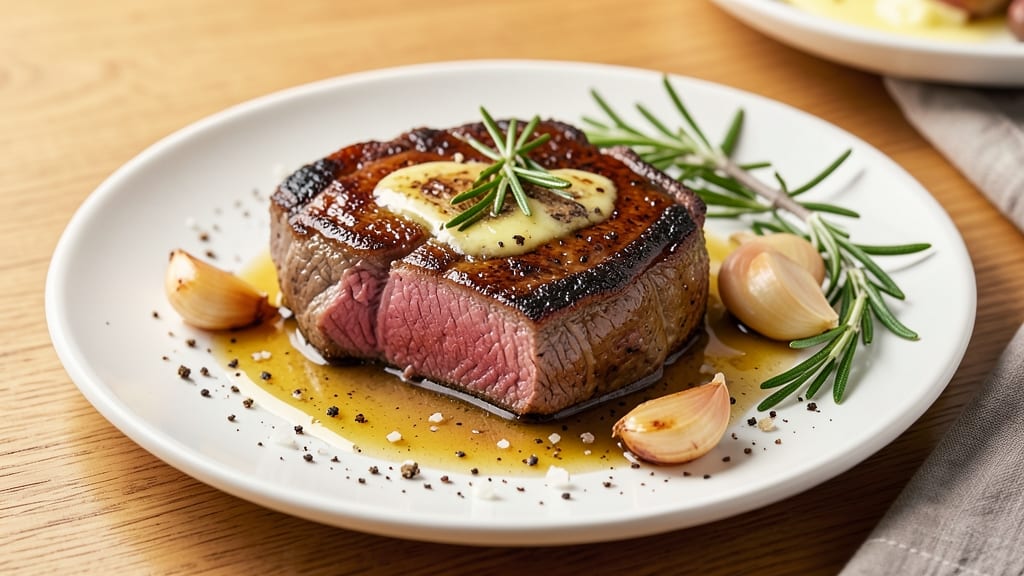
This oven Angus beef steak recipe delivers a restaurant-quality crust with a juicy pink center—no grill required. After years of perfecting reverse-sear techniques, I’ve cracked the code for achieving that coveted caramelized exterior while keeping the interior tender and rich.
The secret lies in low-and-slow oven cooking followed by a quick sear, ensuring every bite is balanced between crisp and succulent.
What sets this recipe apart is the precision: a 400°F oven transforms tougher cuts into melt-in-your-mouth perfection, while a high-heat sear locks in juices for maximum flavor. Unlike traditional methods, this approach minimizes stress on the meat, preserving its natural tenderness.
The result? A steak with a deep, beefy aroma that fills your kitchen and a texture that’s impossible to resist.
Whether you’re cooking for a special occasion or treating yourself to a weeknight upgrade, this method guarantees foolproof results every time. The reverse-sear technique eliminates guesswork, and the simple seasoning—just salt, pepper, and butter—lets the high-quality Angus beef shine.
Pair it with roasted garlic mashed potatoes or a crisp green salad for a complete meal that feels like a five-star dinner.
Here’s the game-changer: the steak rests for 10 minutes after cooking, allowing juices to redistribute for that signature juicy core. No overcooking, no dryness—just a steak that’s restaurant-quality at home. Let’s get started on mastering this technique that’s transformed my dinner table forever.
Ingredients for angus beef steak recipe oven
Precision-crafted ingredients for a restaurant-quality steak with perfect crust and juicy pink center.
| Ingredient | Amount | Notes |
|---|---|---|
| Angus Beef Steak 🥩 | 4 pieces | 1.5-inch thick, ribeye or NY strip preferred |
| Kosher Salt 🧂 | 1 ½ tsp | Diamond Crystal preferred, coarse grain |
| Freshly Ground Black Pepper 🌶️ | 1 tsp | Cracked peppercorns for optimal texture |
| Unsalted Butter 🧈 | 4 tbsp | European-style, 82% fat content |
| Garlic Cloves 🧄 | 4 cloves | Smash lightly with side of knife |
| Fresh Rosemary 🌿 | ¼ cup | Needles finely chopped, organic preferred |
| Extra-Virgin Olive Oil 🫒 | 2 tbsp | For finishing sear, fruity variety |
| Vegetable Oil 🫒 | 2 tbsp | High smoke point, neutral flavor |
| Baking Sheet 🍳 | 1 whole | Heavy-duty, quarter-sheet pan |
| Meat Thermometer 🌡️ | 1 whole | Instant-read preferred, ±2°F accuracy |
| Heavy-Duty Aluminum Foil 📄 | 1 sheet | For tenting during oven cook |
The Angus beef is non-negotiable here—look for USDA Prime or Choice grade with visible marbling. Costco or high-end butchers carry the best cuts, but even standard grocery stores stock quality Angus. For a 1.5-inch thick steak, ribeye or New York strip deliver the best balance of tenderness and flavor. Trim excess fat but leave a thin layer—it renders down beautifully during cooking. The steaks should be room temperature before cooking, so plan to take them out of the fridge 1 hour before starting. If you're buying whole steaks, ask the butcher to cut them to 1.5-inch thickness—this is critical for even cooking.
No Diamond Crystal salt? Morton kosher salt works, but reduce to 1 tsp—it's finer. Freshly ground pepper is essential; pre-ground loses potency quickly. For the butter, European-style brands like Plugrá or French President have higher fat content, which creates a better crust. Substituting regular butter reduces the crust quality. Rosemary can be swapped for thyme or sage if unavailable, but it's the herb that complements the beef's richness. The olive oil should be extra-virgin—anything less lacks the fruity notes that elevate the final sear. If you're short on time, avocado oil works for the high-heat sear, though it lacks the flavor profile of olive oil.
Store raw steaks in their original packaging on the bottom shelf of your fridge to prevent cross-contamination. The butter and herbs should be kept in airtight containers in the fridge for up to 3 months and 6 months respectively. Once cooked, steaks reheat best in a 350°F oven for 5-7 minutes—they never taste as good reheated as they do fresh. For meal prep, portion the butter into small ramekins and freeze; thaw at room temperature before use. The garlic and rosemary can be prepped ahead and stored in the fridge for 1 week in a sealed container.
Why You'll Love This Recipe
- Oven-Perfect Simplicity: I swear by this method—just salt, pepper, butter, and garlic. No fancy searing, no flipping drama, just slide it in the oven and let it work its magic while you sip wine and pretend you’re a chef.
- Butter-Garlic Magic: That melted butter basting the steak? Absolute perfection. The garlic cloves caramelize just enough to add a deep, savory punch without overpowering the rich, beefy flavor—it’s like a hug for your taste buds.
- Weeknight to Dinner Party: Same recipe, different vibes. Toss it on a sheet pan for a lazy Tuesday or dress it up with fresh herbs for a fancier meal. The steak’s natural richness carries it all, so you’re never stuck guessing what to pair.
- Leftovers That Don’t Suck: Cold sliced steak? Actually delicious. The texture stays tender, and the garlic-butter flavor only gets better the next day. I meal prep these all the time—no sad, dry reheated steak here.
Step-by-step instructions for reverse-sear Angus beef steak
Master this technique for a perfect crust and tender pink center every time.
Season and Preheat for Even Cooking
Remove the 4 pieces Angus Beef Steak from the refrigerator and let them sit at room temperature for 30 minutes. This ensures even cooking throughout each steak. Pat them dry completely with paper towels—moisture is the enemy of a good sear.
Generously season both sides of each steak with 1.5 teaspoons Kosher Salt and 1 teaspoon Freshly Ground Black Pepper, pressing firmly so the seasoning adheres. Preheat your oven to 250°F and place the baking sheet on the middle rack. The low oven temperature will gently cook the steaks to the perfect internal temperature before we finish with a high-heat sear.
Low-and-Slow Oven Cook to Target Temperature
Place the steaks on the preheated baking sheet, spacing them evenly. Cook in the oven for 45-60 minutes, depending on thickness, until the internal temperature reaches 110-115°F at the thickest part of each steak. Use the meat thermometer to check—this is the critical step for juicy results.
Resist the urge to peek or move the steaks. The gentle heat allows the meat to cook evenly without losing moisture. The steaks should look slightly pink on the outside but still cool to the touch. This low-temperature cook builds the foundation for our perfect crust.
Prepare the Rosemary Butter for Finishing
While the steaks cook, prepare the finishing butter. In a small bowl, combine 4 tablespoons Unsalted Butter, 4 cloves Garlic Cloves (lightly smashed), and 0.25 cup Fresh Rosemary (finely chopped). Mix well and set aside. This aromatic butter will elevate the flavor during the final sear.
Heat a heavy skillet over high heat until it's screaming hot. Add 2 tablespoons Vegetable Oil and let it shimmer. This high heat is essential for creating that coveted crust. The oil should be hot enough that when you flick a drop of water onto it, it sizzles violently.
High-Heat Sear for Crust and Flavor
Working in batches if needed, remove the steaks from the oven and immediately place them in the hot skillet. Let them sear undisturbed for 2-3 minutes per side until they develop a deep golden-brown crust. This is where the magic happens—the Maillard reaction creates complex flavors and that perfect texture contrast.
During the last 30 seconds of searing, add a generous pat of the rosemary butter to each steak. Tilt the pan slightly and spoon the melted butter over the top, letting it baste the surface. This step ensures every bite is infused with herbaceous flavor. The steaks should reach 125-130°F internal temperature at this point.
Rest and Serve for Maximum Juiciness
Transfer the steaks to a cutting board and tent loosely with the heavy-duty aluminum foil. Let them rest for 5-10 minutes before slicing. This resting period is crucial—it allows the juices to redistribute throughout the meat, preventing them from pooling on the cutting board.
Slice each steak against the grain into ½-inch thick pieces. The crust should be deep golden-brown and crackly, while the interior should remain beautifully pink with a juicy, tender texture. Serve immediately with a drizzle of 2 tablespoons Extra-Virgin Olive Oil and any remaining rosemary butter for an elegant finish.
Pro Tips For Making Angus Beef Steak Recipe Oven
- Preheat Like a Boss: Your oven should hit 475°F (245°C) before the steak goes in—no exceptions. I used to rush this, and the butter would just melt into a sad, greasy puddle instead of a flavorful crust. Preheat for 20 minutes with a rack in the middle, and trust me, the difference is noticeable.
- Salt the Steak First: Season the steak 40 minutes before cooking—kosher salt and pepper need time to work their magic. I learned this the hard way when my first attempt came out bland because I salted right before searing. Let it sit uncovered on a wire rack in the fridge so it dries out slightly—this guarantees a better crust.
- Butter the Pan Early: Add the butter and garlic 2 minutes before the steak goes in—not when you’re already flipping. The heat should be high enough to sizzle the butter immediately, but not so hot it burns before the steak hits. If it starts smoking, pull the pan back a second. This is how you get that golden, garlicky crust.
- Skip the Overcrowding: Only cook one steak at a time—yes, even if you’re feeding a crowd. I tried batching them in a crowded pan once, and the temperature dropped like a rock, leaving me with sad, steamed meat instead of seared perfection. If you’re making multiple steaks, work in shifts or use two pans. Patience here pays off.
Flavor customization for angus beef steak recipe oven
Classic Herb Variations
Swap the rosemary for thyme and sage to create a French-inspired profile—simmer 1 tbsp each with the butter for 30 seconds before finishing the steaks.
For a Pacific Northwest twist, add ½ tsp crushed juniper berries to the butter; they add a piney depth that pairs beautifully with Angus beef. 🌿
Spicy Heat Boost
Add ½ tsp smoked paprika and ¼ tsp cayenne to the salt when seasoning for a subtle smoky kick. For extra heat, rub the steaks with 1 tsp crushed red pepper flakes after the initial sear. I find Penzeys brand red pepper flakes deliver the most consistent heat level.
Citrus Zest Finish
Zest 1 lemon or orange over the steaks during the final 30 seconds of resting time. The citrus brightens the rich beef flavors and adds a refreshing contrast. For a bold twist, add 1 tbsp minced shallots to the rosemary butter—it enhances the umami richness of the steak.
Garlic Lover's Option
Double the garlic to 8 cloves in the rosemary butter and add 1 tsp minced garlic directly to the steaks after the initial oven cook. This creates a garlic-infused crust that's irresistible.
For an extra punch, roast the garlic cloves in the oven at 400°F for 5 minutes before adding to the butter.
Umami Depth Additions
Mix 1 tsp soy sauce or 1 tsp Worcestershire sauce into the rosemary butter for an extra umami boost. Alternatively, sprinkle 1 tsp toasted sesame seeds over the steaks in the final minutes of the sear—it adds a nutty crunch that balances the richness.
Sweet-Savory Balance
Add 1 tsp honey or 1 tsp maple syrup to the rosemary butter for a subtle sweetness that complements the beef. For a more dramatic effect, brush the steaks with 1 tbsp balsamic glaze during the last minute of searing.
This creates a caramelized glaze that adds depth to every bite. 🍯
Nutrition facts
Frequently asked questions
Can I use this reverse-sear method for thinner steaks?
For steaks under 1-inch thick, reduce the oven time to 20-30 minutes at 250°F until they reach 110°F internally. The high-heat sear should still be 2-3 minutes per side—just monitor closely to avoid overcooking. Thin steaks (½-inch or less) cook best in a screaming-hot cast-iron skillet without oven prep.
What's the best way to reheat leftover steak?
Slice the steak into ½-inch pieces and reheat in a 350°F oven for 5-7 minutes with a pat of butter. Never microwave—it turns the crust soggy. For extra flavor, add a splash of beef broth to the pan before reheating. Leftover steak reheats best within 2 days for optimal texture.
Why does my steak turn out dry sometimes?
Overcooking is the #1 cause—always use a meat thermometer! For medium-rare, stop at 125-130°F internal temp. Other culprits: not resting the steak (5-10 minutes is non-negotiable) or cutting against the grain (slice with the grain for more tender bites). Pat drying the steak before seasoning also helps create a better crust.
Can I substitute ribeye for NY strip?
Both cuts work beautifully, but ribeye has more marbling (fat) which makes it slightly more forgiving. NY strip has a firmer texture and leans toward a beefier flavor. For ribeye, you might reduce oven time by 5-10 minutes since the extra fat renders faster. Either way, 1.5-inch thickness is ideal for this method.
What's the secret to getting that perfect crust?
Three key factors: high heat (skillet screaming hot), dry surface (pat steaks thoroughly), and undisturbed searing (no flipping too soon). The rosemary butter adds fat that helps develop the crust while infusing flavor. For extra crispiness, add 1 tbsp vegetable oil to the skillet right before searing.