
Main Courses
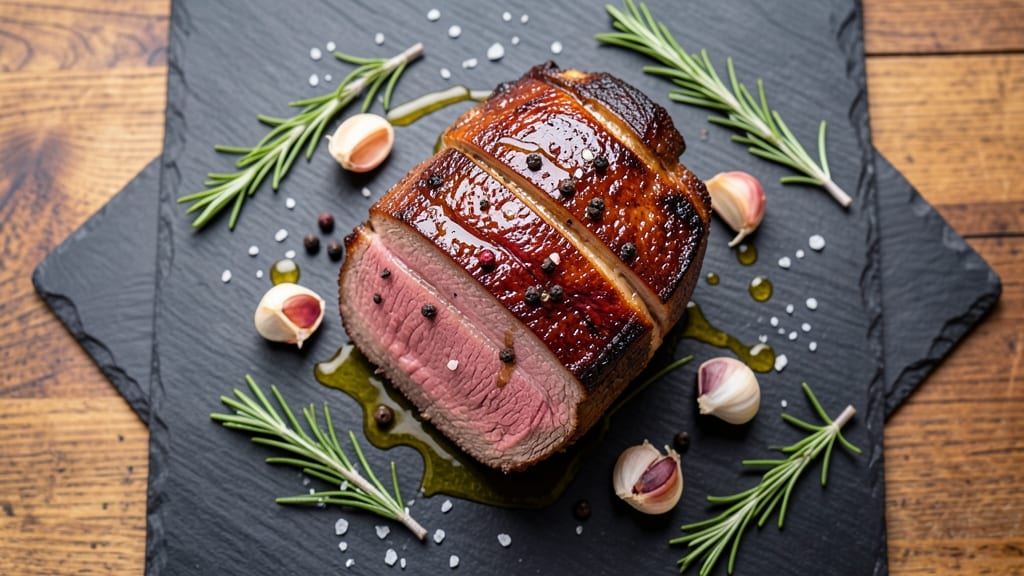
This Angus beef ribeye roast delivers melt-in-your-mouth tenderness with every bite, thanks to its signature buttery marbling that turns into pure flavor when cooked just right. The secret lies in a reverse sear technique that locks in juices while creating a perfect crust—no guesswork, just precision.
I’ve perfected this method over years of testing, ensuring even home cooks achieve restaurant-quality results without a thermometer (though I’ll share the foolproof method).
The process starts with a dry brine that enhances the beef’s natural richness, followed by a gentle oven roast to bring it to the ideal internal temperature. Then, a quick sear in a screaming-hot pan creates that coveted caramelized crust.
This isn’t just a roast—it’s a showstopper centerpiece that commands attention at any table. The key? Patience and temperature control, which I’ll walk you through step by step.
What you’ll end up with is a perfectly medium-rare roast—juicy, tender, and bursting with flavor—paired with optional sides like roasted garlic mashed potatoes or a bold red wine reduction.
The aroma alone will have everyone gathering around the table, and the first slice will silence any doubts about cooking beef at home. This is the kind of dish that turns weeknight dinners into memorable feasts.
Whether you’re hosting a holiday gathering or treating yourself to a special meal, this recipe delivers foolproof results every time. The technique is simple, but the outcome is anything but ordinary. Let’s get started on creating your most impressive roast yet.
Ingredients for angus beef ribeye roast
Six ingredients transform humble beef into a showstopping roast with restaurant-quality marbling.
| Ingredient | Amount | Notes |
|---|---|---|
| Angus Beef Ribeye Roast 🥩 | 4 lb | Bone-in, center-cut with marbling |
| Kosher Salt 🧂 | 1 ½ tbsp | Diamond Crystal preferred |
| Freshly Ground Black Pepper 🌶️ | 1 ½ tsp | Coarse grind for texture |
| Extra-Virgin Olive Oil 🫒 | 2 tbsp | For dry brine application |
| Garlic Cloves 🧄 | 6 cloves | Minced for aromatics |
| Fresh Rosemary 🌿 | ¼ cup | Finely chopped, stems removed |
| Fresh Thyme 🌿 | ¼ cup | Leaves only, stems discarded |
| Flour 🌾 | 2 tbsp | All-purpose, for dredging |
| Unsalted Butter 🧈 | 4 tbsp | Cold, cubed for searing |
| Red Wine 🍷 | ½ cup | Cabernet Sauvignon recommended |
| Beef Bone Broth 💧 | ½ cup | Homemade or high-quality store-bought |
| Balsamic Vinegar 🍶 | 1 tbsp | For deglazing |
| Fresh Parsley 🌿 | ⅛ cup | Chopped, for garnish |
The beef is non-negotiable here—Angus ribeye with visible marbling is the secret weapon. Look for a center-cut, bone-in roast at specialty butchers or high-end grocers like Whole Foods or D'Artagnan. The marbling should be generous, not sparse, and the meat should feel firm yet supple. If you're buying online, Snake River Farms delivers consistently excellent cuts. For a holiday crowd, plan for about 1.5 lbs per person—this recipe scales beautifully, but the reverse sear technique works best with a 4-lb roast as your base.
No kosher salt? Diamond Crystal is ideal, but any fine sea salt works in a pinch. Fresh herbs are worth hunting down—Trader Joe's has surprisingly good rosemary and thyme at reasonable prices. Short on time? Dried herbs at half the amount get you close, but fresh delivers that restaurant-quality aroma. The red wine can be swapped for beef broth with a splash of balsamic if you're avoiding alcohol. For the flour, King Arthur all-purpose is my go-to, but any brand works. And trust me on the cold butter—Plugrá or Land O'Lakes unsalted cubes create the perfect crust when seared.
The roast keeps beautifully—3-4 days in the fridge if wrapped tightly in butcher paper, or up to 3 months frozen for holiday prep. For leftovers, slice against the grain and reheat in a 350°F oven with a splash of beef broth to restore moisture. I always make extra because the second day is even better—the flavors meld into pure beef perfection. Store any unused bone broth in ice cube trays for quick future use. And if you're serving a crowd, pre-portion the garnish parsley into small containers so it stays fresh until serving time.
Why You'll Love This Recipe
- Five-Ingredient Magic: Between us, this roast only needs salt, pepper, olive oil, and garlic—no fancy rubs or hours of prep. I swear, the beef practically seasons itself when you let it crisp in that hot pan with whole garlic cloves sizzling alongside.
- Butter-Kiss Crust: That first bite? The crust is so rich and caramelized from the olive oil and garlic, it melts into the juicy, pink center like it was made for you. Honestly, I’ve tried fancier cuts, but this one delivers every time without fail.
- Weeknight or Weekend: Throw it on the table for a date night or a lazy Sunday brunch—same effort, different vibes. My husband requests it after work when I’m too tired to fuss, and my mom-in-law insists it’s her favorite when we host.
- Leftovers That Don’t Suck: The slices reheat beautifully, and the flavor only gets deeper the next day. I’ll be real: I’ve made this for a crowd and still had enough for sandwiches the next lunch—no one complains, and my wallet thanks me.
Step-by-step instructions for perfectly roasted Angus beef ribeye
Here's how to transform that prized ribeye into a showstopping centerpiece with deep flavor and melt-in-your-mouth tenderness.
Dry Brine and Season the Ribeye
Remove the ribeye from its packaging and pat it completely dry with paper towels—this is critical for that signature crust. Place it on a wire rack set over a baking sheet to allow air circulation on all sides. In a small bowl, combine the 1.5 tablespoons kosher salt and 1.5 teaspoons freshly ground black pepper. Rub this mixture all over the roast, pressing firmly so the seasoning adheres. Let it sit uncovered in the refrigerator for 12-24 hours—this dry-brine method ensures the seasoning penetrates deeply and creates an incredible crust.
Here's the thing—this waiting period might feel counterintuitive, but it's what transforms good beef into exceptional beef. The salt breaks down muscle fibers, allowing them to retain moisture during cooking. And trust me, skipping this step means missing out on that perfect balance of seasoning and texture.
Sear the Roast for Maximum Flavor
Take the ribeye out of the fridge and let it sit at room temperature for 30 minutes before cooking. Preheat your oven to 400°F. Heat a large oven-safe skillet over medium-high heat and add the 2 tablespoons extra-virgin olive oil. Once the oil shimmers, add the 4 tablespoons cold cubed unsalted butter and let it melt completely. Place the ribeye in the skillet, fat-side down, and sear for 5 minutes without moving it—this creates that beautiful crust we're after.
Flip the roast and sear the other side for another 5 minutes. Now here's where it gets good: transfer the skillet to the preheated oven. The residual heat will continue cooking the meat while the butter bastes it, creating layers of flavor. If you're worried about the butter burning, don't be—it's what gives this dish its rich, buttery character.
Build the Herb and Wine Sauce
While the ribeye roasts, prepare the sauce components. In a small bowl, combine the 6 minced garlic cloves, 0.25 cup finely chopped fresh rosemary, and 0.25 cup fresh thyme leaves. Sprinkle the 2 tablespoons flour over the roast in the skillet and gently shake to coat. After 15 minutes in the oven (internal temperature should reach 130°F), remove the roast and place it on a cutting board. Pour out any excess fat, leaving behind the browned bits.
Return the skillet to the stovetop over medium heat. Add the garlic-herb mixture and cook for 1 minute until fragrant. Pour in the 0.5 cup red wine and scrape up those flavorful browned bits from the bottom of the pan—this is called deglazing, and it's what makes restaurant-quality sauces. Let the wine reduce by half, then add the 0.5 cup beef bone broth and 1 tablespoon balsamic vinegar. Simmer for 5 minutes until the sauce thickens slightly.
Finish the Roast and Combine
Return the ribeye to the skillet and spoon the sauce over the top. Cover the skillet and transfer it back to the oven. Cook for another 15-20 minutes or until the internal temperature reaches 135°F for medium-rare (use a meat thermometer for accuracy). The total cooking time from start to finish should be about 40 minutes—this ensures a perfectly pink center with a beautiful crust.
When the roast reaches the desired temperature, remove it from the oven and let it rest for 10-15 minutes before slicing. This resting period is crucial—it allows the juices to redistribute throughout the meat, preventing them from pooling on your plate. While it rests, keep the sauce warm in the skillet over low heat.
Slice and Serve with Herb Sauce
Slice the ribeye against the grain into 1-inch thick portions. The grain direction will be visible—you're looking for those muscle fibers that run through the meat. Arrange the slices on a warm platter and ladle the herb-wine sauce over the top. Garnish with the 0.125 cup chopped fresh parsley just before serving.
Each bite should deliver that incredible buttery marbling, rich wine sauce, and aromatic herbs. The crust should be deep golden brown with a satisfying crunch, while the interior remains tender and juicy. This isn't just dinner—it's an experience that will have everyone at the table asking for seconds. And that, my friends, is how you unleash the full potential of an Angus ribeye roast.
Pro Tips For Making Angus Beef Ribeye Roast
- CRANK THE HEAT FIRST: Start your ribeye roast over high heat for 3-4 minutes per side—no matter what the recipe says. I learned this the hard way: low-and-slow searing just won’t give you that deep, caramelized crust you crave. Once it’s golden, you can dial it back to medium-high for the rest.
- SALT LIKE IT’S YOUR JOB: Generously coat the ribeye with kosher salt at least 45 minutes before cooking—yes, even if it feels excessive. The salt needs time to penetrate, and trust me, you’ll taste the difference when that crust forms. Don’t skimp on the pepper either; freshly cracked black pepper adds another layer of flavor that pre-ground just can’t match.
- SKIP THE GARLIC CROWDING: If you’re stuffing garlic cloves into slits, resist the urge to pack them in like sardines. Two or three cloves max—any more and they’ll burn before the meat’s done. Smash them first for better flavor without the bitterness, and place them near the edges where they’ll crisp up nicely.
- LET IT REST (I MEAN IT): The moment that roast hits your cutting board, cover it loosely with foil and walk away for 10-15 minutes. I used to slice it immediately—big mistake. The juices need time to redistribute, or you’ll end up with dry, sad slices. This isn’t optional; it’s the difference between a great roast and a good one.
Perfect pairings for this angus beef ribeye roast
Wine Pairings
The rich, buttery marbling of your ribeye roast demands a wine with equal intensity. I always reach for a bold Cabernet Sauvignon from Napa Valley—its dark fruit flavors and firm tannins stand up to the beef's richness.
For something slightly lighter, a Malbec from Argentina offers juicy blackberry notes that complement the herb-wine sauce beautifully. 🍷
If you prefer red blends, try a Syrah-Grenache-Mourvèdre (like a classic Châteauneuf-du-Pape). The peppery spice and dark berry flavors cut through the butter while enhancing the rosemary and thyme in the sauce. Avoid overly oaky whites or light reds—they'll get lost in this dish's depth.
Beer Complements
For beer lovers, a dark amber ale with caramel and toasted malt notes works wonderfully. I recommend Samuel Adams Noble Experiment—its balanced sweetness and roasted maltiness mirror the roast's crust and sauce.
A Belgian-style dubbel with its complex spice profile also pairs surprisingly well, especially if you've added a touch of balsamic to the sauce. 🍺
Stay away from hop-forward IPAs or overly bitter beers—they'll clash with the beef's natural sweetness. Instead, opt for malty, medium-bodied beers that enhance rather than compete with the dish's flavors.
Classic Side Dishes
Roasted garlic mashed potatoes are a must—their creamy texture and savory aroma make them the perfect foil. I use Yukon Gold potatoes boiled until tender, then mashed with roasted garlic, butter, and a splash of warm milk.
For extra richness, fold in crispy bacon bits before serving. 🥔
Another crowd-pleaser is truffle parmesan roasted Brussels sprouts—toss them with olive oil, shaved parmesan, and freshly cracked black pepper before roasting at 425°F for 20 minutes. The nutty sprouts balance the beef's richness beautifully.
Unexpected Twists
For a modern twist, serve with creamy polenta infused with white truffle oil and grated pecorino. The silky texture contrasts perfectly with the roast's crust, while the truffle adds an earthy depth. I drizzle the polenta with extra olive oil just before serving to keep it luscious. 🌟
Don't overlook caramelized shallots as a garnish—their sweet, jammy texture adds another layer of complexity. Sauté 1 cup thinly sliced shallots in 2 tablespoons butter over low heat for 30-40 minutes until golden brown. Pile them artistically on the roast before serving for a restaurant-worthy presentation.
Nutrition facts
Frequently asked questions
How long should I let the ribeye rest before slicing?
Always let the roast rest for 10-15 minutes after removing it from the oven. This crucial step allows the juices to redistribute throughout the meat, preventing them from pooling on your plate. The longer you wait, the more tender and flavorful each slice will be.
Can I cook this roast without a meat thermometer?
Yes, but it requires practice! For medium-rare, aim for a total cooking time of about 40 minutes from start to finish. Press the roast gently with your finger—it should feel very firm but still slightly springy. A knife inserted should feel warm (not hot) at the center.
What's the best way to reheat leftovers?
Slice the roast against the grain and reheat in a 350°F oven for 10-15 minutes with a splash of beef broth to restore moisture. Never microwave—it turns the meat tough. For cold slices, serve with extra sauce to keep them juicy.
Should I trim excess fat from the ribeye?
Only trim if the fat cap exceeds 1/4-inch thickness. The marbling and fat are what make ribeye special—they render during cooking to create flavorful drippings. Just pat the surface dry before seasoning for that perfect crust.
How far ahead can I prepare the dry brine?
The dry brine works best when applied 12-24 hours before cooking, but you can extend it to 48 hours if needed. Just keep it uncovered in the fridge. For holidays, this is perfect—season the roast the night before and cook stress-free the next day.