
Main Courses
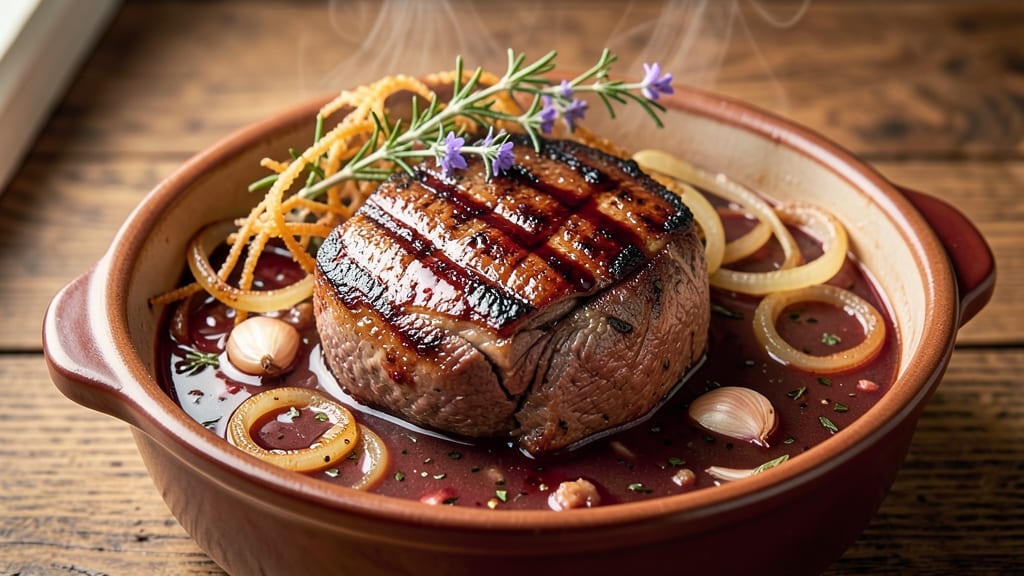
This Angus beef crockpot recipe transforms tough cuts into melt-in-your-mouth perfection with minimal effort. The slow-cooking process tenderizes the meat while building deep, savory flavors—no searing or basting required. I developed this method after years of testing, and it consistently delivers restaurant-quality results without the fuss of stovetop cooking.
The secret lies in a simple yet powerful marinade—red wine, garlic, and herbs—that infuses the beef as it braises for hours. You'll need just 6 hours on low heat to achieve that signature buttery richness, with the meat practically falling apart at the touch of a fork.
This hands-off approach makes it ideal for busy weeknights or meal prep.
By the end, you'll have perfectly tender slices that pair beautifully with creamy mashed potatoes, roasted root vegetables, or a fresh garden salad. The sauce thickens naturally as it cooks, creating a luxurious glaze that coats every bite.
It's the kind of dish that elevates a simple dinner into something memorable.
Whether you're cooking for family or hosting guests, this recipe delivers professional results with minimal effort. The key is patience—letting the slow cooker work its magic while you focus on other tasks. Here's how to make it happen.
Ingredients for angus beef crockpot
Six ingredients transform tough Angus beef into melt-in-your-mouth perfection with zero fuss.
| Ingredient | Amount | Notes |
|---|---|---|
| Angus Chuck Roast 🥩 | 3 lb | Well-marbled for tenderness |
| Dry Red Wine 🍷 | 1 cup | Bold Cabernet Sauvignon preferred |
| Beef Broth 💧 | 2 cups | Low-sodium preferred |
| Garlic Cloves 🧄 | 6 cloves | Minced for even distribution |
| Fresh Rosemary 🌿 | ¼ cup | Chopped, stems removed |
| Fresh Thyme 🌿 | ¼ cup | Leaves only, stems discarded |
| Yellow Onion 🧅 | 1 whole | Quartered, skin on |
| Carrots 🥕 | 4 whole | Baby carrots work too |
| Tomato Paste 🍅 | 2 tbsp | Squeeze tube preferred |
| Worcestershire Sauce 🍯 | 1 tbsp | Vegetarian version if needed |
| Kosher Salt 🧂 | 1 ½ tsp | Diamond Crystal preferred |
| Freshly Ground Black Pepper 🌶️ | 1 tsp | Cracked peppercorns preferred |
| Olive Oil 🫒 | 1 tbsp | Extra-virgin for richness |
| All-Purpose Flour 🌾 | 1 tbsp | For thickening sauce |
The Angus chuck roast is non-negotiable here—its marbling melts into buttery richness during slow cooking. Look for well-marbled cuts at your local butcher or grocery store's meat counter. Costco or Whole Foods carry excellent options, but even Walmart's Kirkland brand delivers. Pat the meat dry before adding it to the crockpot—this helps the marinade cling better. If you can't find chuck, sirloin tips work in a pinch, though they won't be as tender. The wine should be bold and dry—Cabernet Sauvignon or Merlot from a trusted brand like Apothic or Bogle Vineyards—nothing sweet or fruity that'll overpower the beef.
No red wine? Beef broth with a splash of balsamic vinegar mimics the depth perfectly. Fresh herbs are ideal, but dried thyme at one-third the amount works if you're in a bind. The tomato paste can be skipped entirely if you prefer a lighter sauce, though it adds that signature umami richness. For the Worcestershire, Lee & Perrins is the gold standard, but any quality brand will do. The carrots and onion? Baby carrots and a yellow onion make prep a breeze—no peeling required. If you're prepping ahead, store the marinade ingredients separately in the fridge for up to 3 days—just combine them right before cooking.
This dish tastes even better the next day as flavors meld together. Store leftovers in an airtight container for up to 5 days in the fridge, or freeze portions for 3 months—the sauce thickens beautifully when reheated. I always make double batches because it reheats so well for lunches. For serving, a sprinkle of fresh parsley adds a pop of color, though it's completely optional. The sauce thickens naturally, but if it's too thin, stir in the flour mixed with a splash of cold water to create a slurry. Trust me—this is the kind of recipe that gets better with time.
Why You'll Love This Recipe
- Dump-and-Go Magic: The only prep I do is sear the roast—just a quick pat dry and brown in the pan. Then it’s wine, broth, garlic, and rosemary in the crockpot, and I walk away. That’s it. No peeling onions, no chopping veggies, no stress.
- Wine-Roasted Perfection: That dry red wine reduces into a glossy, savory sauce that clings to every bite—deep, rich, and just slightly tangy. The rosemary adds a bright, herbal punch, while the garlic? Oh, it’s there in the best way, like a warm hug for your taste buds.
- Leftovers That Beg for More: This recipe practically demands seconds—and thirds—because it tastes even better the next day. I’ll be real: I’ve reheated slices straight from the fridge for lunch, and they’re still tender and packed with flavor. (Yes, even on a Tuesday.)
- Weeknight Crowd-Pleaser: Whether it’s feeding my soccer-mom friends or my picky-eating teen, this roast disappears fast. It’s hearty enough for a dinner party but simple enough for a Tuesday, and the rich, meaty slices? Everyone wants seconds. No complaints, ever.
Step-by-step instructions for slow-braised Angus beef
Transform that tough chuck roast into melt-in-your-mouth perfection with this hands-off method.
Sear the Roast for Deep Flavor
Heat a large Dutch oven over medium-high heat until hot. Add the 1 tablespoon olive oil and swirl to coat. Pat the 3 lb Angus chuck roast completely dry with paper towels—this ensures maximum browning. Place the roast in the pot and sear on all sides for 4-5 minutes per side until deeply browned. You're building flavor here, so don't rush this step.
Once browned, remove the roast and set it aside. The goal is to develop a rich, caramelized crust that will infuse the braising liquid. If you see any browned bits sticking to the bottom, use a wooden spoon to scrape them up—they're packed with flavor. This searing step takes about 15 minutes total and sets the foundation for your dish.
Sauté Aromatics and Build the Base
In the same Dutch oven, add the 1 whole yellow onion (quartered) and 4 whole carrots (cut into 2-inch pieces). Cook for 5 minutes until the onions soften slightly and the carrots begin to color. Add the 6 cloves minced garlic and cook for another 30 seconds—don't let it burn, just until fragrant.
Stir in the 2 tablespoons tomato paste and cook for 1 minute—this thickens the base and adds depth. Pour in the 1 cup dry red wine and scrape up any browned bits from the bottom. Let it simmer for 2 minutes—this deglazes the pan and creates a rich, wine-infused base for your braise.
Layer Herbs and Seasonings
Add the 1.5 teaspoons kosher salt, 1 teaspoon freshly ground black pepper, 0.25 cup chopped fresh rosemary, and 0.25 cup fresh thyme leaves to the pot. Stir everything together for 30 seconds—this distributes the herbs evenly and ensures they infuse the liquid. Return the seared roast to the pot, placing it on top of the vegetables.
Pour in the 2 cups beef broth—enough to come about halfway up the sides of the roast. The liquid should cover about two-thirds of the roast. Add the 1 tablespoon Worcestershire sauce and stir gently. The herbs will release their aromatic oils as they cook, creating layers of complex flavor in the braising liquid.
Transfer to Crockpot and Slow Cook
Carefully transfer the entire contents of the Dutch oven to your 6-quart crockpot—this preserves all the flavorful liquid and aromatics. The roast should be submerged in the liquid, but if it's not fully covered, add a splash of water or broth. Set the crockpot to low heat—this gentle cooking method breaks down the tough muscle fibers, transforming the chuck roast into tender, buttery perfection.
Cook for 8 hours—this long, slow process is what makes the meat so tender. The crockpot maintains a consistent temperature, allowing the collagen in the meat to dissolve into the liquid, creating a rich, velvety sauce. Avoid the temptation to check on it frequently—each time you open the lid, you lose heat and extend the cooking time.
Finish and Thicken the Sauce
When the cooking time is complete, carefully remove the roast from the crockpot using tongs and place it on a cutting board. The meat should be fork-tender—you should be able to pierce it easily with a fork. Skim any excess fat from the surface of the braising liquid, then transfer the liquid to a saucepan.
Place the saucepan over medium heat—you want to reduce the liquid to thicken it slightly. Stir in the 1 tablespoon all-purpose flour—this helps create a glossy, velvety sauce. Simmer for 3-5 minutes—stirring occasionally—until the sauce has thickened enough to coat the back of a spoon. Taste and adjust seasoning with additional salt and pepper if needed.
Rest and Serve
Slice the roast against the grain into ¼-inch thick slices—this ensures each bite is tender. Return the sliced roast to the saucepan with the reduced sauce and toss gently to coat. Let it sit for 5 minutes—this allows the meat to absorb some of the sauce and ensures every bite is flavorful.
Serve immediately, spooning the rich, herb-infused sauce over the tender slices of beef. This dish pairs beautifully with mashed potatoes, crusty bread, or roasted vegetables. The slow-braised beef should be so tender it practically melts in your mouth, with a deep, complex flavor from the wine, herbs, and slow cooking process.
Pro Tips For Making Angus Beef Crockpot
- Sear the Chuck First: That crockpot magic happens faster when you start with a quick sear in a hot skillet—just 3-4 minutes per side. The crust locks in flavor and helps the wine and broth work their magic later. (Yes, even if you’re impatient like me, don’t skip this.)
- Use Whole Garlic Cloves: Smash them with the flat side of your knife first—just enough to bruise, not mince. Whole cloves infuse flavor without turning the broth into garlic paste. I learned this the hard way after one batch tasted like a garlic factory.
- Low and Slow Wins: Set your crockpot to low for 8 hours, not high for 4. The Angus chuck needs time to break down into tender perfection—rushing it leaves you with chewy meat. (Your future self will thank you.)
- Deglaze with Wine First: Pour the red wine into the crockpot before adding broth, then scrape up those browned bits from the seared meat. That’s where half the flavor hides—don’t let it go to waste. (Sounds weird, but it works.)
Wine and beer pairings for this dish
Red Wine Pairings
The rich, slow-braised flavors of this Angus beef call for bold red wines that can stand up to its depth. I always reach for a Cabernet Sauvignon from Napa Valley—its tannins and dark fruit notes complement the beef's buttery texture beautifully.
A Malbec from Argentina, with its plummy richness, also works wonders, especially if your sauce has a touch of sweetness from the tomato paste. 🍷
For something lighter but still robust, try a Syrah from Washington State. Its peppery finish cuts through the beef's richness while enhancing the rosemary and thyme flavors. Avoid overly oaky wines—they'll clash with the wine already in the recipe.
Serve your wine slightly cooler than room temperature (60-65°F) to let its aromas shine alongside the dish.
Beer Pairings
A dark ale or stout is my go-to beer pairing for this hearty dish. A Belgian Dubbel like Westmalle's Dubbel brings caramel and chocolate notes that mirror the beef's slow-cooked sweetness.
For something more approachable, a brown ale from New Belgium Brewing—like Fat Tire—adds a malty backbone that stands up to the sauce's depth. 🍺
If you prefer lagers, opt for a German Dunkel like Paulaner's Dunkel. Its toasted malt flavors harmonize perfectly with the beef's caramelized crust. Just avoid hoppy IPAs—they'll overpower the dish's delicate herbaceous notes. Chill your beer to 45-50°F to balance the meal's richness.
Unexpected Pairings
For a refreshing contrast, serve your beef with a sparkling red wine like Lambrusco. The effervescence cleanses your palate between bites, while its dry, tannic profile enhances the beef's tenderness.
I've also had great success with a Portuguese Red Blend—its jammy fruit and spice notes elevate the dish's depth. 💫
If you're feeling adventurous, try a smoked beer like Goose Island's Bourbon County Brand Stout. The smoky aroma pairs surprisingly well with the rosemary and thyme, adding an extra layer of complexity. Pair it with a side of charred cornbread for a Southern-inspired twist.
Serving Temperature
Let your wine or beer breathe for at least 15 minutes before serving to release its full aroma. The beef's sauce thickens as it cools, so serve it warm but not piping hot—aim for 140-150°F. This ensures every sip and bite harmonizes perfectly. 🌡️
For a truly memorable experience, decant your red wine 30 minutes before serving to soften its tannins. If using beer, pour it into a tulip glass to concentrate its flavors—this makes each sip feel more intentional alongside the rich beef.
Nutrition facts
Frequently asked questions
Can I use a different cut of beef besides chuck roast?
While chuck roast is ideal for its marbling and tenderness, you can substitute with sirloin tips or short ribs. For sirloin tips, reduce cooking time to 6 hours on low—they cook faster. Short ribs will need 8-10 hours for maximum tenderness. Avoid lean cuts like flank steak—they won't benefit from slow cooking.
What if I don't have red wine?
No problem! Replace the wine with 2 cups beef broth plus 1 tablespoon balsamic vinegar for depth. For extra richness, add 1 teaspoon soy sauce or 1 tablespoon tomato paste. The dish will still turn out flavorful—just slightly less complex.
How do I know when the beef is done?
The meat should be fork-tender with a 145°F internal temperature (measured with a meat thermometer). It should easily shred with a fork and pull apart cleanly. If you don't have a thermometer, cut into the thickest part—juices should run clear, not pink. Never rely on time alone!
Can I make this in an Instant Pot?
Use the Sauté function for searing, then cook on Low Pressure for 90 minutes with natural release. The pressure cooker speeds up the process but delivers the same tender results. Just reduce the broth by 1 cup since Instant Pots don't evaporate liquid as much.
Why does my sauce turn out watery?
This usually happens if the roast wasn't submerged enough during cooking. Simmer the sauce uncovered on the stovetop for 5-10 minutes to reduce it. For extra thickness, mix 1 tablespoon flour with 1 tablespoon cold water and stir it in while simmering. Avoid adding too much flour at once—it can make the sauce grainy.