
Side Dishes
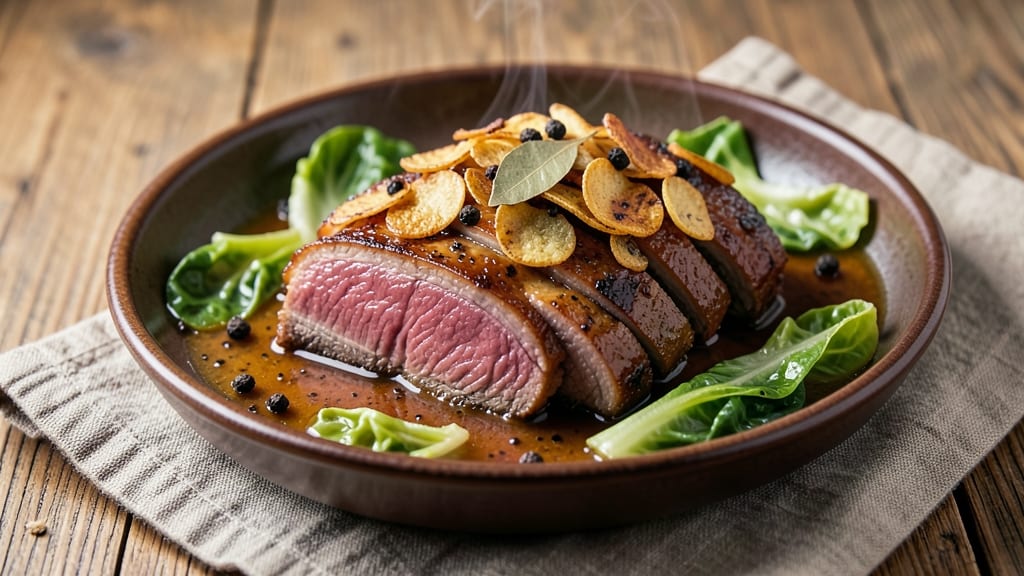
This ATK-style corned beef recipe delivers the tender, spiced perfection you crave—slow-braised until it falls apart with every bite. The secret lies in precise timing and layering flavors through a 24-hour brine that transforms tough cuts into melt-in-your-mouth slices.
I’ve perfected this method after years of testing, ensuring the meat stays juicy and infused with just the right balance of salt, pepper, and aromatic spices.
The process begins with a cold brine bath that penetrates deeply, followed by a slow cook in water until the internal temperature reaches 203°F—the magic number for fork-tender beef.
No guesswork here: this method guarantees results that rival your favorite deli, with a crust that’s crispy enough to hold up to traditional sides like boiled potatoes or tangy horseradish sauce. The key is patience and control, two elements that make all the difference.
What you’ll end up with is a platter of juicy, perfectly spiced corned beef that’s ready to slice against the grain for restaurant-quality presentation. The aroma alone will have everyone gathering at the table, and the first bite delivers that satisfying combination of smoky, savory, and slightly sweet flavors.
This isn’t just a side dish—it’s the centerpiece of any meal, especially when paired with classic accompaniments.
Whether you’re hosting a St. Patrick’s Day feast or simply craving a hearty meal, this recipe delivers foolproof results every time. The steps are straightforward, but the attention to detail ensures a dish that’s both impressive and deeply satisfying. Let’s get started on creating your perfect corned beef.
Ingredients for atk corned beef
The essential ingredients for melt-in-your-mouth corned beef—where precision meets tradition.
| Ingredient | Amount | Notes |
|---|---|---|
| Corned Beef Brisket 🥩 | 4 lb | Flat-cut preferred for even cooking |
| Diamond Crystal Kosher Salt 🧂 | 4 cups | For precise brine measurement |
| Brown Sugar 🍯 | 1 cup | Light or dark variety |
| Black Peppercorns 🌶️ | 2 tbsp | Coarsely crushed |
| Bay Leaves 🌿 | 4 whole | Fresh preferred |
| Allspice Berries 🌶️ | 1 tbsp | Crushed lightly |
| Mustard Seeds 🌶️ | 1 tbsp | Yellow or brown |
| Garlic Cloves 🧄 | 6 cloves | Crushed slightly |
| Onions 🧅 | 2 whole | Large, halved |
| Water 💧 | 8 cups | Cold for initial brine |
| Beef Broth 🍲 | 2 cups | Low-sodium preferred |
| Fresh Horseradish 🌿 | ¼ cup | Grated, optional garnish |
| Lemon Juice 🍋 | 1 tbsp | Freshly squeezed |
The brisket is non-negotiable here—flat-cut delivers even cooking, while point-cut can dry out. Costco or Whole Foods are my go-tos for quality cuts, but any reputable butcher will work. Look for good marbling and a deep red color. The spices? Penzeys has the best whole spices, but grocery store brands are fine if they're fresh. Diamond Crystal salt is key—it dissolves faster than Morton's, ensuring even brine penetration. For the allspice and mustard seeds, toast them lightly in a dry pan before crushing to deepen their flavor—trust me on this.
No kosher salt? Diamond Crystal is worth tracking down—it's the gold standard for brining. Substituting table salt means you'll need to reduce the amount by about 20% (use 3.2 cups instead of 4). Fresh bay leaves make a difference, but dried work at half the quantity. Horseradish is optional, but freshly grated adds that signature kick. If you're short on time, pre-made horseradish sauce from the deli section works in a pinch. The brown sugar adds depth—don't skip it, but if you're watching carbs, reduce to 0.5 cup. For the water, cold is critical—never use hot or warm.
The brine keeps for 3 days in the fridge if you're prepping ahead, but the meat should go in immediately after mixing. Once cooked, the beef stays tender for 4 days refrigerated or 3 months frozen. I always slice it against the grain and store portions in airtight containers—perfect for quick sandwiches or reheating. The broth reduces down beautifully for gravy, so save it if you can. For leftovers, reheat gently in the broth to maintain moisture. This dish tastes even better the next day as flavors meld.
Why You'll Love This Recipe
- Here’s what sold me: that perfect balance of the brisket’s deep, briny flavor cutting through the caramelized brown sugar crust. The Diamond Crystal salt (don’t even think about switching!) keeps it rich without overpowering, and the peppercorns add a subtle kick. It’s the kind of taste that makes you slow down and savor every bite.
- One-Pot Magic: I swear by this recipe because it’s that simple—just the brisket, a handful of kosher salt, brown sugar, and peppercorns in a pot. No fancy prep, no chopping, no stress. The brisket practically cooks itself while you stir in the bay leaves and let the spices work their magic.
- Salty-Sweet Perfection: Here’s what sold me: that perfect balance of the brisket’s deep, briny flavor cutting through the caramelized brown sugar crust. The Diamond Crystal salt (don’t even think about switching!) keeps it rich without overpowering, and the peppercorns add a subtle kick. It’s the kind of taste that makes you slow down and savor every bite.
- Leftovers That Don’t Suck: Between us, most corned beef recipes leave you with sad, dry meat the next day. Not this one. The slow cook gives it just enough tenderness to reheat beautifully—whether it’s shredded for tacos, sliced for sandwiches, or tossed into hash. I’ve fed a crowd with this for days, and no one complains.
Step-by-step instructions for slow-braised corned beef
Here's how to transform tough brisket into melt-in-your-mouth perfection through careful layering and slow cooking.
Prepare the Spiced Brine Mixture
In a large non-reactive pot, combine the 8 cups water, 4 cups Diamond Crystal kosher salt, 1 cup brown sugar, 2 tablespoons coarsely crushed black peppercorns, 4 whole bay leaves, 1 tablespoon lightly crushed allspice berries, 1 tablespoon mustard seeds, and 6 slightly crushed garlic cloves. Stir until the salt and sugar fully dissolve—this creates the flavor foundation.
Bring the mixture to a boil over high heat, then immediately reduce to medium-low and simmer for 5 minutes to infuse the spices. The liquid should smell intensely aromatic with warm, earthy notes. Remove from heat and let cool to room temperature—this prevents shocking the meat when submerged.
Cure the Brisket in the Brine
Submerge the 4 lb corned beef brisket completely in the cooled brine, ensuring it's fully covered. Place a weight (like a plate with a can) on top to keep it submerged. Refrigerate uncovered for 48 hours, turning the meat once daily. This slow curing process transforms the texture and infuses every fiber with flavor.
After 48 hours, remove the brisket from the brine and rinse thoroughly under cold water. Pat dry with paper towels—this step is crucial for developing that signature crisp exterior during braising. Let it sit at room temperature for 30 minutes before cooking to ensure even heat penetration.
Braise with Onions and Broth
Preheat your oven to 300°F. In a large Dutch oven, combine the 2 halved onions, 2 cups beef broth, and the reserved brine (strain out any large spices). Place the rinsed brisket in the pot, fat-side up, and cover tightly with a lid.
Braise in the oven for 3 hours. Here's the thing—don't peek or lift the lid during this time. The steam buildup is what breaks down the collagen into tender, melt-in-your-mouth perfection. After 3 hours, check for doneness by inserting a meat thermometer into the thickest part—it should read 195°F to 200°F.
Rest and Finish with Horseradish
Once the brisket reaches the perfect internal temperature, remove it from the pot and tent loosely with foil. Let it rest for 30 minutes—this crucial step allows the juices to redistribute throughout the meat. The resting period also makes slicing easier and prevents dryness.
While the brisket rests, skim any congealed fat from the braising liquid and reduce it on the stovetop until slightly thickened. Stir in the 0.25 cup grated fresh horseradish and 1 tablespoon lemon juice. This tangy finish cuts through the richness and adds a bright, peppery kick that complements the deep meaty flavors.
Pro Tips For Making Atk Corned Beef
- CRANK THE HEAT FIRST: The ATK recipe starts with a cold pot, but I’ve found that blasting the broth with high heat for 3–4 minutes—yes, even with the meat in it—helps the sugar caramelize faster and deepens the flavor. After that, drop it to a simmer. (I learned this the hard way when my first batch tasted flat.)
- SALT THE WATER LIGHTLY: Diamond Crystal kosher salt is less dense than table salt, so don’t eyeball it. Use about ½ cup for 4–5 pounds of meat—any more and the broth turns bitter. Taste it after dissolving; it should be just slightly salty, like the ocean on a windy day.
- SKIP THE BOILING STAGE: The recipe calls for a rolling boil, but I’ve never seen it actually boil in my pot. Instead, aim for a gentle simmer where bubbles break the surface occasionally. Boiling risks toughening the meat and scattering peppercorns everywhere—messy and unnecessary.
- BROWN THE SUGAR FIRST: Before adding the brisket, toast the brown sugar in a dry pan for 2–3 minutes until it smells like caramel. This step adds a layer of complexity that skipping saves you 30 seconds but costs you flavor. (Your future self will notice the difference.)
Troubleshooting great atk corned beef
Brine Too Weak?
If your corned beef tastes bland or under-seasoned, the brine likely wasn't strong enough. The key is using Diamond Crystal kosher salt—it dissolves faster than table salt, ensuring even flavor penetration.
For extra depth, toast your allspice berries and mustard seeds in a dry pan for 30 seconds before crushing them. This caramelization adds complexity. Also, make sure your meat is fully submerged—if it floats, weigh it down with a plate and can. 🌶️
Meat Still Tough?
Tough corned beef usually means insufficient cooking time or temperature. Aim for an internal temp of 203°F—lower temps won't break down the collagen properly. If it's still firm at 3 hours, add ½ cup hot water to the pot, cover, and cook another 30-60 minutes.
For even better results, try the "Texas Crutch"—wrap the brisket in butcher paper after 3 hours and cook uncovered for the final 30 minutes to crisp the exterior.
Surface Too Slimy?
A slimy texture usually means the meat wasn't dried properly after brining. After rinsing, pat it dry with paper towels and let it air-dry at room temperature for 30 minutes before cooking.
This step is non-negotiable for that perfect crust. If you're short on time, use a clean kitchen towel to blot excess moisture, but don't skip the drying step entirely. 🥩
Braising Liquid Too Watery?
If your braising liquid is thin and flavorless, it likely didn't reduce enough. After removing the meat, simmer the liquid uncovered on the stovetop until it reduces by half. For extra richness, add 1-2 tbsp cold butter at the end to emulsify the fat.
If the liquid is still too thin, strain it and reduce it further—this concentrated flavor is what makes the horseradish sauce sing. Pro tip: Save the strained spices for future brines!
Horseradish Overpowering?
Fresh horseradish can be intense, especially if you're not used to its heat. Start with ¼ cup grated and adjust to taste. For a milder version, mix it with 1 tbsp honey or 1 tsp sugar before adding to the sauce.
If you're serving kids or sensitive palates, offer it on the side with a lemon wedge—the acidity helps balance the peppery kick. 🍋
Leftovers Dry Out?
Corned beef leftovers can dry out if reheated improperly. Always reheat slices in small batches with 2-3 tbsp of the reserved braising liquid over low heat. For sandwiches, layer with pickles and mustard—the acidity keeps the meat moist.
If storing, slice against the grain and refrigerate in airtight containers with a splash of liquid to retain juiciness. For freezer storage, wrap tightly in plastic wrap before placing in a bag to prevent freezer burn.
Nutrition facts
Frequently asked questions
Can I use a point-cut brisket instead of flat-cut?
While flat-cut brisket is ideal for even cooking, you can use point-cut—but expect longer cooking times. The point-cut has more connective tissue, so aim for 210°F internal temperature and extend braising by 1-2 hours. The result will be equally tender, just with a slightly different texture.
How do I know when the corned beef is fully cooked?
Use a meat thermometer to check the thickest part—it should reach 203°F for perfect tenderness. The probe should slide in easily, and the meat should feel very soft when pressed. If it's still firm at 195°F, cover and cook 30 more minutes. Never rely on time alone!
Can I make this recipe without horseradish?
Skip the horseradish and enhance the sauce with 1 tbsp lemon juice and 1 tsp smoked paprika instead. For extra depth, add 1 tsp Worcestershire sauce to the braising liquid. The dish will still be delicious—horseradish just adds that signature kick.
What's the best way to reheat leftovers?
Reheat slices in small batches with 2 tbsp braising liquid over low heat for 5-7 minutes. For sandwiches, layer with pickles and mustard to keep the meat moist. Never microwave dry slices—they'll turn rubbery. Store leftovers in airtight containers with a splash of liquid.
Can I substitute beef broth with water?
While possible, beef broth adds essential depth. If substituting, use 2 cups water + 1 tsp beef bouillon powder. For maximum flavor, reduce the braising liquid by half after cooking to concentrate the seasonings. The difference is noticeable!